Kornberg Innovation Seminars: Inspiring Creativity in Promega R&D

Kornberg Center was designed to accelerate scientific exploration.

โ€œAre you going to the talk?โ€

The refrain regularly echoes through the halls of every academic lab building. During our education, weโ€™re treated to a non-stop supply of speakers on every subject we can imagine. Prestigious speaker series gave us chances to hear from some of the worldโ€™s most prominent experts on subjects that would shape scientific pursuits for the next decade and beyond. When we leave academia, however, it can be difficult to find those same opportunities to learn. Sure, there are lab meetings and conferences, but when can you be treated to a renowned expert giving a talk just down the hall?

Promega Head of Biology Frank Fan aimed to address that problem when he developed a plan for the Kornberg Innovation Seminars (KIS), a recurring speaker series to be held in the new home for Promega R&D. Kornberg Center is an environment where Promega scientists are challenged to think outside-the-box and anticipate the challenges life science researchers will be facing tomorrow. Frank believed that opportunities to learn from a wide variety of guest experts would be critical for inspiring that type of thinking.

โ€œPromega R&D focuses on understanding scientistsโ€™ needs and providing novel solutions,โ€ Frank says. โ€œThe KIS program is about helping us achieve that vision.โ€

Continue reading “Kornberg Innovation Seminars: Inspiring Creativity in Promega R&D”

Cytochrome P450 Inhibition: Old Drug, New Tricks

multiwell screening plate and various pills on a table

Cytochrome P450 (CYP) inhibitors are often used as boosting agents in combination with other drugs. This drug development strategy is front and center for Paxlovid, the new anti-SARS-CoV-2 treatment from Pfizer. Paxlovid is a combination therapy, comprised of two protease inhibitors, nirmatrelvir and ritonavir. It significantly reduces the risk of COVID-19 hospitalization in high-risk adults and is ingested orally rather than injected, which is an advantage over other SARS-CoV-2 treatments, such as Remdesivir.

Nirmatrelvir was originally developed by Pfizer almost 20 years ago to treat HIV and works by blocking enzymes that help viruses replicate. Pfizer created another version of this drug to combat SARS in 2003, but, once that outbreak ended, further development was put on pause until the advent of the COVID-19 pandemic. After developing an intravenous form of nirmatrelvir early in the pandemic, Pfizer created another version that can be taken orally and combined it with ritonavir.

When ritonavir was originally developed, it wasnโ€™t considered particularly useful because it metabolized so quickly in the body. Now it is recognized as a pharmacokinetic enhancer in combination with other drugs. Ritonivir inhibits CYP3A4, an enzyme which plays a key role in the metabolism of drugs and xenobiotics. By inhibiting CYP3A4, ritonivir slows the metabolism of other drugs. In the case of Paxlovid, this allows nirmatrelvir to stay in the body longer at a high enough concentration to be effective against the virus. This ultimately means that patients can be given lower doses of the drug with reducing efficacy.

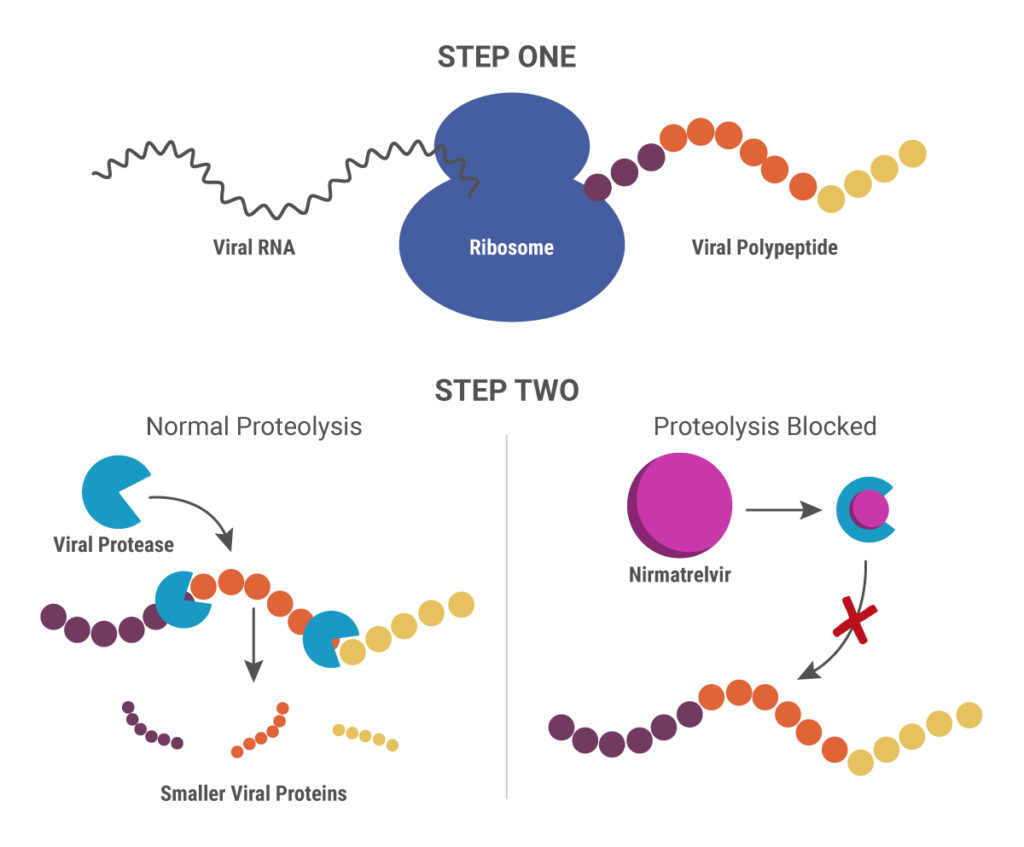
Diagram of Nirmaltrelvir mechanism of action.
Nirmatrelvir inhibits the viral 3CL protease, so that functional, smaller viral proteins cannot be produced.
Continue reading “Cytochrome P450 Inhibition: Old Drug, New Tricks”

April is Sexual Assault Awareness Month

In the United States, April is a time to promote awareness about sexual assault and other forms of sexual violence. Sexual violence is a worldwide, pervasive problem that affects every one of us. By raising awareness, we can learn how to cultivate safe workplaces, homes, online platforms and other spaces, to prevent sexual violence and provide support for survivors.

In honor of Sexual Assault Awareness Month (SAAM), here are some of the key facts and figures about sexual violence gathered from the Rape, Abuse & Incest National Network (RAINN). Take a few minutes to read and learn more about this issue as SAAM draws to a close.

Teal memorial ribbons for sexual assault awareness month
Image Credit: National Sexual Violence Resource Center (NSVRC)
Continue reading “April is Sexual Assault Awareness Month”

Earth Day: Investing in Our Planet

April 22 is Earth Day: A globally recognized annual event to demonstrate supportโ€ฏfor environmental protection and promote sustainability. Now, more than ever is the time for daring courage to align with the 2023 theme: Invest in Our Planet.

Continue reading “Earth Day: Investing in Our Planet”

Volunteering. A Celebration of Service, Community and Connection

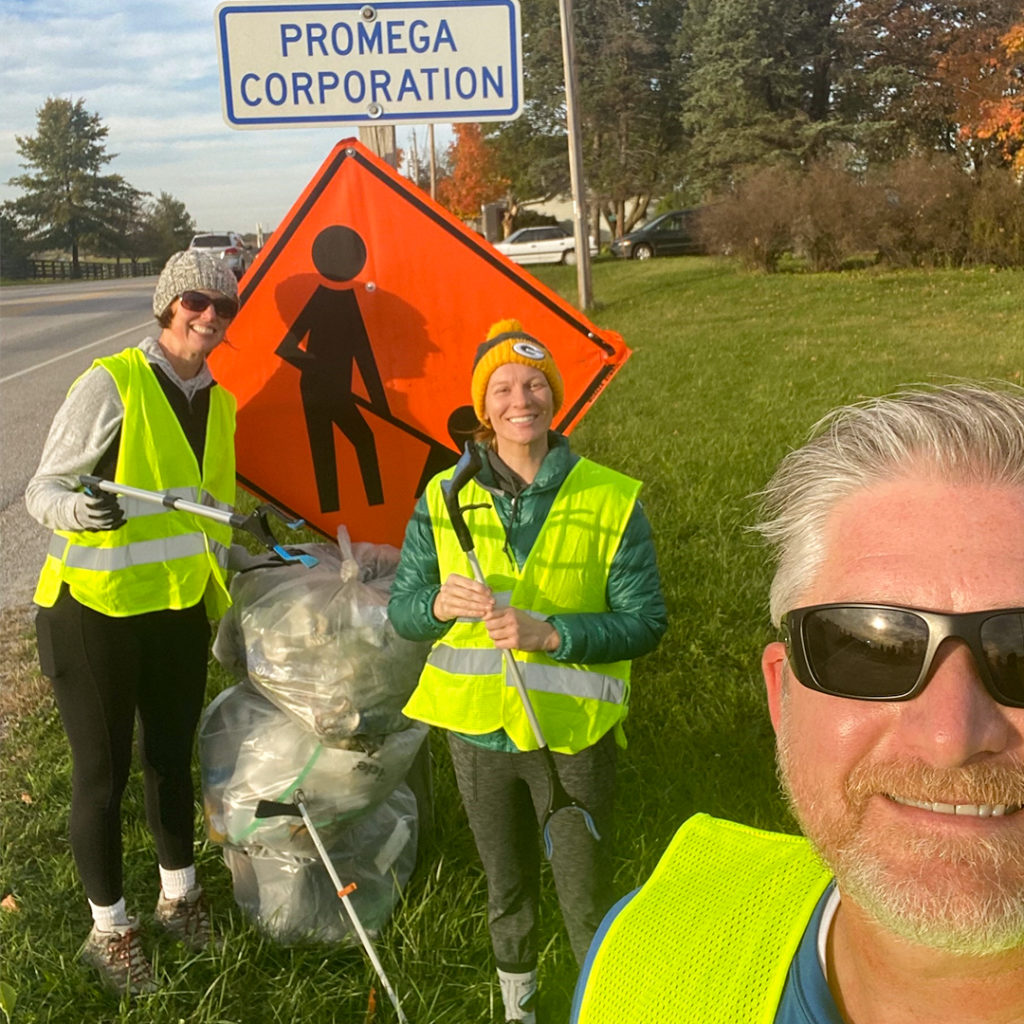
Promega Madison employees volunteering to gather trash from roadside ditches.
Promega Madison employees gather trash from roadside ditches.

Volunteering is willingly giving your time and effort without expecting something in return. The month of April is volunteer month, and April 20 is national volunteer recognition day, so we are taking this chance to celebrate volunteers and the work they do that benefits us all. Fundamentally, volunteering is about service to others, but that service can take on many different forms. Promega recognizes the benefits that volunteering brings to our employees as well as our local and global communities. Our Promega in Action program offers Madison-based employees the chance to volunteer their time and talents; applicants get up to 40 hours of extra paid time off to work with the charity or organization of their choice.

Continue reading “Volunteering. A Celebration of Service, Community and Connection”

Studying the Genetic Basis of Type 2 Diabetes with An Automated Maxwellยฎ Workflow

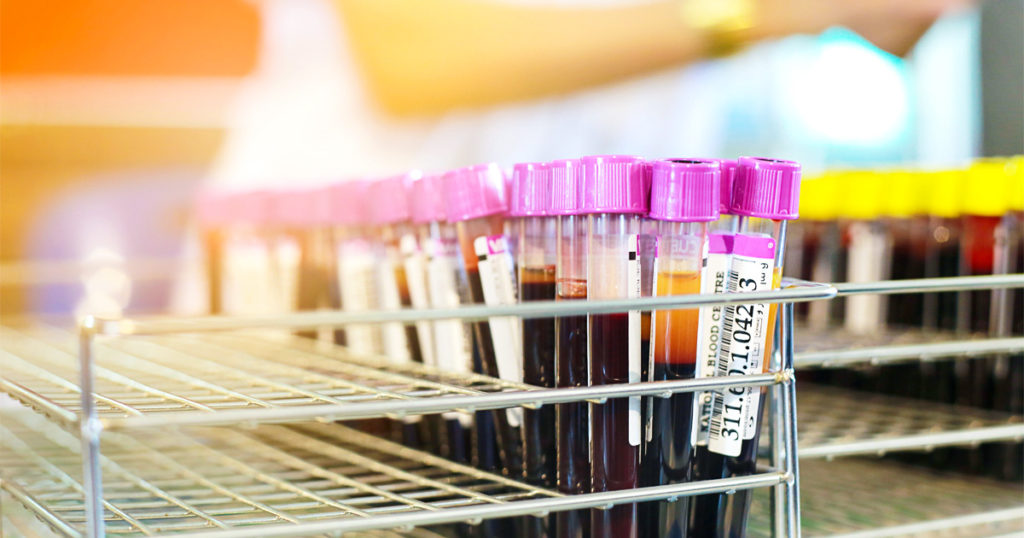
Blood collection tubes in a rack. Researchers are learning more about  Type 2 diabetes

Over the past few decades, the prevalence of diabetes has been on the rise. According to the WHO, 422 million people worldwide have diabetes, causing an estimated 1.5 million deaths every year. Among those with diabetes, 95% have type 2 diabetesโ€”which is caused by the bodyโ€™s resistance to insulin. It is known that risk factors for type 2 diabetes include older age, excess weight, poor diet and family history. However, the precise genetic basis of type 2 diabetes is still largely a mystery.

Dr. Mark McCarthyโ€™s lab at the Oxford Center for Diabetes, Endocrinology and Metabolism (OCDEM) focuses on understanding the genetic causes of type 2 diabetes. Identifying which genes contribute to type 2 diabetes could provide opportunities for developing new therapeutics. Chris Grove, former lab manager in Dr. McCarthyโ€™s lab, explained how they have approached this challenge.

Continue reading “Studying the Genetic Basis of Type 2 Diabetes with An Automated Maxwellยฎ Workflow”

World Art Day: Experiences of Fine Art That Disrupt and Drive Innovation

This metal sculpture adorns the parking garage that serves Promega Kornberg and Feynman buildings on the Madison, WI, USA campus.

World Art Day embraces art as a means for nurturing creativity and innovation, gaining greater understanding of cultural experiences that are different from our own, and showcasing the contributions of art and artists to sustainable development. It is no accident that World Art Day is celebrated on the birthday of Leonardo da Vinci, the celebrated Italian polymath who used art to express emotions, articulate technological concepts well before their time, and understand the workings of human anatomy.

Takaski Mitachi, a moderator of the 2019 global conference panel on Innovation through Art: Leveraging Disruption for a Sustainable Ecosystem, said that โ€œArt can add value so that we could drive innovation beyond logic and data.โ€ In a sense, the fine arts are a way of expressing our observations about the world around us, similar to how an original scientific hypothesis attempts to explain phenomena we observe and want to test. While scientific investigation builds on data and logic to test a hypothesis, art gives us a different way of knowing our world that extends beyond just data and logic. When we explore the arts, we broaden our understanding and interpretation of the world and bring these new perspectives to our scientific and technological explorations. Art is a disruptor of staid ways of thinking about and approaching problems, and like many other disruptors in our world, it can drive innovation.

In an article in the MIT Technology Review, author Sarah Lewis discusses the relationship between the arts and scientific breakthroughs. She notes one study that found a disproportionately high number of Nobel Prize-winning scientists also pursue art, writing or music as serious avocations. When asked why achievement in art and science seem to go together, she replied: โ€œWhat the arts allow us to do is develop the muscle required for discernment and also strengthen our sense of agency to determine for ourselves how weโ€™re going to tackle a given problemโ€ฆUltimately itโ€™s up to the person creating the work to determine what that path is, and that kind of agency is whatโ€™s required for innovation.โ€

Continue reading “World Art Day: Experiences of Fine Art That Disrupt and Drive Innovation”

Small Wins, Personal Commitment and Concrete Solutions Add Up to Big Victories in Sustainability

Sustainability. Maybe it is your way of life, or you feel like it is a buzzword used and abused. Perhaps you are tired of hearing about it or convinced that society doesn’t do enough. Well, welcome to Switzerland, the country of Heidi, of mountains and chocolate, and where many are passionate about their environment and fight to preserve it. The team of Promega Switzerland is no exception. Take the General Manager, Mauro Ciglic, for example. He is someone who cares about people, nature, and the environment in the broadest sense. For him, sustainability is an attitude. It’s about questioning one’s lifestyle, behaviors, and habits, reflecting on what one can do personally, and continuously challenging oneself to be and do better for others and the environment. Mauro is aware that economic, social, and environmental aspects are intertwined and that changes in the environment, good or bad, directly impact people, thus society at large. As the person responsible for the Swiss Branch of Promega, Mauro can bring positive change using the company’s financial strength and workforce. He focuses on the opportunities and not the challenges and, with the team, works hard to bring concrete solutions.

“One of the hardest things for people to wrap their heads around tends to be the idea that small wins add up to big victories. However, if we want to make a big difference for the future of our planet and its people, we have to overcome our indifference towards so many small things in life.”

โ€“ Mauro Ciglic, General Manager, Promega Switzerland
Continue reading “Small Wins, Personal Commitment and Concrete Solutions Add Up to Big Victories in Sustainability”

Take a Break, Take A Walk!

Elderly father adult son and grandson out for a walk in the park.

For many of us, we’re used to getting our steps in when walking from one meeting room to the next. However, since the beginning of the COVID-19 pandemic, we shifted to new communication modes. Meetings transitioned to simply clicking from one zoom to the other, increasing the amount of time we stay sedentary. For those who are still working remotely, this is a reminder to make time for movement! Contrary to how long periods of sitting have negative effects on the body, walking has a long list of benefits. In the spirit of National Walking Day, here are some reasons why you should take a break and take a walk.

Continue reading “Take a Break, Take A Walk!”

Empowered Women Empower Women: Closing the Confidence Gap in STEM

Welcome back to the third and final part of our Women in Science series, where weโ€™ve been exploring the key factors that perpetuate the gender gap in STEM. In Part 1 of this series, Breaking the Bias: Addressing the STEM Gender Gap, we dug into the key factors of gender stereotypes and male-dominated culture. Part 2, This is What a Scientist Looks Like: The Importance of Female Role Models in STEM, was all about the issue of fewer visible female role models in STEM. Last but certainly not least, this installment will focus on tackling the issue of the confidence gap, including the factors that play into it and the myriad ways we see it unfolds.

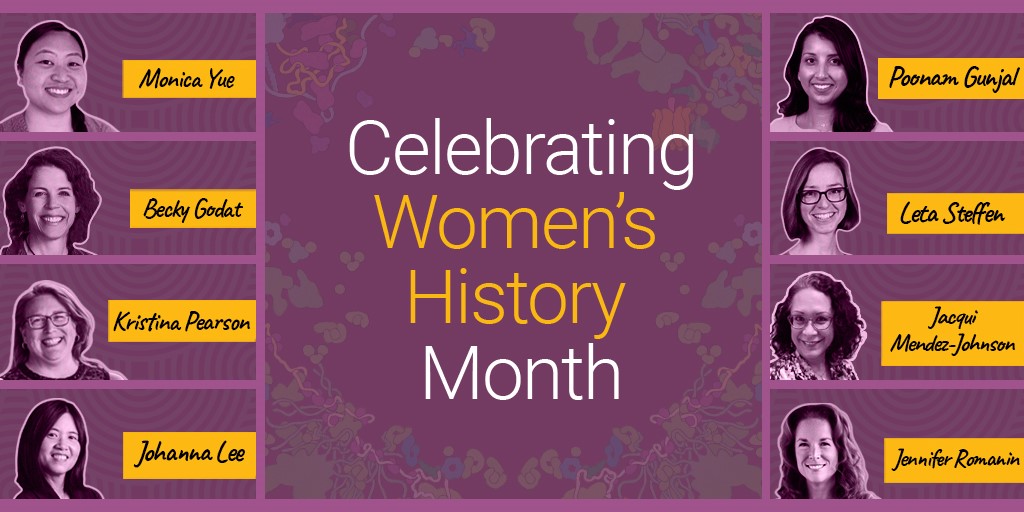
Part of my exploration of this topic included having conversations with a handful of my incredible female colleagues at Promega about the challenges women in STEM face. These colleagues were (in no particular order): Becky Godat, Instrumentation Scientist; Jacqui Mendez-Johnson, Quality Assurance Scientist; Johanna Lee, Content Lead, Marketing Services; Jen Romanin, Sr. Director, IVD Operations and Global Support Services; Kris Pearson, Director, Manufacturing & Custom Operations; Leta Steffen, Supervisor, Scientific Applications; Monica Yue, Technical Services Scientist; and Poonam Gunjal, Manager, Regional Sales.

What is the Confidence Gap?

Continue reading “Empowered Women Empower Women: Closing the Confidence Gap in STEM”