World Youth Skills Day provides a unique opportunity to emphasize the importance of equipping young people with experiences, skills, and opportunities in the workforce. This celebratory day falls on July 15th and was officially declared by the United Nations General Assembly in 2014.
At Promega, we are constantly adhering to invest in the future generations of science—and the BioPharmaceutical Technology Center Institute (BTC Institute) serves this mission best. The BTC Institute is a non-profit organization that provides educational, scientific, and cultural opportunities for people of all ages. Each summer, the organization hosts a wide range of experiences including camps, programs, and field trips to support individuals interested in science. In the spirit of World Youth Skills Day, let’s take a look at some experiences that are offered for young learners in summer 2022.
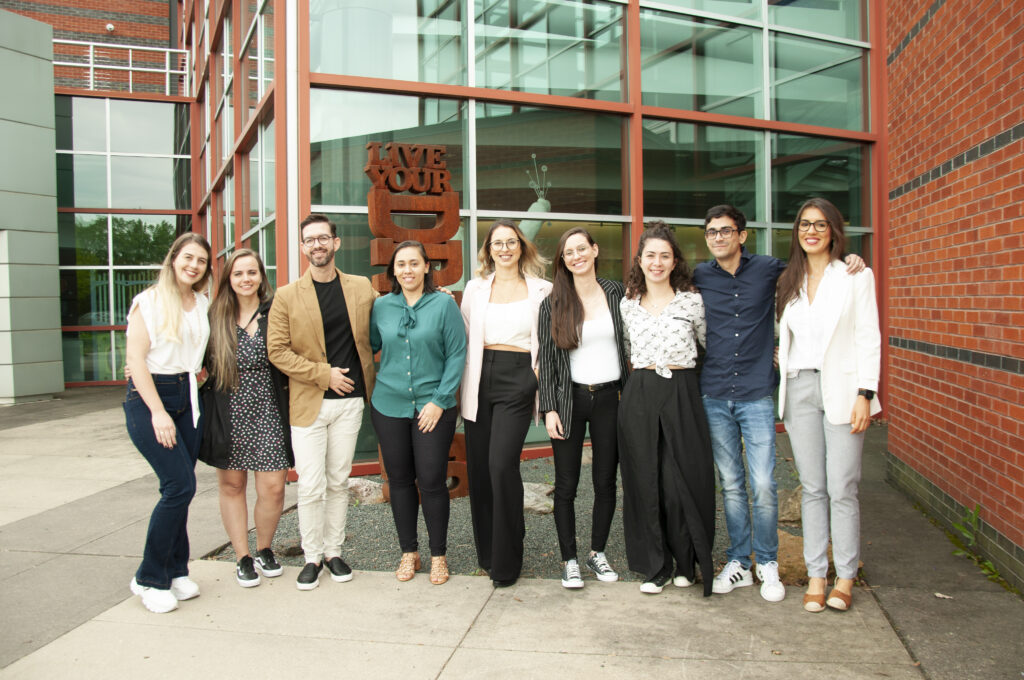
In late May 2022, Promega invited the nine finalists for the Promega Brazil Young Researcher Award to present their work at a Student Research Symposium on the Promega Madison campus.
The Brazil Young Researcher Award program was created to acknowledge exceptional work by Brazilian students utilizing Promega products in their research. These student researchers were recognized for their achievements and were given the opportunity to present their innovative research to Promega scientists as part of a week-long immersive experience on the Promega campus.
Vaccine research and development is a major area of focus for life scientists across the globe. Clinical trials have shown that vaccines that target tumors show promise for cancer treatment. Additionally, the emergence of new zoonotic diseases has revealed a need to develop vaccines quickly as the world becomes more global and human populations interact more often with each other and wild habitats. Importantly, these vaccines need to be suitable for distribution in a variety of settings, including those that do not have easy access to refrigeration.
There are many ways to classify the different types of vaccines that are currently available. The National Institute of Allergy and Infectious Diseases in the United States, categorizes vaccines as: whole pathogen vaccines, subunit vaccines, and nucleic acid vaccines—based on how the antigen that stimulates the immune response is delivered to the host.
Whole-pathogen vaccines, which include many of vaccines used in clinical settings, use the entire pathogen (organism that causes the disease) that has been either weakened or killed to elicit a protective immune response. Killed vaccines are what their name implies: the pathogen has been killed so that it cannot cause disease, but enough of its structure remains to generate antibody response. Often, the immune response generated with killed vaccines is not as robust as that generated with other kinds of vaccines.
Weakened or attenuated vaccines use whole pathogens that have been weakened in the laboratory through long-term culture or other means. Our modern MMR (measles, mumps and rubella) vaccine is an example of an attenuated vaccine. These vaccines tend to generate strong, long-lasting immune responses, but have increased risk for immunocompromised individuals.
Engineering an Influenza A PROTAC Virus Vaccine
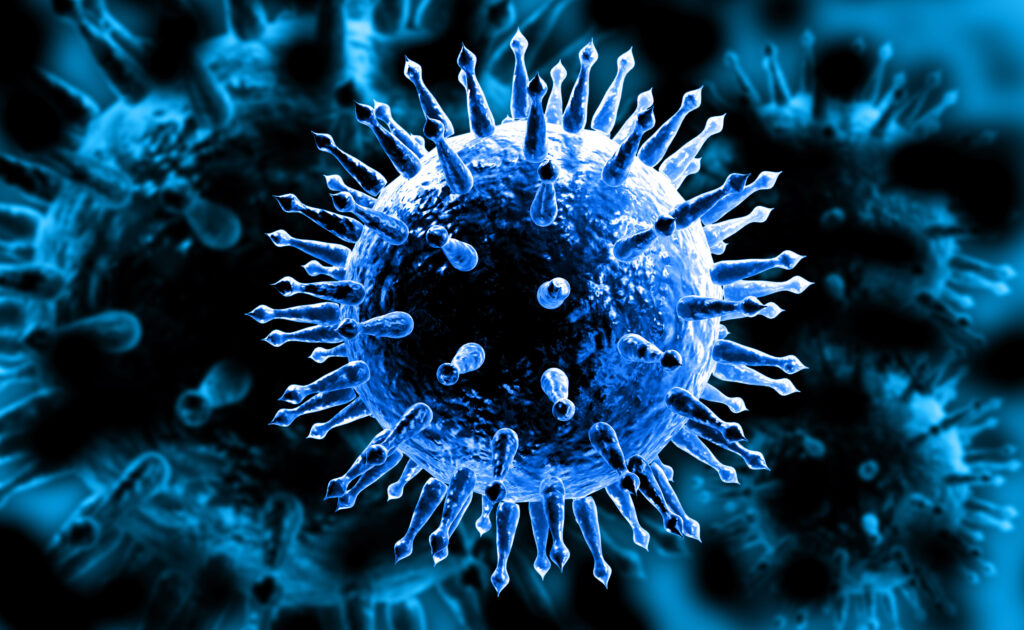
A recent paper by Si et al published in Nature Biotechnology describes a new type of live-attenuated whole pathogen vaccine: the PROTAC virus. PROTAC viruses are prevented from replicating by targeting critical viral proteins for degradation using the host cell protein degradation pathway. The vaccine is live-attenuated by the host cells that degrade critical proteins.
On June 30th, 2010, World Social Media Day was created to bring people together and recognize the impact that social media has on communication globally. What started as a communication method for friends and families is now an integral tool for news, discussion, professional connections, and marketing.
In its short life, social media has redefined how we interact and communicate with one another. People have flocked to social media ever since the beginning of MySpace in 2003. However, it’s no secret that the pandemic accelerated social media usage, acceptance, visibility, and engagement. For many of us, it’s a great way to keep up with family, connect with friends, and, well, be social. But with more conversations happening online than ever, the question is, how does the scientific community fit into this ever-changing virtual world?
African Swine Fever is a highly contagious disease caused by the African Swine Fever Virus (ASFV) that can spread among populations of both wild and domestic pigs. While not transmissible to humans, it is passed between pigs through direct contact with bodily fluids or feces, through the consumption of contaminated food or through tick-borne transmission. With a mortality rate nearing 100%, this virus can easily devastate large populations of pigs.
ASFV is extremely resilient and is predominantly carried by wild pigs and soft ticks of the Ornithodoros genus. It can survive extended periods of time in processed meat, and contaminated pig products are a common source of transmission, posing a serious threat to the global pig industry due to rising demand for pork. The consequences of unchecked spread of ASFV can include a disruption in the production and exportation of pork products, job losses and other devastating effects. Among those countries with pig populations vulnerable to the spread of ASFV is the Philippines.
From macrophages that seek out and destroy infectious agents to fibroblasts that hold tissues and organs together, cells give form and function to our bodies. However, despite their foundational roles in our biology, there is still much we don’t know about cells—like where different cell types are localized, what states a given cell type may take on, how the molecular characteristics of cells change over a person’s lifetime and more. Addressing these questions will provide a deeper understanding about the cellular and genetic basis of human health and disease.
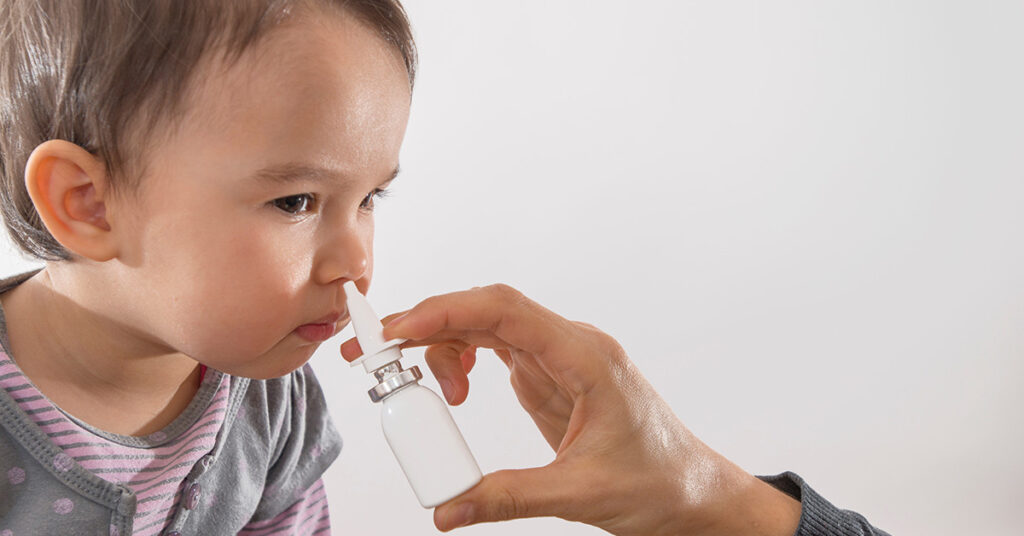
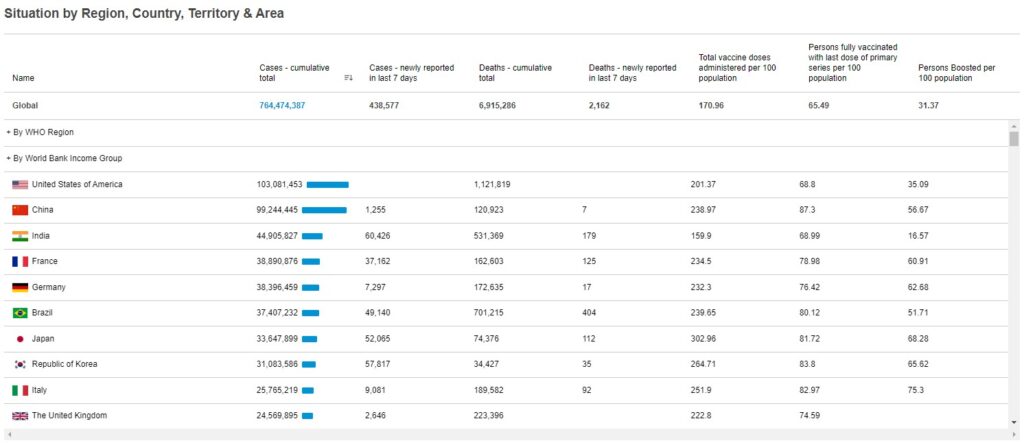
COVID-19 is still a global pandemic. Around the world, as of 5:40pm CEST, 26 April 2023, there have been 764,474,387 cumulative confirmed cases of COVID-19, including 6,915,655 deaths, reported to the World Health Organization. As of 24 April 2023, a total of 13,325,228,015 vaccine doses have been administered. The adoption of vaccines worldwide continues to increase, yet periodic spikes and surges in infection rates continue to occur with new SARS-CoV-2 variants, such as that observed in Australia in Jan 2022. Vaccine booster doses provide effective protection against developing severe disease and hospitalization, but vaccine adoption and distribution face ongoing challenges in low- and middle-income (LMIC) countries (1). The development of intranasal vaccines could help alleviate some of the challenges in these areas. Therapeutic interventions for those already infected are in development, with one (Paxlovid) currently available under emergency use authorization (EUA) in the US.
Cumulative COVID-19 statistics by country: WHO COVID-19 Dashboard. Geneva: World Health Organization, 2020. Available online: https://covid19.who.int/ (last cited: April 28, 2023).
Rectal cancer cases are rising in young adults (1). Typically, these cancers are treated with a multipronged approach that includes chemotherapy, radiation and surgery. These treatments show complete response in approximately 25% of patients and come with a long list of toxic side effects and life-altering complications including negative effects on bladder and bowel function, sexual health and fertility issues (2).
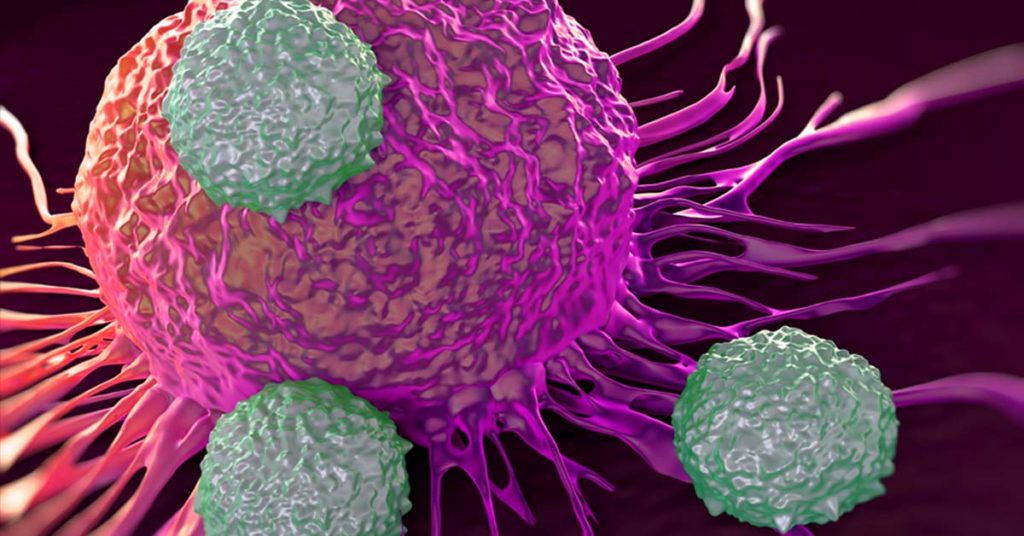
Approximately 5–10% of rectal cancers have deficiencies in their mismatch repair mechanisms (dMMR), and these cancers tend to be less responsive to standard chemotherapy treatments (2). Tumors are identified as dMMR using either immunohistochemistry (IHC) to detect the presence or absence of the major mismatch repair proteins, or by molecular testing for high-frequency microsatellite instability (MSI-H), the functional evidence of dMMR . These tumors often have somatic mutations that produce “foreign” proteins that can be detected by the immune system. As a result, these tumors are effective at priming an immune response and tend to respond well to immune checkpoint therapies such as PD-1 blockade treatments. Immune checkpoint blockade, or immune checkpoint inhibitor, therapies are a revolutionary, and relatively new, approach to treating cancer. Some tumors express immune checkpoints to prevent the immune system from producing a strong enough immune response to kill the cancer cells. Immune checkpoint blockade therapies work by blocking immune checkpoint proteins that act to negatively regulate the immune system through the PD-1 pathway. When these checkpoint proteins are blocked, the body’s T-cells can recognize and kill the cancer cells.
Each year, on June 15, we celebrate Nature Photography Day. This globally recognized day was designated by the North American Nature Photography Association (NANPA) to embrace the value of nature and encourage the enjoyment of nature photography.
Photography helps us explore the natural world and advance conservation efforts to protect plants, nature, and wildlife both locally and globally. One of the great things about Nature Photography Day is that you can participate wherever you are, with whatever equipment you have—nature is all around us!
Biologic therapeutics such as monoclonal antibodies and biosimilars are complex proteins that are susceptible to post-translational modifications (PTMs). These chemical modifications can affect the performance and activity of the biologic, potentially resulting in decreased potency and increased immunogenicity. Such modifications include glycosylation, deamidation, oxidation and disulfide bond shuffling. These PTMs can be signs of protein degradation, manufacturing issues or improper storage. Several of these modifications are well characterized, and methods exist for detecting them during biologic manufacture. However, disulfide shuffling is not particularly well characterized for biologics, and no methods exist to easily detect and quantify disulfide bond shuffling in biologics.
Disulfide bonds are important for protein conformation and function
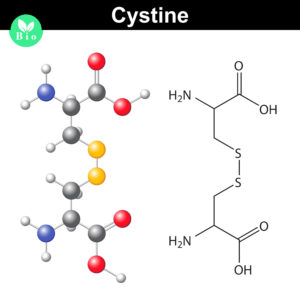
Normally the cysteines in a protein will pair with a predictable or “normal” partner residue either within a polypeptide chain or between two polypeptide chains when they form disulfide bonds. These normal disulfide bonds are important for final protein conformation and stability. Indeed, disulfide bonds are considered an important quality indicator for biologics.
In a recently published study, Coghlan and colleagues designed a semi-automated method for characterizing disulfide bond shuffling on two IgG1 biologics: rituximab (originator drug Rituxan® and biosimilar Acellbia®) and bevacizumab (originator Avastin® and biosimilar Avegra®).
XWe use cookies and similar technologies to make our website work, run analytics, improve our website, and show you personalized content and advertising. Some of these cookies are essential for our website to work. For others, we won’t set them unless you accept them. To learn more about our approach to Privacy we invite you to Read More
By clicking “Accept All”, you consent to the use of ALL the cookies. However you may visit Cookie Settings to provide a controlled consent.
We use cookies and similar technologies to make our website work, run analytics, improve our website, and show you personalized content and advertising. Some of these cookies are essential for our website to work. For others, we won’t set them unless you accept them. To find out more about cookies and how to manage cookies, read our Cookie Policy.
If you are located in the EEA, the United Kingdom, or Switzerland, you can change your settings at any time by clicking Manage Cookie Consent in the footer of our website.
Necessary cookies are absolutely essential for the website to function properly. These cookies ensure basic functionalities and security features of the website, anonymously.
Cookie
Duration
Description
cookielawinfo-checbox-analytics
11 months
This cookie is set by GDPR Cookie Consent plugin. The cookie is used to store the user consent for the cookies in the category "Analytics".
cookielawinfo-checbox-functional
11 months
The cookie is set by GDPR cookie consent to record the user consent for the cookies in the category "Functional".
cookielawinfo-checbox-others
11 months
This cookie is set by GDPR Cookie Consent plugin. The cookie is used to store the user consent for the cookies in the category "Other.
cookielawinfo-checkbox-advertisement
1 year
The cookie is set by GDPR cookie consent to record the user consent for the cookies in the category "Advertisement".
cookielawinfo-checkbox-necessary
11 months
This cookie is set by GDPR Cookie Consent plugin. The cookies is used to store the user consent for the cookies in the category "Necessary".
cookielawinfo-checkbox-performance
11 months
This cookie is set by GDPR Cookie Consent plugin. The cookie is used to store the user consent for the cookies in the category "Performance".
gdpr_status
6 months 2 days
This cookie is set by the provider Media.net. This cookie is used to check the status whether the user has accepted the cookie consent box. It also helps in not showing the cookie consent box upon re-entry to the website.
lang
This cookie is used to store the language preferences of a user to serve up content in that stored language the next time user visit the website.
viewed_cookie_policy
11 months
The cookie is set by the GDPR Cookie Consent plugin and is used to store whether or not user has consented to the use of cookies. It does not store any personal data.
Analytical cookies are used to understand how visitors interact with the website. These cookies help provide information on metrics the number of visitors, bounce rate, traffic source, etc.
Cookie
Duration
Description
SC_ANALYTICS_GLOBAL_COOKIE
10 years
This cookie is associated with Sitecore content and personalization. This cookie is used to identify the repeat visit from a single user. Sitecore will send a persistent session cookie to the web client.
vuid
2 years
This domain of this cookie is owned by Vimeo. This cookie is used by vimeo to collect tracking information. It sets a unique ID to embed videos to the website.
WMF-Last-Access
1 month 18 hours 24 minutes
This cookie is used to calculate unique devices accessing the website.
_ga
2 years
This cookie is installed by Google Analytics. The cookie is used to calculate visitor, session, campaign data and keep track of site usage for the site's analytics report. The cookies store information anonymously and assign a randomly generated number to identify unique visitors.
_gid
1 day
This cookie is installed by Google Analytics. The cookie is used to store information of how visitors use a website and helps in creating an analytics report of how the website is doing. The data collected including the number visitors, the source where they have come from, and the pages visted in an anonymous form.
Advertisement cookies are used to provide visitors with relevant ads and marketing campaigns. These cookies track visitors across websites and collect information to provide customized ads.
Cookie
Duration
Description
IDE
1 year 24 days
Used by Google DoubleClick and stores information about how the user uses the website and any other advertisement before visiting the website. This is used to present users with ads that are relevant to them according to the user profile.
test_cookie
15 minutes
This cookie is set by doubleclick.net. The purpose of the cookie is to determine if the user's browser supports cookies.
VISITOR_INFO1_LIVE
5 months 27 days
This cookie is set by Youtube. Used to track the information of the embedded YouTube videos on a website.
Performance cookies are used to understand and analyze the key performance indexes of the website which helps in delivering a better user experience for the visitors.
Cookie
Duration
Description
YSC
session
This cookies is set by Youtube and is used to track the views of embedded videos.
_gat_UA-62336821-1
1 minute
This is a pattern type cookie set by Google Analytics, where the pattern element on the name contains the unique identity number of the account or website it relates to. It appears to be a variation of the _gat cookie which is used to limit the amount of data recorded by Google on high traffic volume websites.