Mass spectrometry depends on the successful digestion of proteins using proteases. Many commercially available proteomic-grade trypsins contain natural contaminants that produce non-specific cleavages. Trypsin Platinum, a new protease from Promega provides maximum specificity, giving you cleaner and more conclusive data from mass spec.
Trypsin is typically extracted from bovine or porcine pancreas. In addition to trypsin, both of these sources also contain chymotrypsin. To suppress chymotryptic activity, trypsin is treated with tosyl phenylalanyl chloromethyl ketone, or TPCK, to irreversibly inhibit the chymotrypsin. However, trace amounts of chymotrypsin appear to escape this inhibition and produce non-specific cleavages, as seen in the figure below.
Antibody-based immune checkpoint inhibitors remain a major focus of immuno-oncology drug research and development efforts because of their recent success in providing long-term anti-tumor responses. However, the range of response of different tumor types to these drugs is hugely varied. Small molecule kinase inhibitors that block signaling pathways involved in regulation of tumor immunity at multiple points in the “cancer immunity cycle” may provide alternate, effective therapeutics. One kinase that may be a target for such small molecule inhibitors is Hematopoietic Progenitor Kinase 1 or HPK1; the potential of this kinase as a therapeutic target was reviewed by Sawasdikosol and Burakoff (1). HPK1, also known as MAP4K1, is a member of the MAP kinase protein kinase family that negatively regulates signal transduction in T-cells, B-cells and dendritic cells of the immune system.
Despite significant advancements in antimalarial drugs and widespread efforts to prevent transmission over the past decade, deaths from malaria remain high, particularly in younger children. New drugs with novel modes of action are urgently needed to continue reducing mortality and address drug resistance in the malaria parasite, Plasmodium falciparum. While tens of thousands of compounds have been identified as potential candidates through massive screening efforts, scalable methods for identifying the most effective compounds are needed.
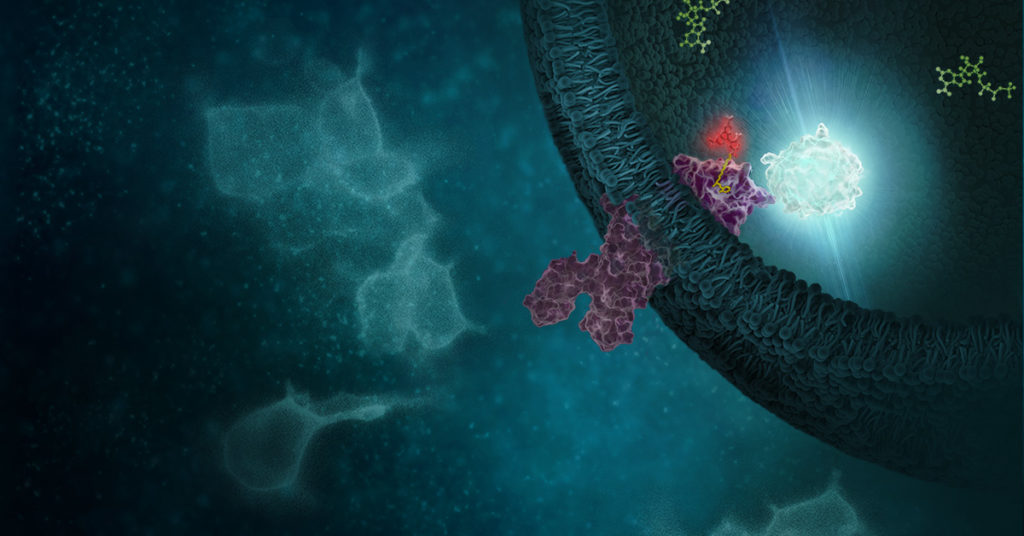
The goal is to find a drug that is potent during all stages in the life cycle of P. falciparum and kills the parasite quickly. Focusing on assessing whether a compound can rapidly eliminate initial parasite burden, Paul Horrocks, PhD, and his colleagues developed a validated bioluminescence-based assay that rapidly determines the initial rate of kill for discovery antimalarials. One key to developing their assay was figuring out how to monitor when the parasite dies after introducing the drug. While measuring DNA content can be used to monitor parasite burden, it is too stable to use for a relevant time course assay.
See how Dr. Paul Horrocks uses a firefly luciferase-based system to understand the dynamics of drug action in the development of new malaria treatments.
Enter firefly luciferase, a dynamic reporter tool to investigate drug action. By creating transgenic P. falciparum that express the luc reporter gene, the researchers could monitor drug action over time. When the parasite is killed, it stops making the luciferase reporter. Since there is no new production of luciferase, levels fall quickly after the parasite dies, and a luciferase assay can determine how fast each drug killed the parasite.
The Dana-Farber Targeted Protein Degradation Webinar Series discusses new discoveries and modalities in protein degradation.
In this webinar, Senior Research Scientist, Dr. Danette Daniels, focuses primarily on proteolysis-targeting chimeras, or PROTACs. A variety of topics are covered including the design, potency, and efficacy of PROTACs in targeted protein degradation. Watch the video below to learn more about how PROTACs are shifting perspectives through fascinating research and discoveries in targeted protein degradation.
Learn more about targeted protein degradation and PROTACS here.
Many deep sea creatures are bioluminescent. However, before documenting the luminescence of the kitefin shark, Dalatias licha, there has never been a nearly six-foot long luminous vertebrate creature. In a recent study, Mallefet and colleagues examined three species of sharks: Dalatias licha, Etmopterous lucifer, and Emopterus granulosus and documented their luminescence for the first time. These bioluminescent sharks are the largest bioluminescent creatures known.
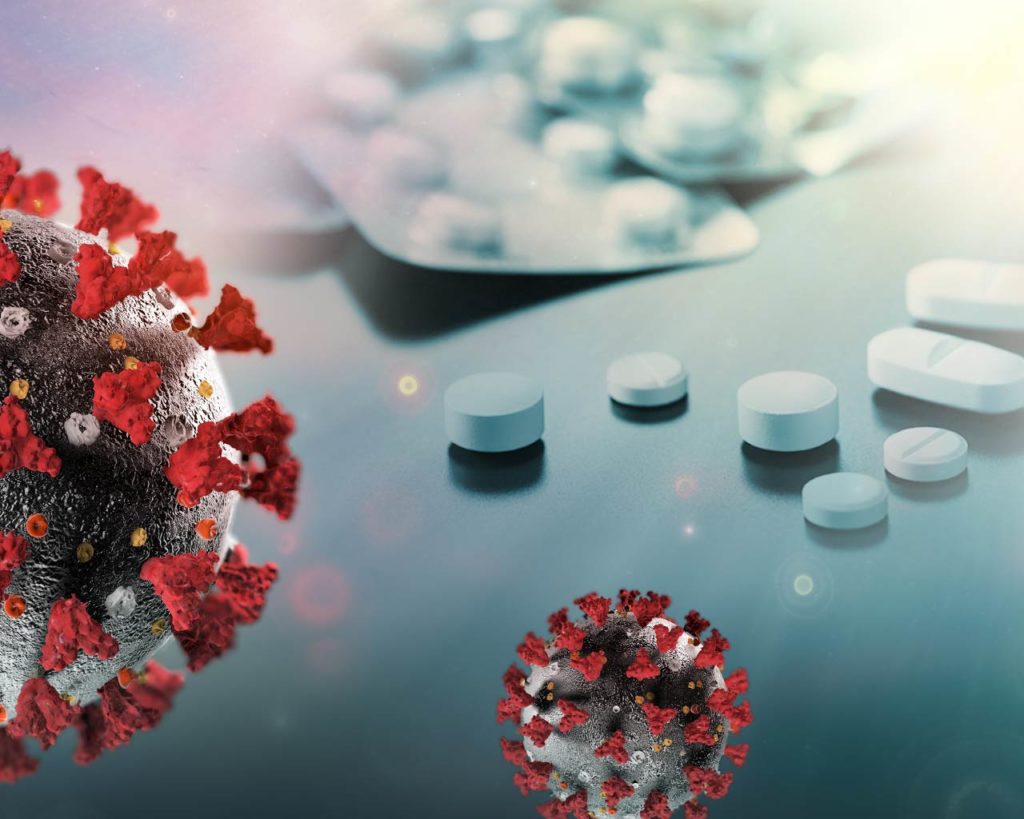
A year after COVID-19 was declared a pandemic, collaborative efforts among pharma/biotech and academic researchers have led to remarkable progress in vaccine development. These efforts include novel mRNA vaccine technology, as well as more conventional approaches using adenoviral vectors. While vaccine deployment understandably has captured the spotlight in the fight against COVID-19, there remains an urgent need to develop therapeutic agents directed against SARS-CoV-2.
In the March 12 issue of Science, an editorial by Dr. Francis Collins, director of the U.S. National Institutes of Health (NIH), examines lessons learned over the past 12 months (1). Collins points out that many clinical trials of potential therapeutics were not designed to suit a public health emergency. Some were poorly designed or underpowered, yet they received considerable publicity—as was the case with hydroxychloroquine. Collins advises developing antiviral agents targeted at all major known classes of pathogens, to head off the next potential pandemic before it becomes one. A news feature in the same issue discusses the current state of coronavirus drug development (2).
The present crop of drug candidates is remarkably diverse, including repurposed drugs that were originally developed to treat diseases quite different from COVID-19. Typically, however, the mainstream candidates belong to two broad classes: small-molecule antiviral agents and large-molecule monoclonal antibodies (mAbs).
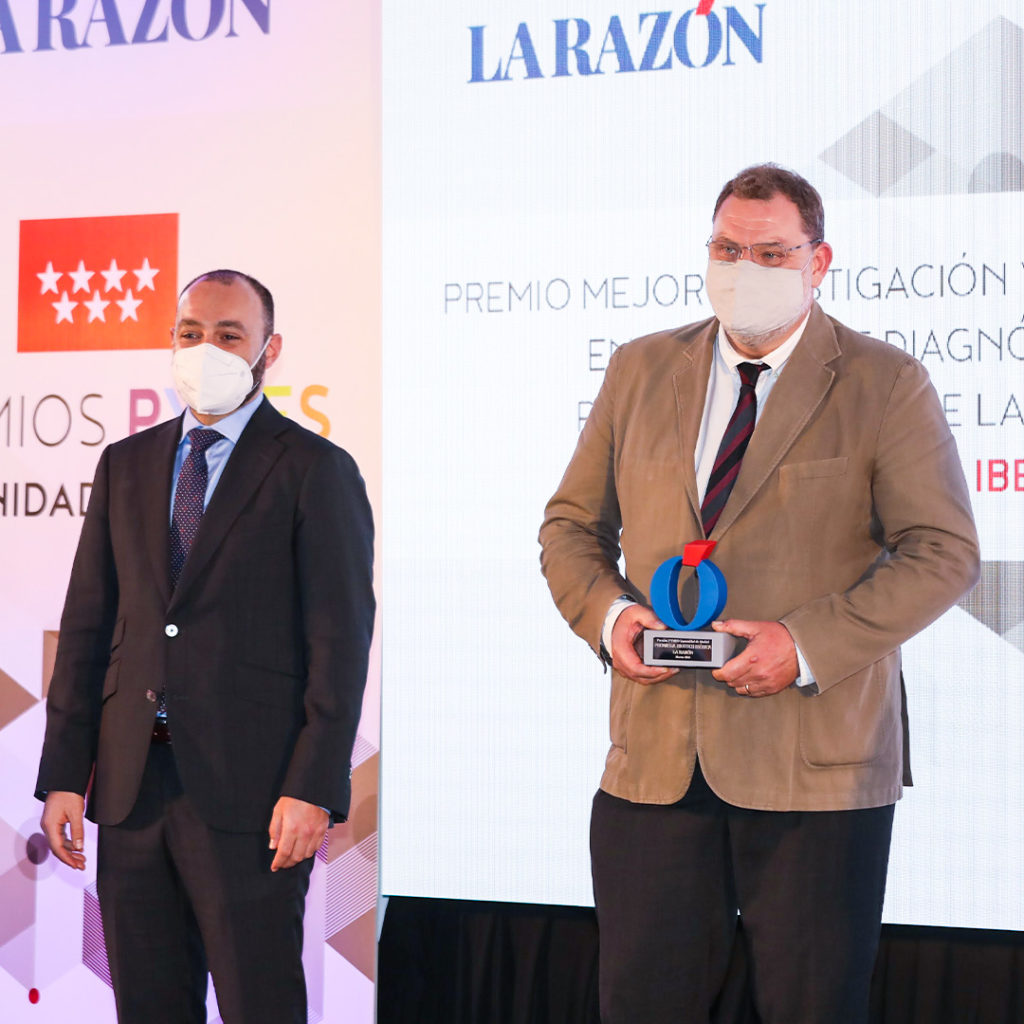
Small- and medium-sized companies are critical to the Spanish economy. During 2020 the COVID-19 pandemic made business difficult for many of these companies, yet they have demonstrated strength and resourcefulness and have led the pandemic recovery in Spain in many ways. Recently, Promega Biotech Ibérica was recognized with a Madrid Community SME (small- and medium-sized business) Award along with 15 other companies. The awards were presented by Manuel Giménez, Minister of Economy, Employment and Competitiveness of the Madrid Region, Andres Navarro delegate director of La Razón, and Francisco Marhuenda, director of La Razón. As part of the award, Promega Biotech Ibérica General Manager, Gijs Jochems, was interviewed about the award and Promega’s work in the region.
Gijs Jochems, General Manager of Promega Biotech Ibérica accepts the Madrid Community SME Award.
According to Gijs Jochems, General Manager of Promega Biotech Ibérica, while Promega Corporation is an American multinational company, it remains privately held, which offers a great deal of flexibility to the subsidiaries to adapt to local needs. It also allows the company to place increased emphasis on employee well-being (critical during the pandemic), reinvest profits in research and development, and work to mitigate the impact of company activities on the environment. All these business practices reflect a long-term vision of sustainable business growth.
Today, March 22, is World Water Day 2021, recognized by the United Nations and people around the world as a time to focus on the goal of available clean water for all.
Clean water for drinking is essential for our existence. A human can only survive without water for about three days.
While water is essential for life, the need goes beyond simple consumption. As is true of so many things, the COVID-19 pandemic has shown us the need for sanitation—being able to wash our hands, our clothes and ourselves with clean water, being able to rinse foods and a safe means by which to dispose of, or recycle the dirty water afterwards. And, even the need to monitor wastewater to help track infectious disease outbreaks.
World Bank and Sustainable Development Goal #6 (#SDG6)
The World Bank provides an extravagance of data on their sustainable development goal #6, Clean Water and Sanitation, noting the importance of water “for health, the environment and sustainable development”. To add to the needs surrounding water and its scarcity, the World Bank states that:
Despite gains, more than half the world’s people lack access to safely managed sanitation services.
The year 2020 was a year filled with things we didn’t do. The global COVID-19 pandemic meant we didn’t gather with family and friends; we didn’t attend concerts or sporting events; we didn’t even go to work or school in the same way. We also didn’t go to the doctor, and as a result, many countries and organizations are reporting that there was an alarming drop in the number of new cancer cases (1–6). Unfortunately, while fewer diagnosis might sound like a good thing, there is no evidence that the actual rate of new cancer occurrence is declining (7).
COVID-19 Restrictions Impact Cancer Screening and Diagnosis
The drop in cancer diagnosis happened after countries began to put into place new restrictions intended to slow the spread of the SARS-CoV-2 virus. These measures often included limiting or pausing many routine screenings and doctor visits, which also limited or paused opportunities to diagnosis cancer. The resulting decline in new cancer diagnosis was dramatic. In the United States, there was a 46.4% decline in the number of newly diagnosed cases of six of the most common cancer types (breast, colorectal, esophageal, gastric, lung and pancreatic) per week between March 1, 2020 and April 18, 2020 (1,2,8).
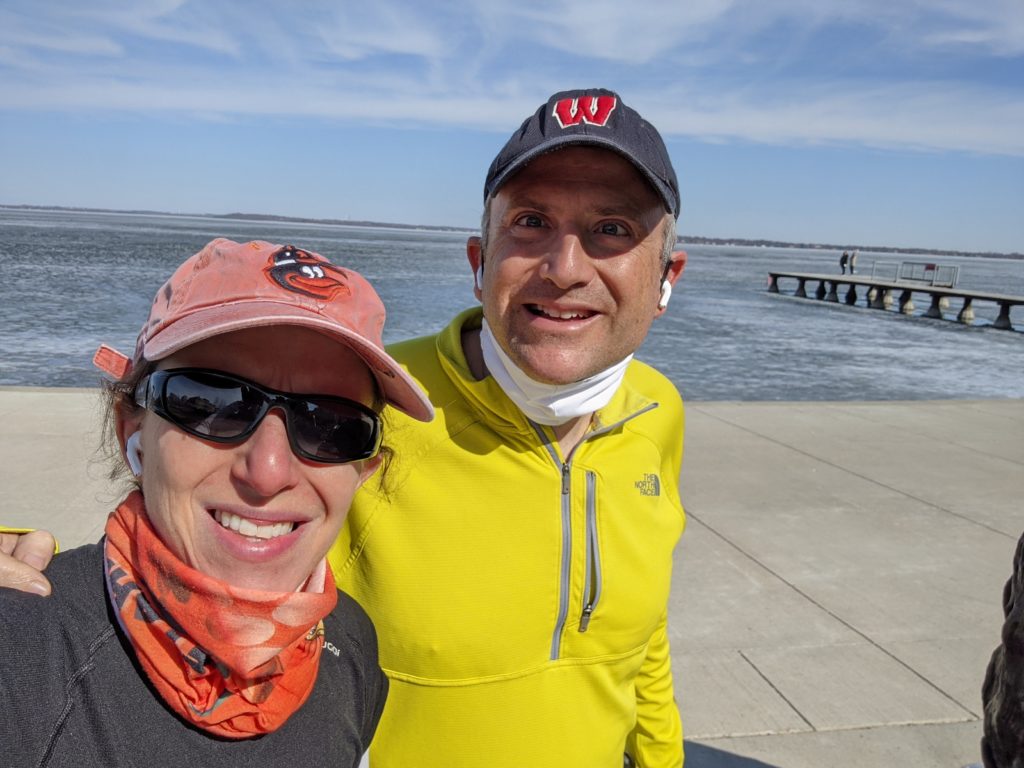
As the SARS-CoV-2 virus spread around the world in early 2020, many researchers shifted their focus to support the global endeavors to address the challenge. For two professors at the University of Wisconsin, their efforts started with animal models to study pathogenicity and grew into massive SARS-CoV-2 sequencing and COVID-19 testing projects.
“Being a scientist in this field gives a sense of purpose, but also a sense of obligation and responsibility,” says David O’Connor, PhD. “You always want to feel like you’re living up to that.”
XWe use cookies and similar technologies to make our website work, run analytics, improve our website, and show you personalized content and advertising. Some of these cookies are essential for our website to work. For others, we won’t set them unless you accept them. To learn more about our approach to Privacy we invite you to Read More
By clicking “Accept All”, you consent to the use of ALL the cookies. However you may visit Cookie Settings to provide a controlled consent.
We use cookies and similar technologies to make our website work, run analytics, improve our website, and show you personalized content and advertising. Some of these cookies are essential for our website to work. For others, we won’t set them unless you accept them. To find out more about cookies and how to manage cookies, read our Cookie Policy.
If you are located in the EEA, the United Kingdom, or Switzerland, you can change your settings at any time by clicking Manage Cookie Consent in the footer of our website.
Necessary cookies are absolutely essential for the website to function properly. These cookies ensure basic functionalities and security features of the website, anonymously.
Cookie
Duration
Description
cookielawinfo-checbox-analytics
11 months
This cookie is set by GDPR Cookie Consent plugin. The cookie is used to store the user consent for the cookies in the category "Analytics".
cookielawinfo-checbox-functional
11 months
The cookie is set by GDPR cookie consent to record the user consent for the cookies in the category "Functional".
cookielawinfo-checbox-others
11 months
This cookie is set by GDPR Cookie Consent plugin. The cookie is used to store the user consent for the cookies in the category "Other.
cookielawinfo-checkbox-advertisement
1 year
The cookie is set by GDPR cookie consent to record the user consent for the cookies in the category "Advertisement".
cookielawinfo-checkbox-necessary
11 months
This cookie is set by GDPR Cookie Consent plugin. The cookies is used to store the user consent for the cookies in the category "Necessary".
cookielawinfo-checkbox-performance
11 months
This cookie is set by GDPR Cookie Consent plugin. The cookie is used to store the user consent for the cookies in the category "Performance".
gdpr_status
6 months 2 days
This cookie is set by the provider Media.net. This cookie is used to check the status whether the user has accepted the cookie consent box. It also helps in not showing the cookie consent box upon re-entry to the website.
lang
This cookie is used to store the language preferences of a user to serve up content in that stored language the next time user visit the website.
viewed_cookie_policy
11 months
The cookie is set by the GDPR Cookie Consent plugin and is used to store whether or not user has consented to the use of cookies. It does not store any personal data.
Analytical cookies are used to understand how visitors interact with the website. These cookies help provide information on metrics the number of visitors, bounce rate, traffic source, etc.
Cookie
Duration
Description
SC_ANALYTICS_GLOBAL_COOKIE
10 years
This cookie is associated with Sitecore content and personalization. This cookie is used to identify the repeat visit from a single user. Sitecore will send a persistent session cookie to the web client.
vuid
2 years
This domain of this cookie is owned by Vimeo. This cookie is used by vimeo to collect tracking information. It sets a unique ID to embed videos to the website.
WMF-Last-Access
1 month 18 hours 24 minutes
This cookie is used to calculate unique devices accessing the website.
_ga
2 years
This cookie is installed by Google Analytics. The cookie is used to calculate visitor, session, campaign data and keep track of site usage for the site's analytics report. The cookies store information anonymously and assign a randomly generated number to identify unique visitors.
_gid
1 day
This cookie is installed by Google Analytics. The cookie is used to store information of how visitors use a website and helps in creating an analytics report of how the website is doing. The data collected including the number visitors, the source where they have come from, and the pages visted in an anonymous form.
Advertisement cookies are used to provide visitors with relevant ads and marketing campaigns. These cookies track visitors across websites and collect information to provide customized ads.
Cookie
Duration
Description
IDE
1 year 24 days
Used by Google DoubleClick and stores information about how the user uses the website and any other advertisement before visiting the website. This is used to present users with ads that are relevant to them according to the user profile.
test_cookie
15 minutes
This cookie is set by doubleclick.net. The purpose of the cookie is to determine if the user's browser supports cookies.
VISITOR_INFO1_LIVE
5 months 27 days
This cookie is set by Youtube. Used to track the information of the embedded YouTube videos on a website.
Performance cookies are used to understand and analyze the key performance indexes of the website which helps in delivering a better user experience for the visitors.
Cookie
Duration
Description
YSC
session
This cookies is set by Youtube and is used to track the views of embedded videos.
_gat_UA-62336821-1
1 minute
This is a pattern type cookie set by Google Analytics, where the pattern element on the name contains the unique identity number of the account or website it relates to. It appears to be a variation of the _gat cookie which is used to limit the amount of data recorded by Google on high traffic volume websites.