Depending on your viewpoint, source of information and tolerance for risk, this can be a frightening time for persons all over the planet. The level of disruption to daily life that we’re all experiencing due to COVID-19 is unprecedented.
We are all either not working, working from home and away from our normal offices, or in some cases working many more hours to cover for sick coworkers and caring for SARS-CoV-2-infected persons.
But there is good news if you find that information is power. We hope that some information about the testing being used in the US for this novel coronavirus might be fuel for you, empowering in terms of information.
What is the Name of the Virus, and the Disease? Since this is a global pandemic, the World Health Organization was instrumental in naming the virus and disease. From this web page: the disease is called COVID-19.
The coronavirus responsible for this disease is SARS-CoV-2.
Travel and event restrictions related to the COVID-19 pandemic have caused many scientific conferences to be canceled, delayed or adapted into virtual events. These conferences include the Society of Toxicology (SOT), American Association of Cancer Researchers (AACR), Experimental Biology (EB) and the BioPharmaceutical Emerging Best Practices Association (BEBPA) Bioassay Conference, among many others. For the most up-to-date information, we recommend checking with the hosts of each conference.
These cancellations have disrupted many scientists’ plans to present research, engage with potential collaborators and interact with vendors. At Promega, we’re sensitive to the lost opportunities and are currently exploring potential ways to create these experiences despite so many conferences being canceled.
“We want people to be able to talk directly with us and have
the same warm feeling as a close conversation at a conference, but without
being face to face,” says Allison Suchon, Promega Tradeshow Manager. “We’re
looking at different options to have that same conference feeling but without
the show going on around us.”
To make the most of our time while we build solutions, we
asked Promega scientists for tips on staying connected and informed when you
can’t go to conferences. Here are some ideas we gathered.
Do you find the thought of a giant rodent off-putting? Do your thoughts go to huge rats running amuck in dark allies, threatening unsuspecting passers by?
I personally hold rodents in low esteem. Rats, mice…who needs them? With the exception of cavies. I spent countless hours as a child playing with guinea pigs. We had as many as 16 of these little rodents at one time (the males are very capable of chewing or climbing out of cardboard boxes to reach a female in the next box). The baby guinea pigs were very cute and the adults had quite pronounced personalities, and a lot of attitude.
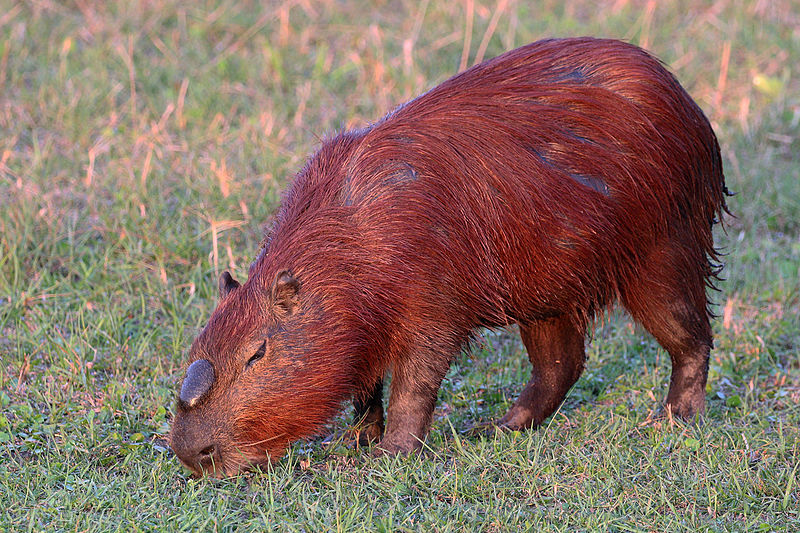
It was this history with guinea pigs that made me interested in learning more about the largest rodent in the world, the South American capybara (Hydrochoerus hydrochaeris). These family-oriented herbivores are found in savannas and forested areas, living in groups of as many as 100 members. They are excellent swimmers and can remain underwater for as long as 5 minutes. In fact, capybara mate only in the water. (Perhaps it’s not surprising then that the South American alligator, the caiman, is one of the capybara’s greatest predators.)
A male capybara, with a scent gland (called a morillo) on his head. Photo by: Charles J Sharp – Own work, from Sharp Photography, sharpphotography, CC BY-SA 4.0.
With their squared-off nose and lack of tail, capybaras actually resemble guinea pigs. However, these oversized cavies weigh as much as 40 pounds. and can reach 24” at the shoulder, the size of an average standard poodle. Guinea pigs, on the other hand, weigh in at 2–3 pounds, and are 3–4” tall.
Their proportions make capybaras 60 times more massive than their closest relatives, rock cavies (Kerodon sp.) and 2,000 times more massive than the common mouse (Mus musculus). This tremendous size difference is why Herrera-Álvarez et al. took a closer look at the capybara, studying its propensity to develop cancer and other tradeoffs that would seem to coincide with its exceptional size.
Today’s article is written by guest blogger Vince Debes, this year’s winner of the Promega Art Contest for Creative Scientists. He will be starting a Master of Science program in Geological Sciences in the School of Earth and Space Explorationat Arizona State University this fall.
It’s incredible how seemingly insignificant actions can lead to major events years down the road. When my partner and I were testing out our new camera shutter remotes in the Grand Tetons on the way to do field work in Yellowstone, I never imagined an image we captured would lead to a grand prize in the Promega Art Contest for Creative Scientists. The four-minute-long exposure was taken at midnight with a full moon and shows the ghostly, almost imperceptible, movements of Colter Bay marina vessels against a backdrop of trailing stars and the stolid Tetons.
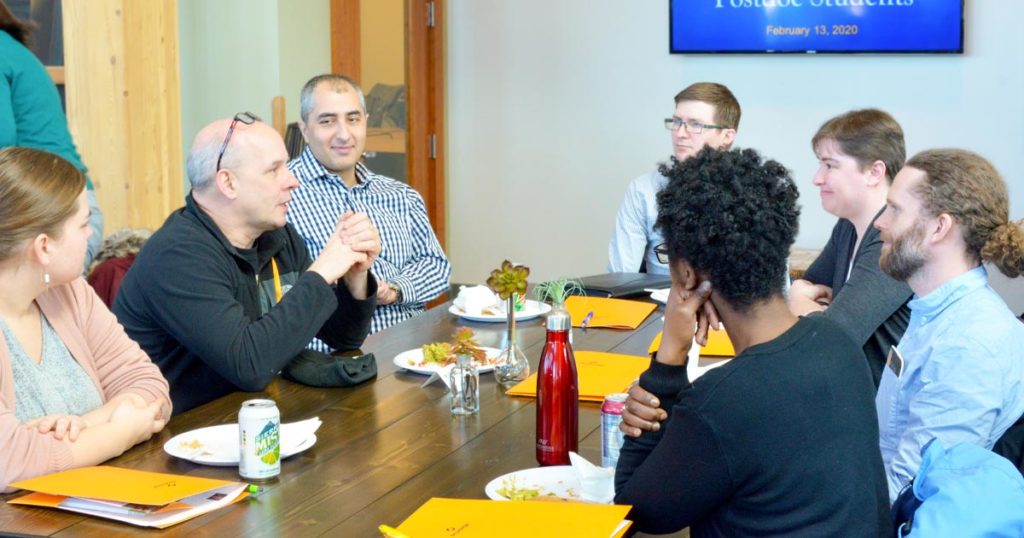
On February 13, 2020, a group of post-docs from the University of Wisconsin – Madison had the opportunity to spend a day at the Promega headquarters in Fitchburg, WI. Throughout the day, the group heard from a list of speakers including Tom Livelli, VP of Life Sciences, and representatives from Technical Services, Sales, R&D and Marketing. The day concluded with a tour of the Feynman Manufacturing Center, where attendees saw production and packing lines, as well as training and QC labs.
“It’s always encouraging as a scientist to hear about how
each person is different and how they’ve had different twists and turns,” says Alexa
Heaton, a post-doc studying immunotherapy interactions in mice. “It’s great to
hear from such a range of people and the different job types I could consider.”
To recap the day, we’ve captured a few of the biggest
takeaways below.
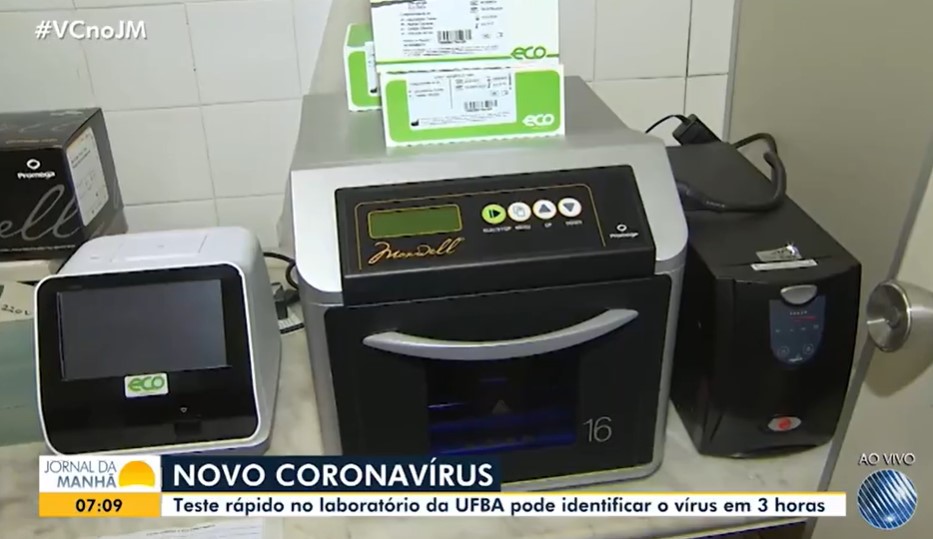
The Virology lab at the Universidade Federal da Bahia (UFBA), led by Dr. Gúbio Soares, has developed a fast and specific real-time PCR assay using GoTaq 1-Step RT-qPCR for detection of SARS-2-CoV (the coronavirus previously named 2019-nCoV), which causes the respiratory disease COVID-19. The Maxwell RSC instrument is used for automated extraction of RNA from oral-pharyngeal secretion collected by swab or bronchial wash prior to the assay. This coronavirus-specific assay can shorten the time to identify SARS-2-CoV from 48 hours to 3 hours (1), providing critical information to public health officials in a timely fashion.
“Promega has been providing all our reagents for standard and real-time PCR and also for nucleic acid extraction. It’s a company I can rely on the relationship; they are our partners and have provided excellent support both technically and financially. Promega is the base of all our assays.” Dr. Gúbio Soares.
Dr. Soares’ laboratory has experience developing assays to identify and detect emerging viral pathogens. Their laboratory first identified the Zika virus as the etiologic agent in the large outbreaks of acute exanthematous illness (AEI) in northeast Brazil in April 2015 (2). Zika was eventually declared a public health emergency of international importance by the World Health Organization in February 2016, after increased incidence of microcephaly was detected in the infants of women infected during pregnancy. Many of the lessons learned in the management of the Zika crisis are informing how scientists are addressing SARS-2-CoV. The Zika response was characterized by a collaborative spirit to share data, samples and resources among scientific labs across the globe.
Today’s blog is written by guest blogger, Kali Denis, an intern in our scientific applications group. You’ll find her bio at the end of the article.
A few months ago, I stood in front of my freezer at home, holding a bag with a tube full of gum that I chewed. The freezer was overflowing, as we had just done our weekly grocery shopping, so I ended up stuffing the bag next to some frozen fish sticks. I wondered how long it would take for one of my roommates to question just exactly what this gross-looking bag was doing in our freezer. I doubt they would have ever guessed that it was for a project at my internship!
The three winners of the 2019 Real-Time PCR Grants have been hard at work in the six months since receiving their grants. Each winner was eligible to receive up to $10,000 in free PCR reagents as well as the opportunity to collaborate with our knowledgeable technical service and training teams.
Abbeah Navasca is a plant pathology researcher with the Tagum Agricultural Development Company, Inc. (TADECO*, Philippines). She is developing treatments for viral infections that affect one of Philippines’ largest and most valuable agricultural exports: bananas. As a result of the qPCR grant, she and two of her colleagues were able to participate in sample preparation and analysis workshops with Promega Technical Services experts in Singapore. During her visit, the team worked through strategies for plant sample preparation and amplified those samples with the GoTaq® 1-Step RT-qPCR System. We had a chance to ask her more before she headed back to her lab.
Later this year, Promega will open a new R&D building with more than twice the current amount of lab space available on the Madison campus. While preparing to move to the new building, R&D scientists are cleaning out decades of scientific history housed in some of the older labs. Meagan Eggers, Promega Strategic Information Partner, is collaborating with the research groups to document and preserve noteworthy artifacts unearthed in the Research & Development Center. Over the next few months, we’ll showcase some of the most interesting things we find.
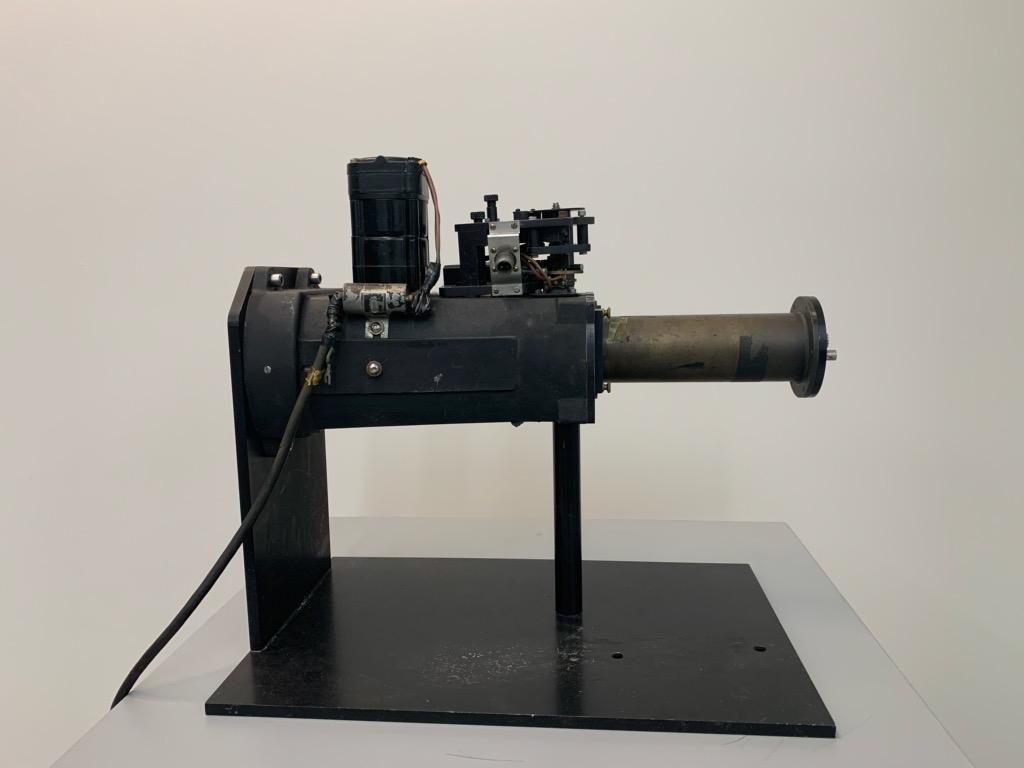
Spectrometer – 1960s-2000
Promega research scientists began investigating bioluminescent proteins in the early 1990s. One of the most important tools in this research was the spectrometer pictured above, which was used to measure the emission spectra of many different organisms. Before it arrived at Promega, however, this spectrometer began in the space program.
Remdesivir (RDV or GS-5734) was used in the treatment of the first case of the SARS-CoV-2 (formerly 2019-nCoV ) in the United States (1). RDV is not an approved drug in any country but has been requested by a number of agencies worldwide to help combat the SARS-CoV-2 virus (2). RDV is an adenine nucleotide monophosphate analog demonstrated to inhibit Ebola virus replication (3). RDV is bioactivated to the triphosphate form within cells and acts as an alternative substrate for the replication-necessary RNA dependent RNA polymerase (RdRp). Incorporation of the analog results in early termination of the primer extension product resulting in the inhibition.
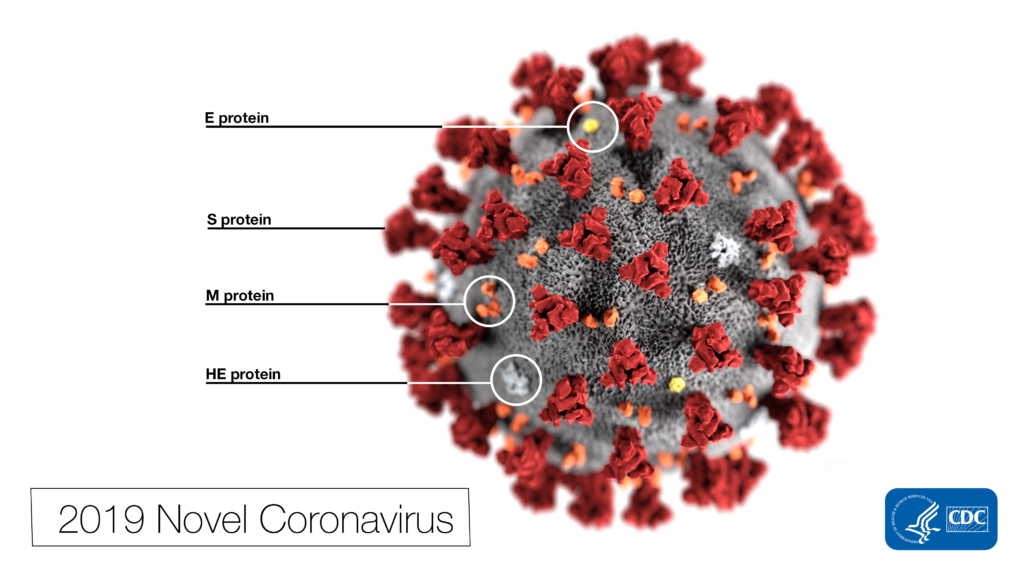
This illustration, created at the Centers for Disease Control and Prevention (CDC), reveals ultrastructural morphology exhibited by coronaviruses. Photo Credit: Alissa Eckert, MS; Dan Higgins, MAM CDC
Why all the interest in RDV as a treatment for SARS-CoV-2 ? Much of the interest in RDV is due to a series of studies performed by collaborating groups at the University of North Carolina Chapel Hill (Ralph S. Baric’s lab) and Vanderbilit University Medical Center (Mark R. Denison’s lab) in collaboration with Gilead Sciences.
XWe use cookies and similar technologies to make our website work, run analytics, improve our website, and show you personalized content and advertising. Some of these cookies are essential for our website to work. For others, we won’t set them unless you accept them. To learn more about our approach to Privacy we invite you to Read More
By clicking “Accept All”, you consent to the use of ALL the cookies. However you may visit Cookie Settings to provide a controlled consent.
We use cookies and similar technologies to make our website work, run analytics, improve our website, and show you personalized content and advertising. Some of these cookies are essential for our website to work. For others, we won’t set them unless you accept them. To find out more about cookies and how to manage cookies, read our Cookie Policy.
If you are located in the EEA, the United Kingdom, or Switzerland, you can change your settings at any time by clicking Manage Cookie Consent in the footer of our website.
Necessary cookies are absolutely essential for the website to function properly. These cookies ensure basic functionalities and security features of the website, anonymously.
Cookie
Duration
Description
cookielawinfo-checbox-analytics
11 months
This cookie is set by GDPR Cookie Consent plugin. The cookie is used to store the user consent for the cookies in the category "Analytics".
cookielawinfo-checbox-functional
11 months
The cookie is set by GDPR cookie consent to record the user consent for the cookies in the category "Functional".
cookielawinfo-checbox-others
11 months
This cookie is set by GDPR Cookie Consent plugin. The cookie is used to store the user consent for the cookies in the category "Other.
cookielawinfo-checkbox-advertisement
1 year
The cookie is set by GDPR cookie consent to record the user consent for the cookies in the category "Advertisement".
cookielawinfo-checkbox-necessary
11 months
This cookie is set by GDPR Cookie Consent plugin. The cookies is used to store the user consent for the cookies in the category "Necessary".
cookielawinfo-checkbox-performance
11 months
This cookie is set by GDPR Cookie Consent plugin. The cookie is used to store the user consent for the cookies in the category "Performance".
gdpr_status
6 months 2 days
This cookie is set by the provider Media.net. This cookie is used to check the status whether the user has accepted the cookie consent box. It also helps in not showing the cookie consent box upon re-entry to the website.
lang
This cookie is used to store the language preferences of a user to serve up content in that stored language the next time user visit the website.
viewed_cookie_policy
11 months
The cookie is set by the GDPR Cookie Consent plugin and is used to store whether or not user has consented to the use of cookies. It does not store any personal data.
Analytical cookies are used to understand how visitors interact with the website. These cookies help provide information on metrics the number of visitors, bounce rate, traffic source, etc.
Cookie
Duration
Description
SC_ANALYTICS_GLOBAL_COOKIE
10 years
This cookie is associated with Sitecore content and personalization. This cookie is used to identify the repeat visit from a single user. Sitecore will send a persistent session cookie to the web client.
vuid
2 years
This domain of this cookie is owned by Vimeo. This cookie is used by vimeo to collect tracking information. It sets a unique ID to embed videos to the website.
WMF-Last-Access
1 month 18 hours 24 minutes
This cookie is used to calculate unique devices accessing the website.
_ga
2 years
This cookie is installed by Google Analytics. The cookie is used to calculate visitor, session, campaign data and keep track of site usage for the site's analytics report. The cookies store information anonymously and assign a randomly generated number to identify unique visitors.
_gid
1 day
This cookie is installed by Google Analytics. The cookie is used to store information of how visitors use a website and helps in creating an analytics report of how the website is doing. The data collected including the number visitors, the source where they have come from, and the pages visted in an anonymous form.
Advertisement cookies are used to provide visitors with relevant ads and marketing campaigns. These cookies track visitors across websites and collect information to provide customized ads.
Cookie
Duration
Description
IDE
1 year 24 days
Used by Google DoubleClick and stores information about how the user uses the website and any other advertisement before visiting the website. This is used to present users with ads that are relevant to them according to the user profile.
test_cookie
15 minutes
This cookie is set by doubleclick.net. The purpose of the cookie is to determine if the user's browser supports cookies.
VISITOR_INFO1_LIVE
5 months 27 days
This cookie is set by Youtube. Used to track the information of the embedded YouTube videos on a website.
Performance cookies are used to understand and analyze the key performance indexes of the website which helps in delivering a better user experience for the visitors.
Cookie
Duration
Description
YSC
session
This cookies is set by Youtube and is used to track the views of embedded videos.
_gat_UA-62336821-1
1 minute
This is a pattern type cookie set by Google Analytics, where the pattern element on the name contains the unique identity number of the account or website it relates to. It appears to be a variation of the _gat cookie which is used to limit the amount of data recorded by Google on high traffic volume websites.