Fighting the COVID-19 Pandemic With Antibody Testing: The Importance of Serological Assays

Today’s blog is written by Ashley G. Anderson, MD, Chief Medical Officer at Promega.

The need for reliable virus detection methods is central to the global response to COVID-19. These test results not only inform health decisions for individual patients, but they also help us build projections of how the virus will spread, which can in turn influence policy decisions.

Following the emergence of COVID-19, PCR-based tests were developed and deployed to detect the virus in patients in hospitals. PCR, or Polymerase Chain Reaction, is a common technique used in labs to amplify large quantities of DNA. The detection tests use swabs placed deep into the back of the nose to detect genetic material carried by SARS-CoV-2, the virus causing COVID-19.

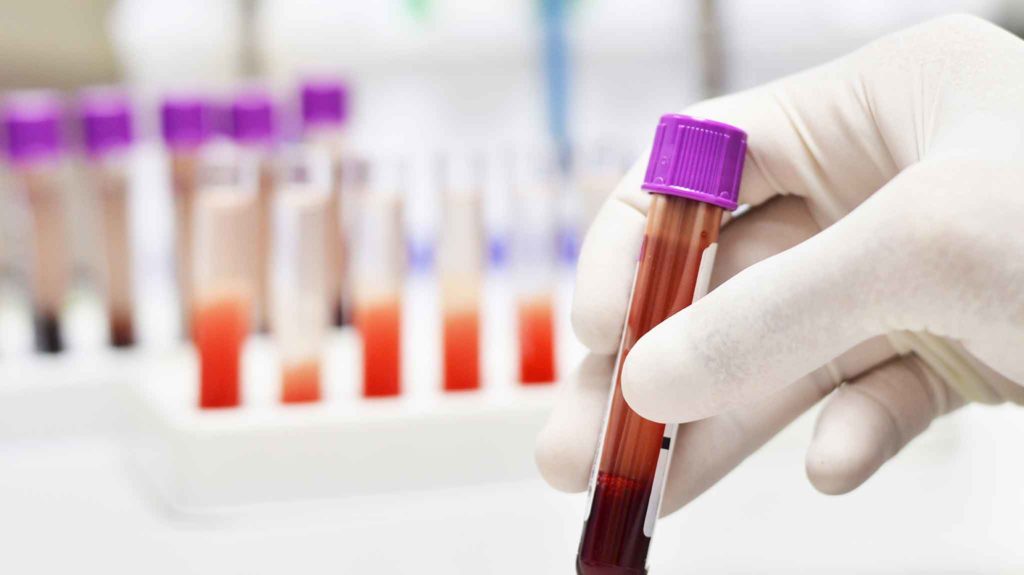
Those tests have been crucial to monitoring infection rates and informing patient treatment, but at this point they have fallen short of providing an overall picture of the pandemic. We know that thousands more cases have likely gone untested due to mild or unnoticed symptoms or lack of access to tests. Since PCR-based methods can only tell us if the virus is active in the patient at the time of sample and offer no information about whether a patient has been infected in the past, we currently have no way to determine how many of these unconfirmed cases exist or which patients have recovered. Serological assays are the one of the most promising tools to address that question.

Continue reading “Fighting the COVID-19 Pandemic With Antibody Testing: The Importance of Serological Assays”

Wisconsin’s Public-Private Partnership to Increase COVID-19 Testing Capacity

This blog is written by Sara Mann, General Manger, Promega North America Branch

Promega is part of a new public-private partnership among Wisconsin industry leaders to increase the stateโ€™s laboratory testing capacity for COVID-19. I am pleased to represent Promega in this effort. The valuable insight we at Promega are gaining every day through our participation in this innovative partnership not only benefits Wisconsin labs, it also provides unique understandings about how we can best meet the testing needs of our customers around the world.

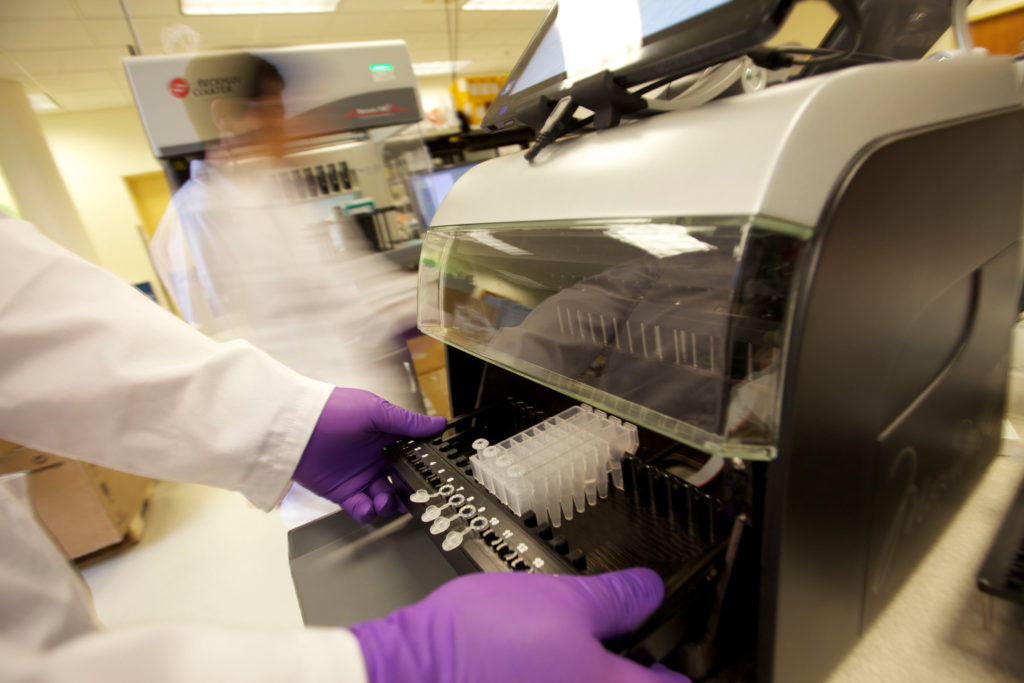
Promega Maxwell Instrument shown in a laboratory.

The new partnership includes laboratory support from Exact Sciences, Marshfield Clinic Health System, UW Health, as well as Promega. These organizations, along with the Wisconsin Clinical Lab Network, are sharing knowledge, resources, and technology to bolster Wisconsinโ€™s testing capacity. Our goal is to help labs find the quickest approach to the most tests with their validated methods.

Continue reading “Wisconsin’s Public-Private Partnership to Increase COVID-19 Testing Capacity”

10 Tips to Maintain Physical Distancing in the Lab

Laboratories can be crowded places. We are used to working around other people, tossing ideas back and forth. Dark rooms, cold rooms and large equipment spaces are often shared by several labs. Some labs have shut down completely in response to the COVID-19 pandemic; others, especially those labs doing research around coronavirus biology, testing and detection and drug development are running continually. For those labs, maintaining the recommended 6-foot (2m) distance to help stem the coronavirus pandemic isnโ€™t easy.

At Promega our operations, quality assurance, applications and research and development labs are up and runningโ€”focused on providing as much support as possible to our partners who are studying, diagnosing and developing treatments for COVID-19.  At the same time, we are maximizing the safety of our employees. Here are a few ways we have found to maintain critical distances in our laboratory that might help your lab group stay productive and safe too.

Continue reading “10 Tips to Maintain Physical Distancing in the Lab”

How the SARS-CoV-2 Coronavirus Enters Host Cells and How To Block It

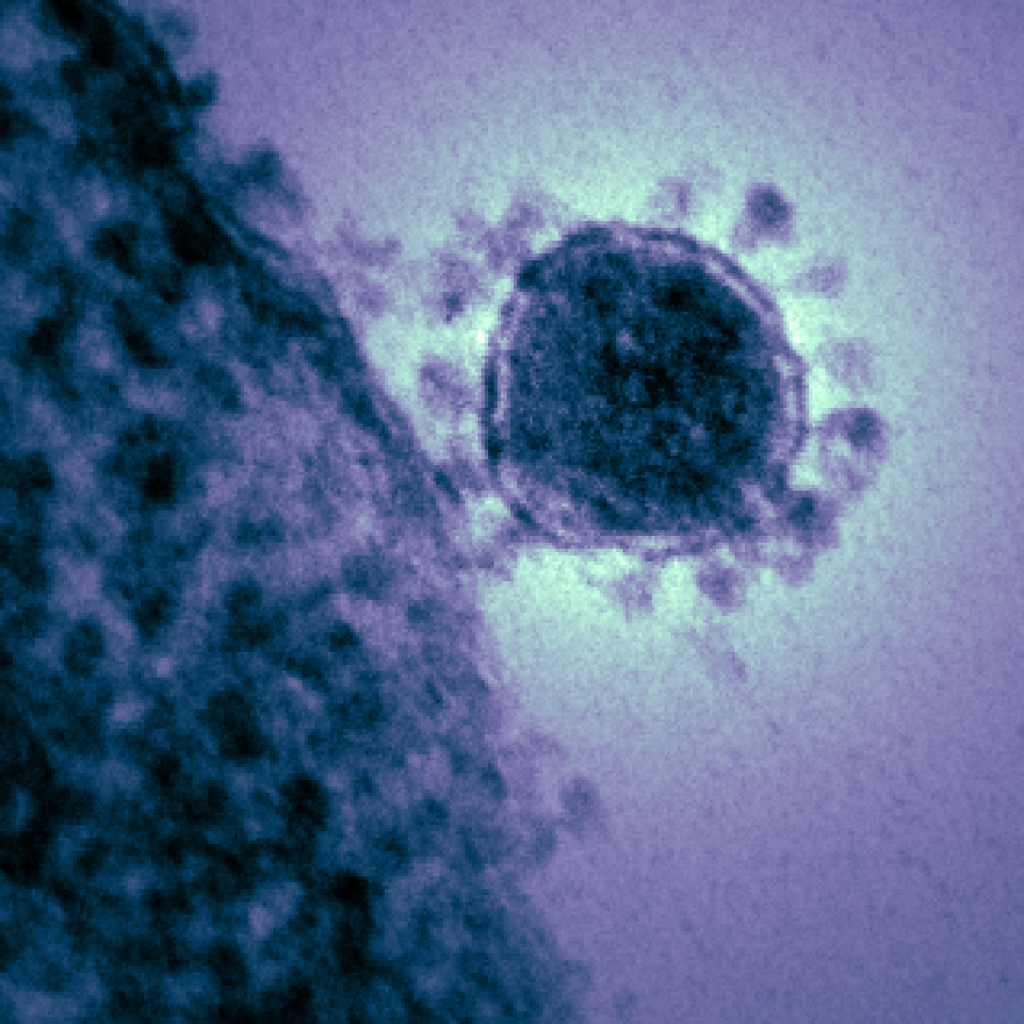
TE micrograph of a single MERS-CoV
Photo courtesy of National Institute of Allergy and Infectious Diseases

In December 2019, a new disease emerged from a seafood market in Wuhan, China. People who were infected began experiencing fever, dry cough, muscle aches and shortness of breath. The disease swept through China like wildfire and quickly spread overseas to almost every continent. We now know the virus that caused this disease, SARS-CoV-2, is a member of the severe acute respiratory syndrome coronavirus, and the disease itself was officially named COVID-19. According to the Johns Hopkins University Coronavirus Resource Center, there are 877,422 confirmed cases of COVID-19 worldwide, and 43,537 total deaths at the publication of this blog. Those numbers are only expected to increase over the next few weeks.

In this moment of crisis, scientists all around the world are desperately trying to find ways to treat and prevent the disease. One strategy for preventing the spread of the virus is to block its entry into human cells. But first we need to understand how SARS-CoV-2 enters human cells. A research group at the German Primate Center led by Dr. Stefan Pohlmann provides some answers in a recent publication in Cell.

Continue reading “How the SARS-CoV-2 Coronavirus Enters Host Cells and How To Block It”

Meeting Customer Needs in Response to Market Dynamics: Responding to the Coronavirus Pandemic

Todayโ€™s blog is written by Chuck York, VP of Manufacturing Operations at Promega.

Coronavirus SARS-2-CoV continues to fuel unprecedented demand for COVID-19 related products. Once a term relegated to virology research labs, โ€œcoronavirusโ€ is now a household term and a global crisis that has upended lives, disrupted entire economies and shaken our sense of normalcy.

Clinicians, researchers, government officials and the general public are understandably concerned about the availability of reagents for coronavirus testing. At Promega, we are hearing the needs and concerns of our scientific colleagues and partners, and we are doing all that we can to help alleviate them.

At Promega, we are hearing the needs and concerns of our scientific colleagues and partners, and we are doing all that we can to help alleviate them.

As a global company with thousands of products, we have been meeting customer demand in response to market dynamics for decades. Our long-term approach has served customers well. Our efforts to provide support for the COVID-19 response began in early January, with our work with our colleagues and customers in China. We are applying what weโ€™ve learned to propel us forward in the most efficient way now.  

We continue to increase production of all COVID-19 related reagents and instruments due to an unprecedented increase in global demand. Production lines that were running one shift 5 days a week are now operating 3 shifts seven days a week, and we continue to take measures to increase our manufacturing capacity.

Continue reading “Meeting Customer Needs in Response to Market Dynamics: Responding to the Coronavirus Pandemic”

RNA Extraction for Clinical Testingโ€”Do Not Try this with Home-brew

This blog was written with much guidance from Jennifer Romanin, Senior Director IVD Operations and Global Service and Support, and Ron Wheeler, Senior Director, Quality Assurance and Regulatory Affairs at Promega.

A Trip Down Memory Lane

Back in the day when we all walked two miles uphill in the snow to get to our laboratories, RNA and DNA extraction were home-brew experiences. You made your own buffers, prepped your own columns and spent hours lysing cells, centrifuging samples, and collecting that fluorescing, ethidium bromide-stained band of RNA in the dark room from a tube suspended over a UV box. Just like master beer brewers tweak their protocols to produce better brews, you could tweak your methodology and become a “master isolater” of RNA. You might get mostly consistent results, but there was no guarantee that your protocol would work as well in the hands of a novice.

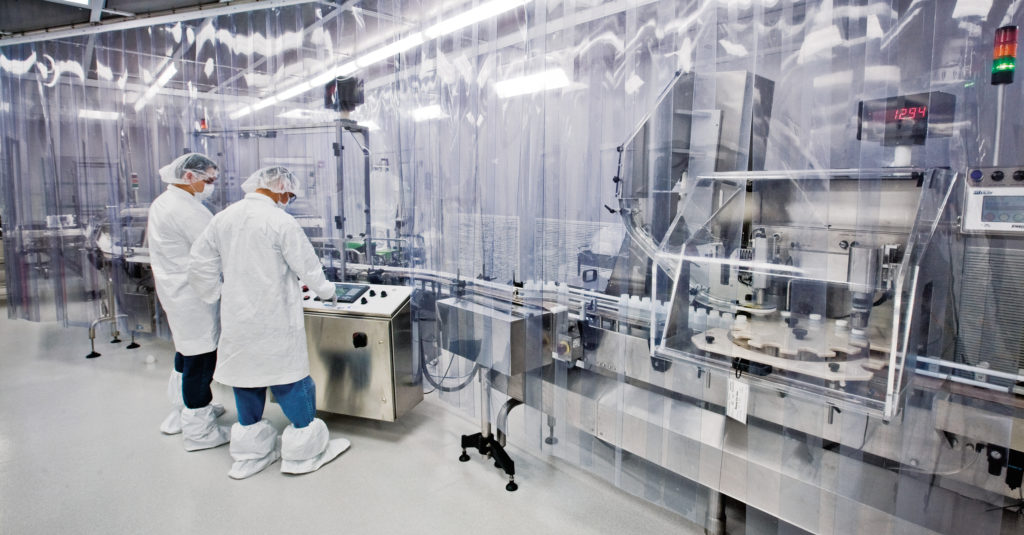
Enter the biotechnology companies with RNA and DNA isolation kitsโ€”kits and columns manufactured under highly controlled conditions delivering higher quality and reproducibility than your home-brew method. These systems have enabled us to design ever more sensitive downstream assays–assays that rely on high-quality input DNA and RNA, like RT-qPCR assays that can detect the presence of a specific RNA molecule on a swab containing only a few hundred cells. With these assays, contaminants from a home-brew isolation could result in false positives or false negatives or simply confused results. Reagents manufactured with pre-approved standard protocols in a highly controlled environment are critical for ultra sensitive tests and assays like the ones used to detect SARS-CoV-2 (the virus that causes COVID-19).

The Science of Manufacturing Tools for Scientists

There are several criteria that must be met if you are producing systems that will be sent to different laboratories, used by different people with variable skill sets, yet yield results that can be compared from lab to lab.

Continue reading “RNA Extraction for Clinical Testingโ€”Do Not Try this with Home-brew”

Which Came First: The Virus or the Host?

They existed 3.5 billion years before humans evolved on Earth. Theyโ€™re neither dead nor alive. Their genetic material is embedded in our own DNA, constituting close to 10% of the human genome. They can attack most forms of life on our planet, from bacteria to plants to animals. And yet, if it wasnโ€™t for them, humans might never have existed.

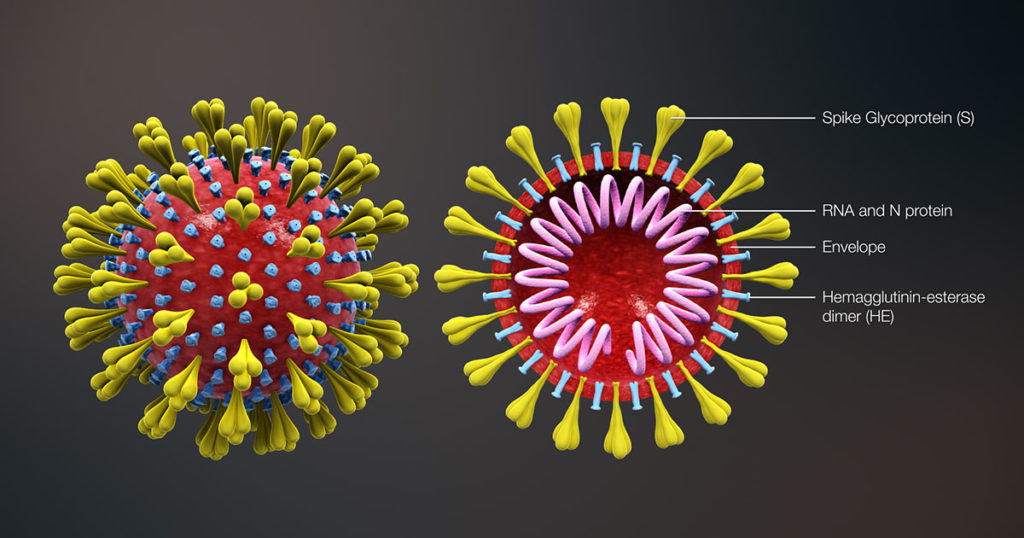
3D structure of a coronavirus, viral evolution
A depiction of the shape of coronavirus as well as the cross-sectional view. The image shows the major elements including glycoproteins, viral envelope and helical RNA. This file is licensed under the Creative Commons Attribution-Share Alike 4.0 International license.

No, thatโ€™s not the blurb for a new Hollywood blockbuster, although recent developments have proven, once again, that truth is decidedly more bizarre than fiction. Now that โ€œcoronavirusโ€ has become a household word, the level of interest in all things virus-related is growing at an unprecedented rate. At the time of writing, coronavirus and COVID-19 topics dominated search traffic on Google, as well as trends on social media. A recent FAQ on this blog addresses many of the questions we hear on these topics.

Continue reading “Which Came First: The Virus or the Host?”

Testing for COVID-19: How it Works

Depending on your viewpoint, source of information and tolerance for risk, this can be a frightening time for persons all over the planet. The level of disruption to daily life that weโ€™re all experiencing due to COVID-19 is unprecedented.

We are all either not working, working from home and away from our normal offices, or in some cases working many more hours to cover for sick coworkers and caring for SARS-CoV-2-infected persons.

But there is good news if you find that information is power. We hope that some information about the testing being used in the US for this novel coronavirus might be fuel for you, empowering in terms of information.

What is the Name of the Virus, and the Disease?
Since this is a global pandemic, the World Health Organization was instrumental in naming the virus and disease. From this web page: the disease is called COVID-19.

The coronavirus responsible for this disease is SARS-CoV-2.

Continue reading “Testing for COVID-19: How it Works”