Bioluminescence and Biotechnology: Shining Nature’s Cool Light on Biology

Imagine youโ€™re taking a refreshing night swim in the warm blue waters of Vieques in Puerto Rico. You splash into the surf and head out to some of the deeper waters of the bay, when what to your wondering eyes should appear, but blue streaks of light in water that once was clear. Do you need to get your eyes checked? Are you hallucinating? No! Youโ€™ve just happened upon a cluster of dinoflagellates, harmless bioluminescent microorganisms called plankton, that emit their glow when disturbed by movement. These dinoflagellates are known to inhabit waters throughout the world but are generally not present in large enough numbers to be noticed. There are only five ecosystems in the world where these special bioluminescent bays can be seen, and three of them are in Puerto Rico. 

Bioluminescent plankton exhibit a blue glow when disturbed.
Bioluminescent plankton in the ocean

But you donโ€™t have to travel to Puerto Rico or swim with plankton to see bioluminescence. There are bioluminescent organisms all over the world in many unexpected places. There are bioluminescent mushrooms, bioluminescent sea creaturesโ€”both large and small (squid, jellyfish, and shrimp, in addition to the dinoflagellates)โ€”and bioluminescent insects, to name a few. Bioluminescence is simply the ability of living things to produce light.

Continue reading “Bioluminescence and Biotechnology: Shining Nature’s Cool Light on Biology”

Exploring the Virtual iGEM Giant Jamboree with iGEM Concordia

Today’s guest blog about the 2020 virtual iGEM Giant Jamboree is written by Lancia Lefebvre, Team Leader of iGEM Concordia.

AstroBio database for differential gene expression

After a year of full-time work, I joined our team of 16 undergraduate students to live-stream the virtual iGEM Giant Jamboree from the isolation of our respective apartments. Together in a separate zoom call and Facebook chat, we fired off messages as awards were announced. โ€˜OMG Toulouse won best poster! Did you see Aachenโ€™s project?โ€™ Then came the Software Track award, our track, and boom! โ€œConcordia-Montreal are the Software Track Winners for iGEM Giant Jamboree 2020!โ€

Firework and heart emojis exploded in our chat and on my zoom call, mouths gaped in shock and pride. Our AstroBio database for differential gene expression in microgravity conditions had won! Innumerable lines of code; hours of consultation with NASA bioinformaticians, bioethicists and coding pros; detailed graphic design; and most of all passionate teamwork had brought us this distinction. A gold medal and an inclusion nomination soon followed. This nomination we hold close to our heart as we continuously collaborate on a safe, warm and welcoming team structure. Supporting each other and working together are core iGEM values, which lead to collaborative and stronger solutions to world problems through the application of synthetic biology solutions.

Continue reading “Exploring the Virtual iGEM Giant Jamboree with iGEM Concordia”

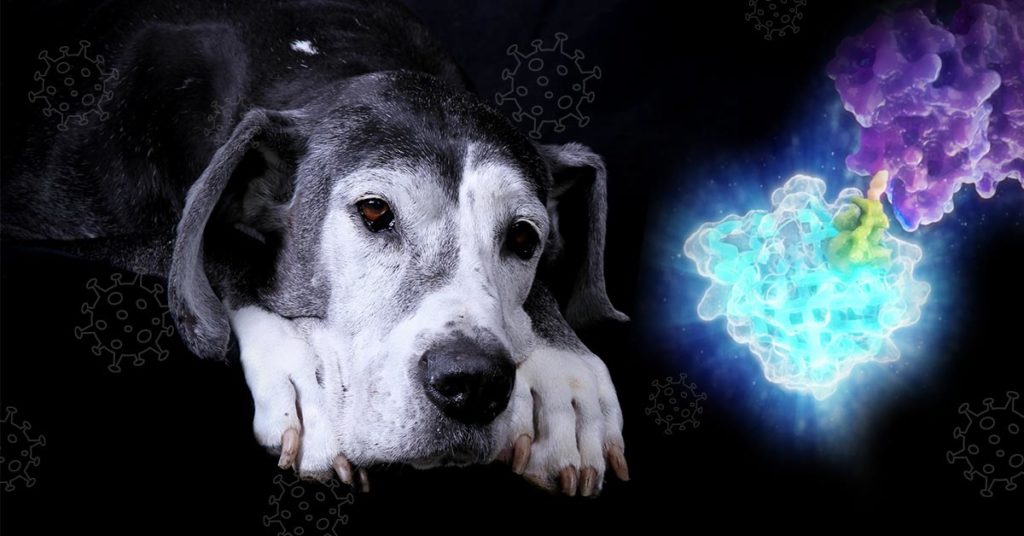
Barking Up the Right Tree: Using NanoLuc to Screen for Canine Distemper Antivirals

Canine distemper virus (CDV) is a highly contagious pathogen that is the etiological agent responsible for canine distemper (CD), a systemic disease that affects a broad spectrum of both domestic dogs and wild carnivores. While there are commercially available vaccines for CDV that can provide immunity in vivo and protect canines from contracting CD, there is a strong demand for effective canine distemper antivirals to combat outbreaks. Such drugs remain unavailable to date, largely due to the laborious, time-consuming nature of methods traditionally used for high-throughput drug screening of anti-CDV drugs in vitro. In a recent study published in Frontiers in Veterinary Science, researchers demonstrated a new tool for rapid, high-throughput screening of anti-CDV drugs: a NanoLucยฎ luciferase-tagged CDV.

Continue reading “Barking Up the Right Tree: Using NanoLuc to Screen for Canine Distemper Antivirals”

Targeting Glioblastoma Cells by Packaging a Lentiviral Vector Inside a Zika Virus Coat

A recent article published in Cancers demonstrates a new method for targeting glial cells using a lentiviral packaging system that incorporated Zika virus envelope proteins. By using the reporter gene firefly luciferase, researchers demonstrated that a pseudotyped virus could infect cultured glioblastoma cells.

Introduction

Viruses enjoy a fearsome reputation. SARS-CoV-2 is only the latest infectious agent that has garnered attention by becoming a worldwide pandemic. Even the viral name suggests that SARS-CoV-2 was not the first of its type [SARS-CoV is the virus behind the severe acute respiratory syndrome (SARS) that spread worldwide in the early 2000s]. There are many different families of viruses (e.g., coronavirus for SARS-CoV-2 or lentiviruses for HIV-1) and each show a preference to the cell types they want to infect. By investigating the life cycle of viruses to better understand their mechanisms, researchers can discover new opportunities that may be exploited.

In 2015 and 2016, the virus that concerned health authorities was Zika virus (ZIKV). While this virus generally caused mild disease, the babies of women who were infected during pregnancy were at increased risk for microcephaly and other brain defects. These defects were traced back to Zika virus infecting nerve tissue, specifically, glial cells. This discovery provided an opportunity to explore how Zika virus might affect the brain tumor, glioblastoma multiforme (GMB), especially the glioblastoma stem cells (GSCs) that resist conventional treatment and contribute to the poor prognosis for GMB. Studies suggested that Zika virus infection prolonged survival in animal glioma models and selectively killed GSC with minimal effects on normal cells. In fact, the molecules used by ZIKV to enter cells were predominantly found on tumors, not normal cells. Knowing that the ZIKV envelope proteins prM and E provide the target specificity for glial cells, Kretchmer et al. wanted to explore if ZIKV envelope proteins substituted in lentivirus packaging systems would be able to enter glioblastoma cells.

Continue reading “Targeting Glioblastoma Cells by Packaging a Lentiviral Vector Inside a Zika Virus Coat”

Ramping Up COVID-19 Testing with the Maxwellยฎ HT Viral TNA Kit

COVID-19 testing with Maxwell HT

John Longshore admits that he was not a big Promega customer before the COVID-19 pandemic. His team uses a wide variety of suppliers to assemble the types of testing protocols needed to serve over 50 hospitals. However, when he began to face supply chain disruptions in early 2020, he needed a supplier he could depend on to support the rapid scale-up of COVID-19 testing, and Promega rose to the occasion.

โ€œWhen we started working with Promega for bulk isolation reagents, our ask was, โ€˜Can you supply us with 15,000 isolation reagents per week?โ€™โ€ John says. โ€œThe answer was yes, and we have gotten everything weโ€™ve asked for on the dates that it was promised.โ€

Continue reading “Ramping Up COVID-19 Testing with the Maxwellยฎ HT Viral TNA Kit”

Adenoviral Vector Vaccines for COVID-19: A New Hope?

The global war against the coronavirus that causes COVID-19 rages on, spearheaded by efforts to develop effective and safe vaccines. At the time of writing, over 100 COVID-19 vaccine clinical trials were listed in the clinicaltrials.gov database. Recent attention has focused on mRNA vaccines developed by Pfizer/BioNTech and Moderna. If licensed, they would become the first mRNA vaccines for human use.

Other vaccine development efforts are relying on more conventional techniquesโ€”using an adenoviral vector to deliver a DNA molecule that encodes the SARS-CoV-2 spike (S) protein. Examples of these adenoviral vector vaccines include the vaccines from Oxford University/AstraZeneca (the UK), Cansino Biologics (China), Sputnik V (Russia) and Janssen Pharmaceuticals/Johnson & Johnson (the Netherlands and USA).

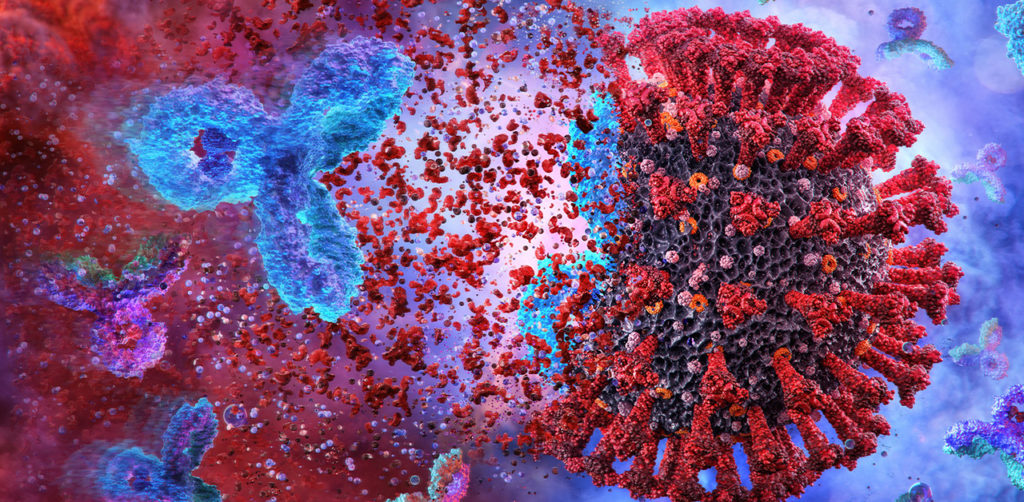
sars-cov-2 coronavirus covid-19 infection with antibodies from a vaccine attacking the virus; several vaccines are in development including adenoviral vector vaccines
Continue reading “Adenoviral Vector Vaccines for COVID-19: A New Hope?”

Automation Helps A Graduate Student Monitor COVID-19 With Wastewater

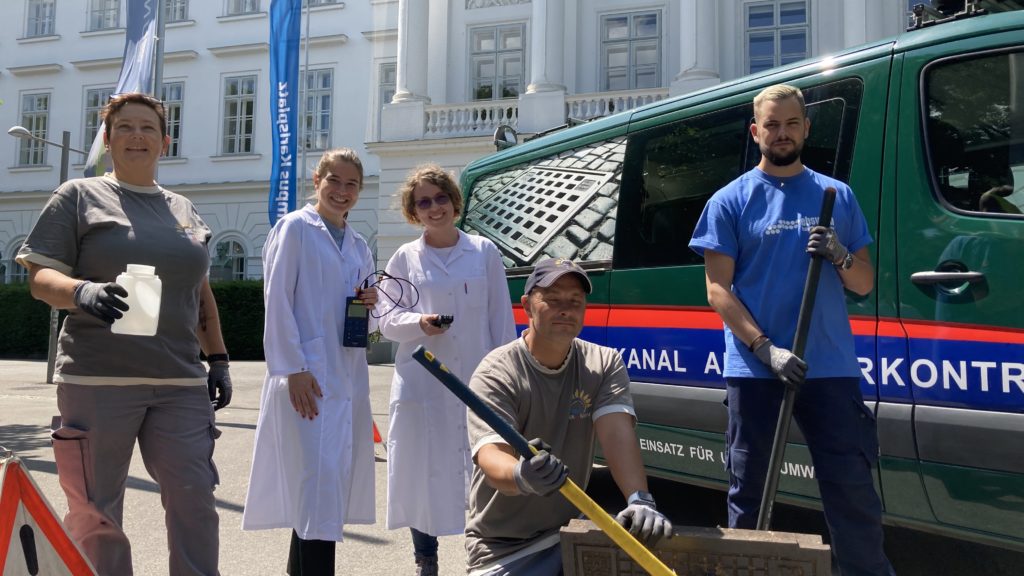
Kasia Slipko (middle) and her lab at Vienna University of Technology. She and colleagues are exploring using wastewater to monitor viral disease outbreaks.

When Kasia Slipko started graduate school at Vienna University of Technology, Institute for Water Quality and Resource Management, she was interested in studying antibiotic resistant microbes in wastewater. For three years, she evaluated different wastewater treatment methods to find out how to remove antibiotic resistant bacteria. But in the spring of 2020, her research took an unexpected turn. That was when the COVID-19 global pandemic hit, caused by the rapid spread of the SARS-CoV-2 virus. Kasia soon found herself at the forefront of another exciting field: using wastewater to monitor viral disease outbreaks.

Continue reading “Automation Helps A Graduate Student Monitor COVID-19 With Wastewater”

Adapting Holiday Traditions: COVID, Customs and Cookies at Promega

Adaptation: In biology and ecology, the process or state of adjusting or changing to become more suited to an environment.    

Holiday traditions are certainly taking new forms this year as we all determine how to safely celebrate during a pandemic. It goes without saying that itโ€™s been a tough year. Customs and rituals, large and small, bring peace and comfort. We need those more than ever now, so the challenge becomes finding new ways to honor valued traditions.

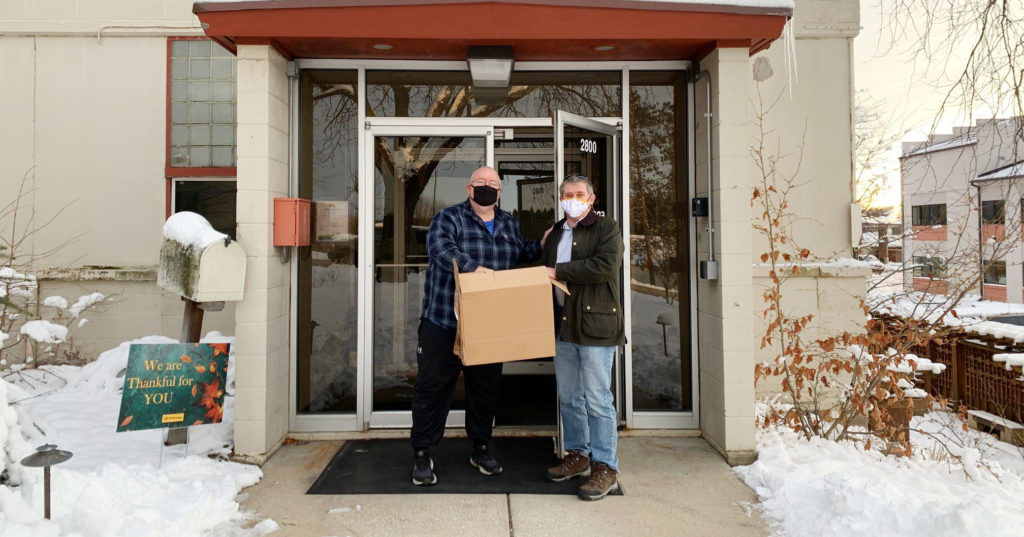
Chuck York, VP Manufacturing delivers individually packaged cookies to R&D Scientists on the Promega Madison Campus, adapting this holiday tradition to the life during a pandemic.
This year’s cookie delivery happened with a twist. Chuck York, VP Manufacturing delivers individually packaged cookies to R&D Scientists on the Promega Madison Campus.

Today, we would like to share how one dearly held Promega Madison tradition was able to endure in our COVID-19 world. Adaptation is key. And butter and sugar help, too.

Elaine Day

Promega employees this week were surprised and deeply moved to find that their beloved โ€œElaine Dayโ€ had not become yet another casualty of the pandemic.

โ€œThis has been such a difficult year,โ€ says Senior QA Scientist Sue Wigdal. โ€œI had assumed, sadly, that Elaine Day would be cancelled, but to be able to have it and all the thoughtfulness and deliciousness that it brings, was amazing.โ€  

Continue reading “Adapting Holiday Traditions: COVID, Customs and Cookies at Promega”

SARS-CoV-2 Nucleocapsid Protein and PA28ฮณ: A Role in Pathogenesis?

The SARS-CoV-2 nucleocapsid protein accounts for the largest proportion of viral structural proteins and is the most abundant protein in infected cells. Nucleocapsid proteins have the job of “packaging” the viral nucleic acid (in this case, RNA). Viral nucleocapsid proteins can also enter the host nucleus and interact with a variety of host proteins to interfere with critical processes of the host cell, including protein degradation. Here we review a study that used an in vitro protein degradation assay to investigate the interaction of the SARS-CoV-2 nucleocapsid protein and the proteasome activator PA28ฮณ.

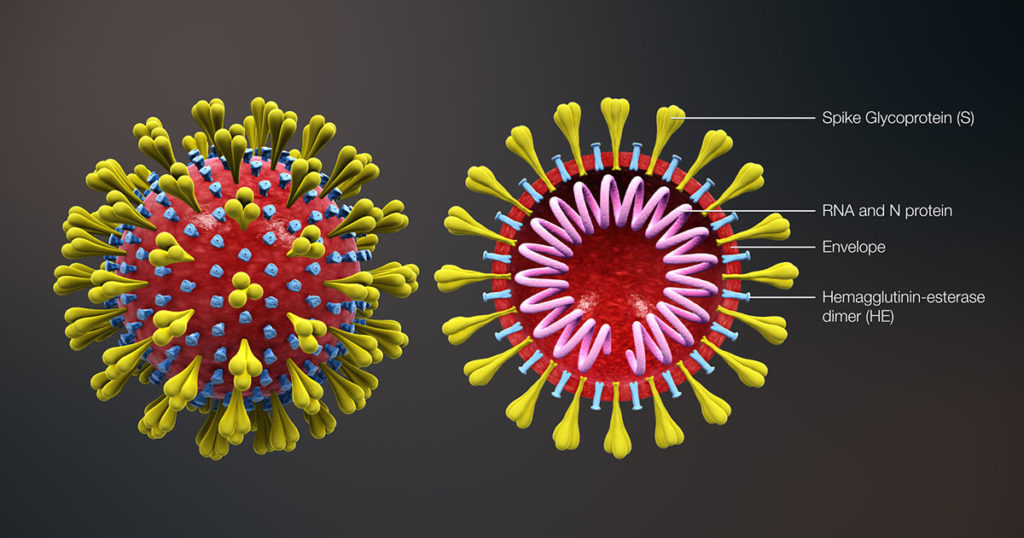
SARS-CoV-2 structural diagram, showing the SARS-CoV-2 nucleocapsid protein composed of RNA and N protein.

In SARS-CoV-2 infections, the nucleocapsid protein is critical for infection, replication and packaging. The SARS-CoV-2 nucleocapsid protein is not only localized in the cytosol of the host cell but also is translocated into the nucleus. There, it interacts with various cellular proteins that modulate cellular functions, such as the degradation of unneeded or damaged proteins by proteolysis. Researchers have proposed that the protein degradation system plays an important part in coronavirus infection (1).

Continue reading “SARS-CoV-2 Nucleocapsid Protein and PA28ฮณ: A Role in Pathogenesis?”

How A New SARS-CoV-2 Wastewater Testing Kit is Helping Campuses Reopen

The fall of 2020 was like no other, especially for universities. The COVID-19 pandemic hit most of the world in the spring, forcing schools and businesses to close. For months, people worked from home and schools switched to online classes. When fall came, universities had a difficult decision to make. Do they have students and staff come back to campus for in-person classes? With students living together in close proximity in dormitories, an outbreak could quickly get out of hand. How can the university monitor and control the spread of the virus to ensure everyoneโ€™s safety?

This was when Robert Brooks started getting calls. Heโ€™s the Technical Director and Operations Manager at Microbac Laboratories in Oak Ridge, Tennessee. Microbac is a network of privately owned laboratories that provide testing services for food products, environmental samples and the life science industry. Robert has been in the lab industry for 25 years and has established a reputation for taking on difficult problems. โ€œWe really try to go that extra mile to help clients solve their issues. That has made a name for us out there. When people have odd-ball issues, they give us a call cause weโ€™re going to take a look at it from a couple different viewpoints and take a step-by-step approach,โ€ he says.

Continue reading “How A New SARS-CoV-2 Wastewater Testing Kit is Helping Campuses Reopen”