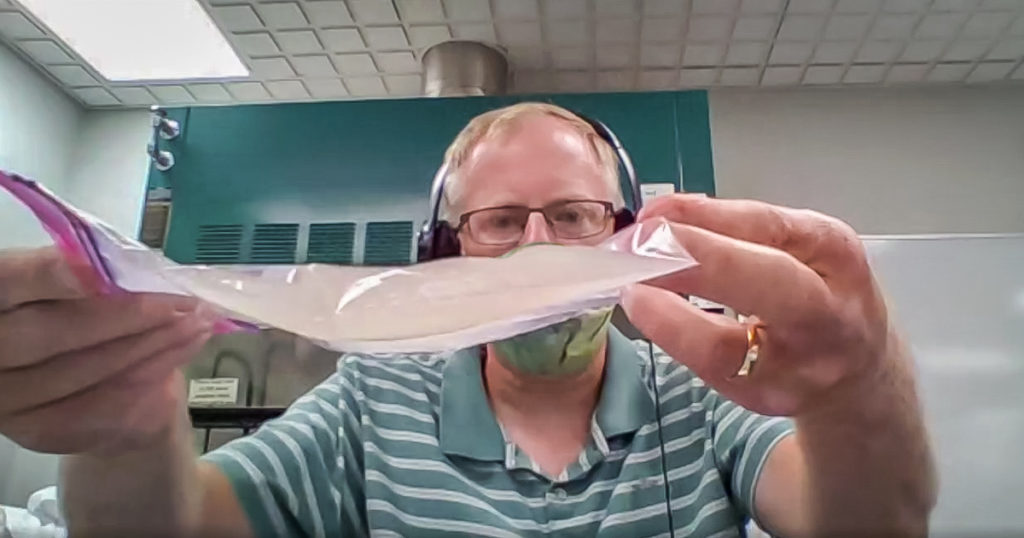
The 2020 Promega Award for Biochemistry ceremony was a bit different this year. Promega Beijing typically announces the award recipients in a ceremony at the biannual meeting of the Chinese Society of Biochemistry and Molecular Biology (CSBMB). As a result of the COVID-19 pandemic, the 2020 conference was moved online. Despite the unusual circumstances, Promega Beijing held a virtual ceremony to grant the award to Dr. Peng Chen and Dr. Haitao Yang.
On August 6, 2020, the first successfully cloned Przewalski’s horse was born at the Texas-based veterinary facility, Timber Creek Veterinary, along with a new hope for restoring some much-needed genetic diversity to the species. The successful birth of this foal is the culmination of the collaborative efforts between Revive & Restore, San Diego Zoo Global (SDZG), and ViaGen Equine, and lays the groundwork as an important model for future conservation efforts.
Kurt at Timber Creek Veterinary, 09/28/20. Photo by Scott Stine.
The new Przewalski’s foal (pronounced “shuh-VAL-skees”) has been affectionately dubbed Kurt, in honor of noted animal conservationist, geneticist and pathologist, Dr. Kurt Benirschke. Dr. Benirschke played an instrumental role in founding the Frozen Zoo®, a genetic library comprised of cryopreserved cell lines of endangered species. Established in the 1970s, this collection was built on a foundation of prescient hope, banking on the future development of reproductive and cloning technologies that did not yet exist.
Now thanks to his foresight, that gamble is paying off and the fruits of that labor are literally being brought to life almost 50 years later through Kurt the foal, who is as adorable as he is important to the future of his kind.
The truth is that much of what we were told in the early days of the COVID-19 pandemic was not entirely accurate. Many of the messages in the United States and other countries implied that the disease was “mild” for anyone who was not elderly or did not have a pre-existing respiratory condition. We were told the main symptoms were fever, coughing and difficulty breathing. It would be like a bad cold.
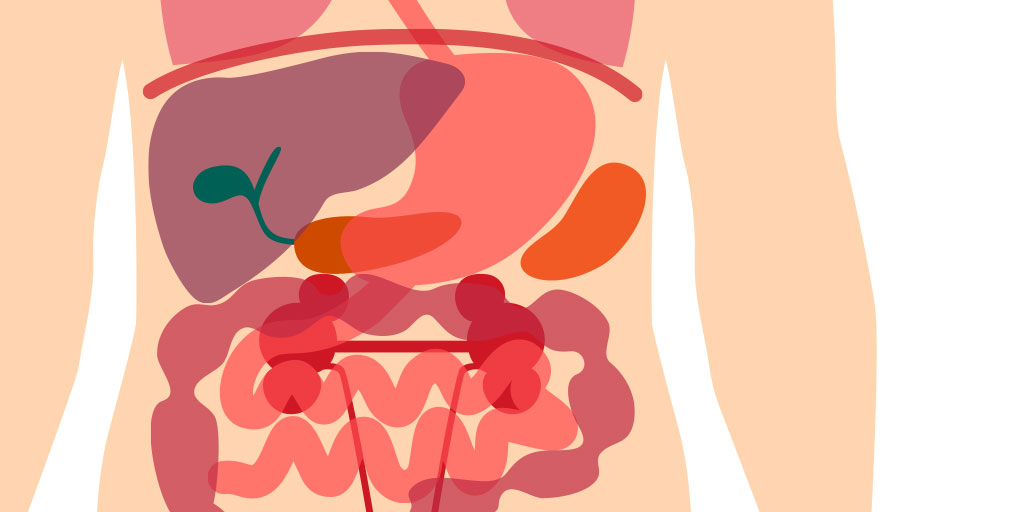
None of that is false. Data still shows that elderly individuals and those with pre-existing conditions are the most likely to experience severe disease. However, over the past few months we have seen how the SARS-CoV-2 virus can present serious complications in almost every organ system, and how its effects aren’t limited to the most vulnerable populations. We have also seen a growing number of cases where individuals are still experiencing life-altering symptoms for months after their supposed recovery.
To gain a full understanding of SARS-CoV-2 and COVID-19, we have to explore every system in the body and track down the causes of all the unexpected clinical presentations of the disease.
Today’s blog is written by Malynn Utzinger, Director of Integrative Practices, and Tim Weitzel, ESI Architect.
Last month we wrote about the first of three pillars of ESI Self-Mastery: Recognizing and Owning What You Already Have/Are/Do. In this blog, we offer some thoughts on the second pillar: continuously growing our ESI knowledge and skill.
Multiple battles are being fought in the war against the SARS-CoV-2 coronavirus that causes COVID-19. Currently, there are nearly 5,000 clinical trials listed in the World Health Organization (WHO) database, either underway or in the recruiting stage, for vaccines and antiviral drugs. The Moderna mRNA vaccine and Janssen vaccine received emergency use authorization (EUA) from the Food and Drug Administration (FDA) and have since been fully approved; the Pfizer-BioNTech Vaccine (marketed as Comiraty) received FDA approval in August 2021.
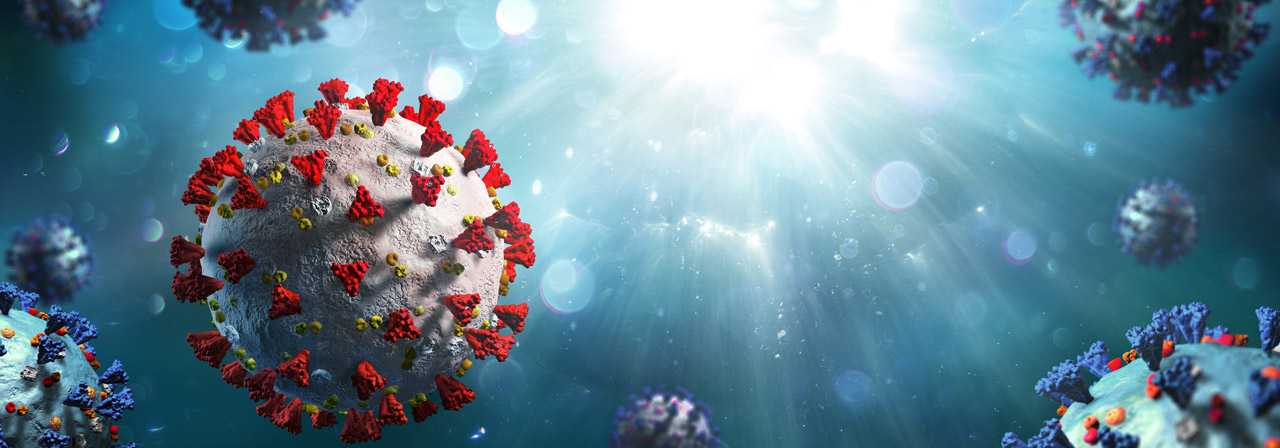
Both the Moderna vaccine and Comiraty are mRNA-based, as opposed to most conventional vaccines against established diseases that are protein-based. Typically, the key ingredient in viral vaccines is either part of an inactivated virus, or one or more expressed proteins (antigens) that are a part of the virus. These protein antigens are responsible for eliciting an immune response that will fight future infection by the actual virus. Another approach is to use a replication-deficient viral vector (such as adenovirus) to deliver the gene encoding the antigen into human cells. This method was used for the coronavirus vaccine developed by Oxford University in collaboration with AstraZeneca; phase 3 interim data were announced on the heels of the Pfizer/BioNTech and Moderna announcements. All three vaccines target the SARS-CoV-2 spike protein, because it is the key that unlocks a path of entry into the host cell.
“Oh, I get by with a little help from my friends.” – The Beatles
And don’t forget family, colleagues, neighbors. And, these days, the chatty checker at the grocery store, the postal carrier who offers a wave, even the guy who makes oh-so-brief eye contact at a stoplight. We’re all getting by with a little help from anyone who will offer it.
Care. Support. Help! We provide and receive these gifts throughout our entire lives. The pandemic, however, has prompted many of us to feel the weight of their importance more than ever. We simply need one another to get by. Lending someone a helping hand can be tremendous therapy, too. Today we pause to appreciate three distinct ways our Promega community is supporting colleagues in times of need.
Since the COVID-19 pandemic swept the world in early 2020, many scientists in the viral research community have shifted their focus to study the SARS-CoV-2 coronavirus. Dr. Colleen Jonsson is one of them. She’s the Director of the Regional Biocontainment Laboratory, and Director of the Institute for the Study of Host-Pathogen Systems at the University of Tennessee Health Science Center (UTHSC) in Memphis.
Dr. Jonsson has been studying highly pathogenic human viruses for more than three decades. She has led several cross-institutional projects using high-throughput screens to discover small molecule antiviral compounds that could be used as therapeutics. And now, she’s using that experience to find an antiviral therapeutic against SARS-CoV-2.
In the latter months of the year, the holiday season brings lots of gifts, packages, and deliveries. One of the best ways to spread holiday cheer and connect with one another is to reduce, reuse, and recycle packaging material. Doing so will benefit the gift that keeps on giving—our planet.
The question is, what’s the best way to reduce, reuse, and recycle the materials used for gifting? First, it’s important to know which gifting material is recyclable and which is not recyclable.
This post is written by guest blogger, Peter Kritsch MS, Adjunct Instructor BTC Institute.
When I was in the middle of my junior year in high school, my family moved. We had lived in the first state for 12 years. I had gone to school there since kindergarten. Although it wasn’t a small district, I knew everybody and, for better or worse, everybody knew me. Often the first reaction I get when I tell people when we moved is that it must have been hard to move so close to graduation. The reality is . . . it really wasn’t. In fact, it was quite liberating. See, I didn’t have to live up to anybody else’s expectations of who I was based on some shared experience in 2nd grade. I had the opportunity to be who I wanted to be, to try new things without feeling like I couldn’t because that wasn’t who I was supposed to be.
As long as I refrained from beginning too many sentences with “Well at my old school . . . “ people had to accept me for who I was in that moment, not for who they perceived me to be for the previous 12 years. Now, the new activities were not radically different. I still played baseball and still geeked out taking AP science classes, but I picked up new activities like golf, playing basketball with my friends, and even joined the yearbook. I know . . . “radically different.” The point is that the new situation allowed me to try something new without worrying about what had always been.
Peter teaches about biofuels in his virtual classroom.
The pandemic has forced a lot of us to move our classrooms online. In a short period of time, everything changed about how education was done. Our prior teaching experience, including the experience I had with doing blended learning (ooops . . . “back at my old school”), was helpful to a point. But we quickly found out that being completely virtual was different. And as science teachers, how do you do more than just teach concepts when online? How do you help students to continue engaging in the crucial parts of science – observing, questioning, designing, analyzing, and communicating?
The spike protein of the SARS-CoV-2 virus is a very commonly researched target in COVID-19 vaccine and therapeutic studies because it is an integral part of host cell entry through interactions between the S1 subunit of the spike protein with the ACE2 protein on the target cell surface. Viral proteins important in host cell entry are typically highly glycosylated. Looking at the sequence of the SARS-CoV-2 virus, researchers predict that the spike protein is highly glycosylated. In a recent study, researchers conducted a glycosylation analysis of SARS-CoV-2 proteins using mass spec analysis to determine the N-glycosylation profile of the subunits that make up the spike protein.
Glycans assist in protein folding and help the virus avoid immune recognition by the host. Glycosylation can also have an impact on the antigenicity of the virus, as well as potential effects on vaccine safety and efficacy. Mass spectrometry is widely used for viral characterization studies of influenza viruses. Specifically, mass spec has been used to study influenza protein glycosylation, antigen quantification, and determination of vaccine potency.
XWe use cookies and similar technologies to make our website work, run analytics, improve our website, and show you personalized content and advertising. Some of these cookies are essential for our website to work. For others, we won’t set them unless you accept them. To learn more about our approach to Privacy we invite you to Read More
By clicking “Accept All”, you consent to the use of ALL the cookies. However you may visit Cookie Settings to provide a controlled consent.
We use cookies and similar technologies to make our website work, run analytics, improve our website, and show you personalized content and advertising. Some of these cookies are essential for our website to work. For others, we won’t set them unless you accept them. To find out more about cookies and how to manage cookies, read our Cookie Policy.
If you are located in the EEA, the United Kingdom, or Switzerland, you can change your settings at any time by clicking Manage Cookie Consent in the footer of our website.
Necessary cookies are absolutely essential for the website to function properly. These cookies ensure basic functionalities and security features of the website, anonymously.
Cookie
Duration
Description
cookielawinfo-checbox-analytics
11 months
This cookie is set by GDPR Cookie Consent plugin. The cookie is used to store the user consent for the cookies in the category "Analytics".
cookielawinfo-checbox-functional
11 months
The cookie is set by GDPR cookie consent to record the user consent for the cookies in the category "Functional".
cookielawinfo-checbox-others
11 months
This cookie is set by GDPR Cookie Consent plugin. The cookie is used to store the user consent for the cookies in the category "Other.
cookielawinfo-checkbox-advertisement
1 year
The cookie is set by GDPR cookie consent to record the user consent for the cookies in the category "Advertisement".
cookielawinfo-checkbox-necessary
11 months
This cookie is set by GDPR Cookie Consent plugin. The cookies is used to store the user consent for the cookies in the category "Necessary".
cookielawinfo-checkbox-performance
11 months
This cookie is set by GDPR Cookie Consent plugin. The cookie is used to store the user consent for the cookies in the category "Performance".
gdpr_status
6 months 2 days
This cookie is set by the provider Media.net. This cookie is used to check the status whether the user has accepted the cookie consent box. It also helps in not showing the cookie consent box upon re-entry to the website.
lang
This cookie is used to store the language preferences of a user to serve up content in that stored language the next time user visit the website.
viewed_cookie_policy
11 months
The cookie is set by the GDPR Cookie Consent plugin and is used to store whether or not user has consented to the use of cookies. It does not store any personal data.
Analytical cookies are used to understand how visitors interact with the website. These cookies help provide information on metrics the number of visitors, bounce rate, traffic source, etc.
Cookie
Duration
Description
SC_ANALYTICS_GLOBAL_COOKIE
10 years
This cookie is associated with Sitecore content and personalization. This cookie is used to identify the repeat visit from a single user. Sitecore will send a persistent session cookie to the web client.
vuid
2 years
This domain of this cookie is owned by Vimeo. This cookie is used by vimeo to collect tracking information. It sets a unique ID to embed videos to the website.
WMF-Last-Access
1 month 18 hours 24 minutes
This cookie is used to calculate unique devices accessing the website.
_ga
2 years
This cookie is installed by Google Analytics. The cookie is used to calculate visitor, session, campaign data and keep track of site usage for the site's analytics report. The cookies store information anonymously and assign a randomly generated number to identify unique visitors.
_gid
1 day
This cookie is installed by Google Analytics. The cookie is used to store information of how visitors use a website and helps in creating an analytics report of how the website is doing. The data collected including the number visitors, the source where they have come from, and the pages visted in an anonymous form.
Advertisement cookies are used to provide visitors with relevant ads and marketing campaigns. These cookies track visitors across websites and collect information to provide customized ads.
Cookie
Duration
Description
IDE
1 year 24 days
Used by Google DoubleClick and stores information about how the user uses the website and any other advertisement before visiting the website. This is used to present users with ads that are relevant to them according to the user profile.
test_cookie
15 minutes
This cookie is set by doubleclick.net. The purpose of the cookie is to determine if the user's browser supports cookies.
VISITOR_INFO1_LIVE
5 months 27 days
This cookie is set by Youtube. Used to track the information of the embedded YouTube videos on a website.
Performance cookies are used to understand and analyze the key performance indexes of the website which helps in delivering a better user experience for the visitors.
Cookie
Duration
Description
YSC
session
This cookies is set by Youtube and is used to track the views of embedded videos.
_gat_UA-62336821-1
1 minute
This is a pattern type cookie set by Google Analytics, where the pattern element on the name contains the unique identity number of the account or website it relates to. It appears to be a variation of the _gat cookie which is used to limit the amount of data recorded by Google on high traffic volume websites.