Reflections: King’s College London iGEM 2020, Renervate and Future Prospects

Today’s guest blog about the 2020 virtual iGEM Giant Jamboree is written by Abigail Conner, Co-Team Leader of iGEM King’s College London (KCL).

In October 2019, I returned to London from Boston feeling elated after an unforgettable week at the Giant Jamboree. My team, Capacity, had just won a Silver Medal. I had the privilege of presenting in front of the judges about our work. The Giant Jamboree presented me with a vision of where Synthetic Biology will take us and its potential to radically transform our society for the better. Words cannot describe the deep sense of pride I felt to be a part of this community. For the first time, I felt truly empowered as a young scientist and was hugely inspired by the brilliance of my peers. As a result, I was beyond happy to assume the role of Team Leader of KCLโ€™s 2020 team.

Almost immediately after touching down in the United Kingdom, I began to plan our project. Throughout the recruitment process and setting up applications, Stephanie Avraamidesโ€”the Head of Human Practices in Capacityโ€”joined me in leading the team. As Co-Team Leaders, we would establish Renervate, a team of 19 undergraduate students from various STEM backgrounds, from Nutrition to Biomedical Engineering. Although we were fortunate to have met up in person several times before March, the onset of the COVID-19 pandemic scattered us across the world. Our team members represent sixteen different countries, meaning we had to navigate a range of time zones when working virtually. Despite this, we adapted to the virtual setting and worked tirelessly to develop Renervate. Come November, we would be rewarded for our endurance and commitment. I am thrilled to say that Renervate won a Gold Medal, Best Therapeutics Project, and nominations for Best Model and Best Supporting Entrepreneurship at last yearโ€™s Virtual Giant Jamboree.

Continue reading “Reflections: King’s College London iGEM 2020, Renervate and Future Prospects”
Technical Manuals: A New Look

This blog post was cowritten by Sara Klink and Kari Kenefick.

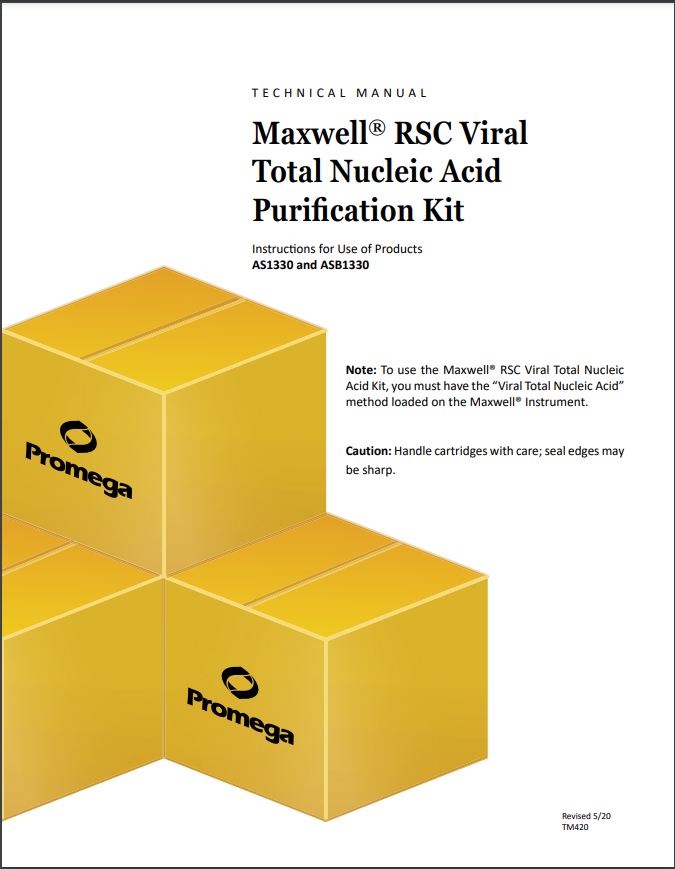
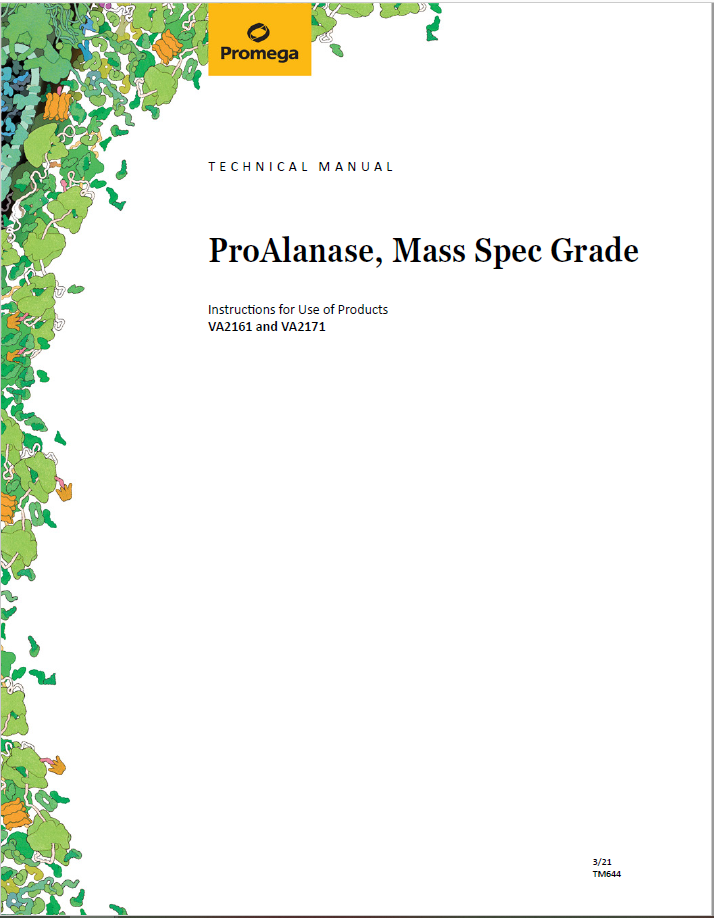
Promega technical manuals have a new look! But never fear, our manuals still contain the protocol instructions for correctly using Promega products and include data, product and component storage information that you need to be successful at the bench. The cover art on our manuals now incorporates the use of imagery created by David Goodsell, which you can also find on our product boxes and at www.promega.com. The new cover image is being applied as we create new technical manuals or revise existing documents. Below are the old (left) and new (right) covers to compare:

Continue reading “Technical Manuals: A New Look”

The Path is Clear: Trypsin Platinum is Here!

Mass spectrometry depends on the successful digestion of proteins using proteases. Many commercially available proteomic-grade trypsins contain natural contaminants that produce non-specific cleavages. Trypsin Platinum, a new protease from Promega provides maximum specificity, giving you cleaner and more conclusive data from mass spec.

Trypsin is typically extracted from bovine or porcine pancreas. In addition to trypsin, both of these sources also contain chymotrypsin. To suppress chymotryptic activity, trypsin is treated with tosyl phenylalanyl chloromethyl ketone, or TPCK, to irreversibly inhibit the chymotrypsin. However, trace amounts of chymotrypsin appear to escape this inhibition and produce non-specific cleavages, as seen in the figure below.

Continue reading “The Path is Clear: Trypsin Platinum is Here!”

HPK1 Identified as Emerging Immuno-oncology Drug Target

Antibody-based immune checkpoint inhibitors remain a major focus of immuno-oncology drug research and development efforts because of their recent success in providing long-term anti-tumor responses. However, the range of response of different tumor types to these drugs is hugely varied. Small molecule kinase inhibitors that block signaling pathways involved in regulation of tumor immunity at multiple points in the “cancer immunity cycle” may provide alternate, effective therapeutics. One kinase that may be a target for such small molecule inhibitors is Hematopoietic Progenitor Kinase 1 or HPK1; the potential of this kinase as a therapeutic target was reviewed by Sawasdikosol and Burakoff (1). HPK1, also known as MAP4K1, is a member of the MAP kinase protein kinase family that negatively regulates signal transduction in T-cells, B-cells and dendritic cells of the immune system.

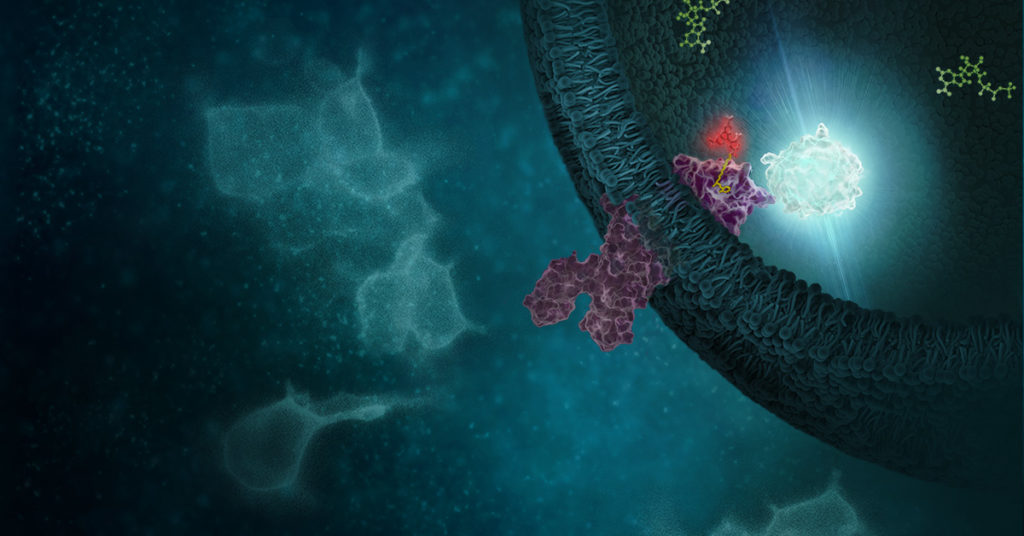
Artist rendering of what target engagement might look like for kinases like HPK1.
NanoBRET™ Target Engagement Assay (artist rendering)
Continue reading “HPK1 Identified as Emerging Immuno-oncology Drug Target”

Firefly Luciferase Sheds Light on Development of New Malaria Treatments

field of fireflies at night; researchers are using firefly luciferase as a tool to power screening assays for new malaria treatments

Despite significant advancements in antimalarial drugs and widespread efforts to prevent transmission over the past decade, deaths from malaria remain high, particularly in younger children. New drugs with novel modes of action are urgently needed to continue reducing mortality and address drug resistance in the malaria parasite, Plasmodium falciparum. While tens of thousands of compounds have been identified as potential candidates through massive screening efforts, scalable methods for identifying the most effective compounds are needed.

The goal is to find a drug that is potent during all stages in the life cycle of P. falciparum and kills the parasite quickly. Focusing on assessing whether a compound can rapidly eliminate initial parasite burden, Paul Horrocks, PhD, and his colleagues developed a validated bioluminescence-based assay that rapidly determines the initial rate of kill for discovery antimalarials. One key to developing their assay was figuring out how to monitor when the parasite dies after introducing the drug. While measuring DNA content can be used to monitor parasite burden, it is too stable to use for a relevant time course assay.

See how Dr. Paul Horrocks uses a firefly luciferase-based system to understand the dynamics of drug action in the development of new malaria treatments.

Enter firefly luciferase, a dynamic reporter tool to investigate drug action. By creating transgenic P. falciparum that express the luc reporter gene, the researchers could monitor drug action over time. When the parasite is killed, it stops making the luciferase reporter. Since there is no new production of luciferase, levels fall quickly after the parasite dies, and a luciferase assay can determine how fast each drug killed the parasite.

Continue reading “Firefly Luciferase Sheds Light on Development of New Malaria Treatments”

Paving New Ways for Drug Discovery & Development: Targeted Protein Degradation

The Dana-Farber Targeted Protein Degradation Webinar Series discusses new discoveries and modalities in protein degradation.

In this webinar, Senior Research Scientist, Dr. Danette Daniels, focuses primarily on proteolysis-targeting chimeras, or PROTACs. A variety of topics are covered including the design, potency, and efficacy of PROTACs in targeted protein degradation. Watch the video below to learn more about how PROTACs are shifting perspectives through fascinating research and discoveries in targeted protein degradation.

Learn more about targeted protein degradation and PROTACS here.

Bioluminescent Sharks Set the Sea Aglow

Many deep sea creatures are bioluminescent. However, before documenting the luminescence of the kitefin shark, Dalatias licha, there has never been a nearly six-foot long luminous vertebrate creature. In a recent study, Mallefet and colleagues examined three species of sharks: Dalatias licha, Etmopterous lucifer, and Emopterus granulosus and documented their luminescence for the first time. These bioluminescent sharks are the largest bioluminescent creatures known.

Researchers studied three species of bioluminescent sharks near the Chatham Islands, New Zealand
Coastline of one of the Chatham Islands, New Zealand
Continue reading “Bioluminescent Sharks Set the Sea Aglow”

COVID-19 Therapies: Are We There Yet?

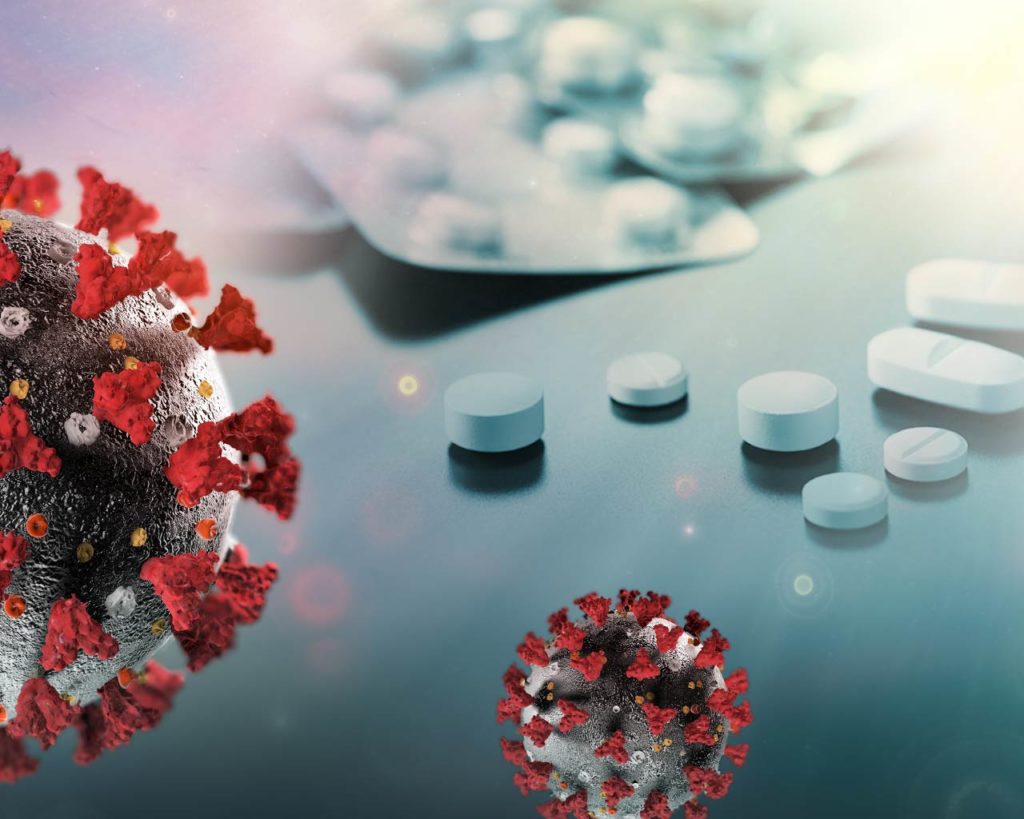
A year after COVID-19 was declared a pandemic, collaborative efforts among pharma/biotech and academic researchers have led to remarkable progress in vaccine development. These efforts include novel mRNA vaccine technology, as well as more conventional approaches using adenoviral vectors. While vaccine deployment understandably has captured the spotlight in the fight against COVID-19, there remains an urgent need to develop therapeutic agents directed against SARS-CoV-2.

COVID-19 therapeutic drugs

In the March 12 issue of Science, an editorial by Dr. Francis Collins, director of the U.S. National Institutes of Health (NIH), examines lessons learned over the past 12 months (1). Collins points out that many clinical trials of potential therapeutics were not designed to suit a public health emergency. Some were poorly designed or underpowered, yet they received considerable publicityโ€”as was the case with hydroxychloroquine. Collins advises developing antiviral agents targeted at all major known classes of pathogens, to head off the next potential pandemic before it becomes one. A news feature in the same issue discusses the current state of coronavirus drug development (2).

The present crop of drug candidates is remarkably diverse, including repurposed drugs that were originally developed to treat diseases quite different from COVID-19. Typically, however, the mainstream candidates belong to two broad classes: small-molecule antiviral agents and large-molecule monoclonal antibodies (mAbs).

Continue reading “COVID-19 Therapies: Are We There Yet?”

Promega Biotech Ibรฉrica Earns Recognition for Contributions to the COVID-19 Pandemic Response in Spain

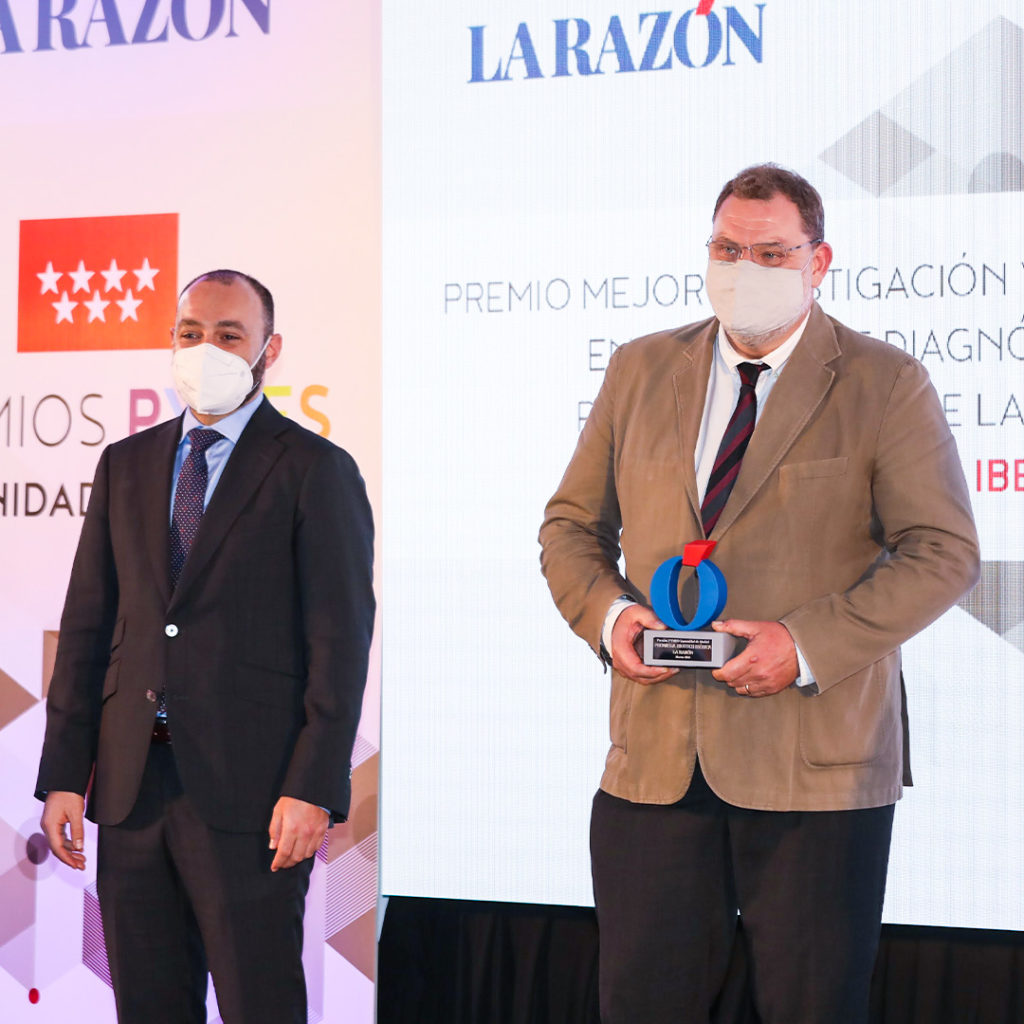
Small- and medium-sized companies are critical to the Spanish economy. During 2020 the COVID-19 pandemic made business difficult for many of these companies, yet they have demonstrated strength and resourcefulness and have led the pandemic recovery in Spain in many ways. Recently, Promega Biotech Ibรฉrica was recognized with a Madrid Community SME (small- and medium-sized business) Award along with 15 other companies. The awards were presented by Manuel Gimรฉnez, Minister of Economy, Employment and Competitiveness of the Madrid Region, Andres Navarro delegate director of La Razรณn, and Francisco Marhuenda, director of La Razรณn. As part of the award, Promega Biotech Ibรฉrica General Manager, Gijs Jochems, was interviewed about the award and Promegaโ€™s work in the region.

Gijs Jochems, General Manager of Promega Biotech Ibรฉrica accepts the Madrid Community SME Award.

According to Gijs Jochems, General Manager of Promega Biotech Ibรฉrica, while Promega Corporation is an American multinational company, it remains privately held, which offers a great deal of flexibility to the subsidiaries to adapt to local needs. It also allows the company to place increased emphasis on employee well-being (critical during the pandemic), reinvest profits in research and development, and work to mitigate the impact of company activities on the environment. All these business practices reflect a long-term vision of sustainable business growth.

Continue reading “Promega Biotech Ibรฉrica Earns Recognition for Contributions to the COVID-19 Pandemic Response in Spain”

Sanitation and World Water Day 2021: What Would You Change about Water in Your Area?

Today, March 22, is World Water Day 2021, recognized by the United Nations and people around the world as a time to focus on the goal of available clean water for all.

United Nations World Water Day 2021 Graphic

Clean water for drinking is essential for our existence. A human can only survive without water for about three days.

While water is essential for life, the need goes beyond simple consumption. As is true of so many things, the COVID-19 pandemic has shown us the need for sanitationโ€”being able to wash our hands, our clothes and ourselves with clean water, being able to rinse foods and a safe means by which to dispose of, or recycle the dirty water afterwards. And, even the need to monitor wastewater to help track infectious disease outbreaks.

World Bank and Sustainable Development Goal #6 (#SDG6)

The World Bank provides an extravagance of data on their sustainable development goal #6, Clean Water and Sanitation, noting the importance of water โ€œfor health, the environment and sustainable developmentโ€.
To add to the needs surrounding water and its scarcity, the World Bank states that:

Despite gains, more than half the world’s people lack access to safely managed sanitation services.

Continue reading “Sanitation and World Water Day 2021: What Would You Change about Water in Your Area?”