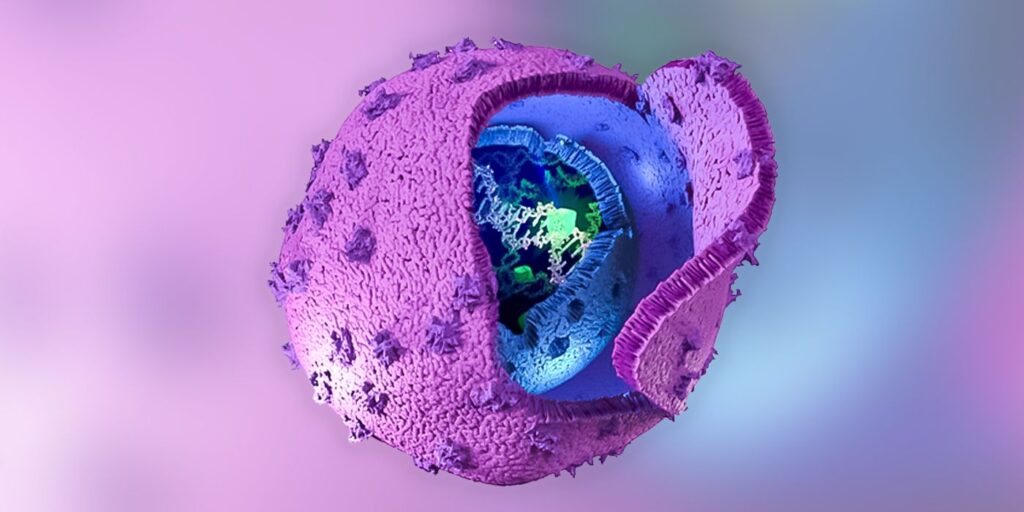
Synthetic Biology: Minimal Cell, Maximal Opportunity

According to the National Human Genome Research Institute, synthetic biology is โ€œa field of science that involves redesigning organisms for useful purposes by engineering them to have new abilitiesโ€. Synthetic biology has a broad range of applications, from manufacturing pharmaceuticals and other biologically active chemicals and biofuels, to accelerating the adoption of plant-based burgers (1).

At the heart of the synthetic biology revolution is the rapid technological advancementโ€”and accompanying drop in costsโ€”of DNA oligonucleotide synthesis. Typically, synthetic biology researchers use oligonucleotides as building blocks to assemble genes of interest that are then introduced into, and expressed by, a different organism. For example, to create the plant-based Impossible Burger, the soy leghemoglobin gene (normally found in the root nodules of leguminous plants) was synthesized and expressed in yeast cells (1). This component gives the burger its meaty flavor and appearance of โ€œbleedingโ€ when cooked.

An Impossible Burger served with fries on the side

Continue reading “Synthetic Biology: Minimal Cell, Maximal Opportunity”
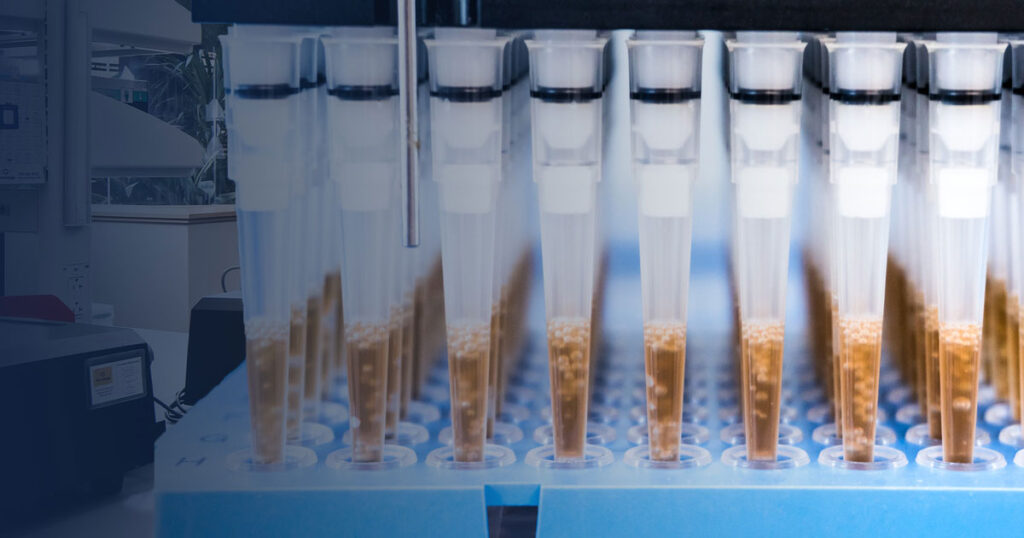
Exploring Instrumentation for Your Lab: Particle Movers vs. Liquid Handlers

There is no ‘One Size Fits All’ solution to lab automation, and finding the right solution for your lab can have a lasting impact on your labs efficiency and data quality.

Some laboratory processes are time-consuming and tedious. Automation highly manual processes such as nucleic acid extraction can increase your labโ€™s throughput and improve the overall consistency of your results. Unfortunately choosing and implementing one of these systems can seem overwhelming. As you begin to evaluate the automation needs of your lab, one of the first decision points is the type of platform you need. Do you need a liquid handler or a magnetic particle mover?

Continue reading “Exploring Instrumentation for Your Lab: Particle Movers vs. Liquid Handlers”

Celebrating Distinguished Scientists and Peer-Reviewed Publications in Promega R&D

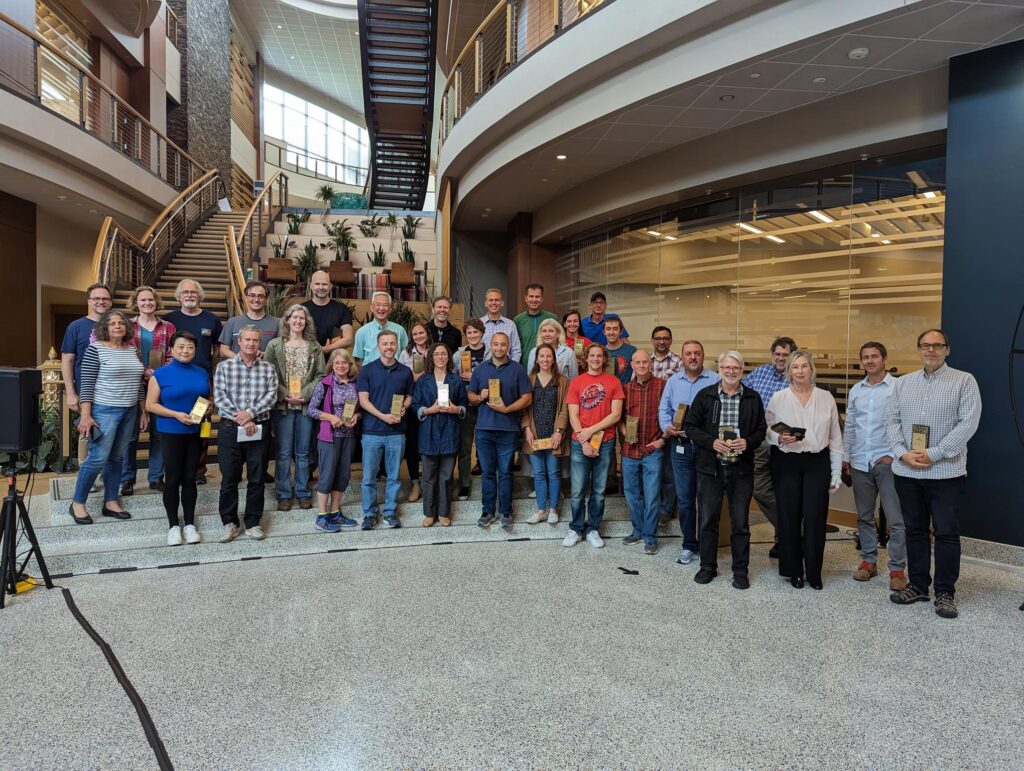
Promega R&D Scientists were recently honored for publishing papers and patents between 2019-2023

โ€œWe are a company that is built upon innovation, and R&D is one of the main drivers of that,โ€ says Frank Fan, Director of Biology at Promega.

Promega Research and Development is focused on developing reliable tools that address the biggest problems facing life scientists. However, our R&D scientists do much more than just develop products. Promega scientists regularly pursue basic research to curate new skills and knowledge and collaborate extensively with researchers across academia and industry. This work fuels major advancements in areas like targeted genome editing, drug discovery, and genetic identity.

In June 2023, our Research and Development department gathered to recognize Promega scientists who have published peer-reviewed papers or patents. This was the first time the department had held this event since 2019, and in that time 71 scientists have published research in journals like Nature and Cell. 16 of those scientists published 10 or more times, and several were also invited to contribute review articles and book chapters.

In addition, Promega also recognized seven researchers with the title โ€œDistinguished Scientist.โ€ This award was intended to recognize scientists who are at the top of their game in both advancing and communicating science. Their work includes protein engineering, chemical biology, neuroscience and much more.

The Distinguished Scientists were selected for having an i10 index above 25 since 2018. This indicates that the scientist has more than 25 publications that have been cited 10+ times in the past five years, as measured by Google Scholar. As VP of R&D Poncho Meisenheimer said, โ€œThis award is truly from the scientific community. This is a recognition that your scientific peers see your work as valuable.โ€

Here is the list of Promega researchers recognized as Distinguished Scientists and some of their recent high-impact papers.

Continue reading “Celebrating Distinguished Scientists and Peer-Reviewed Publications in Promega R&D”

No Horsinโ€™ around with Halal Meat Authentication


Todayโ€™s blog is written by guest blogger, Sameer Moorji, Director, Applied Markets.  

People’s diets are frequently influenced by a wide range of variables; with environment, socioeconomic status, religion, and culture being a few of the key influencers. The Muslim community serves as one illustration of how culture and religion can hold influence over people’s eating habits.

Halal meat on cutting board

Muslims, who adhere to Islamic teachings derived from the Qur’an, frequently base dietary choices on a food’s halal status, whether it is permissible to consume, or haram status, forbidden to consume. With the population of Muslims expected to expand from 1.6 billion in 2010 to 2.2 billion by 2030, the demand for halal products is anticipated to surge (2).

By 2030, the global halal meat market is projected to reach over $300 billion dollars, with Asia-Pacific and the Middle East regions being the largest consumers and producers of halal meat products (3). Furthermore, increasing awareness and popularity of halal meat among non-Muslim consumers, as well as strengthening preference for ethical and high-quality meat, are all contributing to demand.  

Continue reading “No Horsinโ€™ around with Halal Meat Authentication”

2023 Promega iGEM Grant Winners: Tackling Global Problems with Synthetic Biology Solutions

On June 15, 2023, we announced the winners of the 2023 Promega iGEM grant. Sixty-five teams submitted applications prior to the deadline with projects ranging from creating a biosensor to detect water pollution to solving limitations for CAR-T therapy in solid tumors. The teams are asking tough questions and providing thoughtful answers as they work to tackle global problems with synthetic biology solutions. Unfortunately, we could only award nine grants. Below are summaries of the problems this year’s Promega grant winners are addressing.

UCSC iGEM

An immature night heron against the green surface of Pinto Lake. 2023 Promega iGEM Grant Winner, UCSC iGEM seeks to mitigate these harmful aglal blooms.
A night heron hunts on Pinto Lake, California.

The UCSC iGEM team from the University of Californiaโ€“Santa Cruz is seeking a solution to mitigate the harmful algal blooms caused by Microcystis aeruginosa in Pinto Lake, which is located in the center of a disadvantaged community and is a water source for crop irrigation. By engineering an organism to produce microcystin degrading enzymes found in certain Sphingopyxis bacteria, the goal is to reduce microcystin toxin levels in the water. The project involves isolating the genes of interest, testing their efficacy in E. coli, evaluating enzyme production and product degradation, and ultimately transforming all three genes into a single organism. The approach of in-situ enzyme production offers a potential solution without introducing modified organisms into the environment, as the enzymes naturally degrade over time.

IISc-Bengaluru

Endometriosis is a condition that affects roughly 190 million (10%) women of reproductive age worldwide. Currently, there is no treatment for endometriosis except surgery and hormonal therapy, and both approaches have limitations. The IISc-Bengaluru team at the Indian Institute of Science, Bengaluru, India, received 2023 Promega iGEM grant support to investigate the inflammatory nature of endometriosis by targeting IL-8 (interleukin-8) a cytokine. Research by other groups has snow that targeting IL-8 can reduce endometriotic tissue. This team will be attempting to create an mRNA vaccine to introduce mRNA for antibody against IL-8 into affected tissue. The team is devising a new delivery mechanism using aptides to maximize the delivery of the vaccine to the affected tissues.

Continue reading “2023 Promega iGEM Grant Winners: Tackling Global Problems with Synthetic Biology Solutions”

Streamlining Disease Diagnostics to Protect Potato Crops

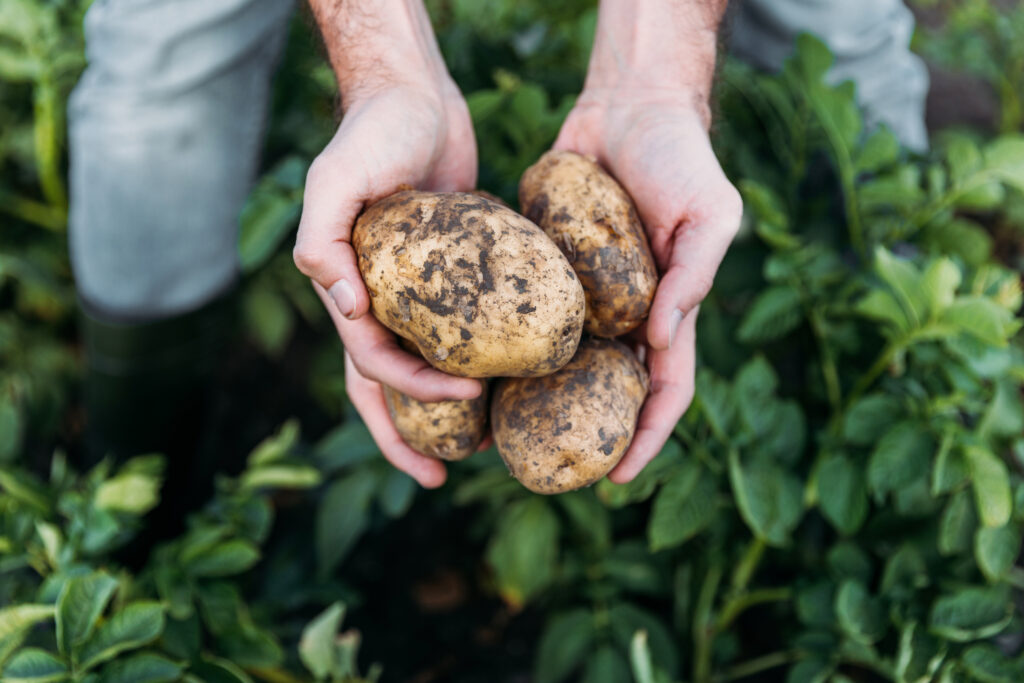
A potato farmer holds a handful of potatoes. Scientists are working to protect potato crops from disease.
The WSPCP works to provide seed potato growers with healthy planting stock

The mighty potatoโ€”the Midwestโ€™s root vegetable of choiceโ€”is susceptible to a variety of diseases that, without proper safeguards, can spell doom for your favorite side dishes. Founded in 1913 and housed in the Department of Plant Pathology at the University of Wisconsin-Madison, the Wisconsin Seed Potato Certification Program (WSPCP) helps Wisconsin seed potato growers maintain healthy, profitable potato crops year-to-year through routine field inspections, a post-harvest grow-out and laboratory testing.

While WSPCP conducts visual inspections for various seed potato pathogens, their diagnostic laboratory testing is primarily focused on viruses such as Potato virus Y (PVY), which can cause yield reduction and tuber defects, along with select bacteria such as Dickeya and Pectobacterium species that cause symptoms like wilting, stem rot and tuber decay.

Continue reading “Streamlining Disease Diagnostics to Protect Potato Crops”

Phage Therapy: Meeting the Challenge of Drug-Resistant Bacterial Infections

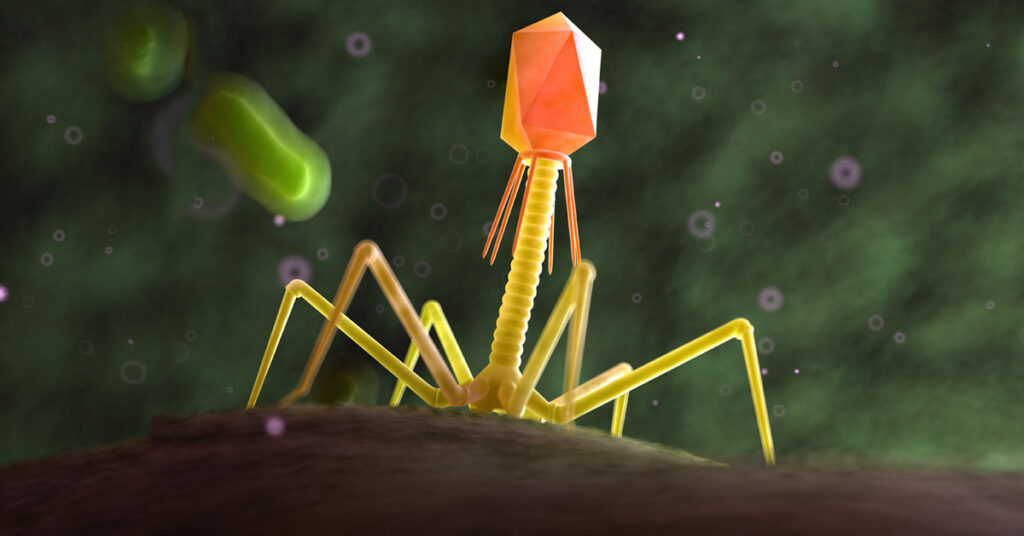
Global pandemics, such as COVID-19, have taught us to abhor viruses. The emergence of new, highly infectious viruses isโ€”rightfully soโ€”a cause for concern. However, despite the average human body harboring 380 trillion viruses, most of them simply coexist with us and are harmless. When it comes to an ancient lineage of viruses within the realm Duplodnaviria, researchers are even using them as weapons in the battle against infectious diseases.

In 1915, Frederick William Twort, an English bacteriologist at the University of London, reported the discovery of an unusual โ€œultramicroscopic virusโ€ (1). Twort was culturing vaccinia virus as part of an experiment to determine if he could prepare smallpox vaccines in vitro. These vaccines, made in calves, were typically contaminated with Staphylococcus bacteria. When Twort plated the vaccines, he found small, clear areas on the agar plates where the bacteria would not grow, and these clear areas were the source of his ultramicroscopic virus. Two years later, a French-Canadian microbiologist, Fรฉlix dโ€™Hรฉrelle, independently discovered a similar phenomenon when culturing Shigella bacteria from fecal samples of patients with bacillary dysentery. He called the new virus โ€œun bactรฉriophage obligatoireโ€ (2). Shortly after his discovery, he found that bacteriophages (phages) could be used as powerful agents to treat a variety of bacterial infections, and the field of phage therapy was born (3).

Continue reading “Phage Therapy: Meeting the Challenge of Drug-Resistant Bacterial Infections”

The Microbial Secrets that Lie within Yellowstone National Park Hot Springs

picture of grand prismatic hot spring; steam rising up from orange and yellow hot springs pools
Grand Prismatic Spring, Yellowstone National Park; Photo Credit: Anna Bennett

Yellowstone National Park โ€”located partially in Idaho, Montana and Wyomingโ€”puts modern volcanic activity on full display. Near boiling, ominous pools of water in the form of geysers, mud pots, fumaroles (vents that release steam) and hot springs are all present and active in the park and visitors flock to the park to view a handful of thermal features every year during the peak summer visitor season. Coincidentally, this is when a large portion of scientific research also takes place at the park. Combining both the boardwalk paths that are open to all who visit the park and the expansive backcountry, Yellowstone is host to over 10,000 thermal features. These thermal features are fed by superheated water that travels through a complex groundwater systemโ€”think the pipes under your kitchen sinkโ€”where subsurface water collects gases and chemical compounds en route to the surface. As a result, near-boiling water that bubbles through to the surface is often rife with chemicals like sulfur, iron or magnesium. Early scientists thought of hot springs as uninhabitable, but as it turns out, these conditions are just the right environment for thermophilic (or โ€œheat-lovingโ€) bacteria to thrive.

Continue reading “The Microbial Secrets that Lie within Yellowstone National Park Hot Springs”

Weโ€™re Committing to 100% Renewable Electricity by 2025

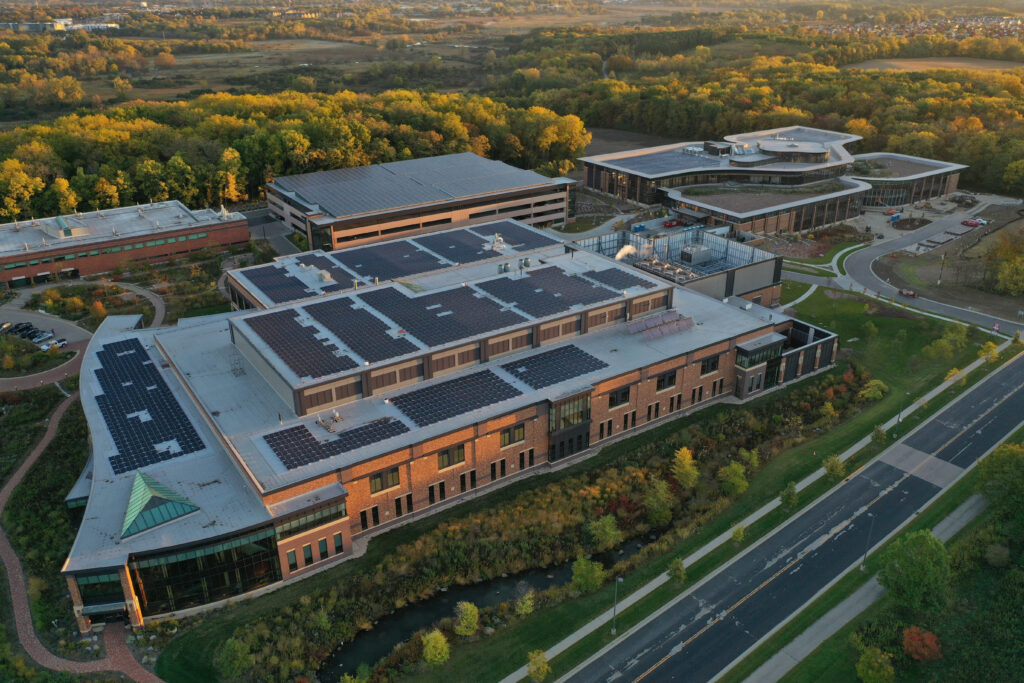
Solar panels on the roofs of Feynman Center, Kornberg Center, and the main Promega Madison parking structure

In 2021, we unveiled our most ambitious sustainability goals ever. These goals include a 50% reduction in carbon emissions by 2030, as indexed to revenue over a 2019 baseline.

In 2022, we announced that renewable sources provided over 20% of our global electricity usage.

This year, Promega is excited to announce that weโ€™re committing to 100% renewable electricity by 2025.

Continue reading “Weโ€™re Committing to 100% Renewable Electricity by 2025”

Supporting CAR-T Cell Therapy with STR Analysis

Engineered T-cell therapies, specifically CAR-T cell therapies, have emerged as a breakthrough treatment for several blood cancers including diffuse large B-cell lymphoma (DLBCL), B-cell acute lymphoblastic leukemia (B-ALL), mantle cell lymphoma, follicular lymphoma, chronic lymphocytic leukemia and multiple myeloma (1). CAR (chimeric antigen receptor) T-cell therapy involves collecting T cells from a patient and re-engineering them to detect and destroy cancer cells.

While these therapies have improved progression-free and overall survival in many cases, their complex manufacturing workflows and rapid expansion into new cancer types have introduced a demand for quality control, identity testing and process traceability (1).

Continue reading “Supporting CAR-T Cell Therapy with STR Analysis”