What Have You Done for Your Bones Lately?

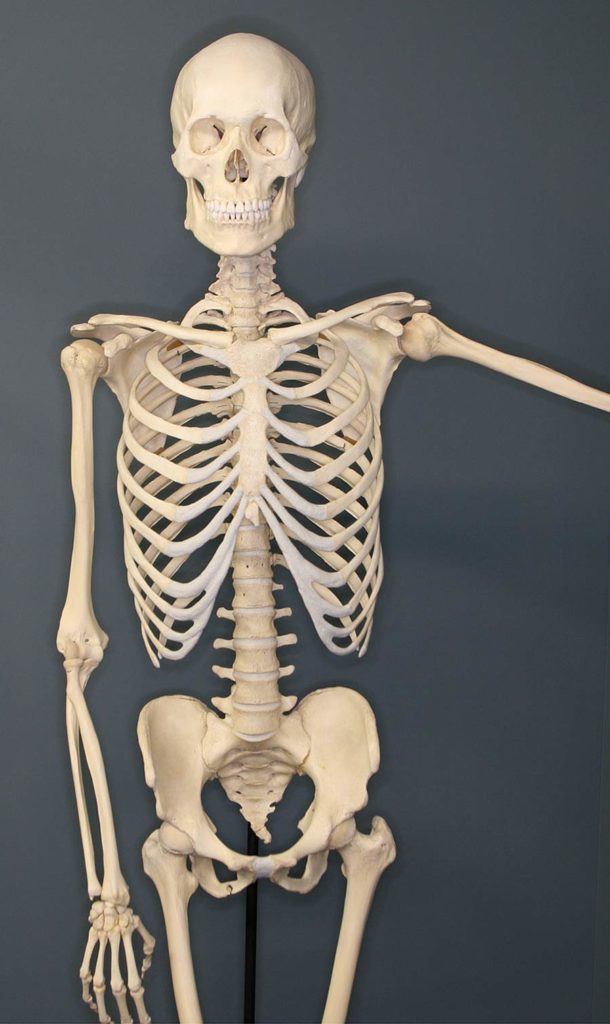
Image of human skeleton, bones.
The many bones in a human. Bone density measurements are typically taken of hip, lower spine and wrist. Photo By Sklmsta, licensed under CC0.

How is your work from home (WFH) exercise routine going? Have you been able to maintain some semblance of a normal exercise routine? Many of us are staying home to avoid potential SARS-CoV-2 infection.

That’s very important. But after six or so months into the pandemic, one starts to consider the impact of not getting more strenuous and varied forms of physical exercise. We frequently think of exercise and itโ€™s effect on muscle tone and heart and lung fitness. But it goes deeper than that. Our bone health is also at risk from lack of exercise.

Bones: Your Newest Tissue
Itโ€™s no secret that our bones are tough, made of minerals like calcium and phosphorous. They help us keep upright, supporting a considerable amount of weight against the force of gravity. Bone also protects organs.

Until recently, little attention has been paid to how metabolically active bone is. Research is now revealing that bone is not simply mineralized scaffolding surrounding bone marrow. Bone is actually a tissue, with vasculature and cells with cilia and dendrites that reach through the bony scaffolding, signaling to other cells. This cellular network, influenced by hormones and other compounds produces new bone, and sometimes reabsorbs existing bone, depending on individual needs and state of health.

Continue reading “What Have You Done for Your Bones Lately?”

More than Gazpacho: Farming the Soil to Sustain the Ecosystem

This post was written by guest blogger, Karen Stakun, Brand Manager at Promega Corporation.

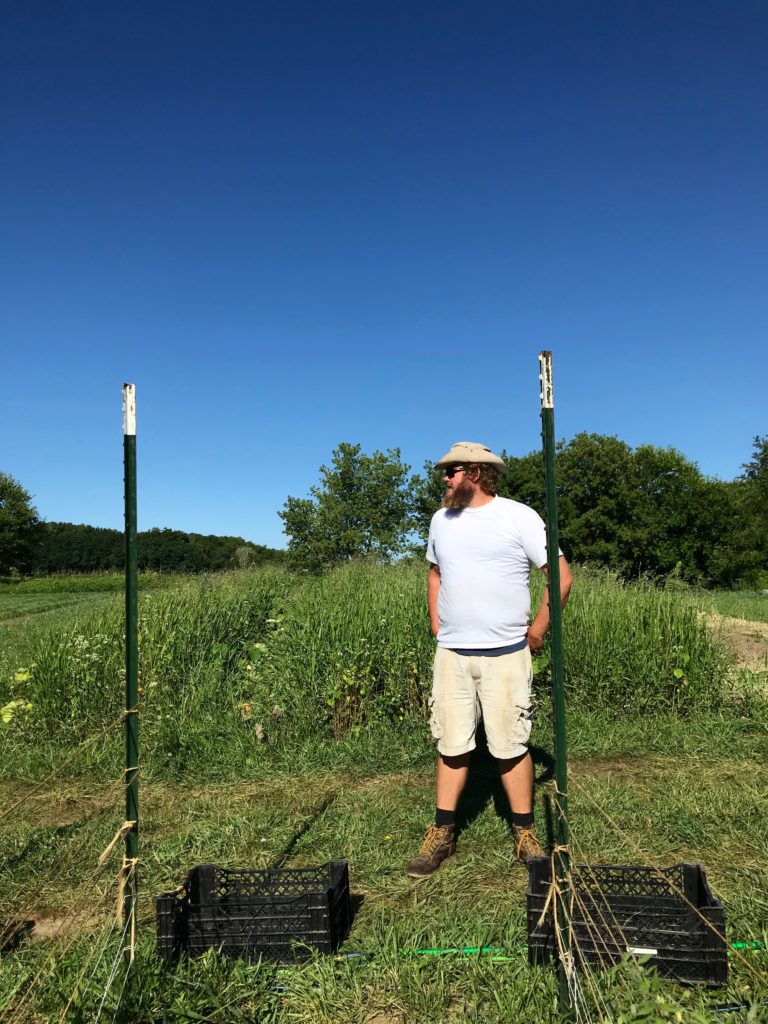
When I arrived at the garden that morning, I was completely focused on the clusters of ripe tomatoes Iโ€™d hoped to see. I was there to take photographs, and the red, ripe fruit was going to be the star of the show. In every direction, there were long rows of plants: raspberries, peppers, okra, cabbage, fennel and kale. A black pickup truck pulled up to the edge of the Promega garden and a pair of well-worn work boots landed hard on the dewy grass. Mike Daugherty introduced himself as a Master Gardener, Master Composter, and member of the Promega culinary services team.

Mike laid out black plastic crates at the end of each row of the tomato garden. There were 700 bed feet of heirloom slicers and paste tomatoes to be harvested. Seduced by the intense red, orange and yellow of the juicy tomatoes, my thoughts immediately drifted to visions of BLTโ€™s, caprese salad and gazpacho soup. As he hand-carried 3 or 4 tomatoes at a time and laid them in the crates, Mike called my attention to all the other things that were going on around the fruit.

Continue reading “More than Gazpacho: Farming the Soil to Sustain the Ecosystem”

Lessons in History, Hope and Living with Lynch Syndrome from the “Daughter of Family G”

Lynch Syndrome is the autosomal dominant hereditary predisposition to develop colorectal cancer and certain other cancers. This simple, one sentence definition seems woefully inadequate considering the human toll this condition has inflicted on the families that have it in their genetic pedigree.

They Called it a Curse

To one family, perhaps the family when it comes to this condition, Lynch Syndrome has meant heartache and hope; grief and joy; death and life. Their story is told by Ami McKay in her book Daughter of Family G, and it is at once both a memoir of a Lynch Syndrome previvor (someone with a Lynch Syndrome genomic mutation who has not yet developed cancer) and a poignant and honest account of the family that helped science put name to a curse.

โ€œThe doctors called it cancer. I say itโ€™s a curse. I wish I knew what we did to deserve it.โ€

Anna Haab from Daughter of Family G (1)

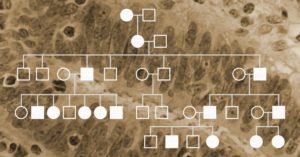
The scientific community first met โ€œFamily Gโ€ as the meticulously created family tree, filled with the stunted branches that mark early deaths by cancer. The pedigree was first published in 1913 in Archives of Internal Medicine (2). In the article, Dr. Alderd Warthin wrote: โ€œA marked susceptibility to carcinoma exists in the case of certain family generations and family groups.โ€ In 1925, an expanded pedigree of circles and squares was published in Dr. Warthinโ€™s follow up study in the Journal of Cancer Research (3).  But each circle and square in that pedigree denotes a person. Each line represents their dreams together for the future, and Ms. McKay wants us to know their names: Johannes and Anna, Kathrina, Elmer, Tillie, Sarah Anne (Sally); andโ€”most importantlyโ€”Pauline. Because without Pauline there would be no story.

Continue reading “Lessons in History, Hope and Living with Lynch Syndrome from the “Daughter of Family G””

NanoLucยฎ Luciferase: Brighter Days Ahead for In Vivo Imaging

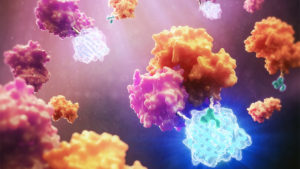
nanoluc in vivo imaging

NanoLucยฎ luciferase gave researchers a new way to see endogenous biology: how proteins behave in their native environments within cells and tissues. This small (~19kDa) enzyme, engineered from a luciferase found in the deep-sea shrimp Oplophorus gracilirostris, is up to 150X brighter than firefly or Renilla luciferase. For an overview of NanoLucยฎ luciferase applications, see: NanoLucยฎ Luciferase Powers More than Reporter Assays.

The small size of NanoLucยฎ luciferase, as well as the lack of a requirement for ATP to generate a bioluminescent signal, make it particularly attractive as a reporter for in vivo bioluminescent imaging, both in cells and live animals. Expression of a small reporter molecule as a fusion protein is less likely to interfere with the biological function of the target protein. NanoLucยฎ Binary Technology (NanoBiTยฎ) takes this approach a step further by creating a complementation reporter system where one subunit is just 11 amino acids in length. This video explains how the high-affinity version of NanoBiTยฎ complementation (HiBiT) works:

Continue reading “NanoLucยฎ Luciferase: Brighter Days Ahead for In Vivo Imaging”

What We Know About the COVID-19 and the SARS-CoV-2 Virus

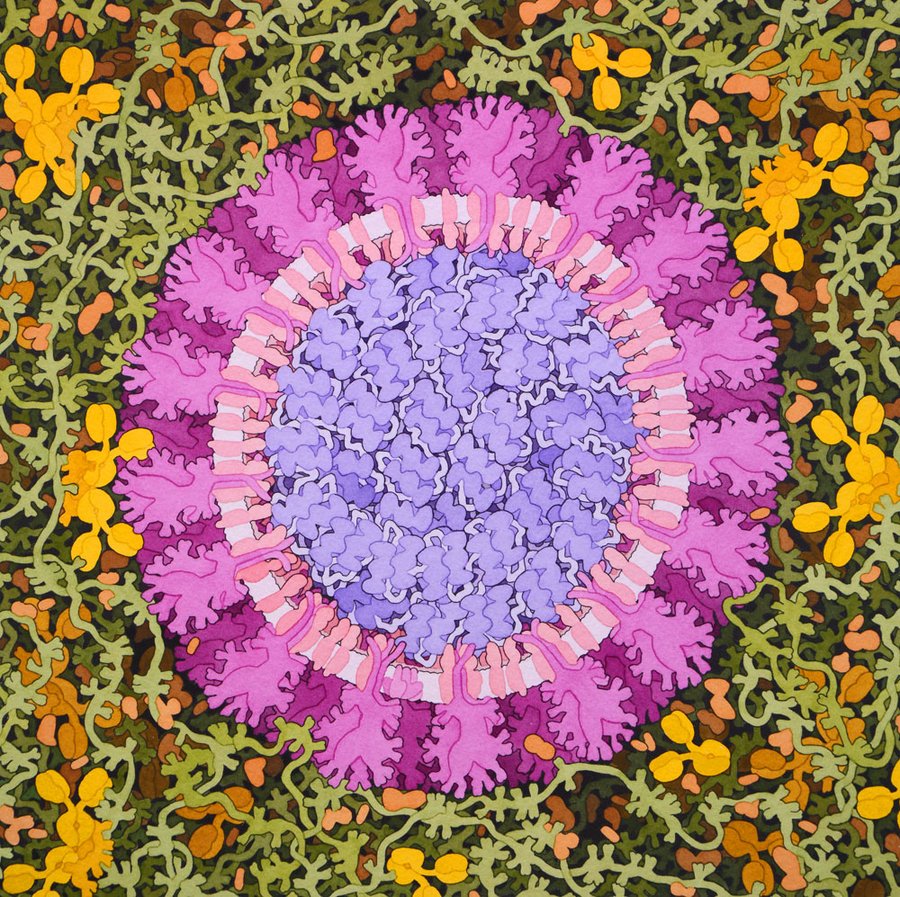
David Goodsell image of SARS-2-CoV
Image by David Goodsell

In the nine months since the first cases of COVID-19 were noticed in Wuhan, China, the virus has spread around the globe and infected over 22 million people. As with all emerging infectious diseases, we often find ourselves with more questions than answers. However, through the tireless work of researchers, doctors and public health officials worldwide, we have learned a lot about the virus, how it spreads and how to contain it.

Continue reading “What We Know About the COVID-19 and the SARS-CoV-2 Virus”

Applying Molecular and Cellular Technologies to Create Plant-Based and Cultivated Meat Alternatives

This blog was contributed by guest blogger, Lindsay Walker, Marketing Specialist with the Promega North America branch office.

The Good Food Institute predicts that plant-based protein innovation will enable meat alternatives to surpass the functionality of animal products, acknowledging that โ€œgiven biological limitations, animals are about as cheap, delicious, efficient, and healthy as theyโ€™re going to get, but plant-based proteins are just getting started and have nearly endless room for optimizationโ€.

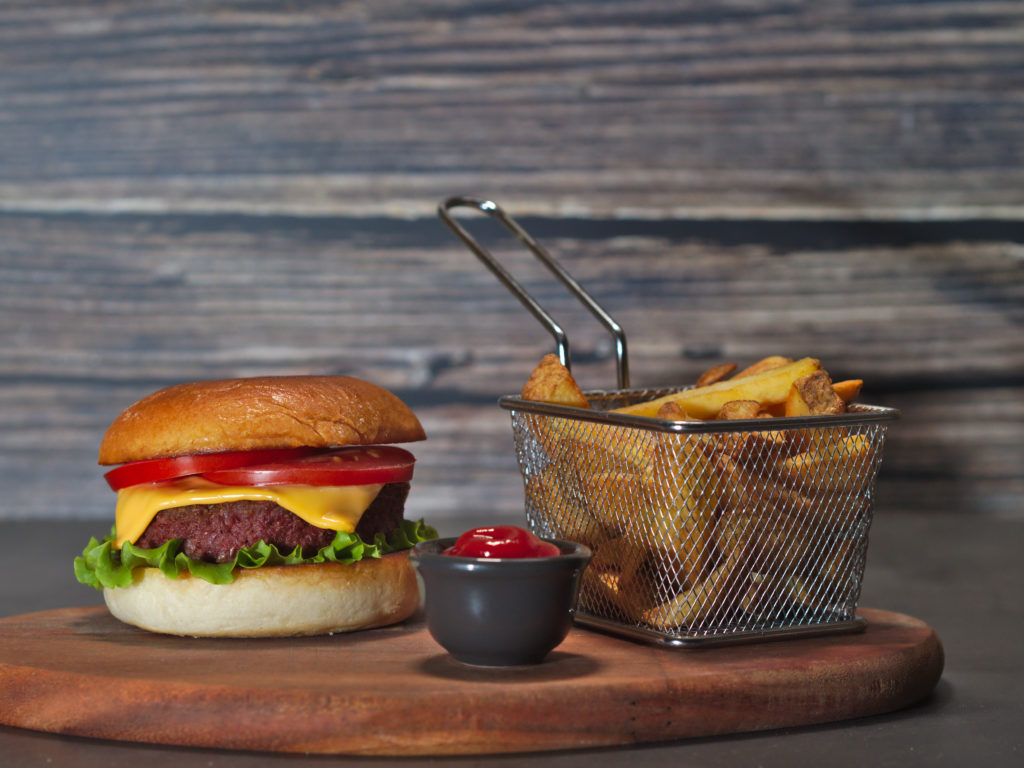
Vegan plant based burger with fries served on wooden tray
Continue reading “Applying Molecular and Cellular Technologies to Create Plant-Based and Cultivated Meat Alternatives”

A Virtual Visit with the National Young Researcher of the Year

Gayetri Ramachandran taught her first university class during the COVID-19 pandemic. While the online course was successful overall, it was a strange experience to teach without being able to see the students.

Gayetri Ramachandran, the first recipient of the National Young Researchers Prize by Promega France

โ€œIf youโ€™re giving a seminar and you canโ€™t see the other person, itโ€™s extremely difficult,โ€ says Gayetri, a postdoctoral researcher at the Institut Necker Enfants Malades in Paris, France. โ€œIf theyโ€™re sleeping, I canโ€™t see them. Itโ€™s fine, you can sleep, but if I canโ€™t see that youโ€™re sleeping, then I canโ€™t get that feedback in real time.โ€

Earlier this summer, Gayetri had another opportunity to give an online presentation. Before the COVID-19 pandemic disrupted travel plans, she was scheduled to visit the Promega Headquarters in Madison, WI, to tour the facilities and meet with R&D scientists. Instead, Gayetri presented her research to a group of Promega scientists in the first Promega Virtual Customer Experience Visit.

Continue reading “A Virtual Visit with the National Young Researcher of the Year”

Questions about Immunity? This Infographic Might Help

If you are the “family scientist” you may find yourself answering questions about things like antibodies, immunity and serology from friends and family curious about the COVID-19 pandemic and all of the news they are seeing. Whether you are an oceanographic cartographer or a seasoned immunologist, we hope that this infographic about antibody testing helps.


Continue reading “Questions about Immunity? This Infographic Might Help”

The Path Brightens for Vaccine Researchers: Luminescent Reporter Viruses Detect Neutralizing Antibodies

Developing a vaccine that is safe, effective, easily manufactured and distributed is a daunting task. Yet, that is exactly what is needed in response to the COVID-19 pandemic.

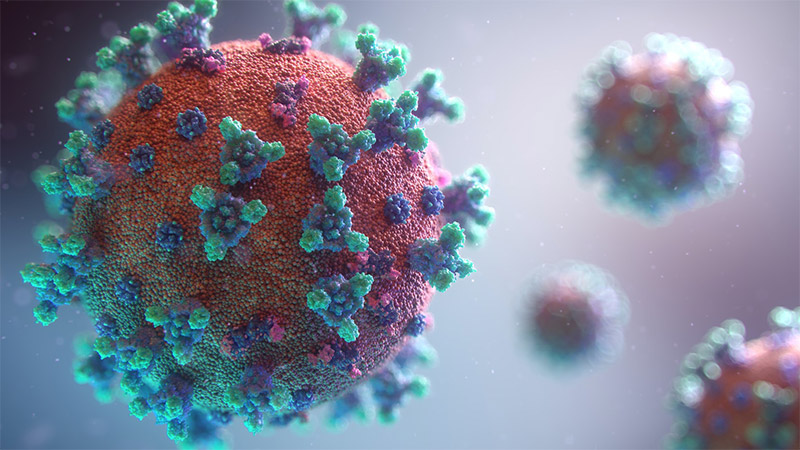
Computer generated 3D image of coronavirus

Vaccine development, safety and efficacy testing take time. The mumps vaccine is thought to be the quickest infectious disease vaccine ever produced, and its development required four years from sample collection to licensing (2). However, there are many reasons to anticipate quicker development for a COVID-19 vaccine: Researchers are collaborating in unprecedented ways, and most COVID-19 scientific publications are free for all to access and often available as preprints. As of August 11, 2020, researchers around the globe have more than 165 vaccine candidates in development, 30 of which are in some phase of human clinical trials (1). The range of vaccine formulations available to scientists has expanded to include RNA and DNA vaccines, replication-defective adenovirus vaccines, inactivated or killed vaccines and subunit protein vaccines. Equally important is that vaccine developers and researchers have greater access to powerful molecular biology tools like bioluminescent reporters that enable quicker testing and development.

Continue reading “The Path Brightens for Vaccine Researchers: Luminescent Reporter Viruses Detect Neutralizing Antibodies”