Racing Against the Clock, University of St Andrews iGEM Team Engineers Safer Sunscreen

Today’s blog was written in collaboration with Julia Ashley and AJ Ridley.

This August marked the end of a frantic 10 weeks of laboratory experiments for Julia Ashley and AJ Ridley. The two are members of the University of St Andrews iGEM team and are working to develop a product called Shinescreen, a probiotic sunscreen that is safe for marine life.

“Experiments were coming along nicely until the last two weeks in the lab. We ran into trouble with some transformation experiments,” said Ridley.

The team was on the clock, with only two and a half months of access to a laboratory. Unfortunately, the team’s time ran out before they could resolve all the issues.

“We learned the realities of science that not everything goes the way you think it will,” said Ashley. “But we got some results, and we’re happy with that.”

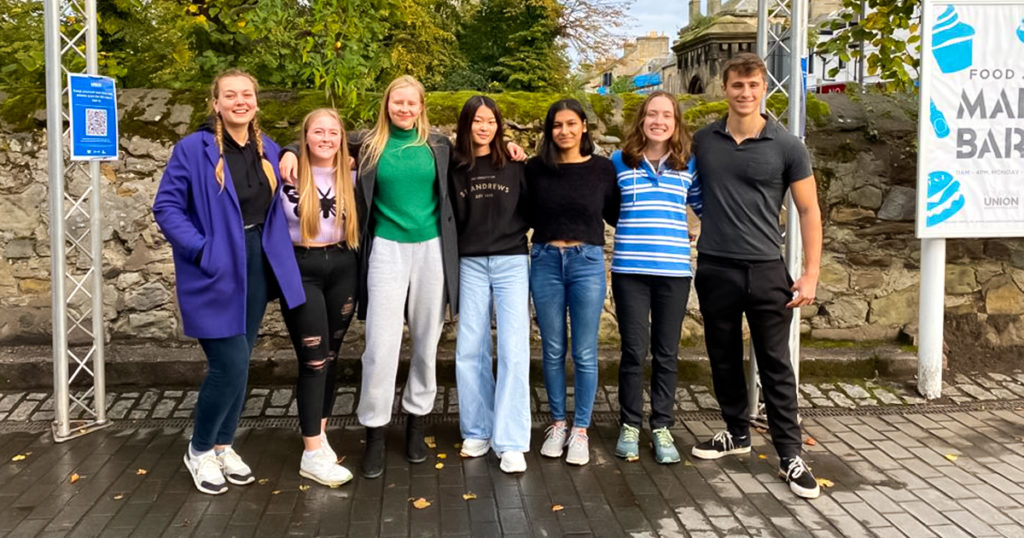
Members of the 2021 University of St Andrews iGEM team who are working to develop a safer sunscreen to protect coral reefs.
Members of the 2021 University of St Andrews iGEM team. Left to right: Yoricka Smolikova, Maia Beeson, AJ Ridley, Anna Mansson, Shagun Dhanania, Julia Ashley, Weston Tuescher. Not pictured: Anna Stevenson, Chloe Fielding.
Continue reading “Racing Against the Clock, University of St Andrews iGEM Team Engineers Safer Sunscreen”

Fighting Extinction: Komodo Dragons At Risk

Komodo Dragons are not only the largest lizard on Earth but also one of the most ferocious species with a fearsome reputation. The carnivorous beast can grow up to 10 feet long and can detect flesh from miles away. However, the Komodo Dragon’s serrated teeth, armored scales, and venom-laced saliva are still being outmatched by its biggest competitor: extinction.

The Komodo Dragon was previously named a “vulnerable” species by the conservation organization before being reclassified as “endangered.” There is hope that this change in status will encourage policymakers and conservation groups to strengthen and expand protections.

25 years ago, there were somewhere between 5,000 and 8,000 Komodo Dragons. Today, there are an estimated 1,380 adults and 2,000 juveniles in the wild. The Komodo Dragon is moving towards extinction.

Continue reading “Fighting Extinction: Komodo Dragons At Risk”

iGEM Malaga: Recycling Waste Olive Oil into Paint for Kids

Today’s blog was written in collaboration with Melissa Martin, a global marketing intern with Promega. She is a senior at the University of Wisconsin-Madison where she is double majoring in zoology and life sciences communication, with a certificate in environmental studies.

In the best circumstances, leftover cooking oil ends up in a recycling center and is eventually burned as a biofuel. But it is also frequently dumped down kitchen drains where it proceeds to pollute sewage, water treatment facilities, and waterways.

Is there a more valuable and less harmful way to use up waste cooking oil? A group of students at the University of Málaga thinks they have a solution that will also make science more approachable and exciting for children.

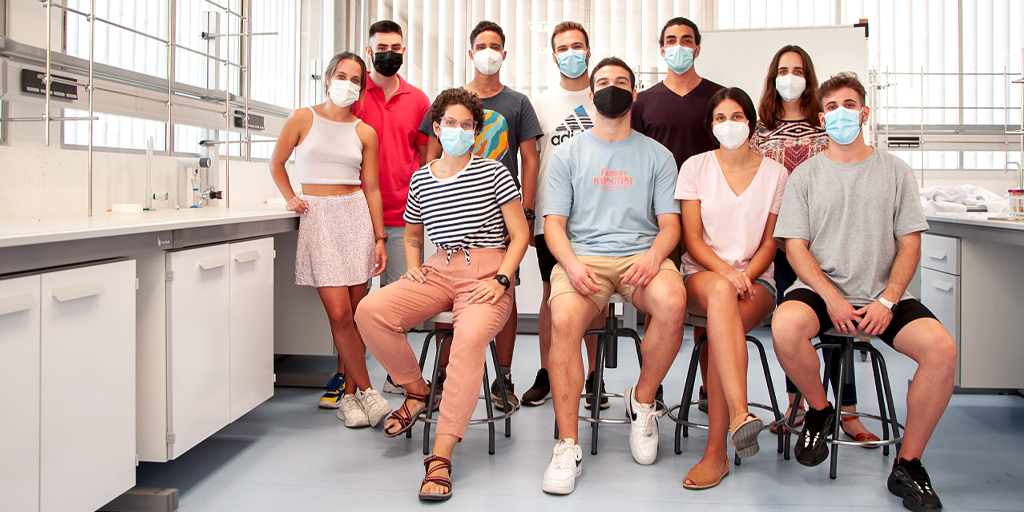
Picture of UMA_MALAGA team in their lab where they are working on a project to recycle waste olive oil
The UMA_MALAGA team. Front row, left to right: Natalia Cardoso, Fran Antequera, Isa Antequera, and Alex Jiménez. Back row, left to right: Maria Rodríguez, Alvaro Jiménez, Juan Herrera, Alex Rojo, Dani Díaz, and Christina Viúdez.
Continue reading “iGEM Malaga: Recycling Waste Olive Oil into Paint for Kids”

How to Commit to Global Responsibility with Local Accountability

This summer, Dr. Anette Leue, Director of Digital Marketing and PR Promega GmbH, represented Promega Corporation in Sustainability Day activities sponsored by Smart Lab Connects. Dr. Leue presented Promega Corporation’s corporate responsibility activities and joined a panel discussion about global responsibility with representatives from Eppendorf, Max Planck Sustainability Network, and NIUB Sustainability Consultants.

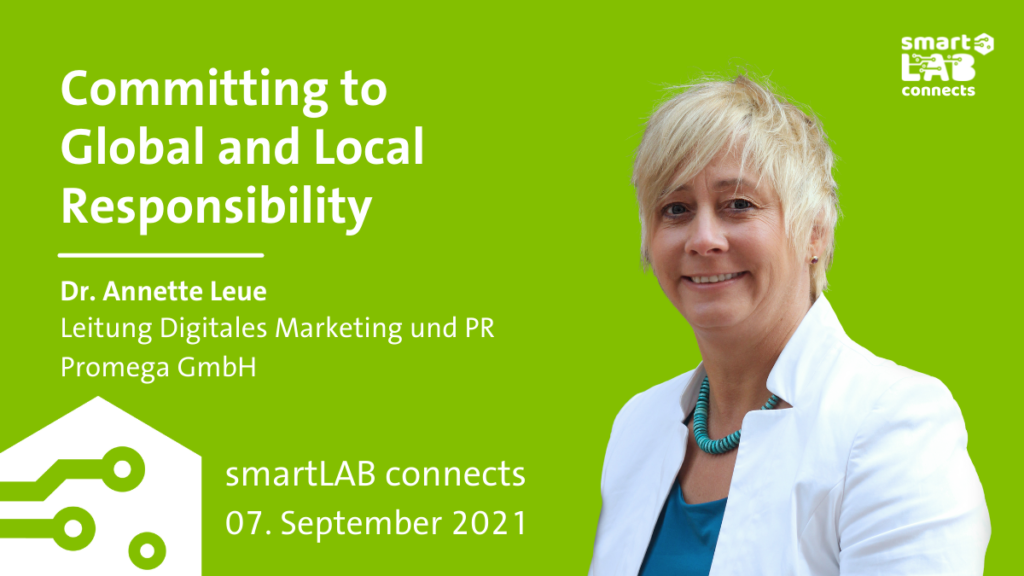
Dr. Anette Leue, pictured, talked about global responsibility as part of Sustainability Day.

As the Sustainability Day activities progressed, what became apparent is that calls for sustainable business growth are coming from all directions. Customers of life sciences companies are asking, “what are you doing to be a responsible company”? And, employees also are asking the same question of their employers. This interest sustainability and global responsibility by customers, employees and local communities is bringing into sharp focus the activities of companies to be good corporate citizens. Sustainability and global responsibility programs are no longer nice extras for life science companies, but rather are requirements for doing business.

“Sustainability is not a “nice to have”, but something that should be intrinsically implemented in the companies.”

Dr. Anette Leue
Continue reading “How to Commit to Global Responsibility with Local Accountability”

Greening the Lab: Tips from Lab Manager’s Green Lab Digital Summit

Today’s guest blog was written in collaboration with Melissa Martin, a former global marketing intern with Promega. She is a senior at the University of Wisconsin-Madison where she is double majoring in zoology and life sciences communication, with a certificate in environmental studies.

Infographic illustrating the places where simple actions can be taken to help build greener labs: greening the lab

Schools, businesses and organizations across the globe are increasingly implementing sustainable practices within their workspaces. From large-scale projects like installing solar arrays to behind-the-scenes initiatives like composting cafeteria food waste, “going green” is a reality of the modern workplace.

But one workspace otherwise known for being cutting edge and innovative is still struggling to implement the practices and culture of sustainability.

In her role as a teaching lab coordinator at the Johns Hopkins Institute for Nanobiotechnology (INTB), Christine Duke noticed a contrast between campus-wide sustainability initiatives and research labs:

“There is something missing here. Why aren’t we doing anything in the labs?”

Continue reading “Greening the Lab: Tips from Lab Manager’s Green Lab Digital Summit”

A One-Two Punch to Knock Out HIV

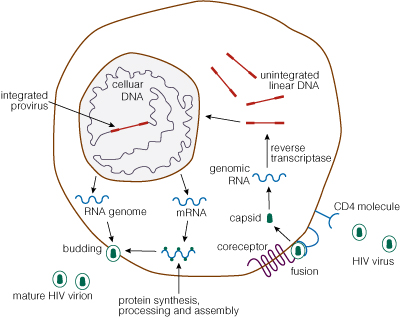
This schematic of HIV life cycle summarizes years of research to understand HIV and get to a potential cure for HIV infection
HIV-1 lifecycle illustration. Copyright Promega Corporation.

Scientists investigating the human immunodeficiency virus (HIV) have learned much about the retrovirus’s lifecycle, but their ultimate goals were to discover a cure and prevent infection. In the decades since HIV was discovered, basic research and pharmaceutical drug development have expanded the antiviral toolbox, but these HIV treatments do not provide a functional cure, only manage the infection. However, two techniques may offer a potential cure for HIV infection using CRISPR and a possible vaccine using mRNA.

CRISPR-Based Therapy May Cure HIV Infection

Continue reading “A One-Two Punch to Knock Out HIV”

Catch Cross-Contamination Early: Authenticate Your Cell Lines!

Soon after Amanda Capes-Davis started working with CellBank Australia, she received a request from an exasperated graduate student:

This cell line was handed down to me for my project, but I’m getting strange experimental results with the cells. Can you authenticate the cell line?

After performing genetic analyses, Capes-Davis soon had the answer to the student’s experimental woes: the cells did not come from the human tissue type the student was studying. They weren’t even human—they were mouse cells.

“She’d been given this cell line that was behaving differently than expected, and people thought ‘wow, this is an exciting new variant,’ it could tell her more about a particular disease,” Capes-Davis said. “But no, it was a more sinister reason, unfortunately.”

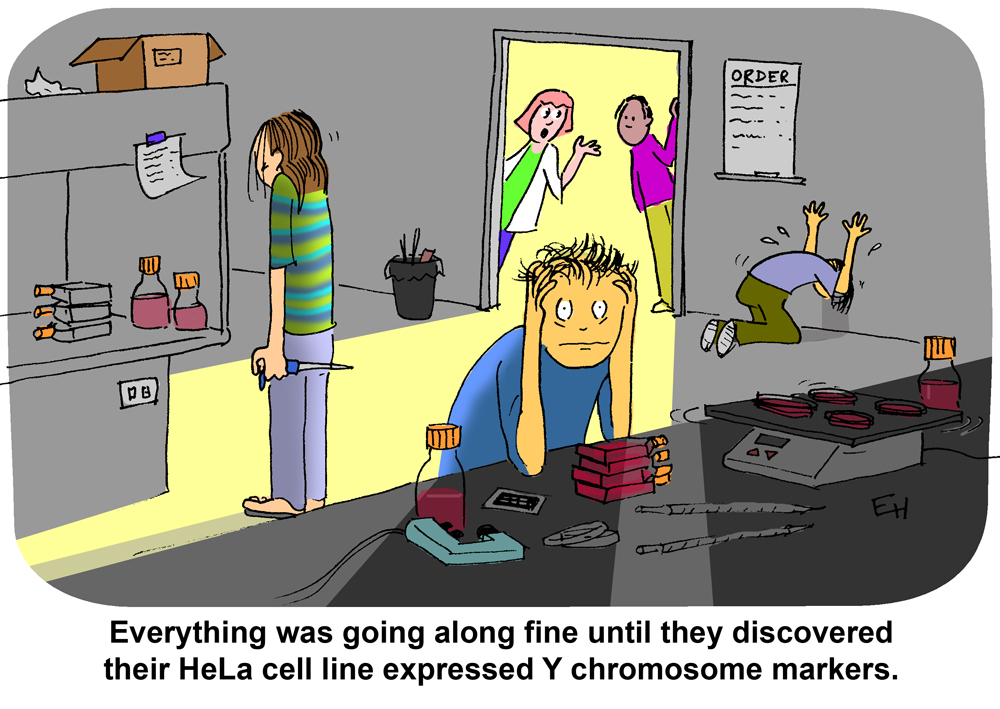
Science cartoon depicting the importance of cell line authentication
Continue reading “Catch Cross-Contamination Early: Authenticate Your Cell Lines!”

The 32nd International Symposium on Human Identification: Remembering Past Challenges and Developing a Path Forward

The global COVID-19 pandemic has changed the entire conference and tradeshow industry. Although plans for many in-person conferences were paused, this month the 32nd International Symposium on Human Identification offered the best of both worlds: an in-person symposium in Orlando, Florida (September 12–16), and a virtual conference where registrants could view the session recordings online. At the symposium, exhibits and poster presentations offered attendees the opportunity to reconnect in person after long absences, while various networking events gave attendees a chance to catch up and socialize.

Promega booth at ISHI 32
The Promega booth at ISHI 32 offered a welcoming environment for attendees to reconnect, with a backyard pool party theme.

As usual, workshops were held before and after the main symposium. In a sign of the changing times, Rachel Oefelein and Tarah Nieroda (DNA Labs International) presented a talk on the unique challenges and opportunities associated with virtual courtroom testimony.

The weekend before the symposium was marked by an event of great significance across the world: the 20th anniversary of the September 11, 2001, terrorist attacks on the World Trade Center, the Pentagon, and the attempt on the U.S. Capitol that was thwarted by the brave sacrifice of the passengers and crew on board United Airlines Flight 93. In particular, the DNA forensics community was reminded of how much technology has evolved over the years, in the efforts—still ongoing—to identify the victims of the attacks.

Continue reading “The 32nd International Symposium on Human Identification: Remembering Past Challenges and Developing a Path Forward”

Evidence of Inflammasome Activation in Severe COVID-19

The pandemic caused by SARS-CoV-2 has brought the world to its knees. There have been many deaths, many persons with lingering disease (long COVID) and the inability to vaccinate everyone quickly, for starters. SARS-CoV-2 has not only been a tricky adversary in terms of treatment options to save lives, it’s also been a wily opponent to researchers studying the virus.

Contributing to the existing studies, with their review of the role of inflammasomes in COVID-19, Vora et al. recently published “Inflammasome activation at the crux of severe COVID-19” in Nature Reviews Immunology. In this paper they detail evidence of inflammasome activation and its role in SARS-CoV-2 infections.

Contributions of Those Lost in the SARS-CoV-2 Pandemic
I’d like to take a moment to note the uniquely awful nature of the virus at the center of this blog and the paper it reviews. Many of the papers we blog about describe research involving cell lines, mice or another animal model. The closest most reports get to human research subjects is the use of human cells lines. In the Vora et al. report, serum and tissue samples are from actual human patients, some that survived and many that did not survive COVID-19. It’s not lost on us, Dear Reader, the contributions of those that suffered and died due to SARS-CoV-2 infection. Many persons with severe or fatal COVID-19 have made a significant contribution to our understanding of this virus and its treatment options. We owe them, as well as the researchers that have studied SARS-CoV-2, our sincerest gratitude.

Why the Interest in Inflammasomes?
For detailed information on inflammasomes you can read Ken’s blog, here. You will find background information there and on our inflammasome web page.

In their paper, Vora et al. provide evidence of inflammasome activation, both direct and indirect, in COVID-19. The authors note:

“Key to inflammation and innate immunity, inflammasomes are large, micrometrescale multiprotein cytosolic complexes that assemble in response to pathogen-associated molecular patterns (PAMPs) or damage-associated molecular patterns (DAMPs) and trigger proinflammatory cytokine release as well as pyroptosis, a proinflammatory lytic cell death.”

Continue reading “Evidence of Inflammasome Activation in Severe COVID-19”

New Therapy for Brain Tumors: High-Pressure Oxygen Rewires Glucose Metabolism in Glioblastoma

Glioblastoma (GBM) is an aggressive type of brain tumor, and one of the deadliest cancers. GBM is often treated with surgery, radiation and chemotherapy, but even if the initial treatment is successful, a majority of patients relapse within months. One reason why GBM is so difficult to treat is the hypoxic (low-oxygen) tumor environment. It is known that hypoxic cells are resistant to radiotherapy; the greater the number of tumor stem cells in a hypoxic environment, the less efficient radiotherapy is at controlling tumor growth.

A new therapeutic approach aims to remove the hypoxic environment in GBM by administering pure oxygen to patients at high pressure, known as “hyperbaric oxygen (HBO) therapy”. Previous studies have shown that HBO improves the efficacy of radiotherapy in GBM patients. However, the therapeutic mechanism of HBO was largely unknown. That is, until now.

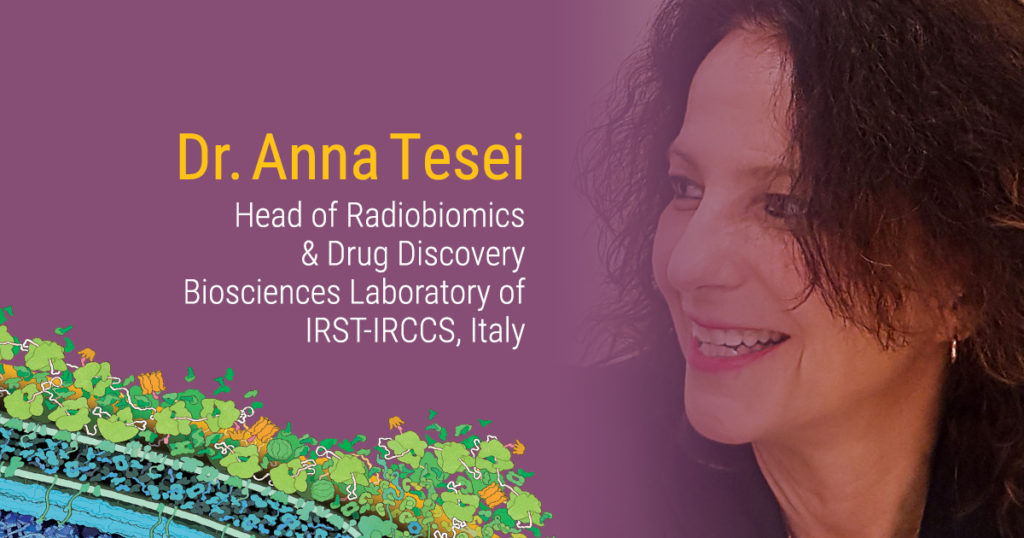
Dr. Anna Tesei, the Head of Radiobiomics and Drug Discovery at the Biosciences Laboratory of IRST-IRCCS in Italy, recently published a study on the mechanism in which HBOT affects GBM tumor cells and the tumor environment. “The main purpose of our study was to provide a preclinical rationale for the use of hyperbaric oxygen in association with radiotherapy for the treatment of GBM,” she says.

Dr. Anna Tesei is studing glucose metabolism in glioblastoma cells.
Continue reading “New Therapy for Brain Tumors: High-Pressure Oxygen Rewires Glucose Metabolism in Glioblastoma”