Using Structural Computation Models to Predict Productive PROTAC Ternary Complexes

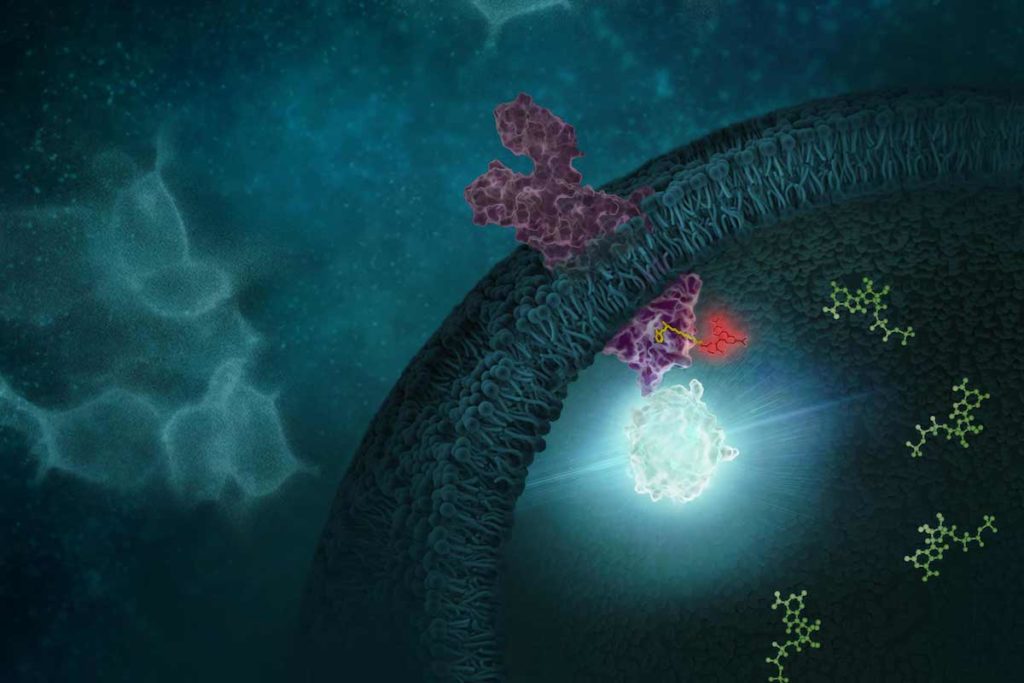
With use and time things wear out. Tires get worn on a car, and you have the old tires removed, recycled, and replaced with new ones. Sometimes a part or piece of something isnโ€™t made properly. For instance, if you are assembling a piece of furniture and you find a screw with no threads, you throw it out and get a screw that was made properly. The same thing holds true for cells. Components wear out (like tires) or get improperly made (a screw with no threads), or they simply have a limited lifetime so that they are available in the cell only when needed. These used and worn components need to be removed from the cell. One system that allows cells to recycle components and remove old or improperly functioning proteins is the Ubiquitin-Proteasome System (UPS). ย The UPS system relies on a series of small peptide tags, ubiquitin, to mark a protein for degradation. Researchers are now harnessing the UPS to target aberrant proteins in diseased cells through PROteolysis TArgeting Chimeras or PROTACs. PROTACs hold promise as highly efficacious therapeutics that can be directed to eliminate only a single protein. To take full advantage of the power of PROTACs, researchers need to understand the molecular underpinnings that are responsible for successful protein degradation. Here we review a paper that seeks to develop a computer model for predicting whether PROTAC ternary complex formation leads to ubiquitination and successful degradation of a target protein.
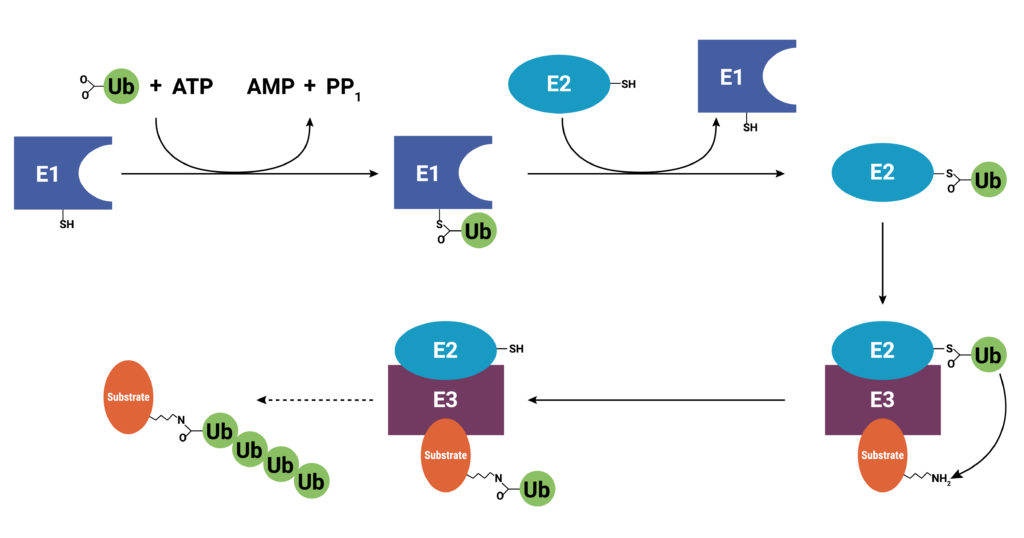
Diagram of ubiquitination of a protein. ThePROTAC ternary complex is formed the E2/E3 complex, PROTAC and target protein are bound simultaneously
Proteins are targeted for degradation by the proteasome. A small chain of ubiquitin peptides (Ub) is added to available lysine residues of the target protein through the actions of three enzymes: E1, ubiquitin-activating enzyme; E2, ubiquitin-conjugating enzyme; and E3 ubiquitin ligase. After the addition of the Ub chain, the proteasome is recruited and the protein degraded.

Addressing the Intractable Target

Research to understand diseases including cancers, neurodegeneration, and auto-immune conditions has revealed that in many disease states, affected cells produce growth factors or enzymes that are constitutively active (โ€œalways onโ€). These proteins are targets for small molecule inhibitors that bind specific sites preventing the constitutive activity or signaling. More recently, biologics, or protein-based therapeutics, including monoclonal antibodies (mAb), have been developed that can bind and block inappropriate signaling pathways, especially those that allow cancer cells to escape immune system surveillance.

Unfortunately, up to 85% of targets have proven intractable to small molecule inhibitors, or they are not suitable for a biologics approach. Oftentimes, the target protein doesnโ€™t have a great place to bind a small molecule, so even though inhibitors might exist they cannot bind well enough to be effective. Or, as in the case of many cancers, the diseased cell manages to overcome the effect of the inhibitor by overexpressing the target. Still other aberrant proteins associated with diseases havenโ€™t gained function to cause a disease; they have instead, lost function, so designing an inhibitor of the protein is not a workable strategy. ย Enter the PROTAC.

Continue reading “Using Structural Computation Models to Predict Productive PROTAC Ternary Complexes”

Superior Support to Automate and Scale-Up Your Workflows with Ease

Automating a workflow can be a tedious and challenging process that requires lots of time and resources. A helping hand can make all the difference, as it did for Stephanie Dormand, Molecular Supervisor at UniPath Womenโ€™s Health, a diagnostics lab located in Denver, Colorado.ย 

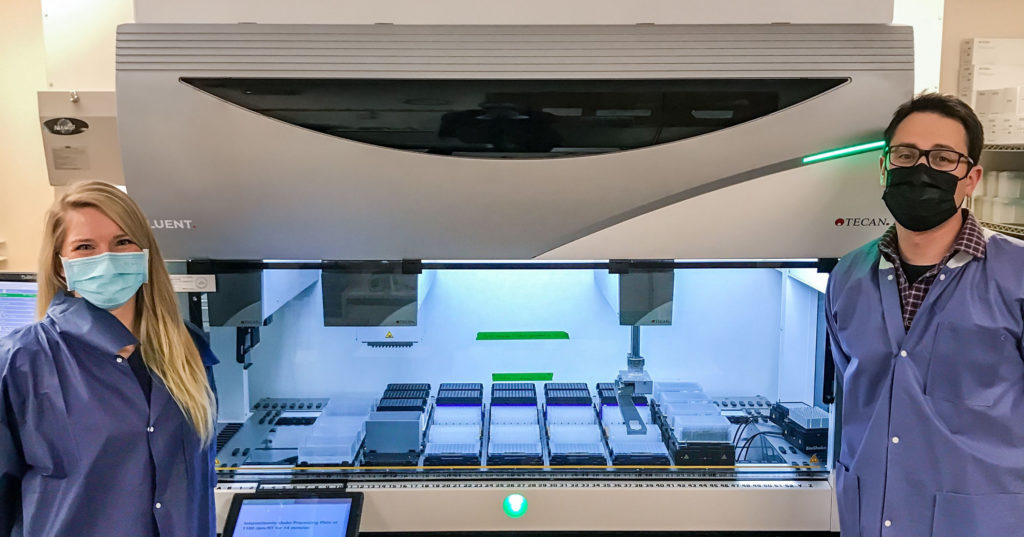
See how Promega Field Service Support staff helped one laboratory automate and scale-up sample processing to improve laboratory workflow. Promega Scientist at a liquid handler.

The womenโ€™s health molecular testing service at UniPath primarily relied on the tabletop Maxwellยฎ RSC Instrument to conduct nucleic acid extractions using the Maxwellยฎ Viral TNA Kit. As their testing needs grew, they required more throughput. Dormand worked with Promega Field Support Scientist Rick Grygiel to implement the Maxwellยฎ HT Viral TNA Kit on the Tecan Fluent 780 liquid handler, raising their throughput from 16 to 96 samples per run. When COVID-19 struck, Dormand worked with Rick to quadruple their testing with the addition of another Fluent 780.

Continue reading “Superior Support to Automate and Scale-Up Your Workflows with Ease”

Antibody Correlates of Protection for mRNA Vaccine

Identifying correlates of protection, or biological markers that correlate with a certain level of protection from disease helps public health experts assess vaccination performance. Picture of a COVID-19 vaccine vial.

In the rapidly shifting context of a pandemic, public health officials need a way to quickly assess how vaccinations perform in changing situations. One approach is to identify correlates of protection, or biological markers that correlate with a certain level of protection from disease. This tool is used to assess the design and formulation of annual influenza vaccines, as immune system markers that correlate with protection from flu can give developers a sense of how effective the vaccine might be for different population groups. Though they are not a replacement for rigorous clinical trials, correlates of protection can provide meaningful and predictive data for vaccine developers with smaller trial sizes and less time.

A study published in November 2021 indicated that levels of binding antibodies and neutralizing antibodies for the SARS-CoV-2 virus in blood serum are correlates of protection for Moderna, Inc.โ€™s COVE phase 3 clinical trial of their mRNA COVID-19 vaccine.

Continue reading “Antibody Correlates of Protection for mRNA Vaccine”

GPCRs and PROTACs: New Approaches for Designing More Effective Drug Candidates

NanoBRET target engagement assay

G protein-coupled receptors (GPCRs) comprise a large group of cell surface receptors, characterized by the unique structural property of crossing the cell membrane seven times. They respond to a diverse group of signaling molecules, such as peptides, neurotransmitters, cytokines, hormones and other small molecules (1). Upon activation, GPCRs interact with GTP-binding (G) proteins and arrestins to regulate a wide variety of signaling pathways. This broad range of functions makes GPCRs attractive targets for drug discovery. The importance of GPCR research was highlighted in 2012, with the Nobel Prize in chemistry being awarded to Robert Lefkowitz and Brian Kobilka โ€œfor studies of G-proteinโ€“coupled receptorsโ€.

Based on structure and function, GPCRs are categorized into six classes, Aโ€“F. The class A GPCRs, or rhodopsin-like receptors, have been studied extensively due to their association with many types of diseases (2). Within the class A GPCRs is a group that share a highly conserved structural motif (3) and respond to chemokinesโ€”small โ€œchemotactic cytokinesโ€ that stimulate cell migration, especially that of white blood cells (4). A subfamily of class A GPCRs respond to chemokines that have two cysteine residues near the N-terminus, known as CC chemokines. GPCRs activated by CC chemokines are called CC chemokine receptors or CCRs, and these interactions have been implicated in both pro- and anti-cancer pathways (5).

Continue reading “GPCRs and PROTACs: New Approaches for Designing More Effective Drug Candidates”

Monitoring Cellular Metabolism for NAFLD/NASH Liver Disease Research

In this blog, Dr. Jolanta Vidugiriene, Senior Research Scientist at Promega Corporation, discusses tools for studying metabolism in NAFLD/NASH research.

Dr. Jolanta Vidugiriene, Senior Research Scientist at Promega Corporation, discusses tools for studying metabolism in NAFLD/NASH research

What is nonalcoholic fatty liver disease (NAFLD)?

NAFLD is not a simple disease, it is an umbrella term for a range of liver conditions. The main defining characteristic of NAFLD is fat accumulation in the liver, called steatosis. In about 20% of people, steatosis is accompanied by inflammation, which is a more severe form of NAFLD called NASH (nonalcoholic steatohepatitis). NASH can progress to more advanced conditions like liver cirrhosis and liver failure. Most of the time, NAFLD is associated with underlying conditionsโ€”it is closely related to metabolic dysfunction, obesity, and type 2 diabetes. To better reflect the disease pathology, there has been a lot of discussion in the field recently to rename NAFLD to MAFLD, for metabolic associated fatty liver disease. Even though NAFLD has been studied for many years, the causes and progression of the disease are still not well understood. There are no FDA-approved diagnostic tools or treatments for it yet.

Continue reading “Monitoring Cellular Metabolism for NAFLD/NASH Liver Disease Research”

Can We Prevent the Next Pandemic?

Before the respiratory virus SARS-CoV-2 ever emerged, Tom Friedrich was already studying how viruses evolve to cause pandemics. His PhD training focused on how HIV adapts to escape detection by the immune system. Since opening his lab at the University of Wisconsinโ€”Madison in 2008, heโ€™s studied how viruses like influenza and Zika overcome evolutionary barriers to spread and cause disease. For nearly two years, heโ€™s been analyzing viral sequencing data generated from positive COVID-19 test samples around the state of Wisconsin.

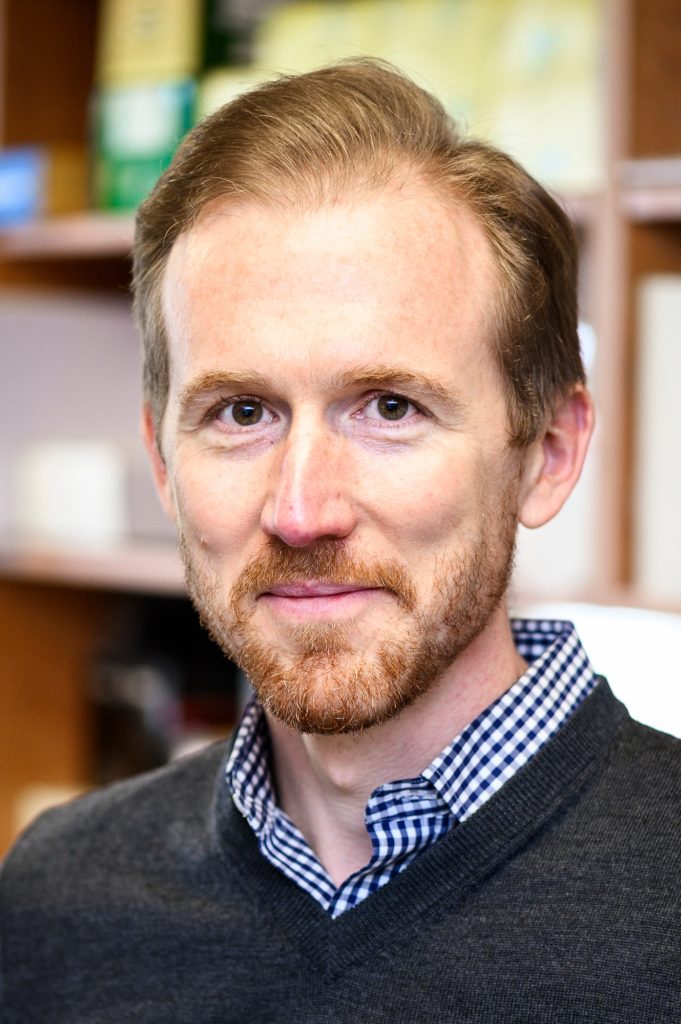
Thomas Friedrich, professor of pathobiological sciences in the School of Veterinary Medicine. Photo by Jeff Miller / UW-Madison, provided by Thomas Friedrich.

As the COVID-19 pandemic persists, Tom continues to make important contributions to both SARS-CoV-2 research and the relevant public health response. However, his experiences have led him to ask an even bigger question: How can we prepare for the next pandemic while still battling the current one?

โ€œWhat has characterized our responses to these types of disease outbreaks in the past is sort of a boom and bust cycle,โ€ Tom says. โ€œWe spin up a massive response that often tends to get going just as the thing itself is petering out. Then interest and funding wane so that weโ€™re not really left with any sustainable infrastructure. But with Ebola, Zika and now COVID-19 in a pretty rapid cadence, I think people are finally getting the idea that we need to have a more sustainable infrastructure that is not totally specific to the particular disease thatโ€™s causing this outbreak today.โ€

Continue reading “Can We Prevent the Next Pandemic?”

African American Scientists: Celebrating Black History Month

In the United States, the month of February is Black History Month. African American Scientists have contributed extensively to the worldwide progress of science and technology. Below we highlight a few of the African American scientists who have made their mark in science history and helped change our world for the better.

Continue reading “African American Scientists: Celebrating Black History Month”

New Study Suggests Long Mononucleotide Repeat Markers Offer Advantages for Detecting Microsatellite Instability in Multiple Cancers

A new study, published in the Journal of Molecular Diagnostics (1), highlights the potential of using long mononucleotide repeat (LMR) markers for characterizing microsatellite instability (MSI) in several tumor types. The paper is a result of a collaborative effort between researchers from Johns Hopkins University and Promega to evaluate the performance of a panel of novel LMR markers for determining MSI status of colorectal, endometrial and prostate tumor samples.

Microsatellite instability (MSI) is the accumulation of insertion or deletion errors at microsatellites, which are short tandem repeats of DNA sequences found throughout the genome. MSI in cancerous cells is the result of a functional deficiency within one or more major DNA mismatch repair proteins (dMMR). PCR-based MSI testing is a commonly used method that can help understand a tumorโ€™s genomic profile as it relates to MMR protein function.

Historically, MSI has been a biomarker associated with Lynch syndrome, the hereditary predisposition to colorectal and certain other cancers. In recent years, research interest in MSI has exploded, driven by the discovery that its presence in tumor tissue can be predictive of a positive response to anti-PD-1 immunotherapies (2,3).

Continue reading “New Study Suggests Long Mononucleotide Repeat Markers Offer Advantages for Detecting Microsatellite Instability in Multiple Cancers”

Promega Included On 2022 Top Workplaces USA List

Top Workplaces 2022 Logo

Promega Corporation has been named among the best places to work in the USA with a 2022 Top Workplaces USA Award. The Top Workplaces USA list, announced on February 1, is a program run by research firm Energage to recognize high-performing companies based solely on employee engagement surveys. The surveys measure the level of connection, motivation, and commitment employees feel for their companies.

Energage believes that improving engagement can directly impact performance, innovation, retention, and talent attraction. The 2022 USA winner’s list is calculated by comparing the surveyโ€™s research-based statements to predict high performance against industry benchmarks.


I am able to perform science in an environment that makes me feel as though I’m growing as a researcher…

โ€”Promega Employee Survey Response

A Culture of Work-Life Balance

Promega also earned a โ€œculture badgeโ€ for Work-Life Balance. Employee feedback showed this factor to be the company’s strongest culture driver. Culture badges are earned for scores that are in the top 25% of organizations in the same benchmark. 

Promega Director of HR Organizational Development, Darbie Miller points out how much Promega employees value the flexibility to flourish both at work and at home. โ€œIt is meaningful to all of us that employees continue to experience a culture that prioritizes flexibility to balance work and personal life. We are honored to receive this recognition and also to understand how to continue to evolve the employee experience at Promega.โ€


My co-workers care, I do work that makes me feel empowered, and I have the flexibility to be a real person with a real life.

โ€”Promega Employee Survey Response

#LifeAtPromega

Promega offers welcoming careers where employees can stay, contribute and grow. We challenge our employees to change the world, to have more fun, to bring their full selves to workโ€” in short, to take on a career that means more. At Promega, our employees do just that. Here, employees play a role in solving the worldโ€™s most pressing problems, experience camaraderie, gain satisfaction and get reward. We challenge ourselves to improve our local communities, to create an open, inviting and inclusive culture, to foster a work environment where collaborative givers, continuous learners, and ambitious go-getters thrive.

Our employees make an award like this possible, and we are grateful for the talent they bring every day. With an eye toward the future, we will continue to build on a culture that values science, sustainable business, and human well-being. We believe that every one of our employees has the potential to make a meaningful difference. And they do.


“It [my job] allows me to contribute to the betterment of mankind, the advancement of science, and success of my friends.”

โ€”Promega Employee Survey Response

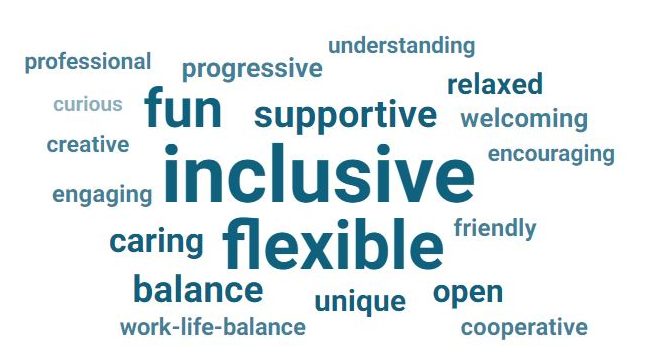
Word cloud generated from Promega Employee responses to survey
The Top Workplaces survey asked employees what three words best describe Promega culture. This word cloud reflects the employee responses.

It [my role] allows me to be my natural, gifted, independent self while accomplishing the greater goals of the company and being part of something spectacular.

โ€”Promega Employee Survey Response

Promega is a leader in providing innovative solutions andโ€ฏtechnical supportโ€ฏto the life sciences industry. We are committed to science advancement for improving life in the global community. With branches in16 countries and over 50 global distributors serving over 100 countries

Our tools and technologies support a wide range of work. This includes cell biology, protein analysis, drug development, human identification, and molecular diagnostics. Promega products are used in labs for academic and government research, forensics, pharmaceuticals, clinical diagnostics, and agricultural and environmental testing.

Discover a career at Promega that will give you the opportunity you need to make a difference.

Are you a student who is exploring possible careers outside of academia? Industry has many opportunities for scientists. Read some of our careers blogs to learn more.

Relate Posts


High-Molecular Weight DNA for Long-Read Sequencing

Imagine that youโ€™re putting together a large, complex jigsaw puzzle, comprising thousands of exceptionally small pieces. You lay them all out and attempt to make sense of them. It would be far easier to assemble this puzzle were the pieces larger, containing more of the image advertised on the box. The same can be said when sequencing a genome.

high-molecular weight DNA  Depiction of a DNA helix

Traditional short-read or next-generation sequencing relies on DNA spliced into small fragments (โ‰ค300 base pairs) and then amplified. While useful for detecting small genetic variants like single-base changes to the DNA, this type of sequencing can fail to illuminate larger variations (typically over 50 base pairs) in the genome. Long-read sequencing, or third generation sequencing, allows more accurate genome assemblies, facilitating better detection of structural variants like copy number variations, duplications, translocations and inversions that are too large to identify with short-read sequencing. Long-read sequencing has the capability to fill in โ€œdark regionsโ€ of a genome that are unfinished and can be used to assemble larger, more complex genomes using longer fragments of DNA, or high-molecular weight (HMW) DNA.

Continue reading “High-Molecular Weight DNA for Long-Read Sequencing”