Ancient Images of Dogs Include Restraints?

This dog is wearing a leash.

You, like me, may occasionally find youself in need of a canine control device. While Iโ€™m not a fan of the dog tie out, I do walk dogs on leashโ€”as is required by our county and city government here in Madison, WI.

If you have read Temple Grandinโ€™s books about dogs, you might feel a tug at your heartstrings while enduring a tug on the leash. Arenโ€™t dogs meant to run freely? Donโ€™t we love to watch them run? Are leashes humane?

When walking dogs I feel the need to protect them, but also a desire to let them live like dogs, sniffing, marking and other behaviors that are all limited when the dog is leashed.

When a report in Science last week showed evidence that our ancient ancestors were using leashes 8,000-9,000 years ago I was: 1) surprised; and 2) felt vindicated from self-imposed dog owner guilt.

Continue reading “Ancient Images of Dogs Include Restraints?”

Elephant Endotheliotropic Herpesvirusโ€”A Tiny Virus Threatens the Worldโ€™s Elephants

My favorite ice-breaker of all time is: โ€œList one fact about you that no one would guessโ€. It is my favorite because I have an awesome answer (if I do say so myself). My go-to answer is: I spent a summer working with elephants.

It was the summer before I graduated from college, and it was really only one elephant, a five-year-old African elephant named Connie. Connie was intelligent, curious and mischievousโ€”her favorite game with me was trying to untie my shoelaces (hint: double knotting is important). Working with her was one of the most amazing experiences of my life and left me with an abiding love for these creatures.

African elephant mother and child
Young African elephant touches his mother

Understandably, I was excited last year when one of my fellow bloggers wrote about Promega helping support the work of Virginia Riddle Pearson, who was working to identify and track strains of elephant endotheliotropic herpesvirus (EEHV) in African Elephant populations.ย EEHV is associated with the lethal elephant hemorrhagic disease (EHD) (1). This disease is a serious threat to the captive breeding programs of these endangered creatures. Between 1962 and 2007, it accounted for 58% of the deaths of North American captive-born Asian elephants between 4 months and 15 years of age (1). These deaths include the first Asian elephant calves born at the National, Oakland and Bronx Zoos. EHD also claimed the first live-born Asian elephant calves conceived by artificial insemination in both North America and Europe.

Continue reading “Elephant Endotheliotropic Herpesvirusโ€”A Tiny Virus Threatens the Worldโ€™s Elephants”

Deubiquitinases: A Backdoor into Undruggable Targets?

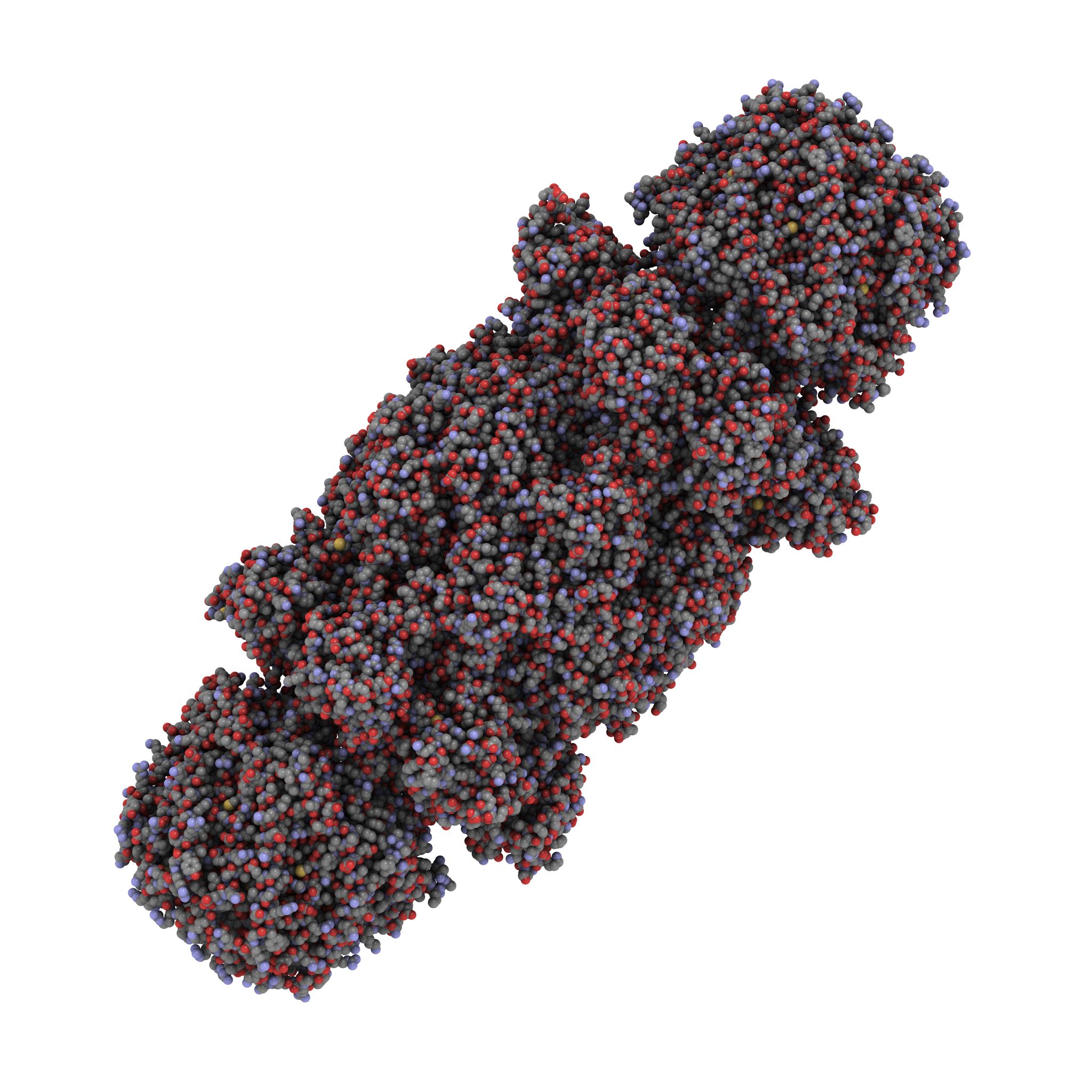
Molecular model of the yeast proteasome.

Ubiquitin modification of a protein directs events such as targeting for proteasomal degradation. Targeting a protein for degradation through ubiquitin modification is one way to regulate the amount of time a signaling protein, such as a kinase or other enzyme, is available to participate in cell signaling events. Deubiquitinases (DUBs) are enzymes that cleave the ubiquitin tags from proteins, and they have been implicated in several diseases, including cancer.

With their roles in the stabilization of proteins involved in cell cycle progression and other critical processes, DUBs are promising targets for small molecule inhibitors, particularly since they may provide a โ€œback doorโ€ for targeting otherwise intractable, undruggable proteins by modulating their half lives. However, finding small molecule inhibitors of the ubiquitin proteases to date has not been trivial. Here we highlight two papers describing the identification and characterization of small molecule inhibitors against the DUB USP7. Continue reading “Deubiquitinases: A Backdoor into Undruggable Targets?”

Using CellTiter-Gloยฎ Luminescent Cell Viability Assay to Assess Cell Viability in Cancer Cells Treated with Silver Nanoparticles and DNA-PKcs Inhibitor

Silver nanoparticles (Ag-np) are commonly used in many consumer products, including cosmetics, textiles, electronics and medicine, largely due to their antimicrobial properties. More recently, Ag-np are being used to target and kill cancer cells. It has been known for years that silver nanoparticles (Ag-np) can induce cell death and DNA damage. Studies have also shown that Ag-np inhibit cell proliferation and induce apoptosis in cancer cells. However, cancer cells are able to fight back with DNA repair mechanisms such as non-homologous end joining repair (NHEJ). The NHEJ pathway requires the activation of DNA-dependent protein kinase catalytic subunit (DNA-PKcs), thus DNA-PKcs may protect against the Ag-np-induced DNA damage in cancer cells.

Could inhibition of DNA-PKcs increase the ability of Ag-np to kill cancer cells? In a 2017 study, Lim et al. wanted to test whether inhibition of DNA-PKcs can increase the cytotoxic effect of Ag-np in breast cancer and glioblastoma cell lines. To effectively determine cell viability in these cancer cell lines, the authors used the CellTiter-Gloยฎ Luminescent Cell Viability Assay. The CellTiter-Gloยฎ Assay determines the number of viable cells in culture based on quantitation of ATP, an indicator of metabolically active cells. A major advantage of this assay is its simplicity. This plate-based assay involves adding the single reagent (CellTiter-Gloยฎ Reagent) directly to cells cultured in serum-supplemented medium. This generates a luminescent signal proportional to the amount of ATP present, which is detected using a luminometer. Cell washing, removal of medium and multiple pipetting steps are not required. Another advantage of the CellTiter-Gloยฎ Assay is its high sensitivity. The system detects as few as 15 cells/well in a 384-well format in 10 minutes after adding reagent and mixing, making it ideal for automated high-throughput screening, cell proliferation and cytotoxicity assays.

The authors first confirmed that Ag-np treatment reduced proliferation and induced cell death/DNA damage in two breast cancer cell lines and two glioblastoma cell lines. The cytotoxic effect of Ag-np is specific to cancer cells, as minimal cytotoxicity was observed in non-cancerous human lung fibroblasts used as control. Next, they pre-treated the cancer cells with a DNA-PKcs inhibitor for 1 hour before adding Ag-np. Inhibition of DNA-PKcs increased Ag-np-mediated cell death in all four cancer cell lines. This suggests that DNA-PKcs may be protecting the cells from Ag-np cytotoxicity. The authors further showed that DNA-PKcs may repair Ag-np induced DNA damage by NHEJ and JNK1 pathways. In addition, DNA-PKcs may help recruit DNA repair machinery to damaged telomeres.

This study suggests that a combination of Ag-np treatment and DNA-PKcs inhibition may be a potential strategy to enhance the anticancer effect of Ag-np.

Reference: Hande M.P., et.al. (2017) DNA-dependent protein kinase modulates the anti-cancer properties of silver nanoparticles in human cancer cells. Mutat Res Gen Tox En. 824, 32


Determination of Antibody Mechanism of Action Using IdeS Protease

Monoclonal antibodies (mAbs) have been widely used to eliminate undesired cells via various mechanisms, including antibody-dependent cell-mediated cytotoxicity (ADCC), complement-dependent cytotoxicity (CDC) and programmed cell death (PCD). Unlike the Fc-dependent mechanism of ADCC and CDC, certain antibodyโ€“antigen interactions can evoke direct PCD via apoptosis or oncosis. Previously, researchers have reported the specific killing of undifferentiated human embryonic stem cells (hESC) by mAb84 (IgM) via oncosis (1)

In a recent publication (2), a monoclonal antibody (mAb), TAG-A1 (A1), was generated to selectively kill residual undifferentiated human embryonic stem cells (hESC). One of the many experimental tools used to characterize the mechanism of oncosis was the fragmention of the A1 antibody with IdeS and papain.

Learn more about IdeS and IdeZ Protease available from Promega.

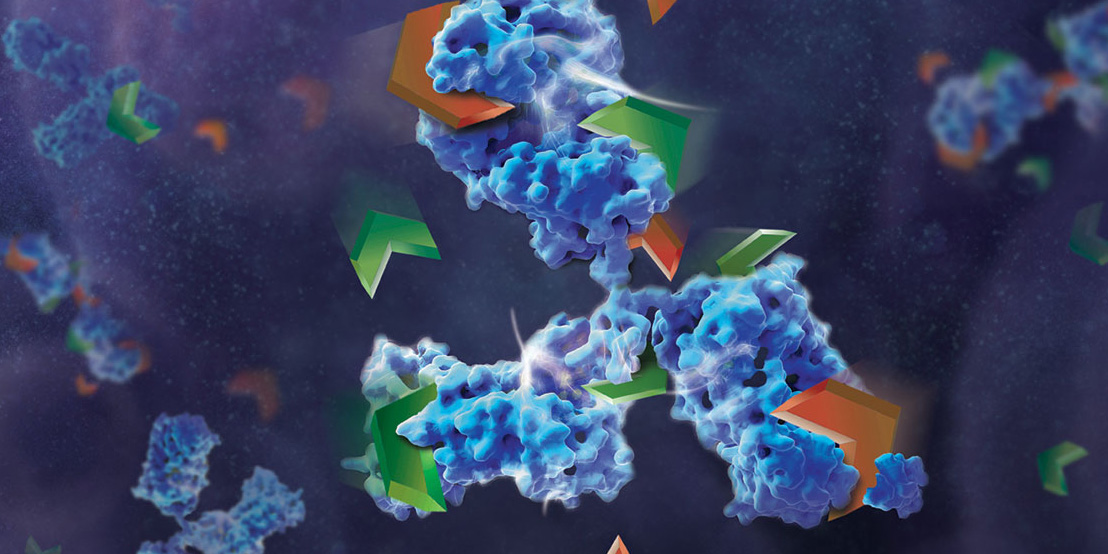
Papain digestion of IgG produces Fab fragments in the presence of reducing agent. F(ab)2 fragments of A1 were produced using IdeS Protease.

The results indicate that both Fab_A1 and F(ab)2_A1 bind to hESC but only F(ab)2_A1 retained hESC killing. Hence bivalency, but not Fc-domain, is essential for A1 killing on hESC.

  1. Choo, A.B. et al. (2008) Selection against undifferentiated human embryonic stem cells by a cytotoxic antibody recognizing podocalyxin-like protein-1. Stem Cells  26, 1454.
  2. Zheng, J.Y. et al. (2017) Excess reactive oxygen species production mediates monoclonal antibody-induced human embryonic stem cell death via oncosis. Cell Death and Differentiation 24, 546โ€“58.

Are you looking for proteases to use in your research?
Explore our portfolio of proteases today.

Hot Wings and Snow Birds: A Study of Genetic Selection in Chickens

African chicken breed Boschvelder. Image copyright ICBH GROUP.

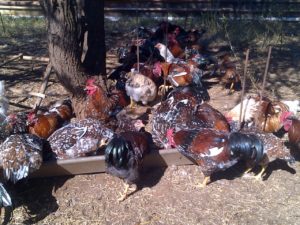
This past summer, I visited the county fair and stopped by the animal barn to look at some of the poultry on display. Specifically, I wanted to see examples of the breeds of chickens available that I may be interested in adding to my flock. Rather than each chicken in their display cage being labeled with a birdโ€™s breed, each cage listed the geographic origin of the chicken within such as Asiatic, Continental or American. This did not benefit my search for potential new members of my flock, but intrigued me enough that I wanted to find out how my flock of 19 hens and pullets would be characterized. Using the classes delineated by the Wisconsin State Fair, my feathered ladies break down to 12 American, 4 English and 3 Continental chickens. There are also classes for Mediterranean and Asiatic (and Other). I live in a part of the United States that gets cold, snowy weather for what seems like six months out of the year, weather that my chickens seem to take in stride. But in other places in the world, heat is the name of the game for the poultry strutting there. In a Genes, Genomics, Genetics publication, Fleming et al. wanted to know if there were genetic differences in Northern European and African chickens that might be caused by their environment.

Continue reading “Hot Wings and Snow Birds: A Study of Genetic Selection in Chickens”

Honoring Caregivers

This blog post is contributed by guest blogger Diana Clark, Benefits Manager, Promega Corporation

November is National Family Caregivers Month, first proclaimed by President Clinton in 1997, the proclamation has been renewed by every U.S. President since. When President Obama proclaimed this designation in 2012, he commented, โ€œThe unselfish devotion of family caregivers affirms the importance of respecting the dignity of life in all stages and underscores the importance of the family unit.โ€

Hearing these words, I felt even prouder to be a part of the Promega family. You see, we are already in the process of rolling out Caregiver Leave for 2018. Caregiver Leave will provide Promega employees with an additional three weeks of paid time off annually to care for a sick parent, spouse or child, or to welcome a new child into their family via birth, adoption or foster placement. Continue reading “Honoring Caregivers”

Playing it Forward: Biotechnology Youth Apprenticeship and Mentorship

Amani Gilletteโ€™s Story

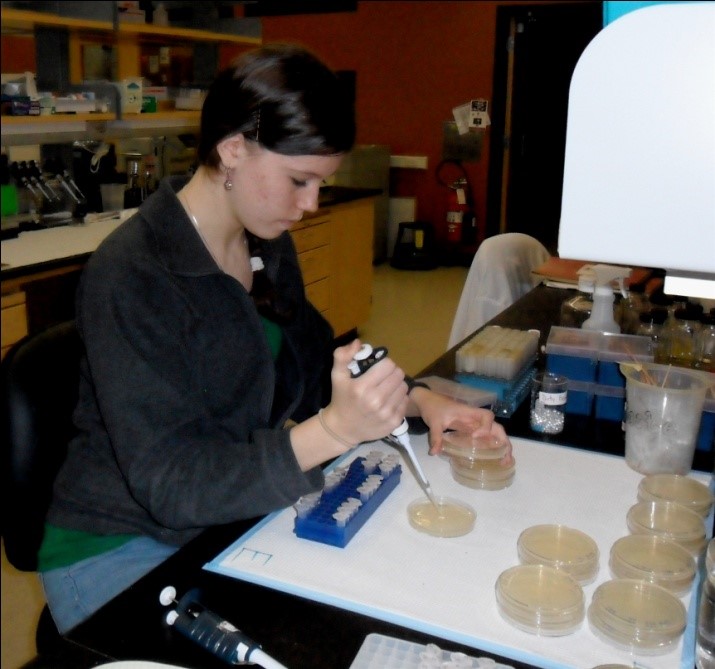
Amani working in the laboratory of Dr. McFall-Ngaiโ€™s as a high school Youth Apprentice

Amani Gillette, a junior from LaFollette High School in Madison, started the Biotechnology Youth Apprenticeship Program (YAP) in Fall Semester, 2010.ย  An outstanding youth apprentice (YA) throughout her two years in the program, she excelled in both the specialized laboratory course at the BTC Institute and in her work site research under the mentorship of Professor Margaret McFall-Ngai, UW-Madison Department of Medical Microbiology & Immunology.ย  Amaniโ€™s characterization of a gene and protein found in a small tropical squid resulted in her first scientific publication and poster presentation.

Fast forwardโ€” after receiving a B.S. in Biomedical Engineering at Michigan Technological University (which included working in a tissue engineering lab and two summers interning at Promega Corporation under the supervision of Dr. Dan Lazar to help develop an assay for autophagy), Amani is now back in Madison. She is in her second year of graduate school and, working with Dr. Melissa Skala at the Morgridge Institute for Research, is currently mentoring Biotechnology YA Ava VanDommelen (senior from DeForest High School). Following in Amaniโ€™s footsteps, Ava will present her research nationally this January at the SPIE conference (the International Society of Optics and Photonics). Continue reading “Playing it Forward: Biotechnology Youth Apprenticeship and Mentorship”

H7N9 Influenza Virus: A Perfect Pathogen?

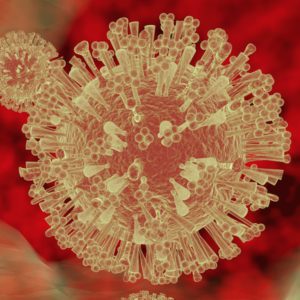
Artist’s rendition of a virus particle.

Itโ€™s late October and here in Wisconsin, like many of you, we are experiencing a change of seasons, with the associated drop in temperatures, changes in leaf color and later this week, Halloween.

Another thing that comes with fall is the start of cold and flu season. By โ€œfluโ€, I mean influenza, caused by avian influenza viruses of the H-N type. Recent research results by teams at UWI-Madison and in Japan, makes the coming influenza season potentially more scary than usual.

In a recent Cell Host & Microbe paper, M. Imai et al. study a seemingly more virulent version of H7N9 avian influenza virus that is startling in its ability to spread from infected to healthy animal models. Based on a current epidemic of H7N9, human-to-human transmission with this strain is increasing.

Continue reading “H7N9 Influenza Virus: A Perfect Pathogen?”

BioTech Scientists through a Different Lens

When I was in grad school and pictured what a role in industry would look like, the first thing that came to my mind was a Research and Development (R&D) Scientist. My life as a grad student and as a postdoc revolved around benchwork, so that must be the case in industry too, right?

It really wasnโ€™t until I started working at Promega that this image of a scientist in industry was completely turned upside down (in a good way). Here are some roles that a scientist can assume at Promega: Senior Scientist, Research Scientist, R&D Group Leader, Production Scientist, Technical Services Scientist, Product Manager, Strategic Marketing Manager, Client Support Specialist, Client Support Consultant, Clinical Technical Consultant, Field Support Scientist, Applications Scientist, Scientific Instructional Designer. The list can probably go on for a while, but it makes the point that there are a variety of interesting positions for scientists in the biotech industry.
Continue reading “BioTech Scientists through a Different Lens”