Custom Manufacturing: Translating Research into Product

Scientists around the world are focusing their energy and resources on translating advances made in clinical research into relevant biotechnology, clinical, and applied products that improve our health and well-being. Once research looks promising, there is substantial pressure to expedite the release of that product or assay in the market.

For many organizations focused on developing these advanced products, their expertise and core competencies are in developing the assay. Often, they do not have the experience, infrastructure, or quality systems in place to support large-scale production, packaging, or distribution of their newly developed assay in a way that is also in compliance with relevant regulatory requirements. These next steps become a barrier to realizing the value of the research. Working with a custom or contract manufacturing partner can lower this barrier and expedite the time to market.
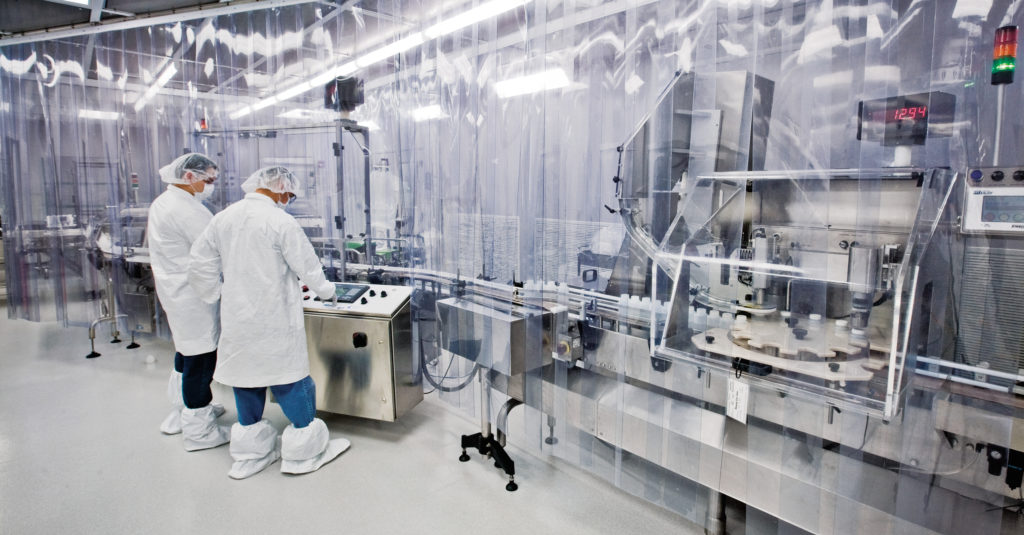
Custom Manufacturing

Be careful not to confuse custom manufacturing with original equipment manufacturer (OEM) products. OEM products are existing products from one company that another company rebrands and sells. Custom manufacturers typically focus on providing more comprehensive services that can be adapted to produce a new product. Custom manufacturing is not โ€œone size fits allโ€ and can be simple or complex, such as producing a single component to a final finished product.

Continue reading “Custom Manufacturing: Translating Research into Product”
Genome-Wide CRISPR Screening: Putting Death on Hold

We share this planet with approximately 8.7 million species of plants and animals. Within such a diverse environment, itโ€™s only natural that many complex relationships have developed among different species. Some relationships are mutually beneficial, some are parasiticโ€”and some are lethal.

Genome wide - crisper screening to help with toxic compounds to humans

Natural toxins and venoms are biologically active compounds produced by normal metabolic processes in an organism but are harmful to other organisms. Typically, toxins are encountered passively or ingested by the affected organisms, and have a specific mode of action and binding site within a cell. In contrast, venoms are introduced directly into the victim through a specialized delivery mechanism, and they may consist of a mixture of compounds that affect a range of cell types and tissues (1). Both types of poisons are produced for predation, defense, or to offer a competitive advantage (1).

Continue reading “Genome-Wide CRISPR Screening: Putting Death on Hold”

DNA from a ~20,000-Year-Old Pendant Offers Genetic Picture of Its Owner

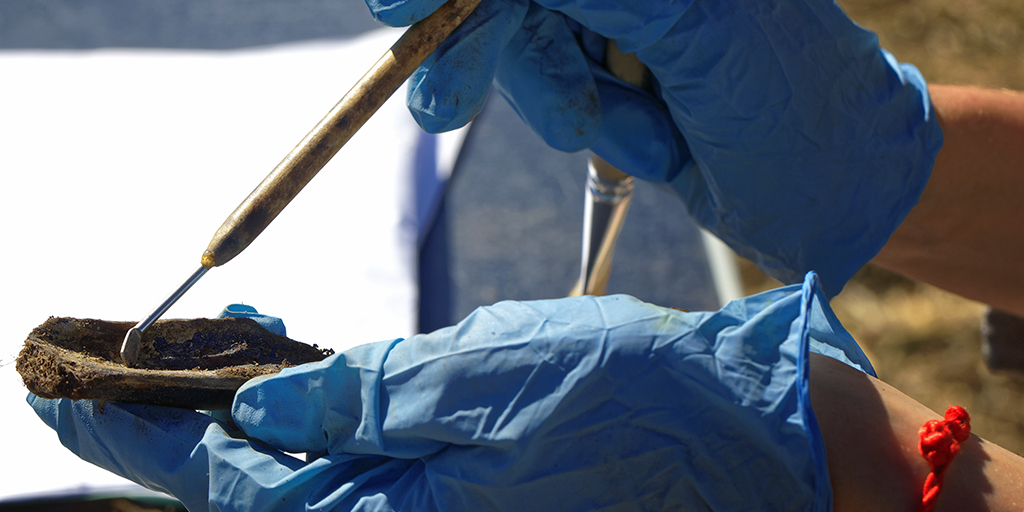
The elk tooth is small and ancient, with a crude hole bored through the top. It was likely worn as a pendant, but worn by whom? Was the owner male or female? Where did they come from? Did the pendant indicate their social status, mark a significant accomplishment, was it a gift, or was it worn as an expression of individuality?

Artifacts such as personal ornaments and tools play a pivotal role in helping us understand the migration, behavior and cultures of ancient peoples. To date, this information has stopped short of providing insight into things like the biological sex or genetic ancestry of the individuals who may have worn or used these items, and thus limited our ability to accurately characterize societal roles and behaviors. Recent advances in DNA techniques and technologies, and one little pendant, might be changing that.

gloved hands hold an artifact pendant
Continue reading “DNA from a ~20,000-Year-Old Pendant Offers Genetic Picture of Its Owner”

Have No Fear, qPCR Is Here: How qPCR can help identify food contamination

Foodborne disease affects almost 1 in 10 people around the world annually, and continuously presents a serious public health issue (9).

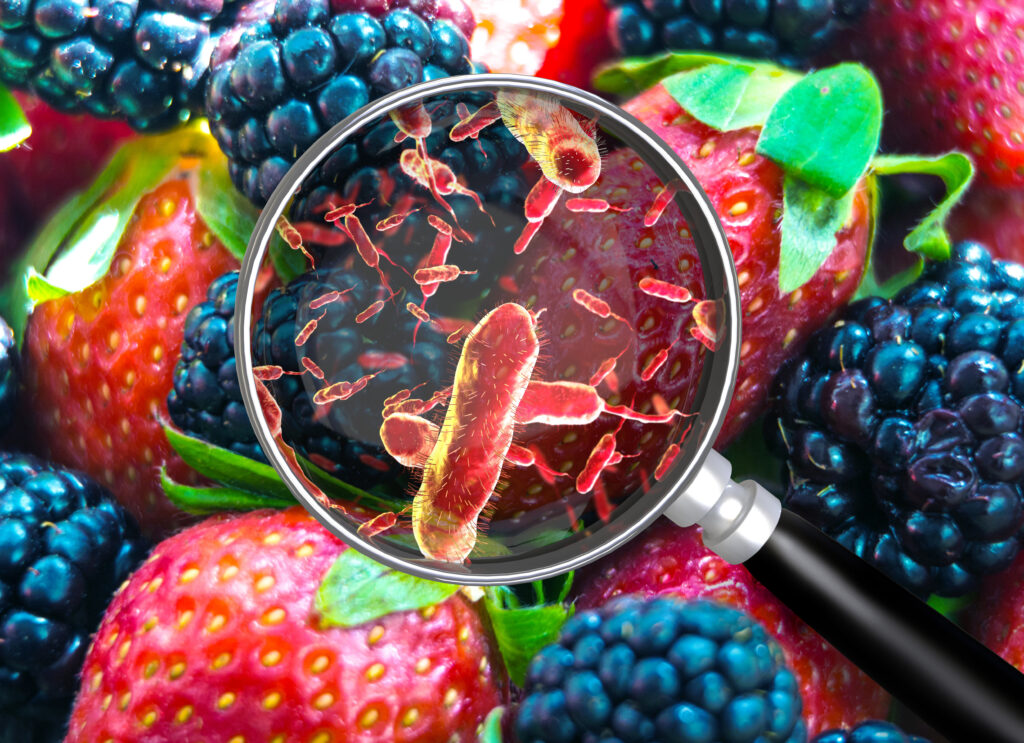
Food Contamination-Strawberries-Blueberries-Magnifying glass
Food Contamination is common and can be seen in a variety of forms and food products.

More than 200 diseases have evolved from consuming food contaminated by bacteria, viruses, parasites, and chemical substances, resulting in extensive increases in global disease and mortality rates (9). With this, foodborne pathogens cause a major strain on health-care systems; as these diseases induce a variety of different illnesses characterized by a multitude of symptoms including gastrointestinal, neurological, gynecological, and immunological (9,2).

But why is food contamination increasing?

New challenges, in addition to established food contamination hazards, only serve to compound and increase food contamination risks. Food is vulnerable to contamination at any point between farm and tableโ€”during production, processing, delivery, or preparation. Here are a few possible causes of contamination at each point in the chain (2):

  • Production: Infected animal biproducts, acquired toxins from predation and consumption of other sick animals, or pollutants of water, soil, and/or air.
  • Processing: Contaminated water for cleaning or ice. Germs on animals or on the production line.
  • Delivery: Bacterial growth due to uncontrolled temperatures or unclean mode of transport.
  • Preparation: Raw food contamination, cross-contamination, unclean work environments, or sick people near food.

Further emerging challenges include, more complex food movement, a consequence of changes in production and supply of imported food and international trade. This generates more contamination opportunities and transports infected products to other countries and consumers. Conjointly, changes in consumer preferences, and emerging bacteria, toxins, and antimicrobial resistance evolve, and are constantly changing the game for food contamination (1,9).

Hence, versatile tests that can identify foodborne illnesses in a rapid, versatile, and reliable way, are top priority.

Continue reading “Have No Fear, qPCR Is Here: How qPCR can help identify food contamination”

Earth Month Events Highlight Recycling, Lawn Care and More!

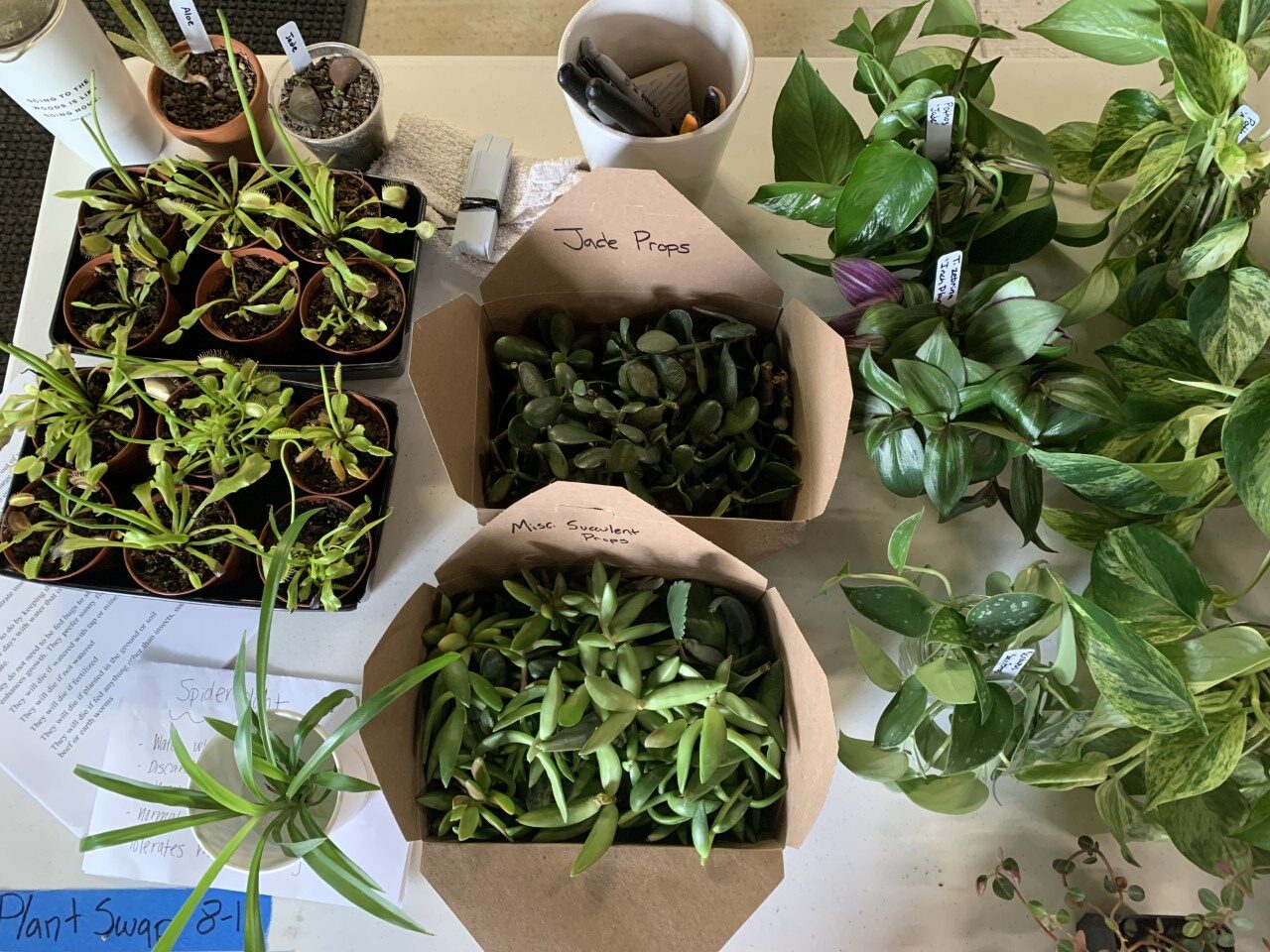
The Earth Month Plant Swap included cuttings from displays throughout the Promega Madison campus

Earth Day 2023 is past, but protecting our environment and natural resources is important every day of the year.

As a company, Promega has set ambitious goals for reducing our carbon emissions, plastic waste and water usage by 2030. We design each new building to surpass the sustainability features of all previous facilities. Our culinary garden employs techniques that are beneficial to the ecosystem, from enriching the soil to supporting local wildlife. In fact, over 225 acres of our 400-acre Madison campus is dedicated to preserved prairie, wetlands and woodlands.

Promega employees are also dedicated to reducing their impact on the natural world. This month, a series of employee-hosted Earth Month events gave Madison-based Promega employees the opportunity to test-drive electric cars, trade plants and learn about sustainable lawncare. Here are a few highlights from Earth Month 2023 at Promega.

Continue reading “Earth Month Events Highlight Recycling, Lawn Care and More!”

Cell Tracking Using HaloTag: Why are Scientists Chasing Cells?

Cells, commonly considered the smallest unit of life, provide structure and function for all living things (3).

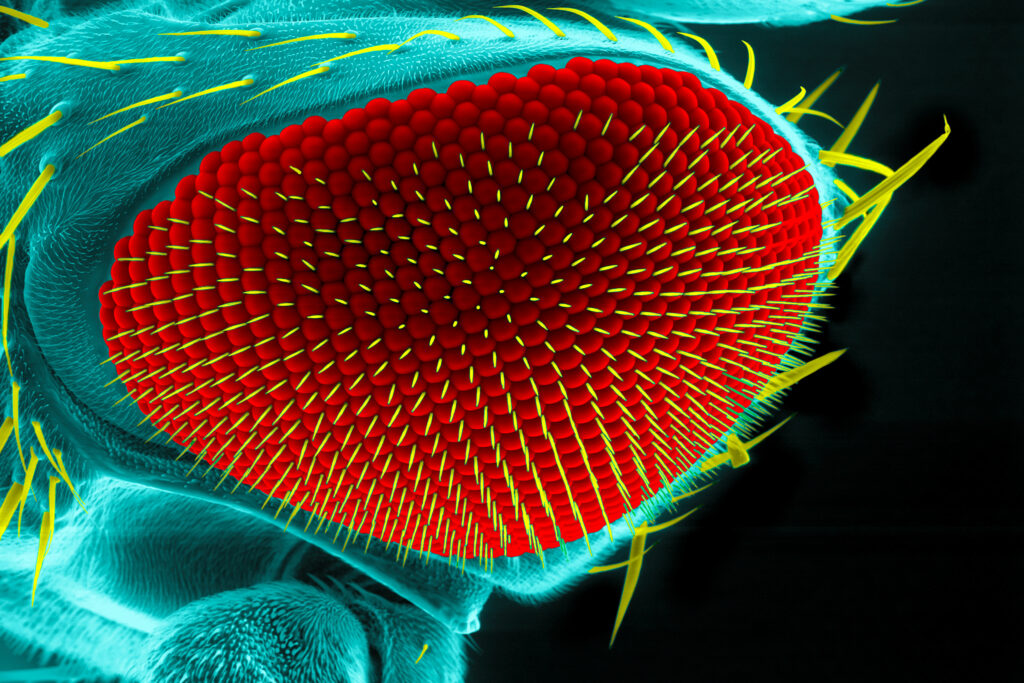
Eye of a fruit fly, Drosophila melanogaster, scanning electron microscopy. Scientists used HaloTag for cell tracking during eye development.
Eye of a fruit fly, Drosophila melanogaster, scanning electron microscopy

Because cells contain the fundamental molecules of life, in some situations such as yeast, a single cell can be considered the complete organism. In other situations, for more complex multicellular organisms, a multitude of cells can mature and acquire different, specialized functions (3).

Cells developing specificity are undergoing differentiation, a process where a cellโ€™s genes are either turned โ€œonโ€ or โ€œoffโ€ resultant in a more specific cell type. As these differentiated cells start to exhibit their identity, they organize themselves into the tissues, organs, and organ systems integral to the functioning of a multicellular, developing organism. This process in which order and form is created within a developing organism is referred to as morphogenesis (5).

Continue reading “Cell Tracking Using HaloTag: Why are Scientists Chasing Cells?”

It Is Not Just Youโ€”Burnout Is Real

โ€œI just feel burned out.โ€ I heard those words recently from my college junior. For him, the spring semester is barreling to a close and he is feeling tired, unmotivated and unproductive. He isnโ€™t alone; most of us have said (or thought) those words at some point in our lives. We use the words when we are feeling tired, stressed or overwhelmed at work (or school), but burnout is more than just an emotional response to workload or other job-related challenges. Burnout can quickly cascade into more physical symptoms and take a toll on both our personal and professional lives.

Continue reading “It Is Not Just Youโ€”Burnout Is Real”

Illuminating the Brain with a New Bioluminescence Imaging Substrate

Bioluminescence imaging is a powerful tool for non-invasive studies of the effect of treatments on cells and tissues. The luminescent signal is strong, and can be used in vivo, enabling repeated observations over time, allowing longitudinal study of cellular changes for hours or days. Bioluminescence imaging can be used in live animals over varying periods of time, without interfering with normal cellular processes.

Fluorescence imaging is also used in cellular studies. Although it can provide a stronger signal than luminescence, fluorescence requires light for excitation, and thus its in vivo use is limited at a tissue or cell depth greater than 1mm.

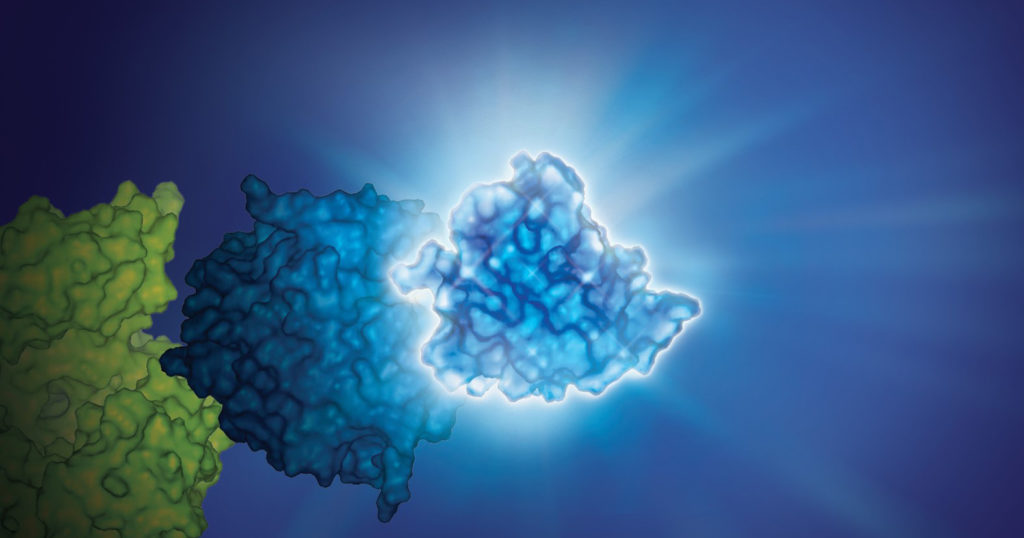
NanoLucยฎ Luciferase. Small, bright and now useful in brain bioluminescence imaging.

In addition, autofluorescence can be an issue with fluorescence imaging, as cellular components and surrounding proteins and cells can fluoresce when exposed to light. Autofluorescence can result in high background signals, making it difficult to distinguish true fluorescence from background.

Continue reading “Illuminating the Brain with a New Bioluminescence Imaging Substrate”

The Power of Pet Ownership

International Pet Day, observed each year on April 11th, provides the purrfect opportunity to reciprocate all the labored love and affection our pets so freely give us. There’s no doubt that our furry, feathered, and scaley friends greatly improve our quality of life. But did you know there are benefits to this human-animal bond beyond their incredible cuteness? Read about some of the paw-some science-approved benefits that can come with pet ownership.

Continue reading “The Power of Pet Ownership”

From Biotechnology Youth Apprenticeship to Full-Time Promega Scientist

Headshot photos of Emily Torio, Lucas Slivicke and Kirsten Wingate, three Promega scientists who participated in the Youth Apprenticeship Program.

The Biotechnology Youth Apprenticeship Program hosted by the BTC Institute gives high school students an opportunity to gain hands-on experience in a research lab. Students can work as paid apprentices for either one or two years while also attending weekly training sessions at the BioPharmaceutical Technology Center. Through this program, students can graduate high school with robust knowledge of lab safety and fundamental techniques, as well as a strong understanding of the soft skills required to succeed in science, from reading peer-reviewed literature to delivering a research presentation.

Many of these students will grow up to pursue careers in science, from academic research labs to the biotechnology industry. Some of them have returned to Fitchburg to work at Promega, the primary corporate sponsor of BTC Institute. As these scientists progress in their careers, the skills they developed in the Youth Apprenticeship Program continue to support their work every day.

Continue reading “From Biotechnology Youth Apprenticeship to Full-Time Promega Scientist”