 DNA testing methods are being used to solve problems in an ever-increasing number of fields. From crime scene analysis to tissue typing, from mammoths to Neanderthals, and from Thutmose I to Richard III, both modern mysteries and age-old secrets are being revealed. The availability of fast, accurate, and convenient DNA amplification and sequencing methods has made DNA analysis a viable option for many types of investigation. Now it is even being applied to solve such mundane mysteries as the precise ingredients used in a sausage recipe, and to answer that most difficult of questions “what exactly is in a doner kebab?” Continue reading “Dietary Analysis, DNA Style”
Cold-War Bunkers Enlisted in the Fight Against Cold-Loving Fungus: More on the White-Nose Syndrome Story
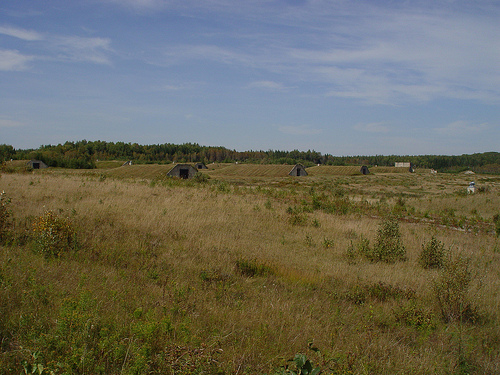
A lot has happened since I first wrote about White-Nose Syndrome, the fungal disease that has devastated bat populations in North America. The disease, caused by the cold-loving fungus Geomyces destructans (now renamed Psuedogymnoascus destructans), has been identified in many more places, including most recently confirmed cases in Georgia, South Carolina, Illinois and Missouri in the United States and Prince Edward Island, Canada.
Controlling the spread of this disease is a tremendous problem, because as I indicated in a previous blog post, keeping a hardy fungus from spreading among a population of densely packed small animals in tiny, cold damp areas is not a simple task.
This problem is going to require creative solutions, and scientists at the U.S. Fish and Wildlife Service may have come up with a great idea that answers two questions: How do you control the spread of White-Nose Syndrome and what do you do with 43 unused Air Force bunkers?
Continue reading “Cold-War Bunkers Enlisted in the Fight Against Cold-Loving Fungus: More on the White-Nose Syndrome Story”Compound Screening Using Cell-Free Protein Expression Systems
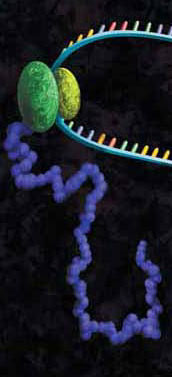
Cell-free systems can provide some advantages over cell-based systems for screening purposes. Cell-free systems allow exact manipulation of compound concentrations. This is an important parameter when evaluating the potential potency of the lead compound.
There is no need for cellular uptake to evaluate the effect of the compounds. While uptake evaluation is important for determining the eventual efficacy of the drug, it can unnecessarily eliminate valuable lead compounds in an initial screen. The interpretation of results in living cells is complicated by the large number of intertwined biochemical pathways and the ever-changing landscape of the growing cell. Cell-free systems allow the dissection of effects in a static system for simpler interpretation of results and the ability to specifically monitor individual processes such as transcription or translation. Individual targets not normally present, or found at low concentrations, can be added in controlled amounts.
The following references illustrate this application:
- Buurman, E. T. et al. (2012) Novel rapidly diversifiable antimicrobial RNA polymerase switch region inhibitors with confirmed mode of action in Haemophilus influenzae. J. Bacteriology 194, 5504–12.
-
Zhang, Y. and Inouye, M (2009) The inhibitory mechanism of protein synthesis by YoeB, an Escherichia coli toxin. J. Biol. Chem. 284, 6627–38.
- Jayasekera, M.M. et al. (2005) Identification of novel inhibitors of bacterial translation elongation factors Antimicrob. Agents Chemother. 49, 131-36.
It Isn’t Spring Until the Birds Arrive
With spring finally gaining a foothold in the upper Midwest as temperatures rose above 60 degrees Fahrenheit this weekend, everyone including myself has been spending more time outdoors. Like my fellow blogger Karen, I am a gardener and have been digging and planting everything from raspberries to currants to apple and peach trees.
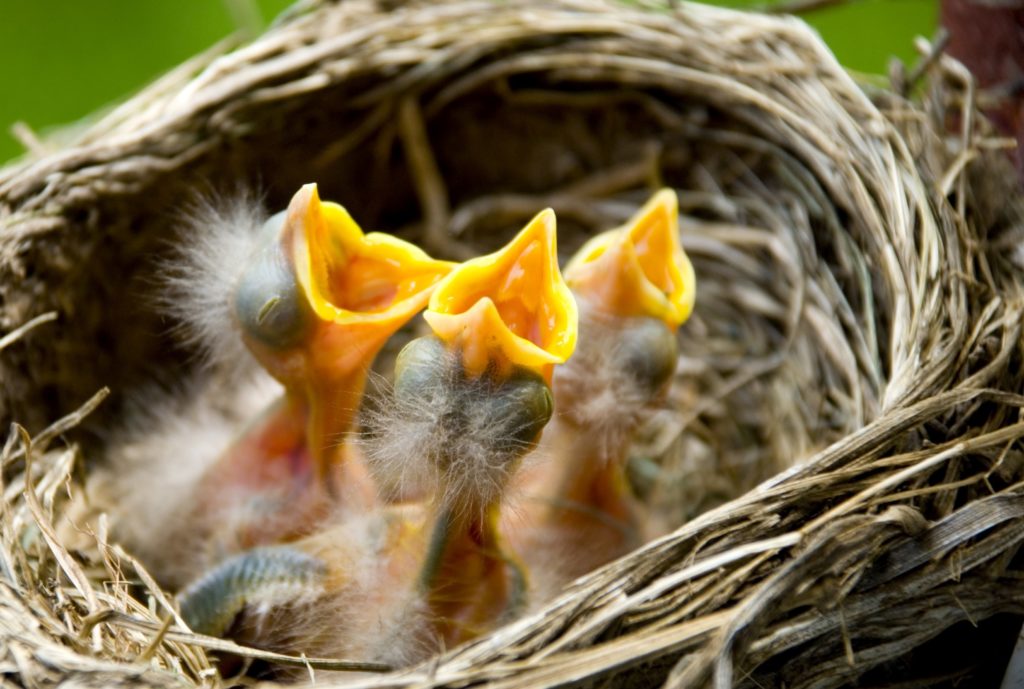
However, one of my favorite parts of spring is hearing and seeing all the birds that flit around my property. Ironically, I was outside in a hat, gloves and coat when I heard my first redwing blackbirds of the season but since then, robins have taken up residence, and the house sparrows have returned, stealing the grass seed I scattered on my rather thin lawn. Nuthatchers are entertaining to watch as they peck at tree bark upside down while they hunt for food. An eastern bluebird has taken up residence nearby, and I enjoy spotting him every day, sitting in a tree or resting on my shepherd’s hook. The chickadees are fun to spot as they switch branches on a tree. Crows occasionally stop by especially if I have left out some pizza crusts for them. Turkeys have even hung around my front lawn, and I startled them (and they, me) as I opened my front door and they quickly flew away. I was up early one morning before most birds were active and all I could hear was “gobble, gobble, gobble”.
I’m still learning about all the different birds that stop over on my property as I expect there are more I have not identified. Which birds do you enjoy spotting in the spring?
Vegetable Gardening for Beginners
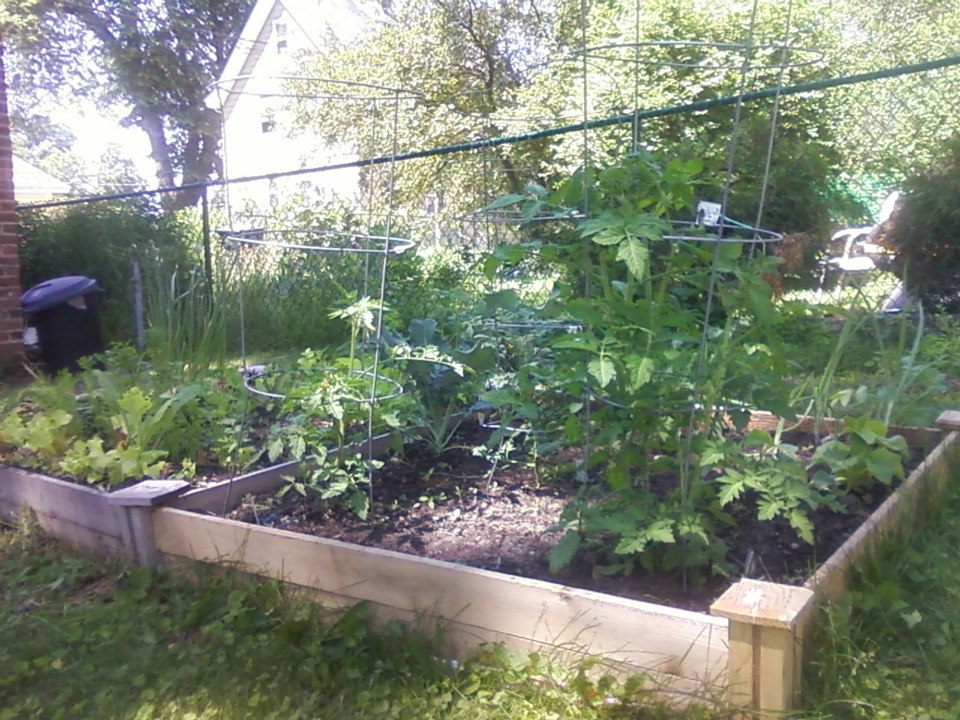 You may have read several posts on this blog relating to the non-spring-like weather we have been experiencing here in the Midwest. Well, it’s still cold, but the weather has to break sooner or later and that concept has me so excited to get my garden going! Have you ever considered gardening? Are you new to gardening? You may have considered it and gotten overwhelmed by the details- What class should I take? What books should I read? What do I do?
I am here to tell you to Just Do It! There is nothing like watching your own food grow and then eating it. Things have been growing in the dirt since the beginning of time with no help from humans, so if you approach your garden project with this in mind and just aim to take it lightly, gardening can be really fun! I got started about four years ago only because someone at work left a flat full of different seedlings and a sign that said help yourself. I waited until the end of the day and only a few disappeared, so I carried the whole flat home on the bus and got started with just a 4´ × 4´ plot. Here are some beginner tips; just things I’ve learned over the last few years, that may help you get started. All these tips will be from a Madison, WI, perspective, but should be applicable anywhere in the midwest. Continue reading “Vegetable Gardening for Beginners”
Science Confirms What We’ve Always Suspected: Potato Chips are Irresistible
 I love potato chips. There’s something very satisfying about the crunch of a good chip. The problem with chips, other than the obvious effect they have on my waistline, is that I can’t eat just one. Neither can my husband, who loves to open a bag of potato chips while I’m preparing dinner! To explain the disappearance of the potato chips, we joke that the chip-eating culprit in our house is not my husband but a giant mouse that has developed a taste for salty snacks.
Recent research presented by Tobias Hoch at a meeting of the American Chemical Society shows that not only do rodents love potato chips but that this attraction may not be due solely to the high ratio of fats and carbohydrates, which is one proposed explanation for the “bet you can’t eat just one” phenomenon. There is something else that makes potato chips irresistible. Continue reading “Science Confirms What We’ve Always Suspected: Potato Chips are Irresistible”
Rats to the Rescue! From Landmines to Tuberculosis, These Rats Have a Nose to Help
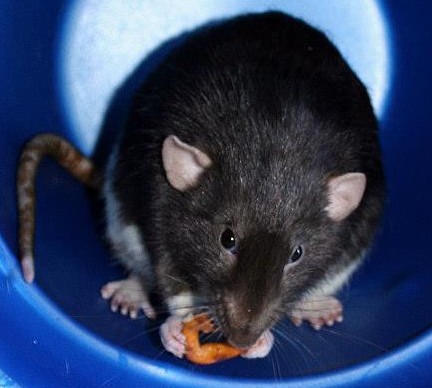 A little over a year ago, I wrote about many of the characteristics of the domestic rat that made them an unexpectedly good choice for a family pet. Since I wrote that blog, my family has welcomed three very personable rats into our home.
To my family, rats are funny, playful, treat-stealing companions. However, in other areas of the world, some distant cousins to our mischievous threesome have become real-world heroes. These rats help clear fields of landmines and, as if that were not heroic enough, significantly increase the number of diagnosed tuberculosis infections. Continue reading “Rats to the Rescue! From Landmines to Tuberculosis, These Rats Have a Nose to Help”
The Price for Convenience May Not Be That Pricey After All

I was having a discussion with my mother just the other day about cleaning products (lively topic, I know). She showed me her newest time saver…prediluted bleach. Huh, I thought. I guess that does save a bit of time, but I couldn’t resist telling her that she was paying triple the price for a whole lot of water. She said, without pause, that it was worth it to her to not have to splash fully concentrated bleach around. A convenience worth paying for, in her words.
I don’t know why this struck me as odd. I pay for convenience all the time as I get older. When I started running gels back in college, I wouldn’t have dreamed of buying a precast gel, but several years into my lab life I found myself running more than 15 gels a week, so precast was really a convenient alternative. When I was a grad student, I poured all of my own plates (and most of the plates for older students, too!). Fast forward a few years, and I running upwards of 300 microbial selective cultures per week. The switch to prepoured plates was a no brainer.
When put in the context of what our time is worth, would you rather be thawing and mixing loading dyes, buffers, stains, reagents, etc., or are you better of grabbing a premixed, room-temp stable dye or ladder/loading dye mix off the shelf and getting on with your research? I think most scientists would agree that these small conveniences allow you to free up a little more time to do the important work you should be doing.
I’m curious…what time savers or convenience items do you find that make your day a little easier in the lab?
Spring! Well, It’s Almost Here….
 It’s Spring! Well, if you’re here in the Midwest, you might think I have lost my mind with temps in the 30’s and low 40’s, but it will be here before we know it! I know that I have Spring on my mind, and with that, I need to clean my house. I don’t know about you, but this winter has been horrible on my family for sicknesses—we can’t seem to get rid of these germs. That’s enough! I’m cleaning the house from top to bottom!
I don’t know about you, but the task of getting it all done seems quite daunting. I live in a average sized home, so it’s not the size, but it still seems like I have a lot of ground to cover. Especially because I want it done in one day.
So, I wanted to share some tips that I have used in the past, and some that I have received from friends and relatives, particularly this year with the amount of illness we have had in our home lately. Continue reading “Spring! Well, It’s Almost Here….”
Now Available for Purchase: Promega Colony Counter App
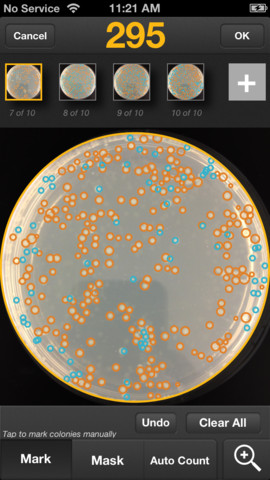 Do you count colonies on agar plates? Do you often need to average counts over a series of plates? The Promega Colony Counter app for iPhone® (3GS, 4S, and 5) and iPod® Touch (4th and 5th generation) allows you to take a picture of your plate, obtain a good first-guess count and refine it quickly by marking additional colonies and masking areas where the app may have over-counted.
The app is available for purchase for 3.99 USD from the iTunes store in North America and Europe.
