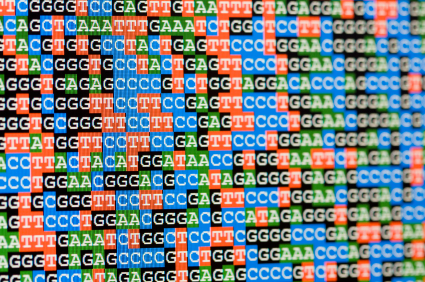
 While the forensic and general communities continue to argue about the merits of the recent Supreme Court ruling on collection of samples from arrestees prior to conviction, I am fascinated by the technology that make this question relevant. The conventional way of generating a DNA profile from a sample by STR (short tandem repeat) analysis is a long process involving a series of steps that require sophisticated expensive equipment, trained personnel and, more importantly, time. The actual process of DNA analysis consists of a) sample collection, b) DNA extraction, c) PCR amplification using 16 or more unique fluorescently labeled primer sets d) capillary electrophoresis to size labeled DNA amplicons, e) software analysis to size DNA fragments and allele calls based on migration of allelic ladder fragments, and f) comparison to known profiles in the database. This entire workflow can typically take days or even weeks, and therefore it is not surprising that we see newspaper reports of backlogs of criminal and other property cases. With these time ranges, the sample collected at a site would be of no practical use to most ongoing investigations. Continue reading “Rapid DNA Technology: Establishing your Identity in Less than Two Hours”
General
Priming an Effective T cell Response to Cancer
Cancer vaccines have been in progress for some time now. But a vaccine that is highly effective against cancer is not currently available.
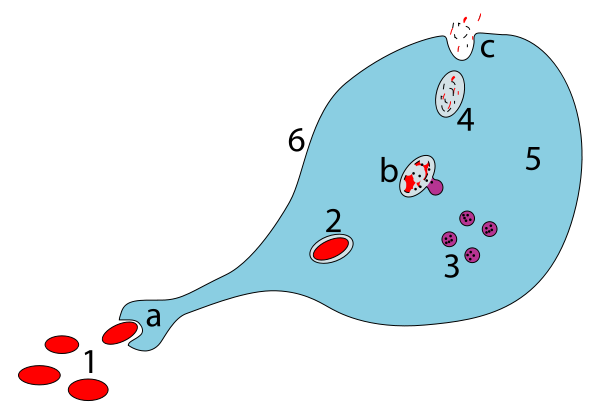
However, an interesting report from Stanford University School of Medicine researchers, Dr. Irving Weissman, et al. shows some promise in a development of an altered means of stimulating the immune system, that could result in a stronger immune response and ultimately a better cancer vaccine. The paper by Weissman et al. was published electronically ahead of print in PNAS USA, May 20, 2013: “Anti-CD47 antibody-mediated phagocytosis of cancer by macrophages primes an effective antitumor T-cell response.”
Continue reading “Priming an Effective T cell Response to Cancer”
OneZoom, The Fractal Phylogenic Tree Explorer
I am reminded daily that we live in an age of wonders. To find out where somebody lives, I plug in their address into any one of a number of mapping web applications, and instantly see their neighborhood, detailed satellite views, driving directions, even gas stations nearby should I need to stop by one. I can similarly figure out who people are and how I’m connected to them with a variety of social networks, and all these data are delivered painlessly: No flipping through gargantuan phonebooks, no need for obscure incantations to formulate database queries.
Scientific visualization has been catching up in fits and starts to this new world of ubiquitous and trivially accessible relationship data. This is partly due to the inherent complexity of scientific data, and partly due to the vastly smaller user base that would benefit from such an endeavor, and the limited resources available to researchers. There are certain scientific datasets, however, that are eminently suited to benefit from this new visualization paradigm.
Consider the phylogenetic tree of living creatures: representing how different species are related to each other. Long ago in school, for example, I was taught that tetrapods (vertebrates, except for the fishes) were grouped into amphibians, reptiles, birds and mammals, pretty much in that order and with very little sense of how little or much diversity each of those groups encompassed. Since then, genetic sampling has revolutionized our understanding of the tree of life. However I’m pretty confident that kids are still taught about amphibians, reptiles, birds, and mammals, in pretty much that order. Perhaps somebody mentions that the dividing lines aren’t quite as clear-cut anymore, but that probably just muddles things even more.
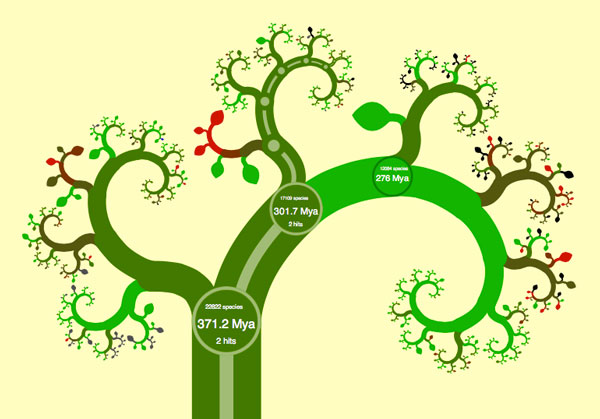
James Rosindell and Luke Harmon took on this problem of visualizing the modern, genetics-based understanding of phylogeny in a way that is accessible to the general public. Their approach was inspired by the navigation conventions of Google maps, and by the aesthetics of fractals, especially the tree-like L-systems. Continue reading “OneZoom, The Fractal Phylogenic Tree Explorer”
Peeking Inside the Chrysalis: Metamorphosis in 3-D
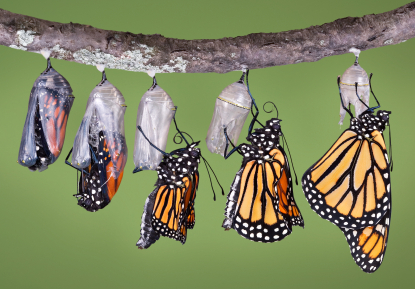
Metamorphosis. In the case of butterflies, it is nature’s version of the great makeover. A plump and slow caterpillar transforms itself into a chrysalis and, tucked snuggly away from the curious prying eyes of the world, metamorphoses into a colorful, graceful butterfly.
Growing up in Iowa, my sister and I had a summer tradition of stalking the milkweed plants in search of Monarch caterpillars. Once we captured our prey, we brought our new acquisitions home and placed them in lovingly crated Mason jar containers filled with milkweed leaves and sticks. Over the next few days these lucky caterpillars lived in the lap of luxury with a constant supply of milkweed leaves. Once the time came for the caterpillar to transform into a chrysalis, we waited with baited breath for the butterfly to emerge.
As a child, those ten or so days I spent watching the unchanging chrysalis were filled with breathless speculation about what must be happening inside. Years later in biology class I learned all about the stages of butterfly development and what was really happening inside the shell of the chrysalis. This knowledge came with a little kernel of sadness though, because there was only one way for science to have figured out what was happening inside the chrysalis, and that way did not end well for the butterfly-to-be.
Wouldn’t it have been nice if we could take pictures of what was happening inside the chrysalis without disturbing nature’s makeover mid cycle?
Continue reading “Peeking Inside the Chrysalis: Metamorphosis in 3-D”Dietary Analysis, DNA Style
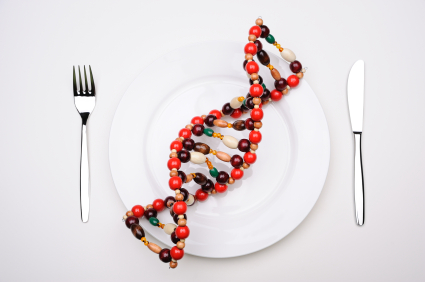 DNA testing methods are being used to solve problems in an ever-increasing number of fields. From crime scene analysis to tissue typing, from mammoths to Neanderthals, and from Thutmose I to Richard III, both modern mysteries and age-old secrets are being revealed. The availability of fast, accurate, and convenient DNA amplification and sequencing methods has made DNA analysis a viable option for many types of investigation. Now it is even being applied to solve such mundane mysteries as the precise ingredients used in a sausage recipe, and to answer that most difficult of questions “what exactly is in a doner kebab?” Continue reading “Dietary Analysis, DNA Style”
It Isn’t Spring Until the Birds Arrive
With spring finally gaining a foothold in the upper Midwest as temperatures rose above 60 degrees Fahrenheit this weekend, everyone including myself has been spending more time outdoors. Like my fellow blogger Karen, I am a gardener and have been digging and planting everything from raspberries to currants to apple and peach trees.
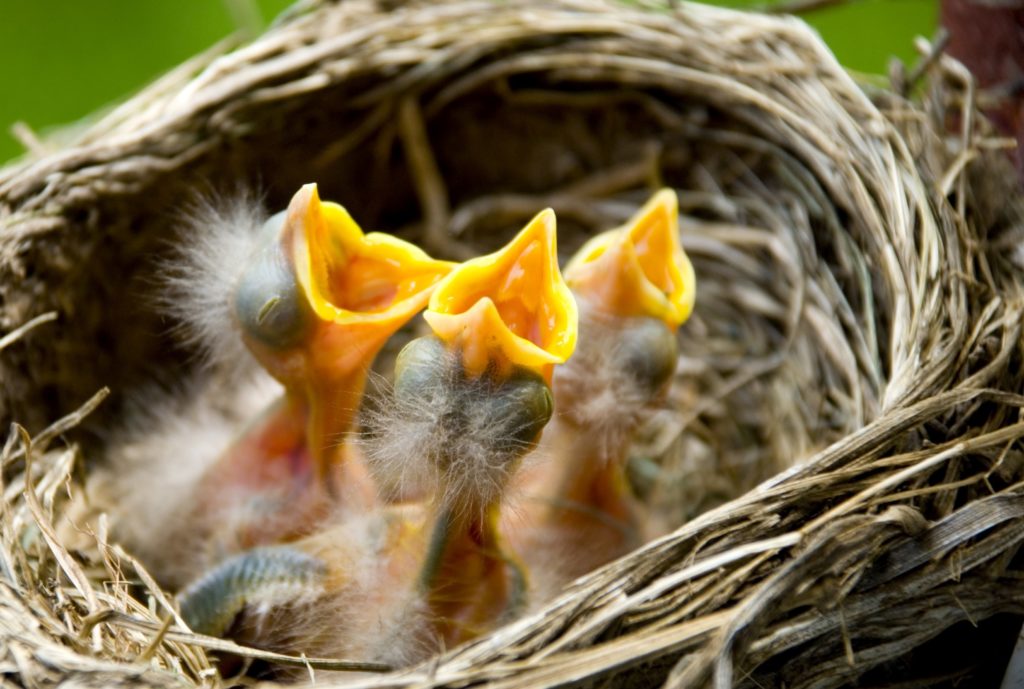
However, one of my favorite parts of spring is hearing and seeing all the birds that flit around my property. Ironically, I was outside in a hat, gloves and coat when I heard my first redwing blackbirds of the season but since then, robins have taken up residence, and the house sparrows have returned, stealing the grass seed I scattered on my rather thin lawn. Nuthatchers are entertaining to watch as they peck at tree bark upside down while they hunt for food. An eastern bluebird has taken up residence nearby, and I enjoy spotting him every day, sitting in a tree or resting on my shepherd’s hook. The chickadees are fun to spot as they switch branches on a tree. Crows occasionally stop by especially if I have left out some pizza crusts for them. Turkeys have even hung around my front lawn, and I startled them (and they, me) as I opened my front door and they quickly flew away. I was up early one morning before most birds were active and all I could hear was “gobble, gobble, gobble”.
I’m still learning about all the different birds that stop over on my property as I expect there are more I have not identified. Which birds do you enjoy spotting in the spring?
Vegetable Gardening for Beginners
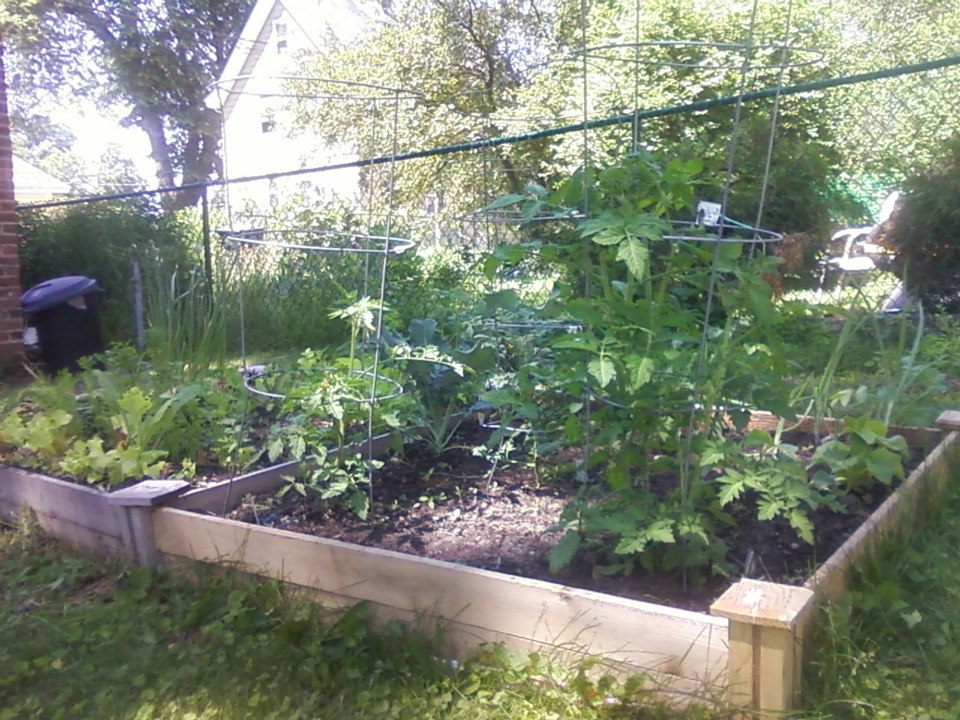 You may have read several posts on this blog relating to the non-spring-like weather we have been experiencing here in the Midwest. Well, it’s still cold, but the weather has to break sooner or later and that concept has me so excited to get my garden going! Have you ever considered gardening? Are you new to gardening? You may have considered it and gotten overwhelmed by the details- What class should I take? What books should I read? What do I do?
I am here to tell you to Just Do It! There is nothing like watching your own food grow and then eating it. Things have been growing in the dirt since the beginning of time with no help from humans, so if you approach your garden project with this in mind and just aim to take it lightly, gardening can be really fun! I got started about four years ago only because someone at work left a flat full of different seedlings and a sign that said help yourself. I waited until the end of the day and only a few disappeared, so I carried the whole flat home on the bus and got started with just a 4´ × 4´ plot. Here are some beginner tips; just things I’ve learned over the last few years, that may help you get started. All these tips will be from a Madison, WI, perspective, but should be applicable anywhere in the midwest. Continue reading “Vegetable Gardening for Beginners”
Science Confirms What We’ve Always Suspected: Potato Chips are Irresistible
 I love potato chips. There’s something very satisfying about the crunch of a good chip. The problem with chips, other than the obvious effect they have on my waistline, is that I can’t eat just one. Neither can my husband, who loves to open a bag of potato chips while I’m preparing dinner! To explain the disappearance of the potato chips, we joke that the chip-eating culprit in our house is not my husband but a giant mouse that has developed a taste for salty snacks.
Recent research presented by Tobias Hoch at a meeting of the American Chemical Society shows that not only do rodents love potato chips but that this attraction may not be due solely to the high ratio of fats and carbohydrates, which is one proposed explanation for the “bet you can’t eat just one” phenomenon. There is something else that makes potato chips irresistible. Continue reading “Science Confirms What We’ve Always Suspected: Potato Chips are Irresistible”
Rats to the Rescue! From Landmines to Tuberculosis, These Rats Have a Nose to Help
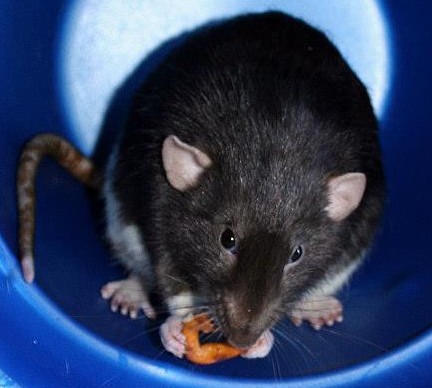 A little over a year ago, I wrote about many of the characteristics of the domestic rat that made them an unexpectedly good choice for a family pet. Since I wrote that blog, my family has welcomed three very personable rats into our home.
To my family, rats are funny, playful, treat-stealing companions. However, in other areas of the world, some distant cousins to our mischievous threesome have become real-world heroes. These rats help clear fields of landmines and, as if that were not heroic enough, significantly increase the number of diagnosed tuberculosis infections. Continue reading “Rats to the Rescue! From Landmines to Tuberculosis, These Rats Have a Nose to Help”
Spring! Well, It’s Almost Here….
 It’s Spring! Well, if you’re here in the Midwest, you might think I have lost my mind with temps in the 30’s and low 40’s, but it will be here before we know it! I know that I have Spring on my mind, and with that, I need to clean my house. I don’t know about you, but this winter has been horrible on my family for sicknesses—we can’t seem to get rid of these germs. That’s enough! I’m cleaning the house from top to bottom!
I don’t know about you, but the task of getting it all done seems quite daunting. I live in a average sized home, so it’s not the size, but it still seems like I have a lot of ground to cover. Especially because I want it done in one day.
So, I wanted to share some tips that I have used in the past, and some that I have received from friends and relatives, particularly this year with the amount of illness we have had in our home lately. Continue reading “Spring! Well, It’s Almost Here….”