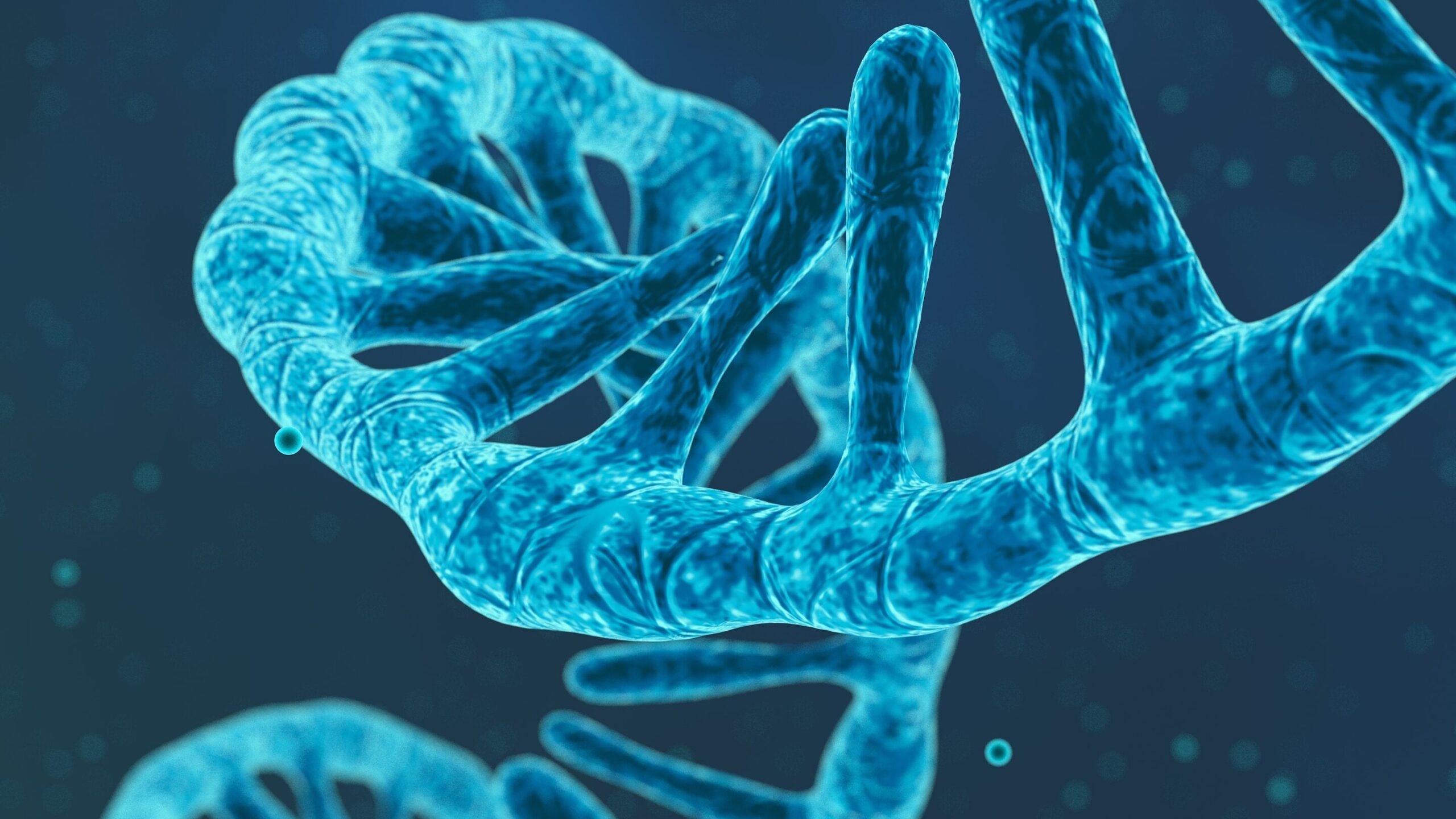
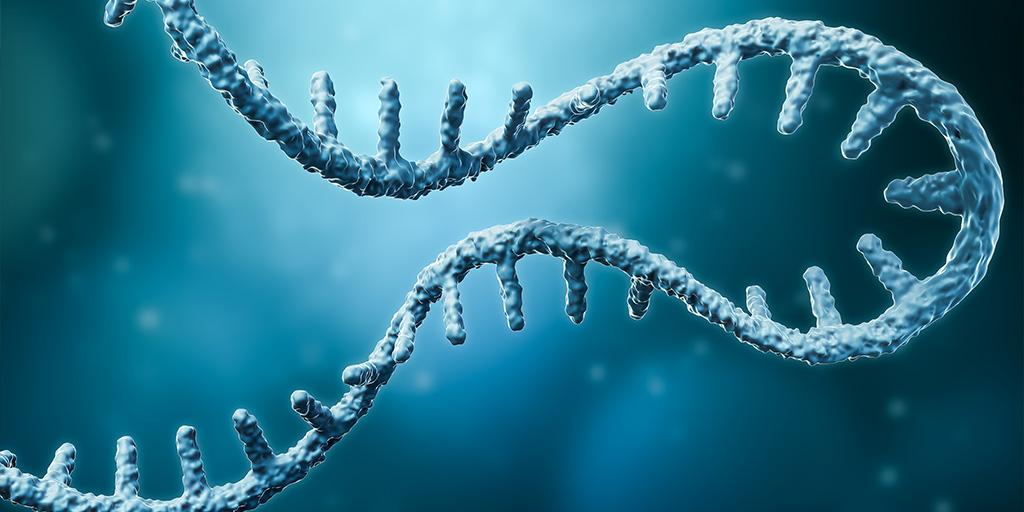
mRNA-based therapeutics are being explored across a range of applications, including vaccines, protein replacement and immunotherapies (2).
Before any formulation decisions enter the picture, teams need confidence in the RNA itself: that it is the right sequence, right properties and the right purity to behave predictably downstream. That is where it helps to separate drug substance from drug product. The drug substance is the active ingredient intended to deliver a pharmacological effect, while drug product is the finished dosage form that contains that ingredient (6).
This post focuses on what happens upstream, making the mRNA drug substance before formulation. In practical terms, that upstream work spans choosing an mRNA construct, producing it by IVT, and then purifying and analyzing the product so it has the desired quality attributes (5).
Most of us first meet woolly mammoths as Manny from Ice Age (a gentle giant with main character energy) or as towering skeletons in museum halls. In the lab, though, mammoths can show up in many ways: such as fragile molecules preserved in permafrost for tens of thousands of years.
Ancient DNA has already helped scientists piece together mammoth genomes. Now scientists have done something wilder: they’ve pulled ancient RNA out of a ~39,000-year-old woolly mammoth and used it to see which genes were being expressed in its muscle tissue. In a new study, researchers showed that not only can woolly mammoth DNA survive tens of thousands of years in permafrost, but RNA, the fragile, quick-to-degrade “live feed” of the cell, can too.
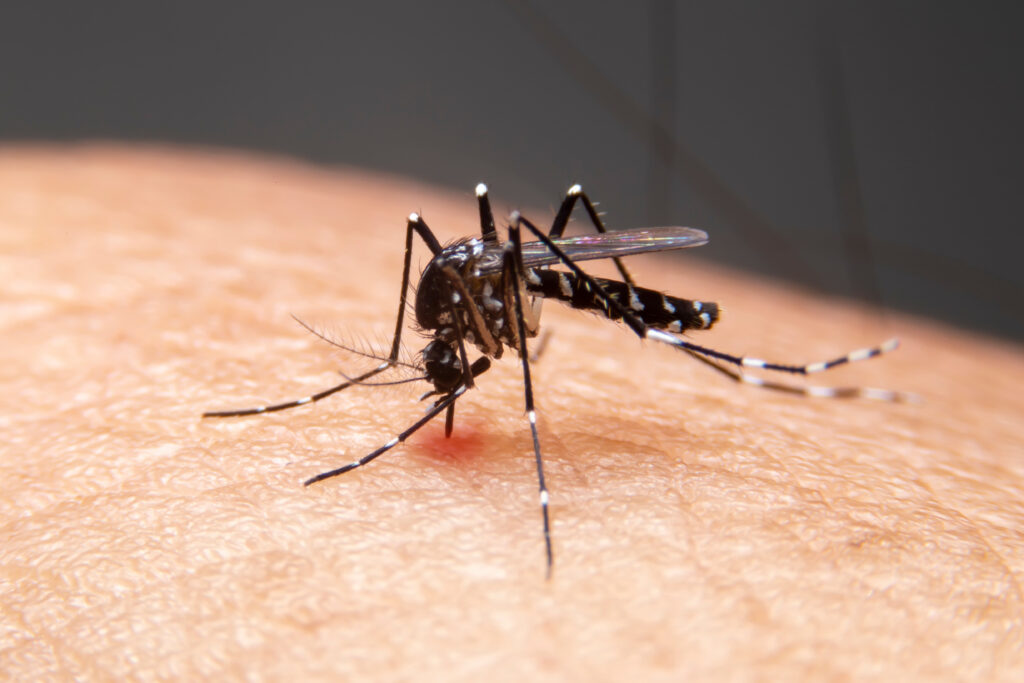
Festival season is here—and apparently, mosquitoes got tickets too.
If you have ever been the person in your friend group who ends a summer concert covered in large, itchy welts while everyone else goes home bite-free, you are not imagining things. Some people really are mosquito magnets.
A new study, aptly titled “Blood, Sweat, and Beers,” set out to uncover what makes certain humans irresistible to mosquitoes. But instead of a sterile lab or a rainforest expedition, this experiment took place at one of the Netherlands’ biggest music festivals; Lowlands, a three-day party with 65,000 attendees, questionable hygiene and plenty of beer. In other words: the perfect breeding ground for this science experiment.
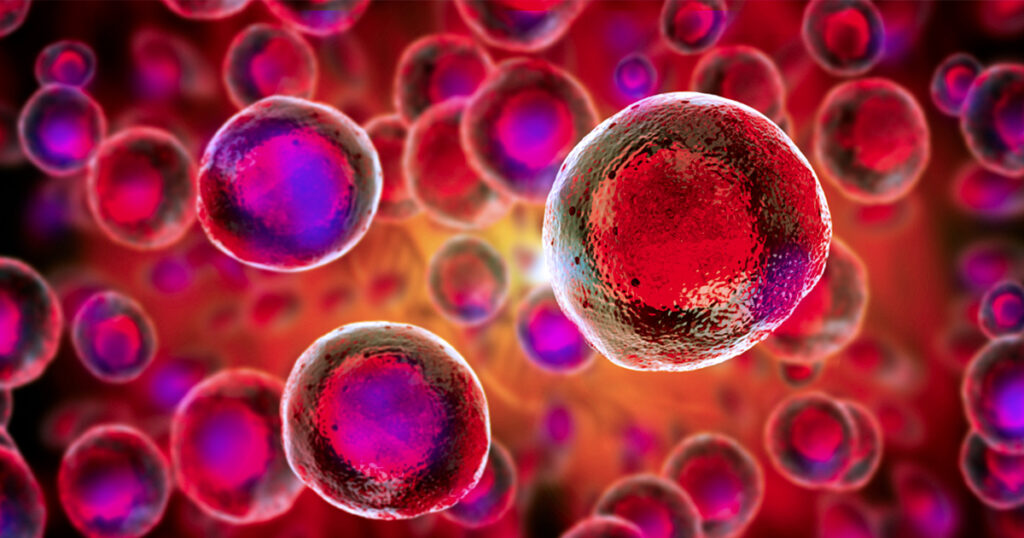
Transfection is a core technique in molecular biology used to introduce foreign nucleic acids—such as DNA, RNA, or small RNAs like siRNA, shRNA, and miRNA—into eukaryotic cells. This enables researchers to manipulate gene expression and study cellular processes, disease mechanisms and therapeutic strategies (1).
Advances in transfection technology now support a range of nucleic acid types and cell models. Researchers can pursue transient or stable expression to achieve specific goals: knocking down transcripts, expressing proteins, or probing promoter activity in systems from immortalized lines to stem cells (1).
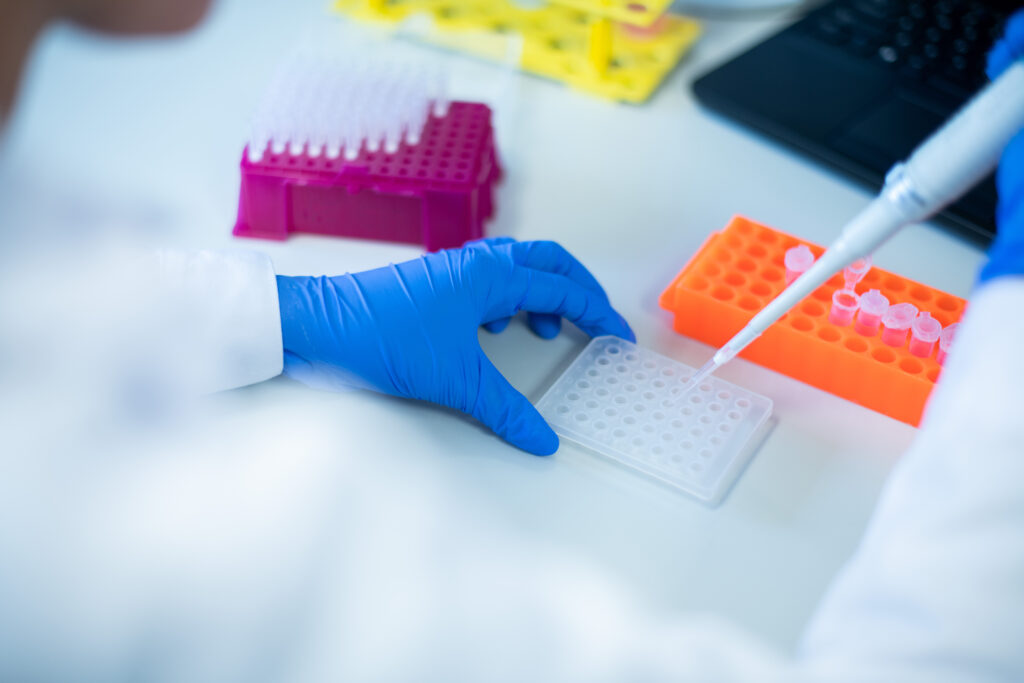
RT-qPCR (reverse transcription quantitative PCR) is a powerful technique for quantifying RNA expression—but it doesn’t always cooperate. Even when you’ve followed the protocol carefully, unexpected results can appear: flat curves, unexpected Cq values, or inconsistent replicates. When that happens, you’re left wondering… what went wrong?
In this blog, we’ll walk through five key questions to help you troubleshoot RT-qPCR issues with confidence. From common errors to more stubborn challenges, we’ll also explore what to consider when technique isn’t fully the problem—and when it might be time to rethink your reagents.
Today’s blog is written by guest blogger, Gabriela Saldanha, Senior Product Marketing Manager at Promega.
Quantitative PCR (qPCR) is an indispensable tool for nucleic acid analysis, widely used in research, clinical diagnostics and applied sciences. Its sensitivity and specificity make it a powerful method for detecting and quantifying DNA and RNA targets. However, qPCR reactions are highly susceptible to inhibitors—substances that interfere with enzyme activity, primer binding, or fluorescent signal detection. These inhibitors can originate from biological samples, environmental contaminants, or laboratory reagents, potentially leading to inaccurate quantification, poor amplification efficiency, or complete reaction failure.
Recent research reveals that starfish anatomy is even stranger than previously thought
Most animals in the world are what biologists refer to as “bilateral”—their left and right sides mirror one another. It is also typically easy to tell which part of most animals is the top and which is the bottom. The anatomical arrangements of certain other animals, however, are slightly more confounding, for instance in the case of echinoderms, which include sea urchins, sand dollars and starfish. These animals are “pentaradial”, with five identical sections of the body radiating from a central axis. The question of how these creatures evolved into such a state has been a puzzle pondered by many a biologist, with little progress made until recently. In a new study published in Nature, scientists closely examining the genetic composition of starfish point to some key evidence that suggests a starfish is mostly just a head.
Starfish are a deuterostome, belonging to the superphylum Deuterostomia. Most deuterostomes are bilateral, leading scientists to believe that, despite their peculiar body plan, starfish evolved from a bilateral ancestor. This is supported by the fact that starfish larvae actually start out bilateral, and eventually transform into the characteristic star shape. But where the head of the starfish is, or whether it even has one, has proved difficult for scientists to parse out, especially since their outward structure offers no real clues.
There have been a number of theories posited, such as the duplication hypothesis—where each of the five sections of a starfish could be considered “bilateral”, placing the head at the center—and the stacking hypothesis, which asserts that the body is stacked atop the head. In a bilateral body plan, anterior genes broadly code for the front, or the head-region, and posterior genes are primarily responsible for the tail. The torso, or “trunk”, is the result of complex interplay between both anterior and posterior, as well as other types of genes. Researchers in this new study looked at the expression of these genes throughout the body plan as a possible source of clarity as to which part of the starfish is its head and which parts comprise the body.
To this end, researchers used advanced molecular and genetic sequencing techniques including RNA tomography and in situ hybridization. RNA tomography allowed them to create a three-dimensional map of gene expression throughout the limbs of the sea star Patiria miniate. In situ hybridization is a fluorescent staining technique that offered them a means by which to examine where exactly anterior or posterior genes are expressed in the sea star’s tissue, providing a clearer picture of genetic body patterning.
Remarkably, scientists found that anterior or head-coding genes were expressed in the starfish’s skin, including head-like regions appearing in the center, or midline, of each arm, while tail-coding genes were only seen at the outer edges of the arms. Perhaps even more remarkable was the lack of genetic patterning accounting for a trunk or torso, leading scientists to the conclusion that starfish are, for the most part, just heads.
Whether this holds true for other echinoderms remains to be proven, and further investigations into starfish anatomy may seek to pinpoint where in the timeline the trunk was lost. Overall, research like this helps scientists understand how life came to look the way it does. Oddly shaped creatures like the humble starfish can offer insight into the strange evolutionary processes that result in such rich biodiversity across the animal kingdom.
From macrophages that seek out and destroy infectious agents to fibroblasts that hold tissues and organs together, cells give form and function to our bodies. However, despite their foundational roles in our biology, there is still much we don’t know about cells—like where different cell types are localized, what states a given cell type may take on, how the molecular characteristics of cells change over a person’s lifetime and more. Addressing these questions will provide a deeper understanding about the cellular and genetic basis of human health and disease.
Almost 90% of the human genome is transcribed into RNA, but only 3% is ultimately translated into a protein. Some non-translated RNA is thought to be useless, while some play a significant yet often mysterious role in cancer and other diseases. Despite its abundance and biological significance, RNA is rarely the target of therapeutics.
“We say it’s undruggable, but I would say that ‘not-yet-drugged’ is a better way to put it,” says Amanda Garner, Associate Professor of Medicinal Chemistry at the University of Michigan. “We know that RNA biology is important, but we don’t yet know how to target it.”
Amanda’s lab develops systems to study RNA biology. She employs a variety of approaches to analyze the functions of different RNAs and study their interactions with proteins. Her lab recently published a paper describing a novel method for studying RNA-protein interactions (RPI) in live cells. Amanda says that with the right tools, RPI could become a critical target for drug discovery.
“It’s amazing that current drugs ever work, because they’re all based on really old approaches,” Amanda says. “This isn’t going to be like developing a small molecule kinase inhibitor. It’s a whole new world.”
The past year has been a challenge. Amidst the pandemic, we’re thankful for the tireless work of our dedicated employees. With their support, we have continuously stayed engaged and prepared during all stages of the COVID-19 pandemic so that we can serve our customers at the highest levels.
How We Got Here
The persistent work by our teams has made a great impact on the support we can provide for scientists and our community during the pandemic. From scaling up manufacturing to investing in new automation, every effort has helped.
Promega has a long history of manufacturing reagents, assays, and benchtop instruments for both researching and testing viruses. When the pandemic began in 2020, we responded quickly and efficiently to unprecedented demands. In the past year, we experienced an approximately 10-fold increase in demand for finished catalog and custom products for COVID-19 testing. In response to these demands, we increased production lines. One year ago, we ran one shift five days per week. Currently, we run three shifts seven days per week. This change has allowed 50 different Promega products to support SARS-CoV-2 testing globally in hospitals, clinical diagnostic laboratories, and molecular diagnostic manufacturers. Additionally, our clinical diagnostics materials make up about 2/3 of COVID-19 PCR tests on the global market today. Since January 2020, Promega has supplied enough reagents to enable testing an estimated 700 million samples for SARS-CoV-2 worldwide.
Developments and Advances
Promega products are used in viral and vaccine research. This year, our technologies have been leveraged for virtually every step of pandemic response from understanding SARS-CoV-2 to testing to research studies looking at vaccine response.
Promega product: The Lumit™ Dx SARS-CoV-2 Immunoassay
We are extremely grateful for our employees. In the past year, we hired over 100 people and still have positions open today. While welcoming newcomers, this challenging year also reinforced the importance of our collaborative culture. Relationships at Promega have been built over multiple years. The long history of our teams allows us to stay coordinated while prioritizing product distribution to customers across the globe. It also leads to effective communication with colleagues and vendors. Those leading our manufacturing operations team, for example, have an average tenure of 15 years. Their history in collaborating through challenging situations helps them quickly focus where needed most.
Our 600 on-site employees support product manufacturing, quality, and R&D. They do it all while remaining COVID-conscious by social distancing, wearing masks, working split shifts, and restricting movement between buildings. While we continue to practice physical safety precautions, we also prioritize our employees’ mental health and wellness. Promega provides a variety of wellness resources including phone and video mental health sessions, virtual fitness and nutrition classes, and stress and anxiety tools.
What’s to Come
While we acknowledge that the COVID-19 is not over, we are proud of the support we have been able to provide to customers working both on pandemic research and critical research not related to COVID-19. Our policies of long-term planning and investing in the future has allowed us to respond quickly and creatively and learn from the experience.
XWe use cookies and similar technologies to make our website work, run analytics, improve our website, and show you personalized content and advertising. Some of these cookies are essential for our website to work. For others, we won’t set them unless you accept them. To learn more about our approach to Privacy we invite you to Read More
By clicking “Accept All”, you consent to the use of ALL the cookies. However you may visit Cookie Settings to provide a controlled consent.
We use cookies and similar technologies to make our website work, run analytics, improve our website, and show you personalized content and advertising. Some of these cookies are essential for our website to work. For others, we won’t set them unless you accept them. To find out more about cookies and how to manage cookies, read our Cookie Policy.
If you are located in the EEA, the United Kingdom, or Switzerland, you can change your settings at any time by clicking Manage Cookie Consent in the footer of our website.
Necessary cookies are absolutely essential for the website to function properly. These cookies ensure basic functionalities and security features of the website, anonymously.
Cookie
Duration
Description
cookielawinfo-checbox-analytics
11 months
This cookie is set by GDPR Cookie Consent plugin. The cookie is used to store the user consent for the cookies in the category "Analytics".
cookielawinfo-checbox-functional
11 months
The cookie is set by GDPR cookie consent to record the user consent for the cookies in the category "Functional".
cookielawinfo-checbox-others
11 months
This cookie is set by GDPR Cookie Consent plugin. The cookie is used to store the user consent for the cookies in the category "Other.
cookielawinfo-checkbox-advertisement
1 year
The cookie is set by GDPR cookie consent to record the user consent for the cookies in the category "Advertisement".
cookielawinfo-checkbox-necessary
11 months
This cookie is set by GDPR Cookie Consent plugin. The cookies is used to store the user consent for the cookies in the category "Necessary".
cookielawinfo-checkbox-performance
11 months
This cookie is set by GDPR Cookie Consent plugin. The cookie is used to store the user consent for the cookies in the category "Performance".
gdpr_status
6 months 2 days
This cookie is set by the provider Media.net. This cookie is used to check the status whether the user has accepted the cookie consent box. It also helps in not showing the cookie consent box upon re-entry to the website.
lang
This cookie is used to store the language preferences of a user to serve up content in that stored language the next time user visit the website.
viewed_cookie_policy
11 months
The cookie is set by the GDPR Cookie Consent plugin and is used to store whether or not user has consented to the use of cookies. It does not store any personal data.
Analytical cookies are used to understand how visitors interact with the website. These cookies help provide information on metrics the number of visitors, bounce rate, traffic source, etc.
Cookie
Duration
Description
SC_ANALYTICS_GLOBAL_COOKIE
10 years
This cookie is associated with Sitecore content and personalization. This cookie is used to identify the repeat visit from a single user. Sitecore will send a persistent session cookie to the web client.
vuid
2 years
This domain of this cookie is owned by Vimeo. This cookie is used by vimeo to collect tracking information. It sets a unique ID to embed videos to the website.
WMF-Last-Access
1 month 18 hours 24 minutes
This cookie is used to calculate unique devices accessing the website.
_ga
2 years
This cookie is installed by Google Analytics. The cookie is used to calculate visitor, session, campaign data and keep track of site usage for the site's analytics report. The cookies store information anonymously and assign a randomly generated number to identify unique visitors.
_gid
1 day
This cookie is installed by Google Analytics. The cookie is used to store information of how visitors use a website and helps in creating an analytics report of how the website is doing. The data collected including the number visitors, the source where they have come from, and the pages visted in an anonymous form.
Advertisement cookies are used to provide visitors with relevant ads and marketing campaigns. These cookies track visitors across websites and collect information to provide customized ads.
Cookie
Duration
Description
IDE
1 year 24 days
Used by Google DoubleClick and stores information about how the user uses the website and any other advertisement before visiting the website. This is used to present users with ads that are relevant to them according to the user profile.
test_cookie
15 minutes
This cookie is set by doubleclick.net. The purpose of the cookie is to determine if the user's browser supports cookies.
VISITOR_INFO1_LIVE
5 months 27 days
This cookie is set by Youtube. Used to track the information of the embedded YouTube videos on a website.
Performance cookies are used to understand and analyze the key performance indexes of the website which helps in delivering a better user experience for the visitors.
Cookie
Duration
Description
YSC
session
This cookies is set by Youtube and is used to track the views of embedded videos.
_gat_UA-62336821-1
1 minute
This is a pattern type cookie set by Google Analytics, where the pattern element on the name contains the unique identity number of the account or website it relates to. It appears to be a variation of the _gat cookie which is used to limit the amount of data recorded by Google on high traffic volume websites.