Your Media Choice Might Be Designing Your T-Cell Fate

Why Metabolism Matters in T-Cell Expansion
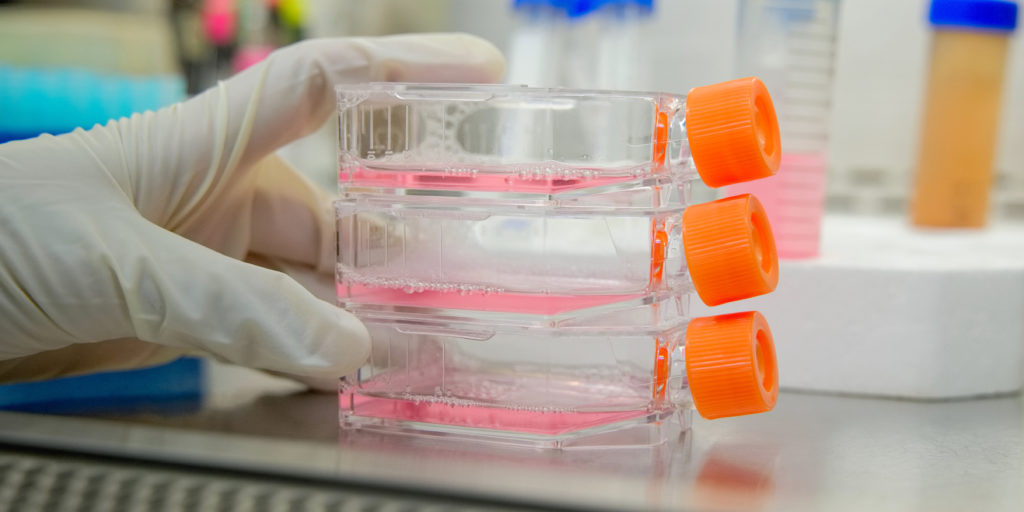
Adoptive T-cell therapies rely on generating metabolically fit, functional cells during ex vivo expansion—but this process often pushes T cells toward highly glycolytic, terminally differentiated states that limit their persistence and therapeutic potential. These metabolic programs begin shifting within hours of activation, therefore understanding early metabolic remodeling is essential for designing culture conditions that support durable, cytotoxic, and memory-enriched T-cell populations.

Researchers at Promega set out to address this challenge by systematically mapping how media composition and activation strength shape T-cell metabolism during the first 72 hours after stimulation. Using a suite of bioluminescent assays, they profiled intracellular energy cofactors, redox balance, and extracellular metabolites across several conditions. This approach revealed distinct, media-driven metabolic states that not only emerged early but also predicted downstream expansion, proliferation, and cytotoxic function.

Their work demonstrates how integrating metabolic profiling into in vitro expansion workflows can provide a more informed framework for optimizing T-cell manufacturing strategies.

Continue reading “Your Media Choice Might Be Designing Your T-Cell Fate”

CRISPR/Cas9 Endogenous Tagging in Drug Discovery

Limitations of Traditional Protein Study Methods 

Studying proteins in their native biological context has long been a major challenge in molecular biology. Traditional methods, although widely used, often distort the actual cellular environment and limit functional interpretation. Techniques like antibody-based detection or plasmid-driven overexpression can introduce artifacts and do not allow real-time analysis in living cells. 

In this context, the need for tools that enable the observation of proteins as they naturally occur, under physiological conditions, and within live cells is becoming increasingly evident in molecular biology. 

Continue reading “CRISPR/Cas9 Endogenous Tagging in Drug Discovery”

Accelerating Drug Discovery at Grove Biopharma with MyGlo® and ProNect®

At Grove Biopharma, the R&D team is advancing a rational design approach to drug discovery. Their Bionic Biologics™ Platform assembles custom-engineered peptides to target intracellular protein-protein interactions into stable, potent, cell permeable therapeutics. By combining the precision of biologics with the efficiency of synthesizing small molecules, Grove accelerates lead generation and optimization.

Grove’s technology enables targeting key proteins involved in cancer and neurodegenerative diseases for which effective therapeutics have historically been difficult to develop. Their candidate molecules focus on important targets such as the Androgen Receptor splice variant, SHOC2 within the RAS/RAF pathway, the MYC-regulator WDR5, a Tau isoform relevant to Alzheimer’s Disease, and the Keap1-Nrf2 interaction associated with neurodegeneration. These programs have made significant progress and now represent some of the most advanced agents in their pipeline.

Continue reading “Accelerating Drug Discovery at Grove Biopharma with MyGlo® and ProNect®”

CRISPR/Cas9 Knock-In Tagging: Simplifying the Study of Endogenous Biology

Understanding the expression, function and dynamics of proteins in their native environment is a fundamental goal that’s common to diverse aspects of molecular and cell biology. To study a protein, it must first be labeled—either directly or indirectly—with a “tag” that allows specific and sensitive detection.

Using a labeled antibody to the protein of interest is a common method to study native proteins. However, antibody-based assays, such as ELISAs and Western blots, are not suitable for use in live cells. These techniques are also limited by throughput and sensitivity. Further, suitable antibodies may not be available for the target protein of interest.

Continue reading “CRISPR/Cas9 Knock-In Tagging: Simplifying the Study of Endogenous Biology”

Targeted Protein Degradation: How Chemoproteomics and Induced Proximity Are Shaping Drug Discovery

Earlier this fall, more than 90 researchers from academia and industry gathered at the Promega Madison campus for the 4th TPD & Induced Proximity Symposium. The event focused on the rapidly advancing field of targeted protein degradation (TPD) and the broader concept of induced proximity—therapeutic strategies that bring two or more proteins into proximity to trigger a specific biological effect. 

This 4th year reflected of the symposium a maturing and diversifying field with chemoproteomics and proteomescale mapping redefining what it means to be “druggable,” while AI and high throughput biology are connecting molecular design to cellular function. Yet the mission remains unchanged—using molecular approaches that leverage the cellular machinery to make progress against targets once deemed “undruggable.” 

Continue reading “Targeted Protein Degradation: How Chemoproteomics and Induced Proximity Are Shaping Drug Discovery”

Cellular Selectivity Profiling: Unveiling Novel Interactions and More Accurate Compound Specificity

This blog was written by guest contributor Tian Yang, Associate Product Manager, Promega, in collaboration with Kristin Huwiler, Manager, Small Molecule Drug Discovery, Promega.

Determining the selectivity of a compound is critical during chemical probe or drug development. In the case of chemical probes, having a clearly defined mechanism of action and specific on-target activity are needed for a chemical probe to be useful in delineating the function of a biological target of interest in cells. Similarly, optimizing a drug candidate for on-target potency and reducing off-target interactions is important in the drug development process (1,2). A thorough understanding of the selectivity profile of a drug can facilitate drug repurposing, by enabling approved therapeutics to be applied to new indications (3). Interestingly, small molecule drugs do not necessarily require the same selectivity as a chemical probe, since some drugs may benefit from polypharmacology to achieve their desired clinical outcome.

Selectivity profiling panels based on biochemical methods have commonly been used to assess compound specificity for established target classes in drug discovery and chemical probe development. Biochemical assays are target-specific and often quantitative, enabling direct measurements of compound affinities for targets of interest and facilitate comparison of compound engagement to a panel of targets. As an example, several providers offer kinase selectivity profiling services using different assay formats and kinase panels comprised of 100 to 400 kinases (4). However, just as biochemical target engagement does not always translate to cellular activity, selectivity profiles based on biochemical platforms may not reflect compound selectivity in live cells (5).

Continue reading “Cellular Selectivity Profiling: Unveiling Novel Interactions and More Accurate Compound Specificity”

From Tracers to Kinetic Selectivity: Highlights from the Target Engagement in Chemical Biology Symposium

In April 2024, Promega hosted the “Target Engagement in Chemical Biology Symposium” at the Kornberg Center, a research and development hub on Promega’s campus in Madison, Wisconsin. The goal of the symposium was to gather interdisciplinary researchers interested in the field of small molecule target engagement to foster collaboration through knowledge sharing and innovation. The symposium featured a 1.5-day agenda packed with 23 speakers, 4 workshops, poster sessions and social events. Over 130 attendees gathered to participate in the multifaceted event, with participants from different geographic regions and in different research sectors from academia to government to industry.  

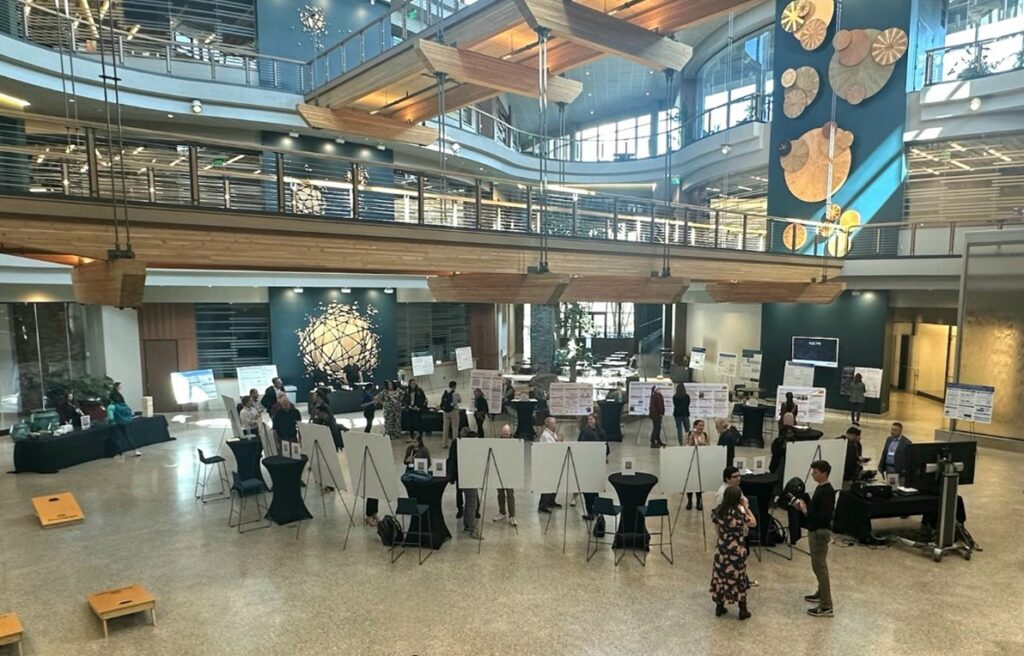
People gather in a large atrium with scientific posters and table displays.
Attendees gather for the poster session in Kornberg Atrium. Photo by Anna Bennett (Promega Corporation)

The symposium highlighted the collective commitment to overcoming the challenges in drug discovery by developing more targeted and efficacious treatments, driven by a shared determination to create innovative solutions that address unmet medical needs. While we cannot share all the exciting research presented at the symposium, we are thrilled to highlight a few talks that exemplify the novel work and collaborative spirit of this research community.  

Continue reading “From Tracers to Kinetic Selectivity: Highlights from the Target Engagement in Chemical Biology Symposium”

Can AI Replace High-Throughput Screens for Drug Discovery?

This image was created with the assistance of AI

For decades, pharmaceutical companies have relied on high-throughput screening (HTS) as the first step in the drug discovery process. After an initial screening of thousands of compounds, scientists select a smaller list of candidate drugs that is then used for further downstream testing. A major limitation to HTS, however, is the need to synthesize all compounds used in the screen—the compounds need to physically exist to be tested. This significantly limits the number of compounds that can be tested, hindering the discovery of new drugs.

What if we could test compounds even before they are synthesized?

Continue reading “Can AI Replace High-Throughput Screens for Drug Discovery?”

Decades of Discovery: How the NCI-60 Revolutionized Cancer Drug Screening

The National Cancer Institute’s NCI-60 drug screening panel, comprised of 60 diverse human cancer cell lines, has been a cornerstone in advancing cancer research and drug discovery since its inception in the late 1980s. Developed in response to the need for more predictive and comprehensive preclinical models, the NCI-60 facilitates the screening of thousands of compounds annually, aiming to identify potential anti-cancer drugs across a broad spectrum of human cancers. This article traces the origins, development, and evolution of the NCI-60 panel, highlighting its significant role in advancing our understanding of cancer and therapeutic agents.  

Continue reading “Decades of Discovery: How the NCI-60 Revolutionized Cancer Drug Screening”

Discovering Cyclic Peptides with a “One-Pot” Synthesis and Screening Method

In the evolving landscape of drug discovery, cyclic peptides represent an exciting opportunity. These compounds offer a unique balance of size and specificity that positions them to bridge the gap between small molecule drugs and larger biologics like antibodies.

However, most cyclic peptides demonstrate low oral bioavailability: they are digested in the stomach before they can enter the bloodstream, or they’re not absorbed into the bloodstream by the gastrointestinal tract and can have little therapeutic effect (1). Biologics face a similar challenge and are administered intravenously rather than with a more convenient pill form.

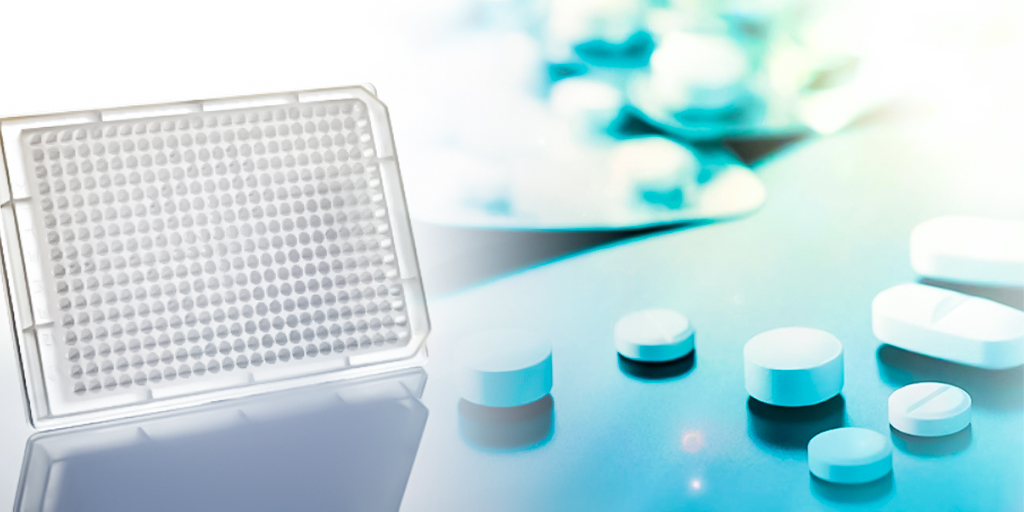
A 384 well plate next to a collection of pills of different sizes and shapes.


To address the challenge of low oral bioavailability of cyclic peptides, a team from the Ecole Polytechnique FĂ©dĂ©rale de Lausanne in Switzerland developed a “one-pot” method to synthesize a diverse library of cyclic peptides, which they then screened for stability, activity and permeability (1). Their method, which was published December 2023 in Nature Chemical Biology, streamlined the process of identifying and optimizing cyclic peptides and marked a substantial improvement from their earlier studies, where the developed cyclic peptides exhibited almost no oral bioavailability (%F). Using this new method, the team successfully developed a cyclic peptide with 18%F oral bioavailability in rats.

This blog covers the details of this study as well as a brief background on cyclic peptides.

Continue reading “Discovering Cyclic Peptides with a “One-Pot” Synthesis and Screening Method”