Cancer Moonshot: Solving Tough Problems

At the American Association for Cancer Research meeting in April 2016, then Vice President of the United States, Joe Biden, revealed the Cancer Moonshotโ„  initiativeโ€” a program with the goals of accelerating scientific discovery in cancer research, fostering greater collaboration among researchers, and improving the sharing of data (1,2). The Cancer Moonshot is part of the 21st Century Cures Act, which earmarked $1.8 billion for cancer-related initiatives over 7 years.  The National Cancer Institute (NCI) and the Cancer Moonshot program have supported over 70 programs and consortia, and more than 250 research projects.  According to the NCI, the initiative from 2017 to 2021 resulted in over 2,000 publications, 49 clinical trials and more than 30 patent filings. Additionally, the launch of trials.cancer.gov has made information about all cancer research trials accessible to anyone who needs it (3).

โ€œWe will build a future where the word โ€˜cancerโ€™ loses its power.โ€

First Lady, Dr. Jill Biden

In February 2022, the Biden White House announced a plan to โ€œsupercharge the Cancer Moonshot as an essential effort of the Biden-Harris administrationโ€ (4).  Biden noted in his address that, in the 25 years following the Nixon administration’s enactment of the National Cancer Act in 1971, significant strides were made in understanding cancer. It is now recognized not as a single disease, but as a collection comprising over 200 distinct diseases. This period also saw the development of new therapies and enhancements in diagnosis. However, despite a reduction in the cancer death rate by more than 25% over the past 25 years, cancer continues to be the second leading cause of death in the United States [4].

The Cancer Moonshot is a holistic attempt to improve access to information, support and patient experiences, while fostering the development of new therapeutics and research approaches to studying cancer. In this article, we will focus on research, diagnostics and drug discovery developments.

Solving for Undruggable Targets

KRAS , a member of the RAS family, has long been described as โ€œundruggableโ€ in large part because it is a small protein with a smooth surface that does not present many places for small molecule drugs to bind. The KRAS protein acts like an off/on switch depending upon whether it has GDP or GTP bound.  KRAS mutations are associated with many cancers including colorectal cancer (CRC), non-small cell lung cancer (NSCLC), and pancreatic ductal adenocarcinoma (PDAC). The G12 position in the protein is the most commonly mutated; G12C accounts for 13% of the mutations at this site, and is the predominant substitution found in NSCLC, while G12D is prevalent in PDAC (5).

Continue reading “Cancer Moonshot: Solving Tough Problems”
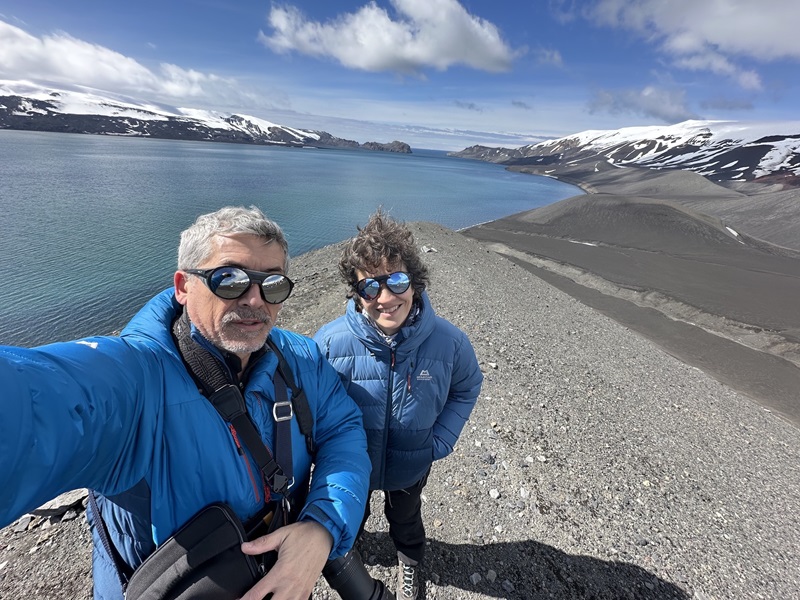
Our Maxwellยฎ Travels from Spain to Antarctica to Help Stop the Avian Flu Virus

In January 2024, Antonio Alcamรญ and รngela Vรกzquez, virologists from the Severo Ochoa Centre for Molecular Biology, landed in Antarctica to study the avian flu virus. They embarked on a journey to monitor 17,000 penguins as part of their efforts to study the virus and prevent its spread. Our Maxwellยฎ RSC 48 was delivered to extract nucleic acids from the samples, which are set to be analyzed using qPCR.

Continue reading “Our Maxwellยฎ Travels from Spain to Antarctica to Help Stop the Avian Flu Virus”

Embracing Spring at Promega: A Commitment to Environmental Stewardship and Sustainable Growthย 

This blog is guest-written by Jason Hankes, Manager, Land & Natural Resources, Promega Corporationย 


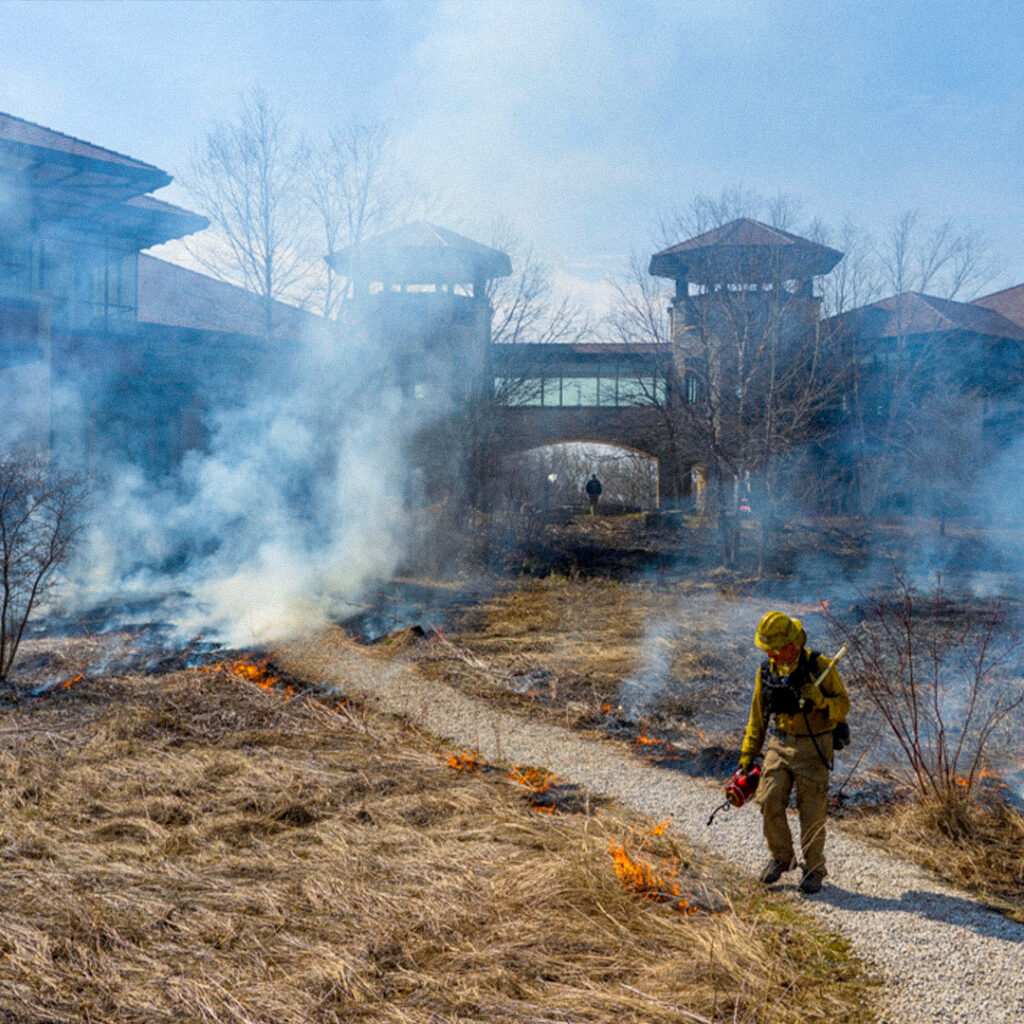
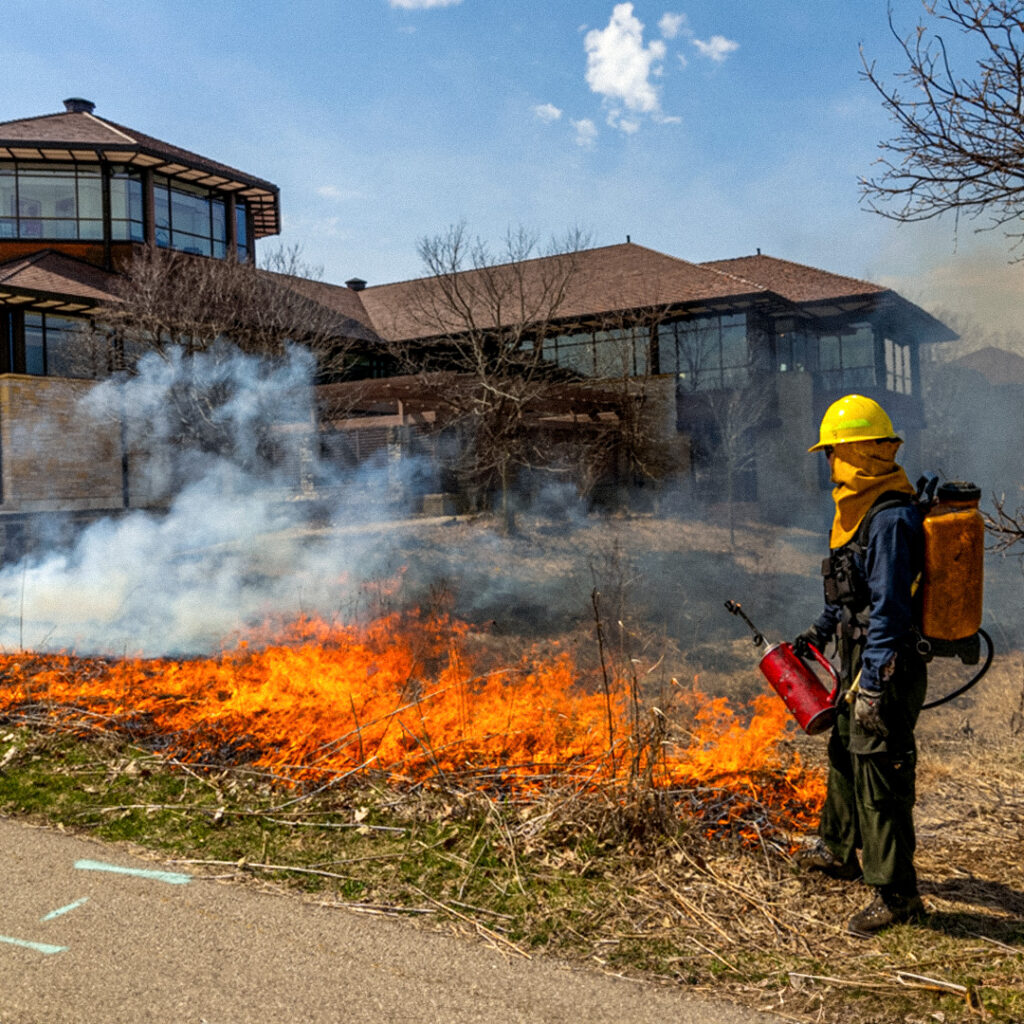
At Promega, the arrival of spring is not merely a celebration of nature’s rejuvenation, but also a reflection of our steadfast commitment to environmental stewardship. This vibrant season allows us to spotlight a crucial ecological initiative: the controlled prairie burn. Conducted every three to five years across over 25 acres of native prairie restorations, these burns are essential for habitat health. They not only reduce the risk of wildfires but also curb invasive weeds and stimulate new growth. Undertaking these burns exemplifies how Promega reinforces its commitment to environmental stewardship – a foundational principle that guides our operations and influences our architectural designs.ย 

Continue reading “Embracing Spring at Promega: A Commitment to Environmental Stewardship and Sustainable Growthย “

Beyond April: Sustaining Momentum in Sexual Assault Awareness and Action ย 

This guest blog post is written by Tara Luther, Sr. Marketing Specialist, Genetic Identity at Promega.

April 2024 marked the 23rd anniversary of Sexual Assault Awareness Month (SAAM) in the United States. While we have crossed into May, the importance of what SAAM stands for does not diminish with the changing of the calendar. The National Sexual Violence Resource Center (NSVRC) emphasizes that SAAM is a time to not only draw attention to the prevalence of sexual assault, but to also educate individuals and communities about how to prevent sexual violence. 

Continue reading “Beyond April: Sustaining Momentum in Sexual Assault Awareness and Action ย “

The Central Dogma of Promega: The Story and Science Behind Our Kit Packaging Design

An amazing transformation is taking place, unseen and unnoticed, within the microscopic bits that make you, you.

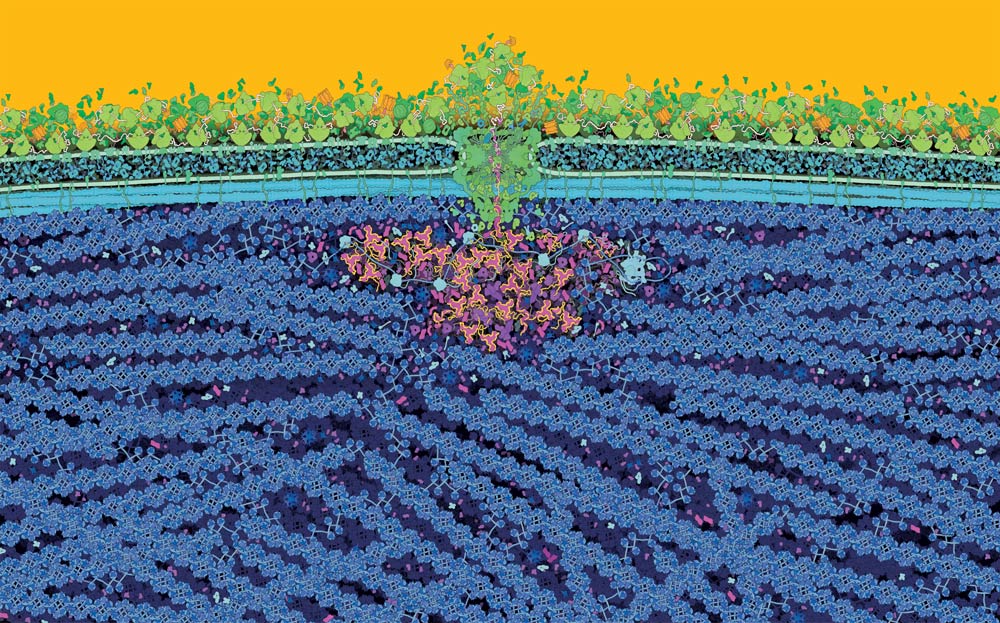
A tightly coiled lattice unspools to reveal a sinuous DNA stand. Along its length, tendrils of RNA sprout, growing bit by genetic bit. Eventually, the signal to stop and break away arrives, yielding a new strand of RNA that faithfully transcribes the DNA strand’s genetic code. Proteins trim and splice this new growth, pruning it so it takes its final form, messenger RNA. More proteins then ferry this mRNA strand through a pore in the nuclear envelope into the open space of the cellโ€™s cytoplasm. Ribosomes and codon-carrying tRNA alight onto the released mRNA strand, reading the instructions it has carried from the DNA in the nuclear nursery. From this trio new forms emerge, bulbous proteins shaped by their destined purpose.

And so it goes, every second of every day, in the tens of trillions of cells in your bodyโ€ฆ

โ€ฆAnd on the tens of thousands of kit packages we deliver to customers across the globe every year.

Continue reading “The Central Dogma of Promega: The Story and Science Behind Our Kit Packaging Design”

Community Canvas: Taylor McAda’s Vibrant Mural on Madison’s State Street

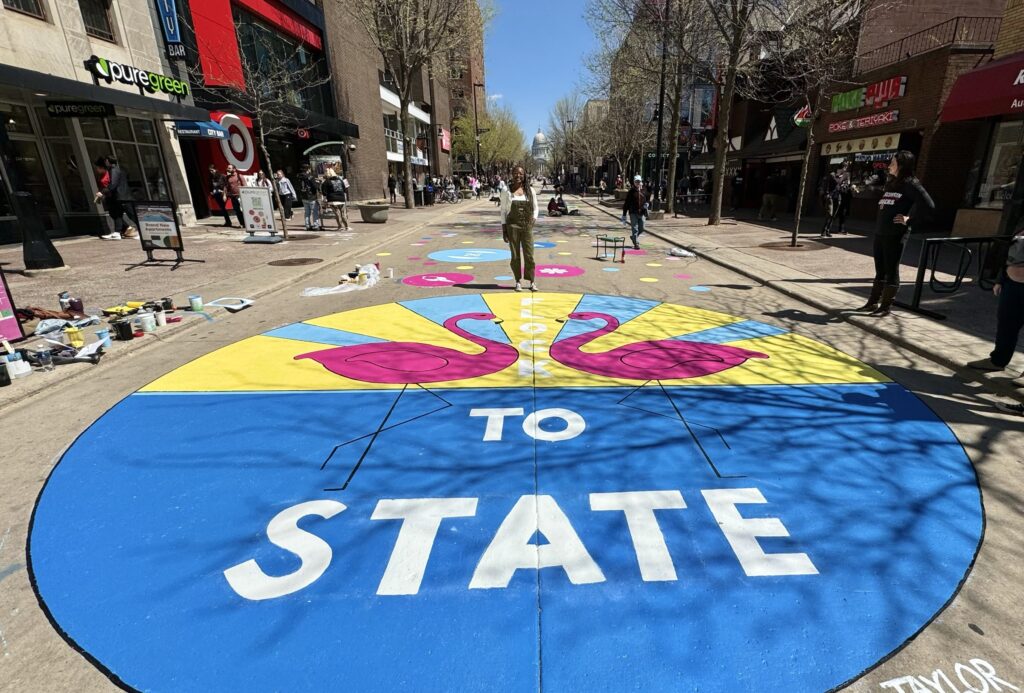
On April 21st, 2024, hundreds of volunteers accompanied four local artists in Madison, Wisconsin for a public painting event to help decorate the 400-600 blocks of State Street. This project is the first embodiment of the city of Madisonโ€™s pedestrian mall experiment, set to kick off in May. Taylor McAda, Promega Senior Graphic Designer, was selected to design and paint one of four original 20-foot circle murals.

Continue reading “Community Canvas: Taylor McAda’s Vibrant Mural on Madison’s State Street”

Can AI Replace High-Throughput Screens for Drug Discovery?

This image was created with the assistance of AI

For decades, pharmaceutical companies have relied on high-throughput screening (HTS) as the first step in the drug discovery process. After an initial screening of thousands of compounds, scientists select a smaller list of candidate drugs that is then used for further downstream testing. A major limitation to HTS, however, is the need to synthesize all compounds used in the screenโ€”the compounds need to physically exist to be tested. This significantly limits the number of compounds that can be tested, hindering the discovery of new drugs.

What if we could test compounds even before they are synthesized?

Continue reading “Can AI Replace High-Throughput Screens for Drug Discovery?”

Automated Sampling and Detection of ToBRFV: An Emerging Tomato Virusย 

Tomatoes affected by a virus, showing the yellow and brown spots characteristic of ToBRFV.

In the Spring of 2015, greenhouse tomato plants grown in Jordan presented with a mosaic pattern of light and dark green patches on leaves, narrowing leaves, and yellow- and brown-spotted fruit (Salem et al. 2016). The pathogen was identified as a novel plant virus, the tomato brown rugose fruit virus (ToBRFV), and the original outbreak was traced back to the fall of 2014 to Israel (Luria et al. 2017).ย  This newly emerging virus can infect tomato and pepper plants at any stage of development and greatly affect crop yield and quality. Furthermore, the virus spreads rapidly by mechanical contact but can also be spread over long distances by contaminated seeds (Caruso et al. 2022), and as of 2022 it had been detected in 35 countries across four continents (Zhang et al. 2022).ย  Compounding its transmissibility, is the ability of the virus to escape plant genetic resistance to viral infection (Zhang et al. 2022). There are seven host plants for the virus, including some common grasses and weeds, which could act as a reservoir for the virus, even if it is eliminated from commercial crops. Some researchers consider ToBRFV to be the most serious threat to tomato production in the world.ย 

Continue reading “Automated Sampling and Detection of ToBRFV: An Emerging Tomato Virusย “

Employee-Led Program Reduces Landfill Waste by Rescuing Plastic Film

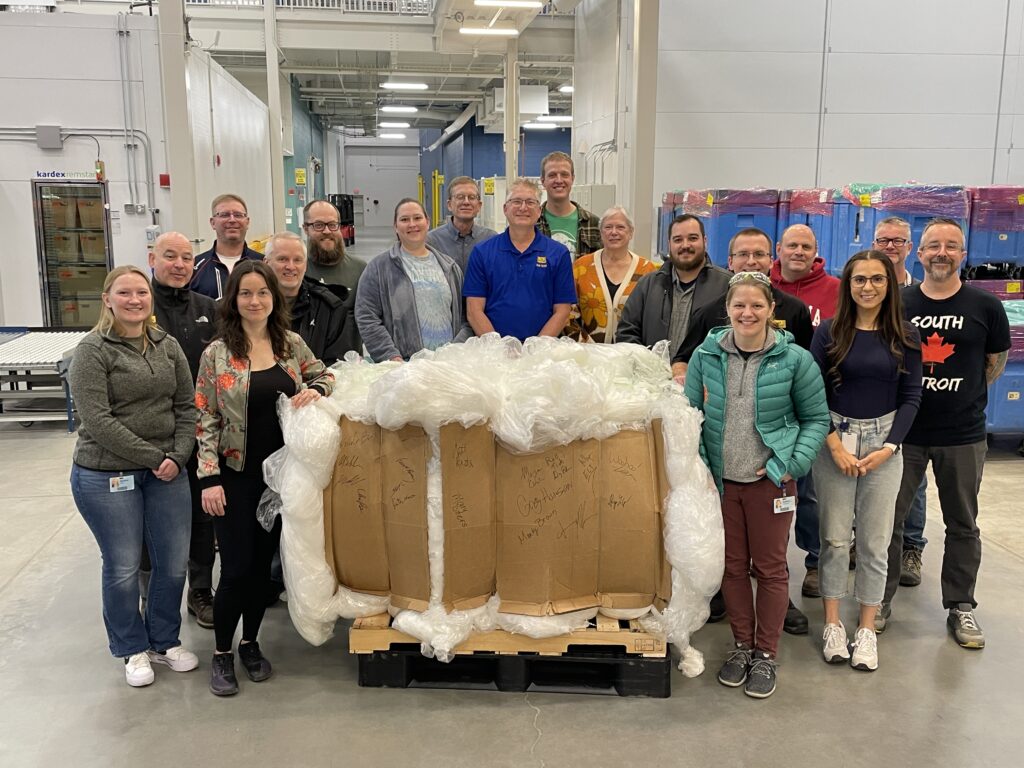
Katelyn Geleynse presses the button and the machine groans to life. The massive metal plates shift until a half-ton of compressed plastic tumbles out onto the waiting pallet. The crowd cheers. Permanent markers are passed around and everyone takes turns signing the massive block.  

Itโ€™s February 16, 2024, and the members of the Promega Sustainability Committee are gathered to witness the first bale of plastic film being ejected from the Madison campusโ€™s new baler. Itโ€™s only the first bale, but it represents a major step in the companyโ€™s efforts to reduce plastic waste.

Members of the Sustainability Committee gather at Kepler Center to celebrate the first plastic film bale prepared by the new baler.

โ€œAll of this would have gone to the landfill if we hadnโ€™t set up this program,โ€ Katelyn says. โ€œIt feels good to know that at least some of my waste is getting a second life.โ€

Plastic film is notoriously difficult to recycle and takes decades to break down in a landfill. The Promega initiative to divert this waste was started by a small group of employees who noticed a problem and worked for over a year to build a sustainable solution. What began as a small volunteer operation grew to spur capital investment in a process that will rescue around 35,000 pounds of plastic per year.

Continue reading “Employee-Led Program Reduces Landfill Waste by Rescuing Plastic Film”

Rooted in Resilience: The Future of Pest-Resistant Crops

Sunlight illuminating crops growing in a field

Farmers everywhere strive to protect their crops and ensure a stable food supply while minimizing environmental harm. A promising approach to achieving this leverages a plantโ€™s built-in defense mechanisms, reducing the need for chemical interventions. Many geneticists and agronomists lean on technologies that can automate and streamline nucleic acid extraction and pathogen detection to identify naturally pest resistant crops and, ultimately, keep up with the changing agricultural landscape.ย ย 

Continue reading “Rooted in Resilience: The Future of Pest-Resistant Crops”