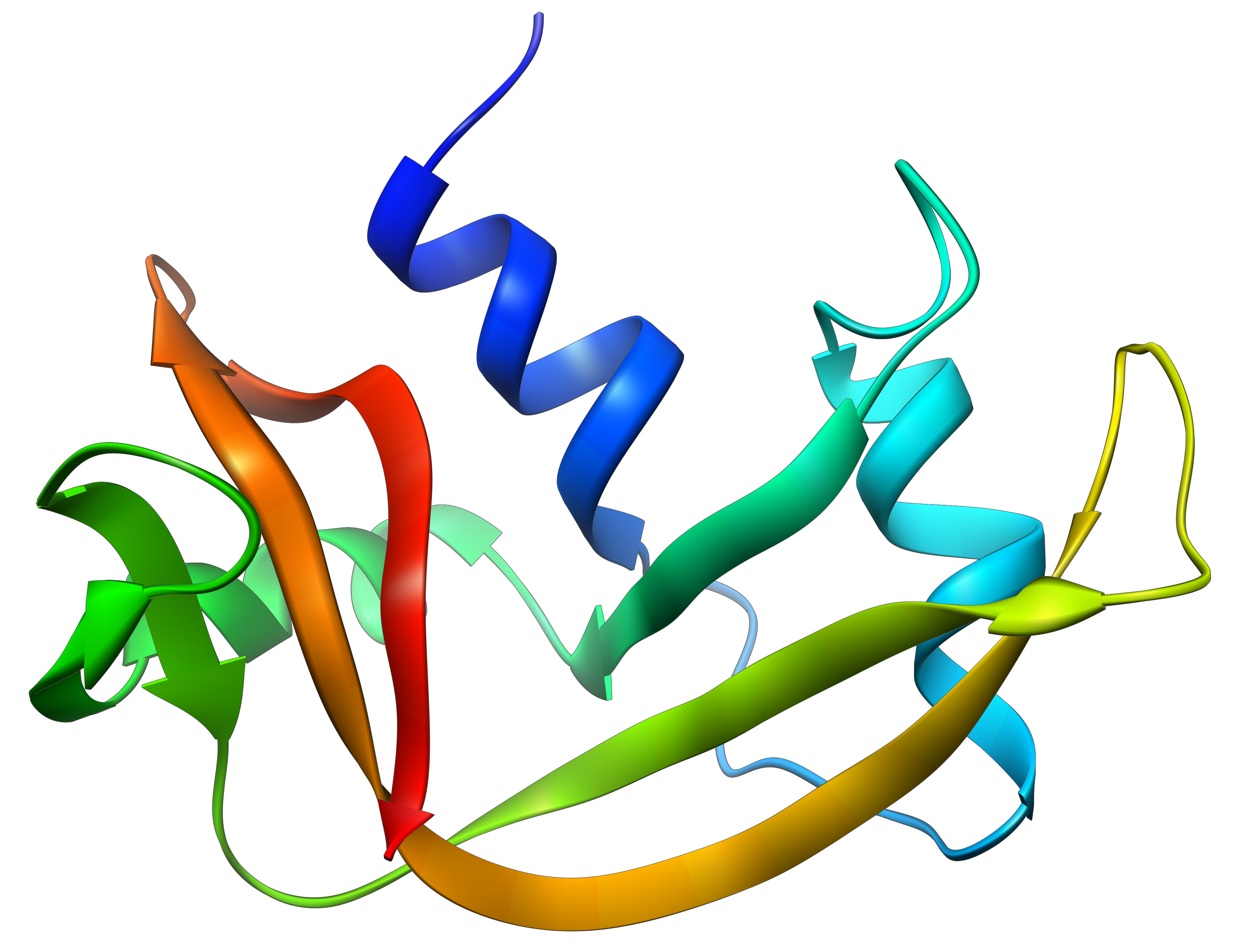
 Ricin, derived from caster seeds, inhibits protein synthesis by binding to ribosomes, resulting in cell death. The protein is composed of two polypeptide chains: Ricin Toxin A chain and Ricin Toxin B chain. Ricin inhibits protein synthesis very quickly, and the cell or tissue damage begins within several hours. However, signs of poisoning often are not noted before significant damage has been done, making treatment difficult. Therapeutics that either block the ribosome binding site or compete with the toxin for binding are highly desired. Both antibodies and competitive ligands inhibited binding of the toxin to cell membranes.
A recent publication by Dong et al. (1), described a study to investigate the therapeutic effect of mAb 4C13, a monoclonal antibody against ricin. One of first experiments performed was to determine the general effect the inhibition of protein synthesis induced by ricin using cell-free expression.
In the study, the authors used T3 Coupled Reticulocyte Lysate Systems from Promega. Both ricin and mAb were diluted with saline. Aliquots of ricin (80 ng/ml) were mixed with an equal volume mAbs (1.6μg/ml) or saline alone and incubated at 4 °C for 1.5 h. A total volume of 4μl of sample was added into the reaction system (i.e, T3 Coupled Reticulocyte and plasmid DNA containing the lucifersase gene downstream of T3 RNA phage promoter). After incubation at 30 °C for 1.5 h, the products were cooled at −20 °C for 10 min. A total of 5μl of each reactive product containing synthesized luciferase was mixed with 50μl luciferase assay reagent pre-equilibrated to room temperature, and the fluorescence absorbance was measured immediately with the micro-ELISA Reader.
Positive results obtained from this preliminary experiment, led to more thorough experiments to determine the dosage effect using in vivo models (i.e., cell lines and mice) to characterize the cytotoxicity and binding activity of mAb 4C13. The mAB 4C13 was shown to be a effective in the mouse model.
Dong, N. et al. (2015) Monoclonal antibody , mAb 4C13, an effective detoxicant antibody against ricin poisoning. Vaccine 33, 3836–42
 Let’s put a little fiction in our science this week and take a look at the upcoming Wizard World Comic Con in Chicago. It’s one of the biggest in the U.S., typically drawing an crowd of around 50,000 throughout the weekend. This year the Chicago event takes place August 20th through August 23rd at the Donald E. Stephenson Center in Rosemont, Illinois.


 This week we travel to outer space, the Final Frontier, to catch a glimpse of the Southern Delta Aquarid Meteor Shower. But don’t worry, you don’t have to leave your backyard. Just grab a blanket and find a place without too much light pollution, and you’ll be able to catch a glimpse of this worldwide phenomenon.
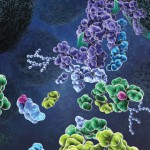 Protein phosphorylation is a very important protein post-translational modification that controls many cellular processes including metabolism, transcriptional and translation regulation, degradation of proteins, cellular signaling and communication, proliferation, differentiation, and cell survival (1). Approximately 35% of human proteins are phosphorylated. Phosphoproteins are low in abundance, and, therefore, are challenging to detect and characterize by mass spectrometry. Different enrichment systems have been developed to isolate phosphopeptides. Among these techniques, immobilized metal affinity chromatography (IMAC) using Fe3+ and Ga3+ has been widely used for the enrichment of phosphopeptides.