Understanding the expression, function and dynamics of
proteins in their native environment is a fundamental goal that’s common to
diverse aspects of molecular and cell biology. To study a protein, it must
first be labeled—either directly or indirectly—with a “tag” that allows
specific and sensitive detection.
Using a labeled antibody to the protein of interest is a
common method to study native proteins. However, antibody-based assays, such as
ELISAs and Western blots, are not suitable for use in live cells. These
techniques are also limited by throughput and sensitivity. Further, suitable
antibodies may not be available for the target protein of interest.
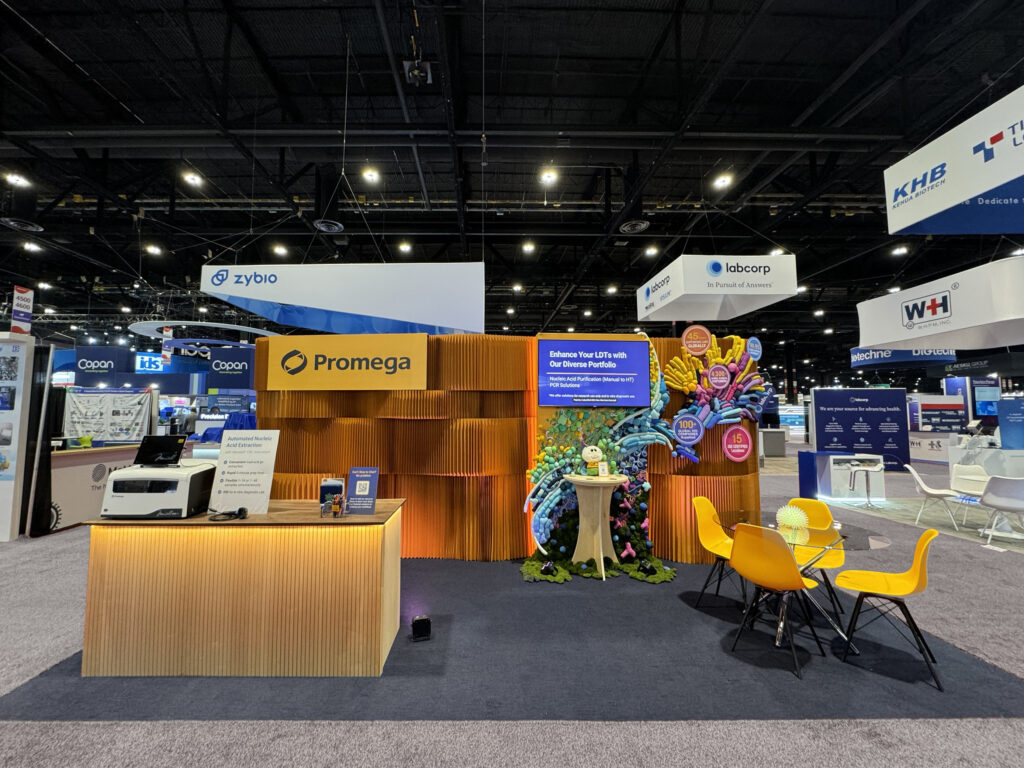
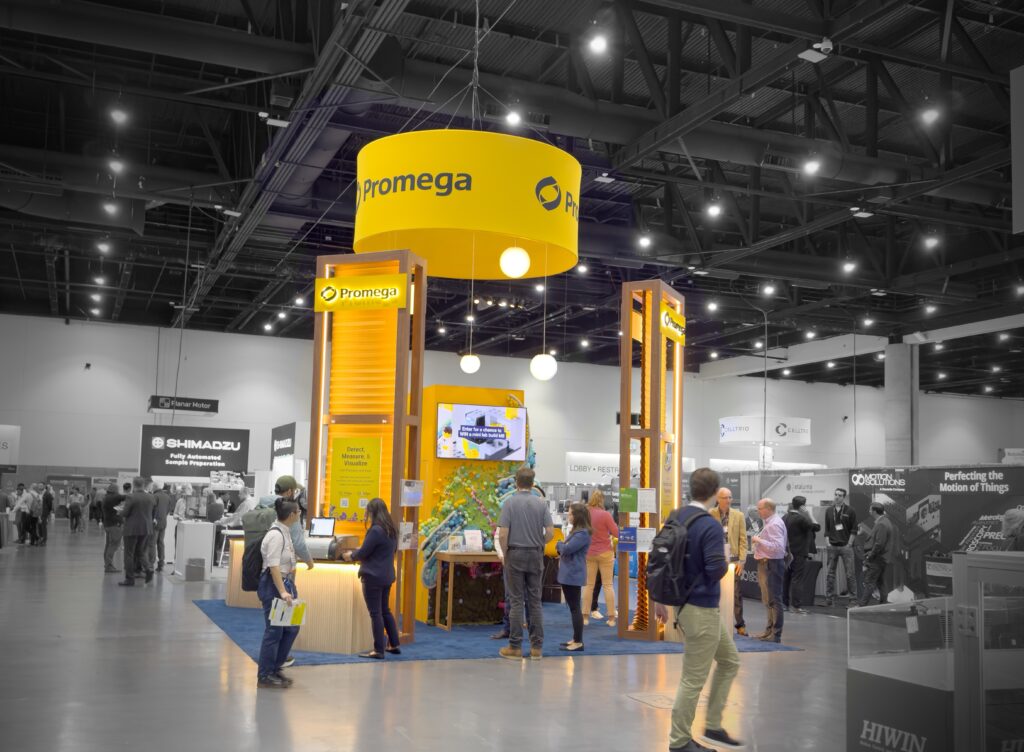
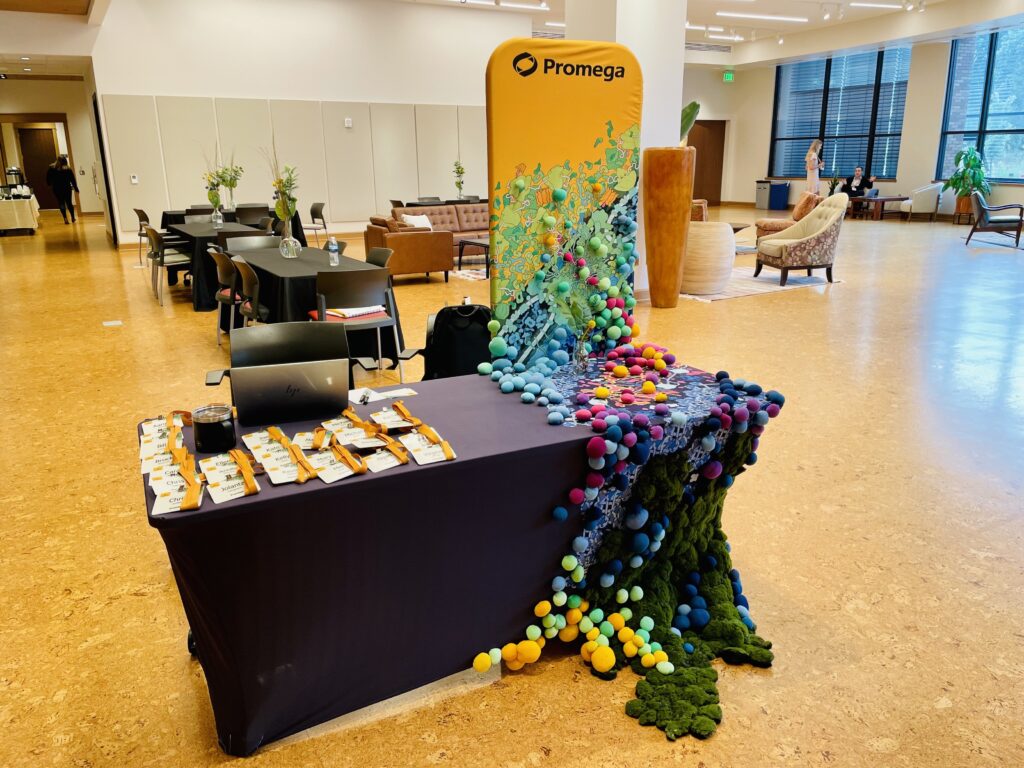
Step inside a Promega booth and leave the ordinary behind. Here, science sparks creativity, sustainability is woven into every detail, and discovery isn’t just something you see—it’s something you feel.
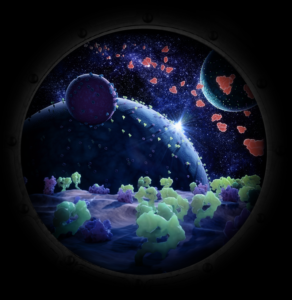
An amazing transformation is taking place, unseen and unnoticed, within the microscopic bits that make you, you.
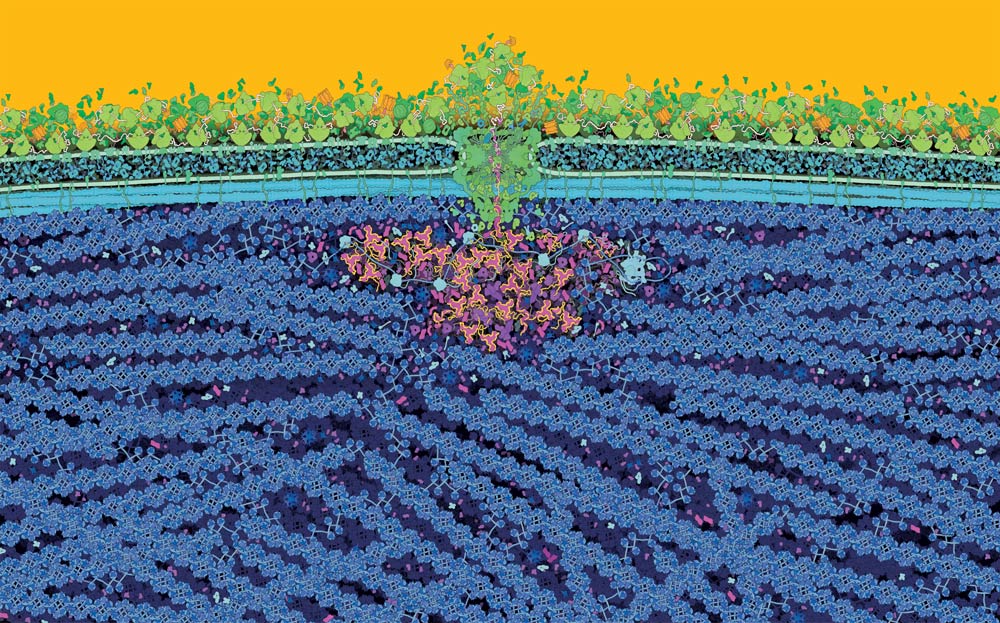
A tightly coiled lattice unspools to reveal a sinuous DNA stand. Along its length, tendrils of RNA sprout, growing bit by genetic bit. Eventually, the signal to stop and break away arrives, yielding a new strand of RNA that faithfully transcribes the DNA strand’s genetic code. Proteins trim and splice this new growth, pruning it so it takes its final form, messenger RNA. More proteins then ferry this mRNA strand through a pore in the nuclear envelope into the open space of the cell’s cytoplasm. Ribosomes and codon-carrying tRNA alight onto the released mRNA strand, reading the instructions it has carried from the DNA in the nuclear nursery. From this trio new forms emerge, bulbous proteins shaped by their destined purpose.
And so it goes, every second of every day, in the tens of trillions of cells in your body…
…And on the tens of thousands of kit packages we deliver to customers across the globe every year.
For the past decade, Promega has supported cutting-edge research through the CSCB-Promega Innovation Award. Now, as we mark 10 years of collaboration with the Chinese Society for Cell Biology (CSCB), the Award is being converted into the CSCB-Promega Innovation Fund.
The CSCB, founded in 1980, is one of the leading scientific organizations in China. Dedicated to fostering educational opportunities and innovation, the CSCB organizes conferences, publishes journals, promotes research collaborations, offers training for students and young scientists, and educates the general public on cell biology and biomedicine.
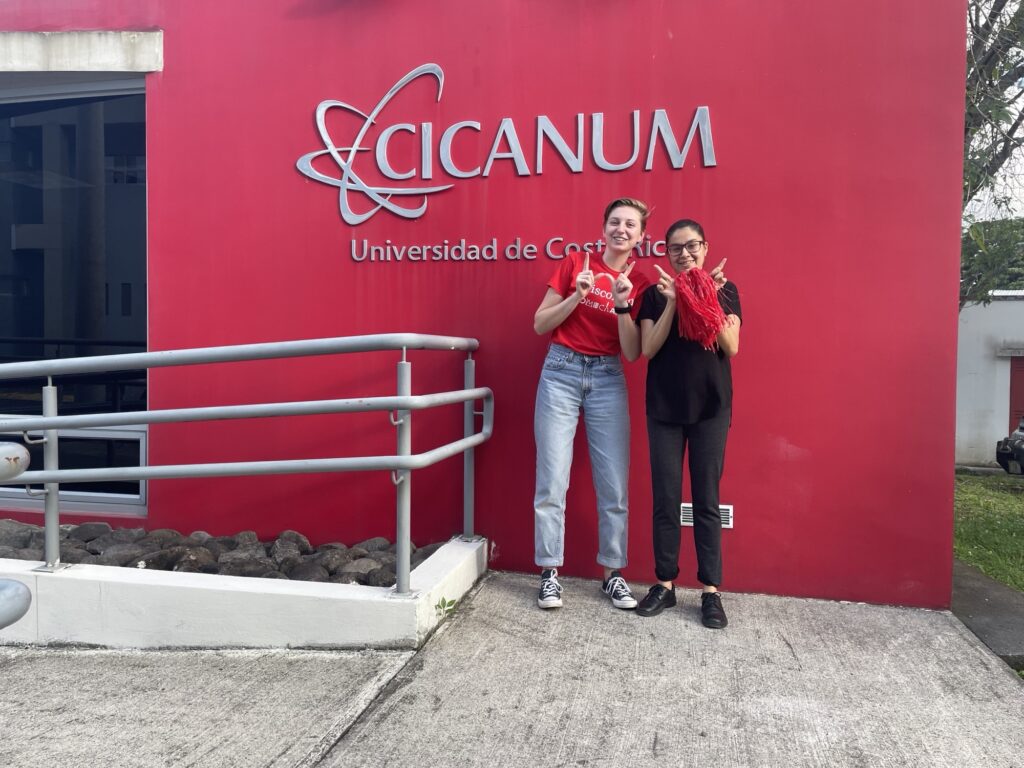
UW-Madison student Sophia Speece (left) spent the summer in Costa Rica for the “Artist in the Science Lab” internship hosted by alum Dr. Mariela Porras Chaverri (right)
My name is Sophia Speece. I am a junior at the University of Wisconsin-Madison studying Biomedical Engineering and Music Performance. As you can imagine, there is not a lot of overlap between these two passions of mine.
This past summer I was given the unique opportunity to combine these two areas. I applied and was accepted for the “Artist in the Science Lab” internship abroad in Costa Rica!
In the opening remarks of our second annual Targeted Protein Degradation Symposium, Tom Livelli, VP of Life Sciences Products & Services at Promega, posed a question to the attendees: “What do you want to be able to do today that you can’t?” This aspirational question set the tone for an event where building connections to advance the study and application of proximity-induced degradation took center stage.
More than 90 attendees from academia and industry gathered September 20–21 for the two-day symposium, which was hosted in our inspirational Kornberg Center—the R&D heart of Promega. Through engaging talks, a poster session, “Learn n’ Burn” challenges and social gatherings, participants had the opportunity to reinforce existing collaborations and to connect with others who are making an impact in the field of targeted protein degradation.
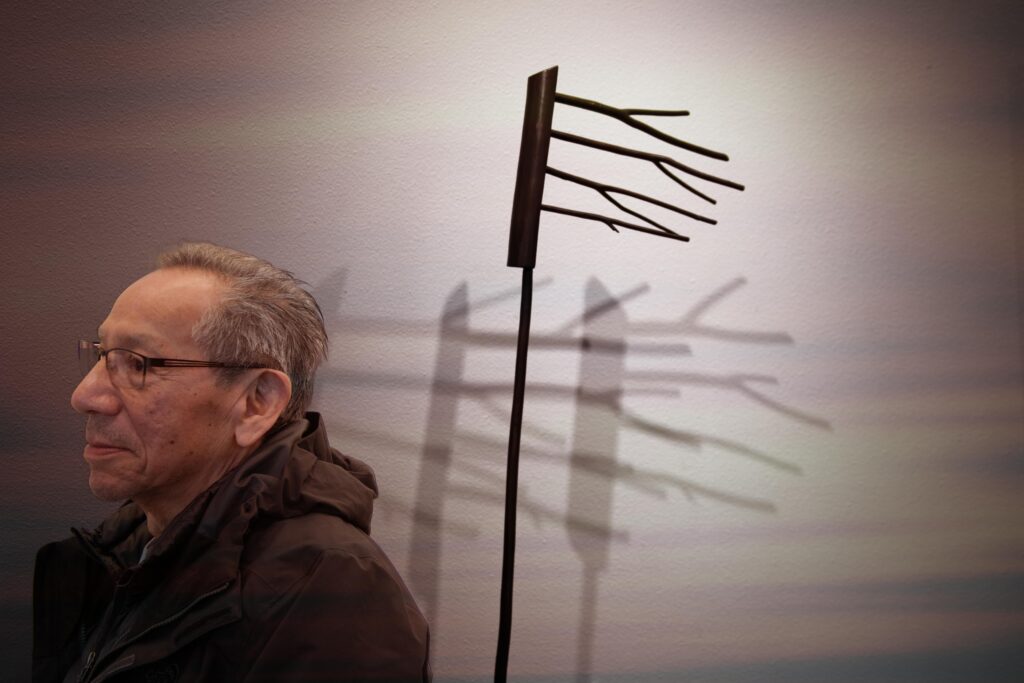
Truman Lowe, Ho-Chunk artist and mentor, pictured with Headdress (1989)
Outside the BioPharmaceutical Technology Center, the wind snakes through the tall prairie grasses, drying slowly in the crisp September air. The walking paths through the woods are turning orange with fallen leaves, and the resident sandhill cranes, a fixture of summer at Promega Madison, will soon be heading to their winter home in southern Florida.
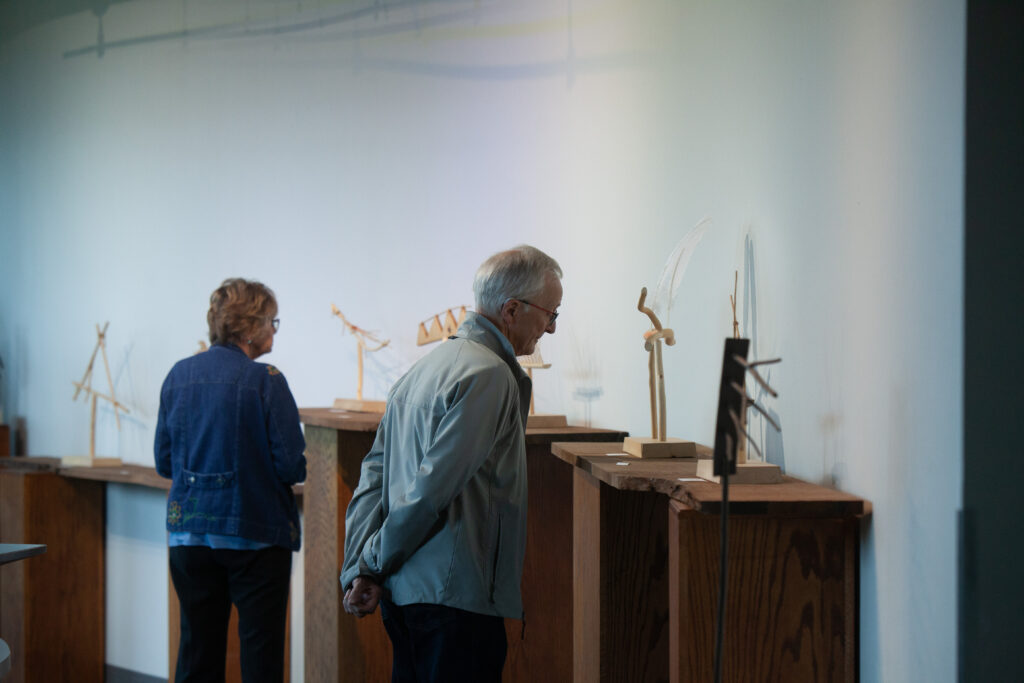
Inside the BTC, the Promega Fall Art Showcase is honoring the life of Truman Lowe, an acclaimed Ho-Chunk artist whose sculptural works evoke a powerful connection with nature. For decades, Lowe was a professor in the Department of Art at the University of Wisconsin-Madison where he was an exceptional mentor to young artists. He was known for encouraging artists to fearlessly delve into their artistic voice and equipping them with the necessary tools to navigate the art world. The Fall Art Showcase honors his legacy by exhibiting his art alongside pieces by several former students.
Truman Lowe: Visionary Artist, Mentor and Teacher
Truman Lowe was born on the Ho-Chunk Nation of Wisconsin reservation in 1944. He recounted a childhood of drawing with rocks on the Black River and creating crafts like baskets and beadwork with his parents. Though he loved art from an early age, Lowe says that he never thought of art as a profession until he was studying for his undergraduate art degree at the University of Wisconsin-LaCrosse. There, he became fascinated with Michelangelo, who inspired him to realize that art could be “a profession as well as a passion.”1
Visitors to the Promega Fall Art Show can see sculptures by Truman Lowe alongside works by several of his students.
After earning a graduate degree and moving through several teaching positions at the high school and university level, Lowe accepted a position as Native American studies coordinator and assistant professor of art at UW-Madison in 1975. This began a 45-year tenure in the department of art, where he fostered a deep understanding and appreciation for Native American art and culture among his students. He also served as a curator of contemporary art at the National Museum of the American Indian.
Lowe is known for large, site-specific installations that use natural materials including wood, stone and metal. His works push creative boundaries and exhibit a unique blend of versatility, precision and emotional depth. Lowe’s sculptures have been exhibited around the world, from museums including the Metropolitan Museum of Art to embassies in Bolivia and Cameroon. A sculpture titled Effigy: Bird Form was displayed on the White House grounds during the Clinton administration and was recently reinstalled atop Observatory Hill at UW-Madison, close to the former site of Native American effigy mounds.
Lowe, who died in 2019, was a beloved mentor to many students over his long tenure at UW-Madison. A university-published obituary quotes John Hitchcock, professor and Associate Dean at UW-Madison, saying, “Truman encouraged us to stay strong as artists and to our vision as makers.” The widespread love of Lowe will be on display at the Promega Fall Art Showcase, where six of his former students will be exhibiting alongside Lowe’s own works.
Promega Fall Art Showcase
The Fall Art Showcase opened on September 19 with a symposium featuring guest speakers Patricia marroquin Norby and Jo Ortel. Norby is the Associate Curator of Native American Art at the metropolitan Museum of Art, and the first person of Indigenous descent hired for a full-time curatorial position in the museum’s 150-year history. Jo Ortel is an author, art historian and Professor Emerita of Art History of Beloit College. Ortel is also the author of a notable biography of Truman Lowe titled “Woodland Reflections: The Art of Truman Lowe.”
The Promega Culinary Team collaborated with Chef Elena Terry of the culinary organization Wild Bearies to offer traditional Ho-Chunk food at the reception. Chef Terry provided recipes and connected the team with indigenous purveyors to source ingredients. Promega also collaborated with Little Eagle Arts Foundation to include pieces of Ho-Chunk culture into the event.
The Fall Art Showcase runs through December 29 and is open to the public Monday through Friday 8:00 am – 4:00 pm at the Promega BioPharmaceutical Technology Center. For more information, visit https://www.promega-artshow.com/
1As quoted in Woodland Reflections: The Art of Truman Lowe by Jo Ortel
Dr. Agustín Moreira-Saporiti is a postdoctoral researcher at the Marine Biological Laboratory and is studying flowering processes in marine seagrass
Marine seagrasses are submerged flowering plants that form essential underwater meadows, fostering diverse ecosystems and providing a habitat for marine life. Our first Promega qPCR Grant winner and marine ecologist, Dr. Agustín Moreira-Saporiti, plans to continue adding to a fascinating body of work aimed at understanding flowering in marine seagrasses.
Dr. Moreira-Saporiti began his journey into marine plant ecology at the University of Vigo, Spain, where he earned a bachelor’s degree in marine sciences. He then went on to complete a master’s degree at the University of Bremen (Germany) where his thesis focused the ecology of seagrasses in Zanzibar, Tanzania. His passion for marine botany led him down a deeper exploration of marine plants, unraveling the intricate web of ecosystem processes within seagrasses.
On June 15, 2023, we announced the winners of the 2023 Promega iGEM grant. Sixty-five teams submitted applications prior to the deadline with projects ranging from creating a biosensor to detect water pollution to solving limitations for CAR-T therapy in solid tumors. The teams are asking tough questions and providing thoughtful answers as they work to tackle global problems with synthetic biology solutions. Unfortunately, we could only award nine grants. Below are summaries of the problems this year’s Promega grant winners are addressing.
UCSC iGEM
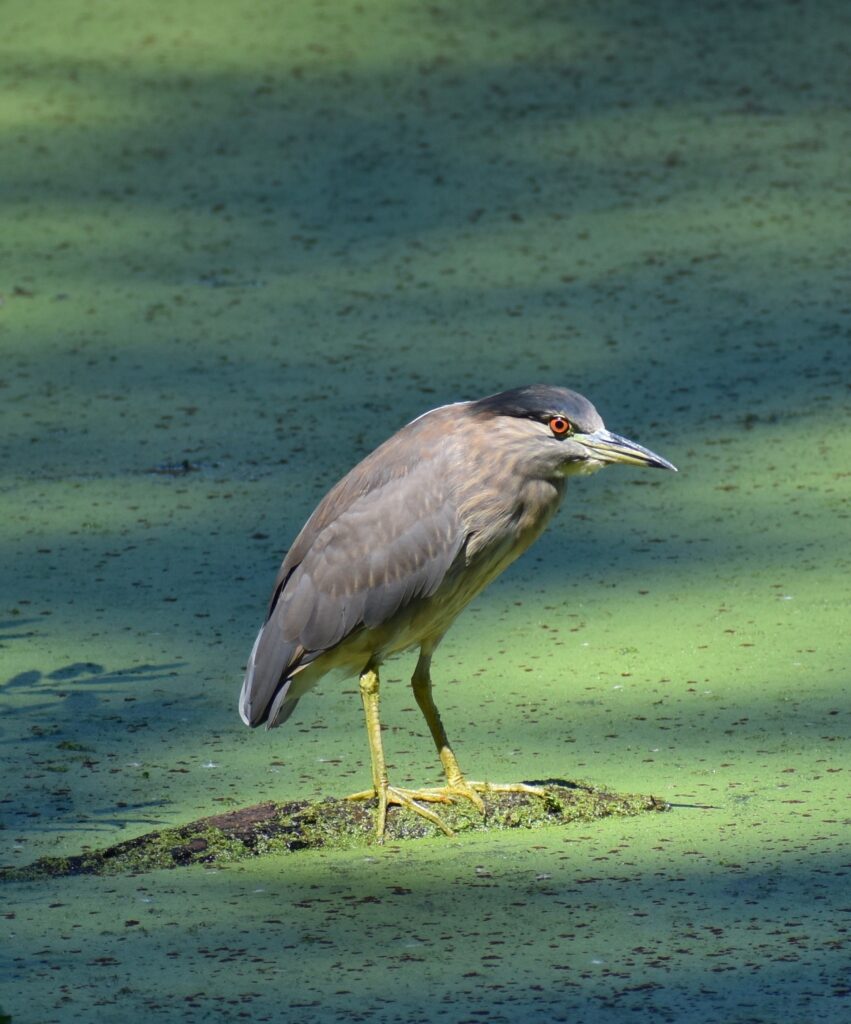
A night heron hunts on Pinto Lake, California.
The UCSC iGEM team from the University of California–Santa Cruz is seeking a solution to mitigate the harmful algal blooms caused by Microcystisaeruginosa in Pinto Lake, which is located in the center of a disadvantaged community and is a water source for crop irrigation. By engineering an organism to produce microcystin degrading enzymes found in certain Sphingopyxis bacteria, the goal is to reduce microcystin toxin levels in the water. The project involves isolating the genes of interest, testing their efficacy in E. coli, evaluating enzyme production and product degradation, and ultimately transforming all three genes into a single organism. The approach of in-situ enzyme production offers a potential solution without introducing modified organisms into the environment, as the enzymes naturally degrade over time.
IISc-Bengaluru
Endometriosis is a condition that affects roughly 190 million (10%) women of reproductive age worldwide. Currently, there is no treatment for endometriosis except surgery and hormonal therapy, and both approaches have limitations. The IISc-Bengaluru team at the Indian Institute of Science, Bengaluru, India, received 2023 Promega iGEM grant support to investigate the inflammatory nature of endometriosis by targeting IL-8 (interleukin-8) a cytokine. Research by other groups has snow that targeting IL-8 can reduce endometriotic tissue. This team will be attempting to create an mRNA vaccine to introduce mRNA for antibody against IL-8 into affected tissue. The team is devising a new delivery mechanism using aptides to maximize the delivery of the vaccine to the affected tissues.
You know this, but it bears repeating. Prioritizing physical, psychological, emotional and financial wellness is key to supporting our overall well-being. This holds true during the busy holiday season and throughout the entire year.
It can also be easier said than done, so we need as much support as possible in this vital endeavor. An in-depth framework recently published by the US Surgeon General outlines a vision of the workplace as an engine of well-being. The report states, “Our workplaces play a significant role in our lives. Work affects both our physical and mental well-being – in good ways and bad. The COVID-19 pandemic brought the relationship between work and well-being into clearer focus.”
XWe use cookies and similar technologies to make our website work, run analytics, improve our website, and show you personalized content and advertising. Some of these cookies are essential for our website to work. For others, we won’t set them unless you accept them. To learn more about our approach to Privacy we invite you to Read More
By clicking “Accept All”, you consent to the use of ALL the cookies. However you may visit Cookie Settings to provide a controlled consent.
We use cookies and similar technologies to make our website work, run analytics, improve our website, and show you personalized content and advertising. Some of these cookies are essential for our website to work. For others, we won’t set them unless you accept them. To find out more about cookies and how to manage cookies, read our Cookie Policy.
If you are located in the EEA, the United Kingdom, or Switzerland, you can change your settings at any time by clicking Manage Cookie Consent in the footer of our website.
Necessary cookies are absolutely essential for the website to function properly. These cookies ensure basic functionalities and security features of the website, anonymously.
Cookie
Duration
Description
cookielawinfo-checbox-analytics
11 months
This cookie is set by GDPR Cookie Consent plugin. The cookie is used to store the user consent for the cookies in the category "Analytics".
cookielawinfo-checbox-functional
11 months
The cookie is set by GDPR cookie consent to record the user consent for the cookies in the category "Functional".
cookielawinfo-checbox-others
11 months
This cookie is set by GDPR Cookie Consent plugin. The cookie is used to store the user consent for the cookies in the category "Other.
cookielawinfo-checkbox-advertisement
1 year
The cookie is set by GDPR cookie consent to record the user consent for the cookies in the category "Advertisement".
cookielawinfo-checkbox-necessary
11 months
This cookie is set by GDPR Cookie Consent plugin. The cookies is used to store the user consent for the cookies in the category "Necessary".
cookielawinfo-checkbox-performance
11 months
This cookie is set by GDPR Cookie Consent plugin. The cookie is used to store the user consent for the cookies in the category "Performance".
gdpr_status
6 months 2 days
This cookie is set by the provider Media.net. This cookie is used to check the status whether the user has accepted the cookie consent box. It also helps in not showing the cookie consent box upon re-entry to the website.
lang
This cookie is used to store the language preferences of a user to serve up content in that stored language the next time user visit the website.
viewed_cookie_policy
11 months
The cookie is set by the GDPR Cookie Consent plugin and is used to store whether or not user has consented to the use of cookies. It does not store any personal data.
Analytical cookies are used to understand how visitors interact with the website. These cookies help provide information on metrics the number of visitors, bounce rate, traffic source, etc.
Cookie
Duration
Description
SC_ANALYTICS_GLOBAL_COOKIE
10 years
This cookie is associated with Sitecore content and personalization. This cookie is used to identify the repeat visit from a single user. Sitecore will send a persistent session cookie to the web client.
vuid
2 years
This domain of this cookie is owned by Vimeo. This cookie is used by vimeo to collect tracking information. It sets a unique ID to embed videos to the website.
WMF-Last-Access
1 month 18 hours 24 minutes
This cookie is used to calculate unique devices accessing the website.
_ga
2 years
This cookie is installed by Google Analytics. The cookie is used to calculate visitor, session, campaign data and keep track of site usage for the site's analytics report. The cookies store information anonymously and assign a randomly generated number to identify unique visitors.
_gid
1 day
This cookie is installed by Google Analytics. The cookie is used to store information of how visitors use a website and helps in creating an analytics report of how the website is doing. The data collected including the number visitors, the source where they have come from, and the pages visted in an anonymous form.
Advertisement cookies are used to provide visitors with relevant ads and marketing campaigns. These cookies track visitors across websites and collect information to provide customized ads.
Cookie
Duration
Description
IDE
1 year 24 days
Used by Google DoubleClick and stores information about how the user uses the website and any other advertisement before visiting the website. This is used to present users with ads that are relevant to them according to the user profile.
test_cookie
15 minutes
This cookie is set by doubleclick.net. The purpose of the cookie is to determine if the user's browser supports cookies.
VISITOR_INFO1_LIVE
5 months 27 days
This cookie is set by Youtube. Used to track the information of the embedded YouTube videos on a website.
Performance cookies are used to understand and analyze the key performance indexes of the website which helps in delivering a better user experience for the visitors.
Cookie
Duration
Description
YSC
session
This cookies is set by Youtube and is used to track the views of embedded videos.
_gat_UA-62336821-1
1 minute
This is a pattern type cookie set by Google Analytics, where the pattern element on the name contains the unique identity number of the account or website it relates to. It appears to be a variation of the _gat cookie which is used to limit the amount of data recorded by Google on high traffic volume websites.