In the murky depths of the ocean live some of the smartest and most unusual creatures to inhabit the earth. Octopuses are known for their sucker covered tentacles and chameleon-like abilities to change color, pattern and shape to blend it with their environment. The changes aren’t limited to just their appearance. A new study published in Cell reveals that they can change their brains as well (1). The study found that octopuses recode their brain in response to environmental temperature changes using RNA editing.
In early 2023, a type 2 diabetes medication, semaglutide (brand names Ozempic, Rybelsus), drew huge amounts of attention on social media and in popular culture. The reason? People were getting off-label (that is, not for treating type 2 diabetes) prescriptions of Ozempic to take advantage of one of its common side effects—measurable weight loss.
How does semaglutide and other drugs of its type manage diabetes on a molecular level, and what drives the weight loss effects?
According to the National Human Genome Research Institute, synthetic biology is “a field of science that involves redesigning organisms for useful purposes by engineering them to have new abilities”. Synthetic biology has a broad range of applications, from manufacturing pharmaceuticals and other biologically active chemicals and biofuels, to accelerating the adoption of plant-based burgers (1).
At the heart of the synthetic biology revolution is the rapid technological advancement—and accompanying drop in costs—of DNA oligonucleotide synthesis. Typically, synthetic biology researchers use oligonucleotides as building blocks to assemble genes of interest that are then introduced into, and expressed by, a different organism. For example, to create the plant-based Impossible Burger, the soy leghemoglobin gene (normally found in the root nodules of leguminous plants) was synthesized and expressed in yeast cells (1). This component gives the burger its meaty flavor and appearance of “bleeding” when cooked.
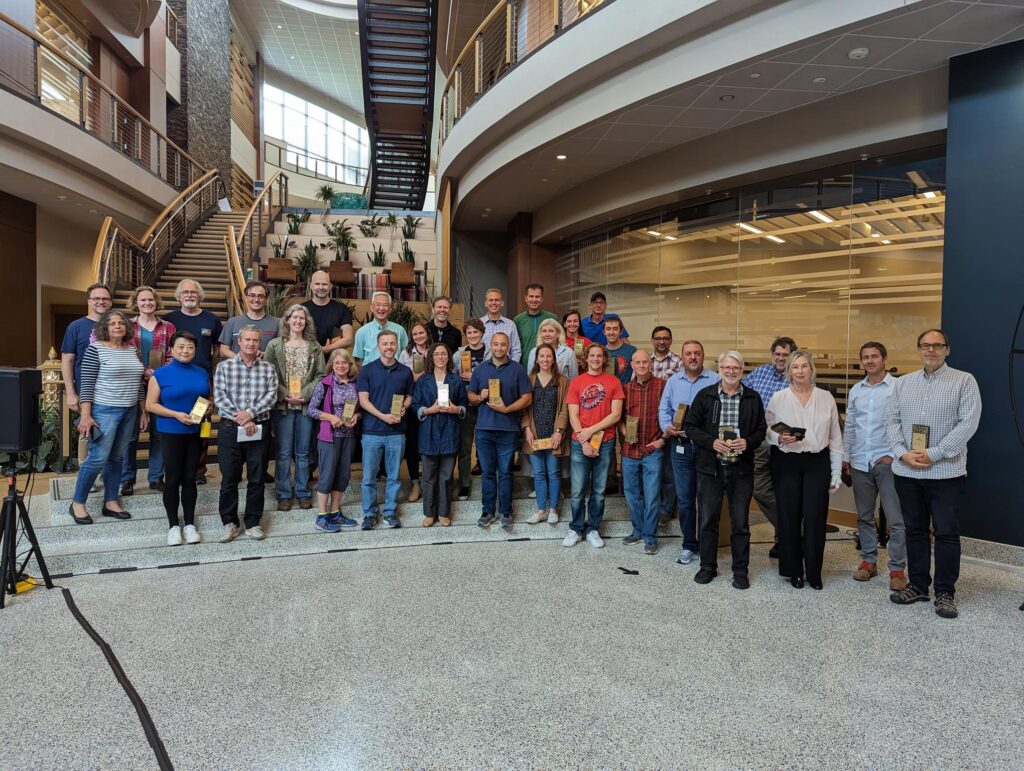
Promega R&D Scientists were recently honored for publishing papers and patents between 2019-2023
“We are a company that is built upon innovation, and R&D is one of the main drivers of that,” says Frank Fan, Director of Biology at Promega.
Promega Research and Development is focused on developing reliable tools that address the biggest problems facing life scientists. However, our R&D scientists do much more than just develop products. Promega scientists regularly pursue basic research to curate new skills and knowledge and collaborate extensively with researchers across academia and industry. This work fuels major advancements in areas like targeted genome editing, drug discovery, and genetic identity.
In June 2023, our Research and Development department gathered to recognize Promega scientists who have published peer-reviewed papers or patents. This was the first time the department had held this event since 2019, and in that time 71 scientists have published research in journals like Nature and Cell. 16 of those scientists published 10 or more times, and several were also invited to contribute review articles and book chapters.
In addition, Promega also recognized seven researchers with the title “Distinguished Scientist.” This award was intended to recognize scientists who are at the top of their game in both advancing and communicating science. Their work includes protein engineering, chemical biology, neuroscience and much more.
The Distinguished Scientists were selected for having an i10 index above 25 since 2018. This indicates that the scientist has more than 25 publications that have been cited 10+ times in the past five years, as measured by Google Scholar. As VP of R&D Poncho Meisenheimer said, “This award is truly from the scientific community. This is a recognition that your scientific peers see your work as valuable.”
Here is the list of Promega researchers recognized as Distinguished Scientists and some of their recent high-impact papers.
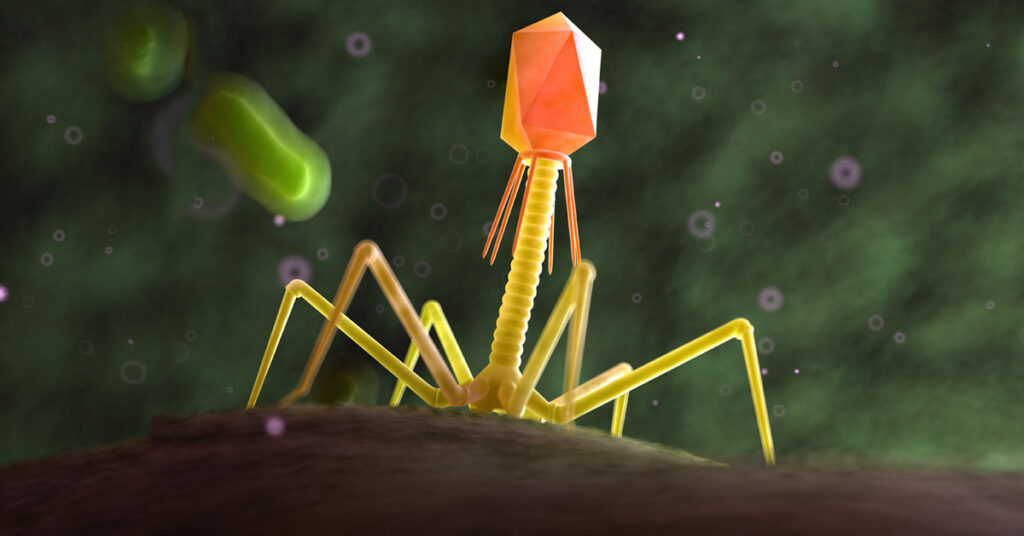
Global pandemics, such as COVID-19, have taught us to abhor viruses. The emergence of new, highly infectious viruses is—rightfully so—a cause for concern. However, despite the average human body harboring 380 trillion viruses, most of them simply coexist with us and are harmless. When it comes to an ancient lineage of viruses within the realm Duplodnaviria, researchers are even using them as weapons in the battle against infectious diseases.
In 1915, Frederick William Twort, an English bacteriologist at the University of London, reported the discovery of an unusual “ultramicroscopic virus” (1). Twort was culturing vaccinia virus as part of an experiment to determine if he could prepare smallpox vaccines in vitro. These vaccines, made in calves, were typically contaminated with Staphylococcus bacteria. When Twort plated the vaccines, he found small, clear areas on the agar plates where the bacteria would not grow, and these clear areas were the source of his ultramicroscopic virus. Two years later, a French-Canadian microbiologist, Félix d’Hérelle, independently discovered a similar phenomenon when culturing Shigella bacteria from fecal samples of patients with bacillary dysentery. He called the new virus “un bactériophage obligatoire” (2). Shortly after his discovery, he found that bacteriophages (phages) could be used as powerful agents to treat a variety of bacterial infections, and the field of phage therapy was born (3).
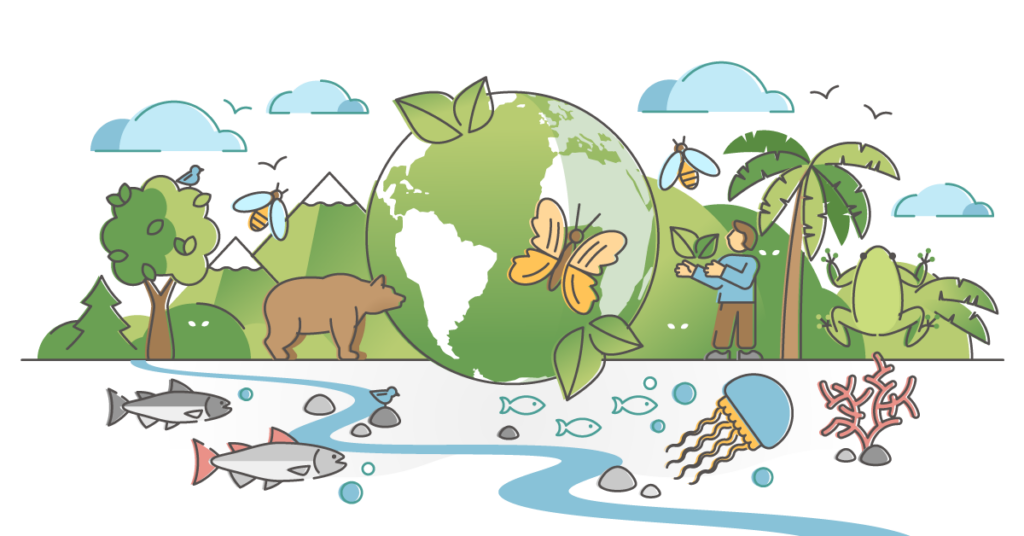
We share this planet with approximately 8.7 million species of plants and animals. Within such a diverse environment, it’s only natural that many complex relationships have developed among different species. Some relationships are mutually beneficial, some are parasitic—and some are lethal.
Natural toxins and venoms are biologically active compounds produced by normal metabolic processes in an organism but are harmful to other organisms. Typically, toxins are encountered passively or ingested by the affected organisms, and have a specific mode of action and binding site within a cell. In contrast, venoms are introduced directly into the victim through a specialized delivery mechanism, and they may consist of a mixture of compounds that affect a range of cell types and tissues (1). Both types of poisons are produced for predation, defense, or to offer a competitive advantage (1).
Cells, commonly considered the smallest unit of life, provide structure and function for all living things (3).
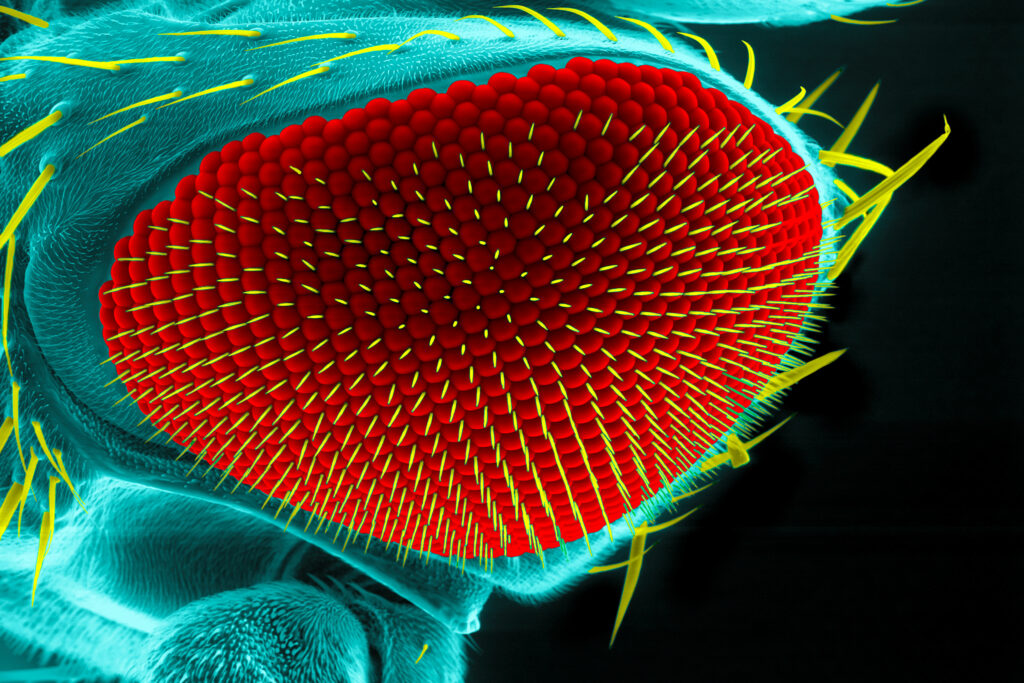
Eye of a fruit fly, Drosophila melanogaster, scanning electron microscopy
Because cells contain the fundamental molecules of life, in some situations such as yeast, a single cell can be considered the complete organism. In other situations, for more complex multicellular organisms, a multitude of cells can mature and acquire different, specialized functions (3).
Cells developing specificity are undergoing differentiation, a process where a cell’s genes are either turned “on” or “off” resultant in a more specific cell type. As these differentiated cells start to exhibit their identity, they organize themselves into the tissues, organs, and organ systems integral to the functioning of a multicellular, developing organism. This process in which order and form is created within a developing organism is referred to as morphogenesis (5).
Our cells, and the DNA they contain, are under constant attack from external factors such as ionizing radiation, ultraviolet light and environmental toxins. Internal cellular processes can also generate metabolites, such as reactive oxygen species, that damage DNA. In most cases, DNA damage results in permanent changes to DNA molecules, including DNA mismatches, single-strand breaks (SSBs), double-strand breaks (DSBs), crosslinking, or chemical alteration of bases or sugars. If left unchecked, DNA damage can cause genome instability, mutations and aberrant transcription, and oncogenic transformation.
Fortunately, our cells have also evolved multiple pathways to repair damaged DNA, collectively known as the DNA damage response (DDR). The type of repair mechanism depends on the nature of the damage, and whether the damage occurs in mitochondrial or nuclear DNA. These mechanisms have been reviewed extensively (1,2). Recently, considerable attention has focused on pathways for repairing SSBs and DSBs, mediated by the ADP-ribosylating enzyme known as poly (ADP-ribose) polymerase 1, or PARP-1.
Alzheimer’s disease is a devastating, progressive degenerative brain condition that starts with mild dementia symptoms like memory issues and gradually worsens to the point where you can no longer communicate or care for yourself. For anyone with personal experience with it, Alzheimer’s looms like a specter over the natural process of aging.
In the beginning phase of Alzheimer’s, abnormal plaques of the protein, amyloid-β, develop. These protein clumps can accumulate for decades with no detectable impact on cognitive ability or brain health. Eventually, a second protein, tau, begins to gather and form intercellular, fibrous, tangles. It is with the formation of these tau tangles that symptoms first appear. The combined presence of these extracellular plaques and intercellular tangles are the hallmarks of Alzheimer’s disease.
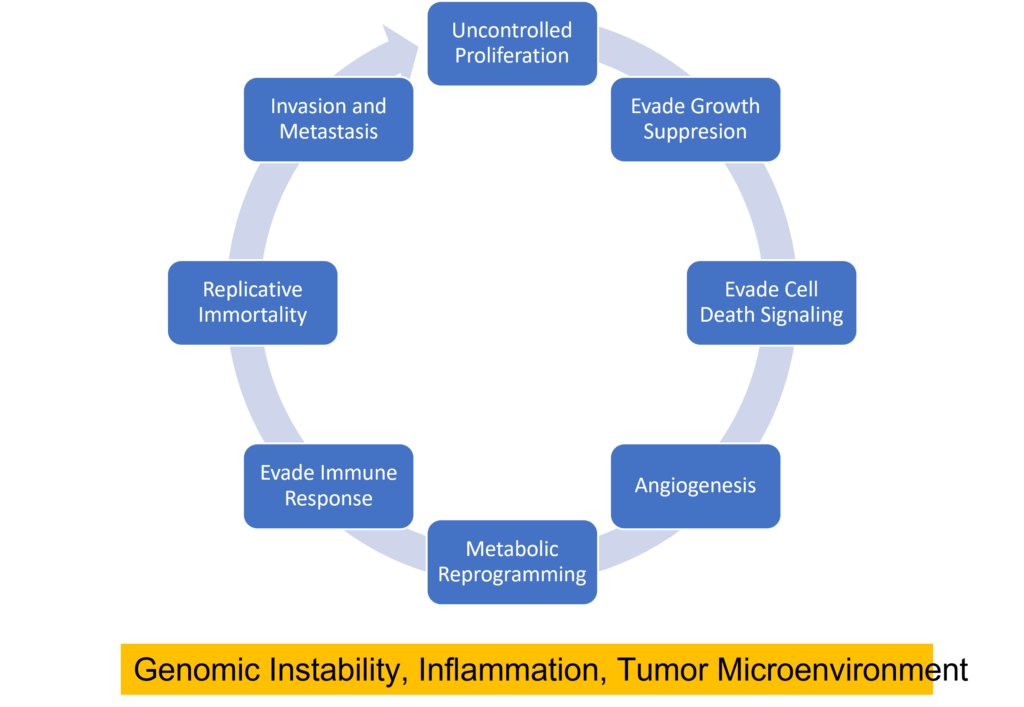
Cancer cells can be distinguished from normal cells by a variety of features including their ability to inappropriately activate signals for cell proliferation, evade growth suppression from contact inhibition or tumor suppressor activity, evade cell death signals, replicate DNA continually, induce angiogenesis, invade new tissues, reprogram their metabolism to provide energy for rapid proliferation, and evade immune detection (1) . Several biological processes are responsible for these features including genomic instability, inflammation, and the creation of a tumor microenvironment.
The tumor microenvironment is the network of non-malignant cells, connective tissue and blood vessels that surround and infiltrate the tumor. These surrounding “normal” cells interact with each other and the cancer cells and are important players in tumorigenesis. One cell type that is often found in the tumor microenvironment are nerve cells. In fact, cancer cells often express proteins that encourage nerve growth into the tumor microenvironment such as growth factors and axon-guidance molecules (2). Crosstalk between nerve cells and tumor cells can facilitate development of several cancer types (2) including pancreatic, head and neck, oral, prostate, and colorectal cancers.
XWe use cookies and similar technologies to make our website work, run analytics, improve our website, and show you personalized content and advertising. Some of these cookies are essential for our website to work. For others, we won’t set them unless you accept them. To learn more about our approach to Privacy we invite you to Read More
By clicking “Accept All”, you consent to the use of ALL the cookies. However you may visit Cookie Settings to provide a controlled consent.
We use cookies and similar technologies to make our website work, run analytics, improve our website, and show you personalized content and advertising. Some of these cookies are essential for our website to work. For others, we won’t set them unless you accept them. To find out more about cookies and how to manage cookies, read our Cookie Policy.
If you are located in the EEA, the United Kingdom, or Switzerland, you can change your settings at any time by clicking Manage Cookie Consent in the footer of our website.
Necessary cookies are absolutely essential for the website to function properly. These cookies ensure basic functionalities and security features of the website, anonymously.
Cookie
Duration
Description
cookielawinfo-checbox-analytics
11 months
This cookie is set by GDPR Cookie Consent plugin. The cookie is used to store the user consent for the cookies in the category "Analytics".
cookielawinfo-checbox-functional
11 months
The cookie is set by GDPR cookie consent to record the user consent for the cookies in the category "Functional".
cookielawinfo-checbox-others
11 months
This cookie is set by GDPR Cookie Consent plugin. The cookie is used to store the user consent for the cookies in the category "Other.
cookielawinfo-checkbox-advertisement
1 year
The cookie is set by GDPR cookie consent to record the user consent for the cookies in the category "Advertisement".
cookielawinfo-checkbox-necessary
11 months
This cookie is set by GDPR Cookie Consent plugin. The cookies is used to store the user consent for the cookies in the category "Necessary".
cookielawinfo-checkbox-performance
11 months
This cookie is set by GDPR Cookie Consent plugin. The cookie is used to store the user consent for the cookies in the category "Performance".
gdpr_status
6 months 2 days
This cookie is set by the provider Media.net. This cookie is used to check the status whether the user has accepted the cookie consent box. It also helps in not showing the cookie consent box upon re-entry to the website.
lang
This cookie is used to store the language preferences of a user to serve up content in that stored language the next time user visit the website.
viewed_cookie_policy
11 months
The cookie is set by the GDPR Cookie Consent plugin and is used to store whether or not user has consented to the use of cookies. It does not store any personal data.
Analytical cookies are used to understand how visitors interact with the website. These cookies help provide information on metrics the number of visitors, bounce rate, traffic source, etc.
Cookie
Duration
Description
SC_ANALYTICS_GLOBAL_COOKIE
10 years
This cookie is associated with Sitecore content and personalization. This cookie is used to identify the repeat visit from a single user. Sitecore will send a persistent session cookie to the web client.
vuid
2 years
This domain of this cookie is owned by Vimeo. This cookie is used by vimeo to collect tracking information. It sets a unique ID to embed videos to the website.
WMF-Last-Access
1 month 18 hours 24 minutes
This cookie is used to calculate unique devices accessing the website.
_ga
2 years
This cookie is installed by Google Analytics. The cookie is used to calculate visitor, session, campaign data and keep track of site usage for the site's analytics report. The cookies store information anonymously and assign a randomly generated number to identify unique visitors.
_gid
1 day
This cookie is installed by Google Analytics. The cookie is used to store information of how visitors use a website and helps in creating an analytics report of how the website is doing. The data collected including the number visitors, the source where they have come from, and the pages visted in an anonymous form.
Advertisement cookies are used to provide visitors with relevant ads and marketing campaigns. These cookies track visitors across websites and collect information to provide customized ads.
Cookie
Duration
Description
IDE
1 year 24 days
Used by Google DoubleClick and stores information about how the user uses the website and any other advertisement before visiting the website. This is used to present users with ads that are relevant to them according to the user profile.
test_cookie
15 minutes
This cookie is set by doubleclick.net. The purpose of the cookie is to determine if the user's browser supports cookies.
VISITOR_INFO1_LIVE
5 months 27 days
This cookie is set by Youtube. Used to track the information of the embedded YouTube videos on a website.
Performance cookies are used to understand and analyze the key performance indexes of the website which helps in delivering a better user experience for the visitors.
Cookie
Duration
Description
YSC
session
This cookies is set by Youtube and is used to track the views of embedded videos.
_gat_UA-62336821-1
1 minute
This is a pattern type cookie set by Google Analytics, where the pattern element on the name contains the unique identity number of the account or website it relates to. It appears to be a variation of the _gat cookie which is used to limit the amount of data recorded by Google on high traffic volume websites.