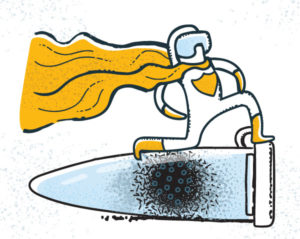
We’re all familiar with the Central Dogma of Molecular Biology: DNA is transcribed into RNA, which is translated into proteins. It’s drilled into our heads from the early days of biology classes, and it’s surprisingly useful when we start exploring in our own research projects. For example, if you’re interested in gene expression, you’ll most likely be working with RNA, specifically mRNA. Messenger RNA (mRNA) is transcribed from DNA and is used by ribosomes as a “template” for a specific protein. The total mRNA in a cell represents all of the genes that are actively being transcribed. So, if you want to know whether or not a gene is being transcribed, RNA purification is a great place to start.
When preparing your RNA samples for a downstream assay, there are several roadblocks and pitfalls that could give you quite a headache. Let’s tackle two of the most common.
Continue reading “Working with RNA doesn’t have to be a nightmare”
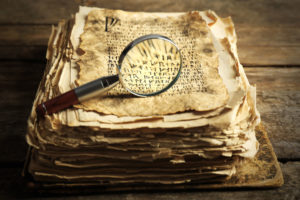 We can learn a lot about the past and its people from the written records of the time. What people write and how they write it can gives us glimpses into historical events, interpersonal relationships, social standing and even social and cultural norms. From paper to papyrus to clay tablets, the surface that holds the writing can tell us things that the words cannot.




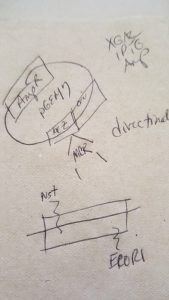 Let’s face it, most lab techs and purchasing agents aren’t all that happy when you send them an Instagram picture of your latest lunchroom-napkin cloning strategy as your order form for your next big cloning experiment. So we have created the
  Already have a favorite vector and a freezer full of restriction enzymes? No problem, skip those steps and move on to getting the perfectly sized nucleic acid markers or the particular polymerase your experiment requires.