MSI Testing of Tumor Cells for Better Tailored Treatment

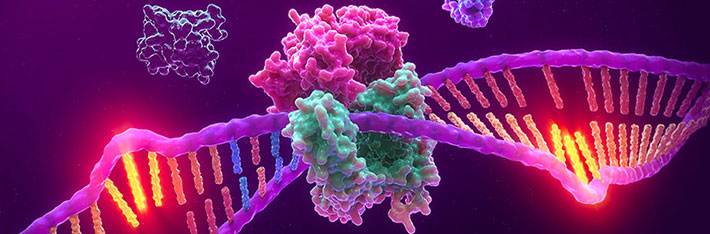
3D artistic rendering of mismatch repair. Microsatellite instability (MSI)  which can result from defects in mismatch repair is a biomarker for some cancers

There are as many different cancers as there are people with cancer. Unlike infectious diseases, which are caused by pathogens that are foreign to our bodies (bacteria, viruses, parasites), cancer cells arise from our body—our own cells gone rogue. Because cancer is a dysfunction of a person’s normal cells, every cancer reflects the genetic differences that mark us as individuals. Add to that environmental influences like diet, tobacco use, the microbiome and even occupation, and the likelihood of finding a “single” pharmaceutical cure for cancer becomes virtually impossible.

But, while looking for a single cure for all cancers may not be a fruitful activity, defining a best practice for understanding the genetic and protein biomarkers of individual tumors is proving worthwhile.

Continue reading “MSI Testing of Tumor Cells for Better Tailored Treatment”
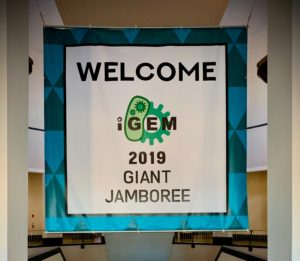
The Future of Synthetic Biology: A Recap of iGEM 2019

After attending the iGEM Giant Jamboree last year and being completely blown away by the projects presented (check out this article or this one), I didn’t think I’d be as astonished this year. I attributed part of the awe I felt over the caliber and quality of the projects to my wide-eyed naiveté, having never attended the event before. The second time around, the “first-time” novelty long worn off, I didn’t expect to feel that same level of amazement.

I couldn’t have been more wrong.

After three days of impressive presentations, I once again felt that same astonishment as I prepared to watch the presentations of the 6 finalists. With good reason—the projects presented by the six finalists completely blew my mind!

Continue reading “The Future of Synthetic Biology: A Recap of iGEM 2019”

Tales from the Trenches: Career Growth in Biotechnology

Building a successful career in the biotechnology industry is really just a series of transitions from one role to another. But the devil is in the details—when to make a change, how to create opportunities and who can be your champion as you pivot. So how do you navigate these factors to keep your career goals on course?

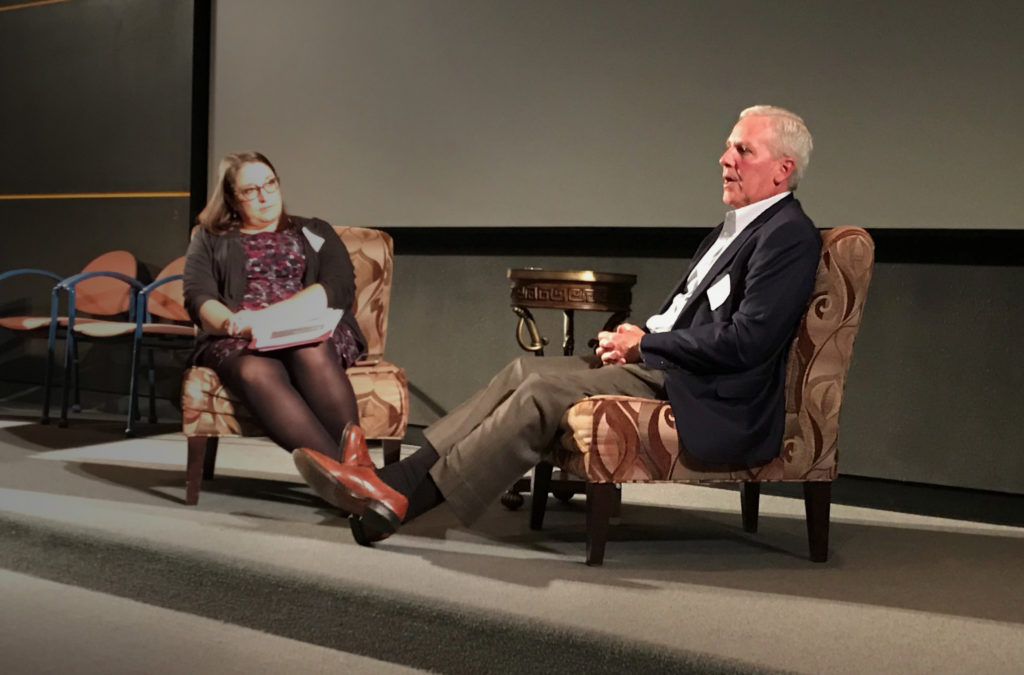
Bob Weiland answers a question posed by Michele Smith at the MS Biotech Alumni Symposium.

I recently attended a symposium (presented by the University of Wisconsin Master of Science in Biotechnology Program, of which I’m an alum) that addressed this topic through the lens of one individual with a storied career in the industry. Bob Weiland currently serves on the Board of Directors for CymaBay Therapeutics. He has held various roles, from sales and marketing to operations and strategy, within large, established companies (Abbot, Baxter, Takeda) and smaller ones (Pacira Pharmacueticals). He drew on this wide-ranging experience to provide advice to professionals at all career stages.

Bob began the talk by declaring that there will be points in your career when you reach a “hard spot” and will need to transition, whether to a new role, company or even industry, to meet your career goals. He suggested a good starting point is simply to be thinking about making a change. But in the same breath he emphasized, “What are you doing about it?” He identified four distinct actions that you can take to ensure role changes and career transitions support your professional growth and development.

Continue reading “Tales from the Trenches: Career Growth in Biotechnology”

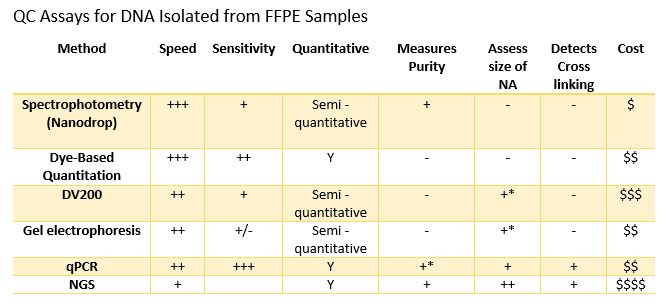
How should I evaluate DNA isolated from FFPE samples to ensure success?

Part two of three. You can read part 1 here.

Formalin-Fixed Paraffin embedded (FFPE) samples are being used in increasing numbers of molecular assays. In my last blog I discussed some of the pre-analytical variables that can affect results obtained when using FFPE samples. Laboratories can increase the quality of downstream results by controlling variables where possible. While exacting control over the sample acquisition and fixation process can improve results, quality testing of incoming samples is a crucial step in assuring optimal results. There are numerous methods that can be used to evaluate the quality of samples and they can provide different information that can be used to assess sample integrity and suitability for different applications.

Continue reading “How should I evaluate DNA isolated from FFPE samples to ensure success?”

Halloween Costumes: Retro Science Style

“Back when I was in the lab…”: it seems like every former scientist has a story. Kind of like Thanksgiving Dinner among your elderly relatives, scientists are quick to one-up each other with horror stories from our days at the bench—stories that included escape artist rats, a leaky sequencing gel apparatus, and the iconic radioactively contaminated post doc.

We turned to our favorite science cartoonist, Ed Himelblau, to ask for some retro Halloween costumes based on stories of things that used to be common in the lab that don’t seem like such a great idea now. Enjoy…and if you have a few retro horror science costume ideas of your own, please share them.

Continue reading “Halloween Costumes: Retro Science Style”

A Diamond in the Rough: New Applications of Diamond Nucleic Acid Dye

Diamond™ Nucleic Acid Dye (Cat# H1181) is a safe, inexpensive and sensitive fluorescent dye option that binds to single-stranded and double-stranded DNA and RNA. Diamond™ Dye typically is used for staining electrophoresis gels to visualize nucleic acids in a similar to its carcinogenic counterpart, ethidium bromide. However Diamond™ Dye has several advantages: gels stained with Diamond™ Dye can be visualized using either UV or blue-light transilluminators. Also, a wash step after staining is not necessary when using Diamond™ Dye, unlike what is typically recommended for ethidium bromide.

Besides staining electrophoresis gels, there are other applications for this diamond in the rough. Highlighted below are two fascinating uses of this multifaceted tool: touch DNA localization and qPCR detection.

Continue reading “A Diamond in the Rough: New Applications of Diamond Nucleic Acid Dye”

Kyle Hill Explains the Science of Star Wars at the Wisconsin Science Festival

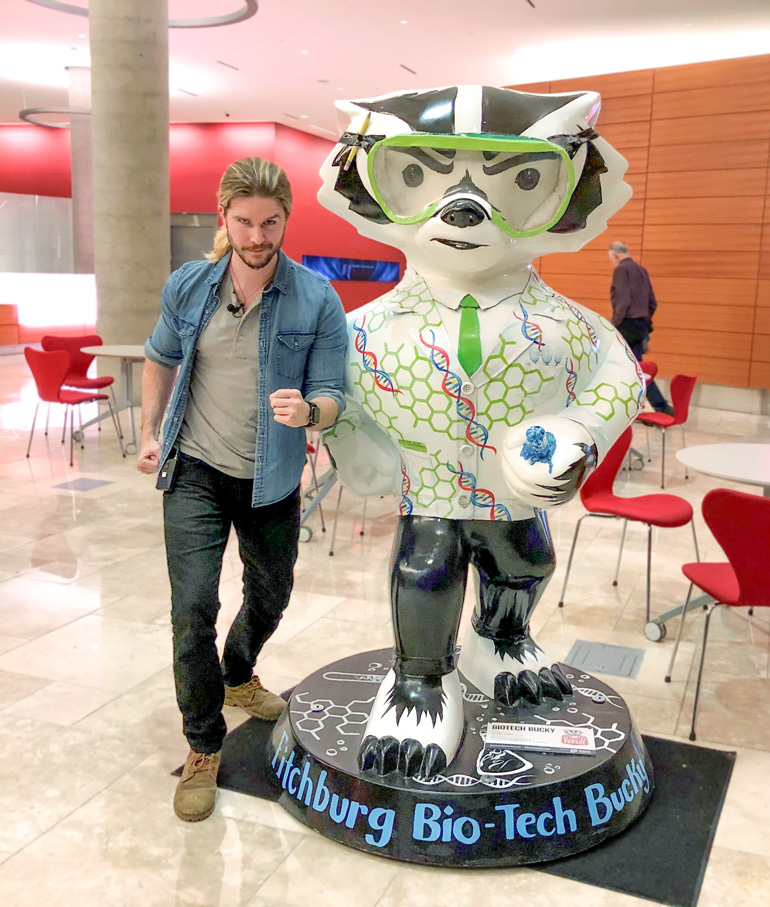
Kyle Hill poses heroically with Biotech Bucky at the Wisconsin Science Festival / Photo courtesy of WARF

With another major Star Wars film about to hit the theaters this year, sci-fi enthusiasts are abuzz with excitement to watch epic lightsaber battles and hyperspace travel. But are these sci-fi concepts more grounded in science or fiction? That is what science communicator Kyle Hill aims to explore.

A Wisconsin native, Hill graduated from Marquette University with degrees in engineering and science communication. Now he resides in Los Angeles, where he built a career writing and talking about the intersection of science and pop culture through his video series, Because Science.

This past weekend at the Wisconsin Science Festival, hundreds of fans gathered to hear Hill share his ideas on how the sci-fi concepts in the Star Wars movies aren’t that far off from actual science.

Continue reading “Kyle Hill Explains the Science of Star Wars at the Wisconsin Science Festival”

WiSciFest 2019: A Retrospective

This past weekend was the 9th Annual Wisconsin Science Festival, and we at Promega were excited to join in the celebration of science throughout the state. We participated in the Discovery Expo on Thursday and Friday, where dozens of demonstrations and exhibits were scattered throughout the Wisconsin Institute for Discovery building. Thousands of children on field trips filled the halls, eager to poke and prod at strange and exciting new things.

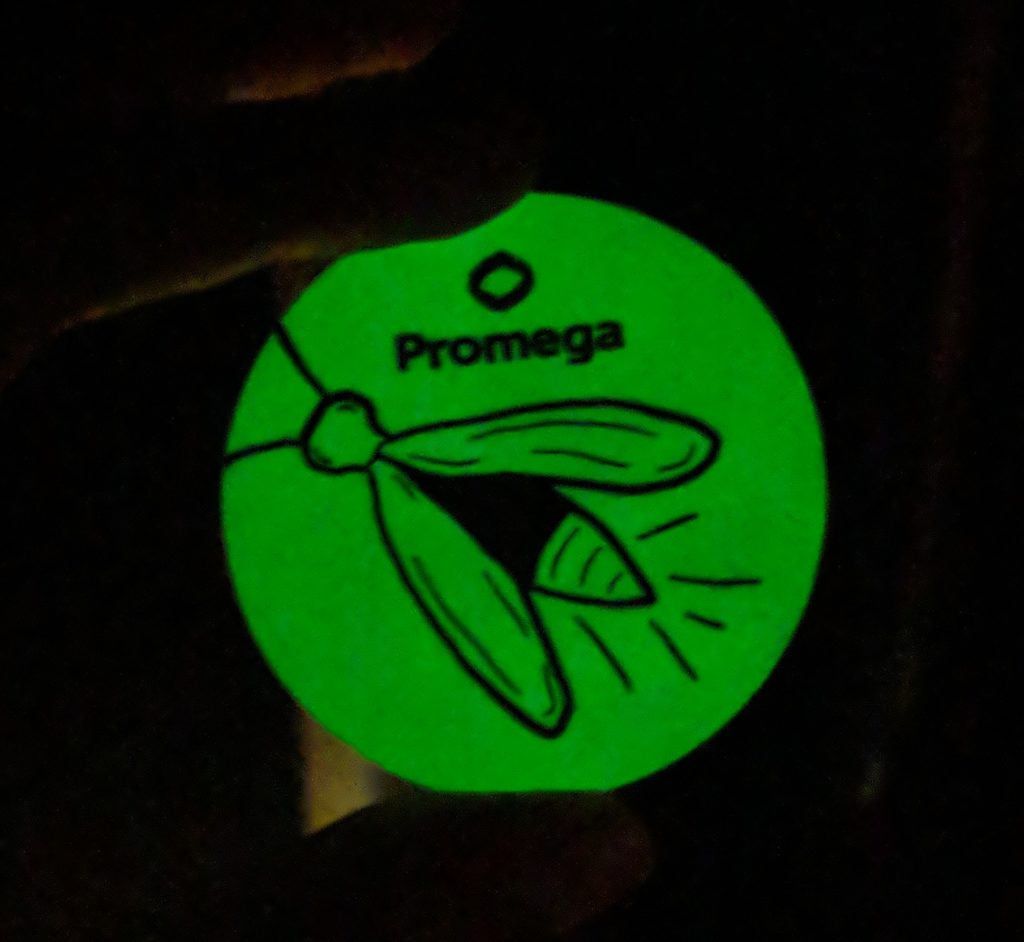
At our table, we talked about the science of bioluminescence. With 3D-printed firefly luciferase models in hand, we showed the glow of recombinant luciferase to the incoming children and explained to them how scientists could use bioluminescence like a tiny “flashlight” to look inside of cells and watch what’s happening. Our learners received a nice little reward for their attentiveness in the form of glow-in-the-dark firefly stickers.

Thank you to the tablecloth for providing the darkness needed to grab this pic.
Continue reading “WiSciFest 2019: A Retrospective”

Pop Quiz: What Scientific Job is Right for You?

Word Quiz on yellow backgroundI used to love taking magazine quizzes to learn more about myself. I thought it would be fun to create a quiz to help you find out what scientific career path may be the best fit for you. Be open-minded while taking the quiz and remember that this is just for fun!

1. My greatest strength is:

a)      My artistry
b)      My perseverance
c)      My attention to detail
d)      My problem solving skills
e)      My personality- I get along with everyone

Continue reading “Pop Quiz: What Scientific Job is Right for You?”

Discussing the Future of Gene Editing at CRISPRcon Midwest

crisprcon_banner
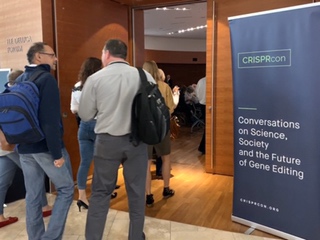
Walking in to the first session at CRISPRcon Midwest.

Last week, a diverse group of stakeholders attended CRISPRcon Midwest, hosted by the Keystone Policy Center and the University of Wisconsin–Madison. The goal of the day-long conference was to emphasize the importance and value of gene editing technology, and how it must be communicated deliberately between scientists, the public, policymakers, and other stakeholders.

Julie Shapiro, Senior Policy Director of Keystone Policy Center, acted as Emcee for the event. Given the diverse group of attendees, she mentioned in her opening remarks that the event organizers were “seeking conversation, not consensus” and emphasized the “power of respectful dialogue.” A slide overhead showcased the ground rules for the day, which included statements such as “dare to listen, dare to share, and dare to disagree.”

crisprcon_poll_word_cloud
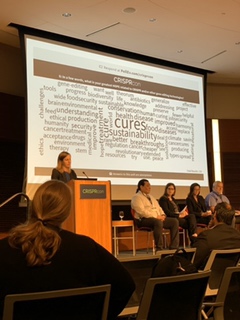
Word cloud generated from live polling results at CRISPRcon Midwest.

CRISPRcon aimed to included voices beyond those represented by keynote speakers and panelists, so they incorporated live polling through an online app to keep the audience engaged and an active participant in the conversations throughout the day. From the opening remarks, it was clear that this conference would not just deliver on its promise of thoughtful conversation about the science, but build further understanding about the societal impacts of a rapidly advancing technology.

Continue reading “Discussing the Future of Gene Editing at CRISPRcon Midwest”