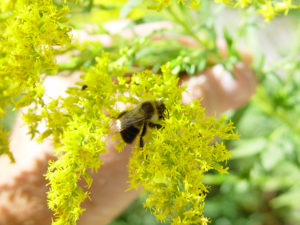
Some people like a perfectly green carpet of grass; I welcome the biodiversity of clover, dandelions and other weeds (although I could do without the painful thistles). Of course, I also notice many pollinating insects including bumblebees seem to enjoy visiting the flowers that bloom in the lawn. However, concerns have arisen over the use of insecticides and the health of our pollinators. There has been extensive talk about the collapse of honeybee colonies and declining populations of native pollinators like bumblebees. One area of research is the use of insecticides, especially neonicotinoids, and how they affect bees but most studies were done in lab environments, not in a lawn where the bees would collect nectar from flowering plants. Larson, Redmond and Potter decided to study both clothianidin, a neonicotinoid insecticide, and chlorantraniliprole, an anthranilic diamide, and examine how the insecticides affected bumblebees that foraged on treated lawns.
Neonicotinoids are systemic insecticides that are potent selective agonists of nicotinic acetylcholine receptors in insects, and are applied as sprays or granules during the spring for control of root-feeding grubs and other pests. Anthranilic diamides are a new class of insecticides that activate insect ryanodine (calcium channel) receptors and cause lethal paralysis in sensitive species. Chlorantraniliprole shows low acute bee toxicity, a promising development, but this anthranilic diamide has not been tested in the field.
Continue reading “Can We Have Healthy Bees and Green Lawns?” As a recruiter, I look at resumes every single day. It’s part of my job. A good resume will get your information passed on to a hiring manager, and a bad one will end up in a rejection pile. A candidate could be a perfect fit for the job, but if the resume does not reflect HOW they are a perfect fit, they will not get moved forward in the interview process.
 We all know that a healthy lifestyle (diet high in whole foods and low in fat, moderate exercise, managing stress and good social support) is good for us. In fact I will go so far as to say that it isn’t even news that these things help our health and well-being. What is news, or at least newly published, is that these changes may also have a positive effect on telomerase activity and telomere length (1).

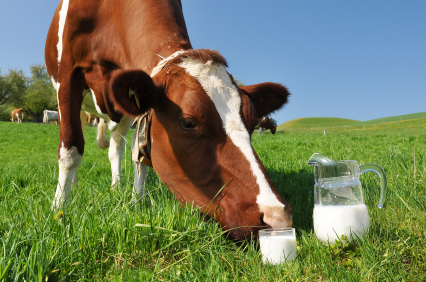 The ability for adults to digest the milk sugar, lactose, is often referred to as lactase persistence (LP), describing the continued (persistent) production of lactase into adulthood. LP is an autosomal dominant trait that is most often associated with a T allele situated 13,910 base pairs (–13,910*T allele) upstream of the lactase gene, LCT. Archaeogenetic data indicates that pre- and early Neolithic populations were largely LP-negative, and that the frequency of the LP phenotype rose dramatically in Europe around 8,000 years ago, coinciding with the Neolithic transition from a hunter-gather to an agricultural-based lifestyle (1) and the appearance of domesticated dairying animals. Today roughly 35% of adults are lactose persistent. The frequency varies dramatically by geographic region, from a high prevalence in Europe (89–90%) and to a relatively low prevalence in the eastern Mediterranean (15%)(1). The spread of lactase persistence is an often cited example of gene-culture co-evolution. You can’t separate the history of domestic dairying and the evolution of lactase persistence, but scientists are still trying to understand how these two worked together.
  Marijuana is a highly controversial substance with roughly an equal number of supporters and opponents of its use for medicinal purposes. Marijuana is a dry, shredded mix of flowers, stems, seeds and leaves of the Hemp plant Cannabis sativa. New studies reporting the efficacy of medicinal marijuana in clinical conditions surface on a fairly regular basis, with the latest being a reported treatment for seizures. This constant influx of new information shows how little we know about the substance and how it works in the human body. So what do we know about this substance? While many psychoactive drugs clearly fall into the category of either stimulant, depressant or hallucinogen, Cannabis exhibits a mix of all properties, perhaps leaning the most towards hallucinogenic or psychedelic, though with other effects quite pronounced as well.