Curling up with a good book is one of life’s greatest pleasures, whether you’re reading on a tropical beach while on vacation or nestled into your favorite chair at home. As your eyes skim over the words, your mind conjures up images of the events unfolding on the page. Books can take us to fantastic places, real and imaginary, that we will never visit in our lifetime. And while there is some pleasure to be gained from nonfictional books, my favorite books all seem to fall in the realm of fiction. I am not alone. The science fiction and fantasy genre of literature continues to be one of the most popular. Why do so many readers find these types of books so enticing and engaging?
It all comes down to science, specifically neuroscience.
It is estimated that all the bacterial species so far described represent only a tiny fraction of the total. The rest remain unknown to science because they are “unculturable” in standard (or known) laboratory media. Given that many antibiotics were first isolated from environmental bacteria, it seems likely that these as yet unknown organisms could also be a rich source of potential new drug candidates. The desperate need for new strategies to combat multi-drug resistant infections gives impetus to studies investigating how we can culture some of these “unculturable” bacteria and uncover their potential as a source of much-needed new treatments.
Image courtesy of James Monaghan, Ph.D., Northeastern University, Boston, MA
On April 22, 2015, the BTC Institute and Promega Corporation will host the 10th Annual Wisconsin Stem Cell Symposium — Engineering Limb Regeneration: Recapitulating Normal Development and Regeneration? Our colleagues at the University of Wisconsin-Madison have put together an outstanding list of presenters who will address advances – and challenges – associated with this field of research. Continue reading “Announcing the 10th Annual Wisconsin Stem Cell Symposium: Engineering Limb Regeneration”
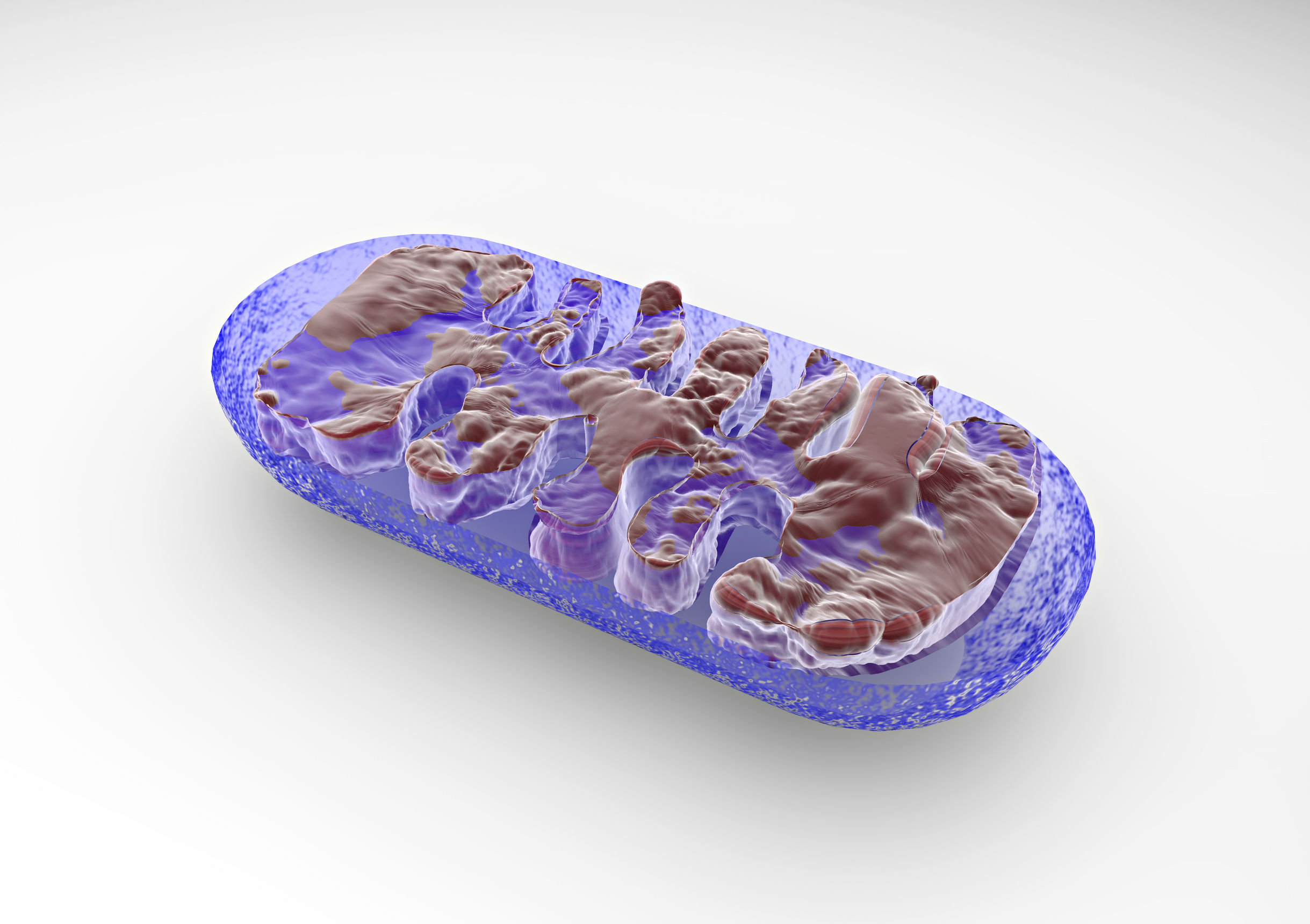
Mitochondria, often thought of as powerhouses of the cell, are fascinating eukaryotic organelles with a double-layered membrane and their own genome. Mitochondrial DNA (Mt DNA) is typically about 16570 bases, circular, highly compact, haploid and contains 37 genes, all of which are essential for normal mitochondrial function. Thirteen of these genes provide instructions for making enzymes involved in oxidative phosphorylation, a process that uses oxygen and simple sugars to create adenosine triphosphate (ATP), the cell’s main energy currency. The remaining genes code for transfer RNA (tRNA) and ribosomal RNA (rRNA) which are necessary for translating messenger RNA transcribed from nuclear DNA, into protein molecules.
A: The simplest way to clone PCR Products is to amplify the product using thermostable polymerases such as Taq, Tfl or Tth polymerase. These polymerases add a single deoxyadenosine to the 3´-end of the amplified products (3´-end overhang), and can be cloned directly into a linearized T-vector.
Q: What if my DNA polymerase has 3´ to 5´ exonuclease activity (i.e., proofreading activity) that removes the 3´-end overhang?
A: To clone PCR products that have been amplified with a polymerase that have proof reading activity into a T-vector, you will need to perform an A-tailing step using Taq DNA polymerase and dATP. Blunt ended restriction digest fragments can also be A-tailed using this method. The method below uses GoTaq Flexi DNA Polymerase (comes with a Mg-free reaction buffer), but any Taq DNA polymerase can be used.
Set up the following reaction in a thin-walled PCR tube:
1–4µl purified blunt-ended DNA fragment (from PCR or restriction enzyme digestion)
2µl of 5X GoTaq Reaction Buffer (Colorless or Green)
2µl of 1mM dATP (0.2mM final concentration)
1µl GoTaq Flexi DNA Polymerase (5u/µl)
0.6µl of 25mM MgCl2 (1.5mM final concentration)
Nuclease-free water to a final volume of 10µl
Incubate at 70°C for 15–30 minutes in a water bath or thermal cycler.
Q: What is a T-vector, and why are they used for cloning PCR products?
A: T vectors are linearized plasmids that have been treated to add T overhangs to match the A overhangs of the PCR product. PCR fragments that contain an A overhang can be directly ligated to these T-tailed plasmid vectors with no need for further enzymatic treatment other than the action of T4 DNA ligase.
Your Promega Connections bloggers thought we would inject a little levity into the day. So we are sharing this Ed Himelblau cartoon limerick. Are any of our readers poets? Do you have a couplet, haiku or science-related limerick you can share with us?
Yersinia pestis by U.S. Center for Disease Control [Public domain], via Wikimedia Commons.Understanding the course of a pathogenic infection involves not only understanding what ultimately kills the host or how the bacterium or virus enters the body but also how it establishes itself in the host organism. What is the receptor that allows a virus to enter the cell? Which cells does a bacterium first target or how does it evade an immune response? While other studies of bacteria like Yersina pestis have looked at imaging the bacterial burden in model mice, questions remain about how this bacterium gets from the skin after an infected flea bites to the draining lymph nodes, where the bacteria replicate and enter the bloodstream and infection becomes fatal. A recent PLOS Pathogens article examined how the nonmotile Y. pestis disseminated itself starting from a tiny innoculation mimicking a flea bite on a mouse ear and following pathogen interaction with the host from skin to lymph node. Continue reading “Tracking the Beginning of a Pathogenic Bacterial Infection”
Genetic reporters are used as indicators to study gene expression and cellular events coupled to gene expression. They are widely used in pharmaceutical and biomedical research and also in molecular biology and biochemistry. Typically, a reporter gene is cloned with a DNA sequence of interest into an expression vector that is then transferred into cells. Following transfer, the cells are assayed for the presence of the reporter by directly measuring the reporter protein itself or the enzymatic activity of the reporter protein. A good reporter gene can be identified easily and measured quantitatively when it is expressed (in the organism or cells of interest).
Bioluminescent reporters are ideal for these types of studies because they have a number of important features including:
• Measurements that are almost instantaneous
• Exceptional sensitivity
• A wide dynamic range
• Typically no endogenous activity in host cells to interfere with quantitation
However, one factor that is critical for the success of a bioluminescent reporter assay is the vector.
At Promega we offer several different luciferases as reporters, and the genes for those luciferases are available in a variety of vectors. The vectors may vary in the promoters used or the presence or absence of sequences for rapid degradation. Often seemingly small changes in the vector can make a big difference in the suitability of the vector for a given experimental system. Do you need a reporter with a short half-life to detect rapid changes in gene expression? Are you studying a specifically localized protein? Do you wish to perform a transient or stable transfection?
To make finding the best reporter vector for your experimental system easy, we have developed the Luciferase Reporter Vector Selector. Using this online tool, you can narrow the choices of available vectors by promoter type, application (in vivo imaging, cancer pathway analysis, etc), availability of selectable marker, and type of luciferase.
So, as you design your luciferase reporter experiment, keep in mind this handy tool to help you choose the best luciferase vector for your needs.
Data generated by scientific instruments and decisions based on that data depend on optimal instrument performance. Clinical assays rely on mass spectrometric (MS) data for accurate results so that correct health related results are gained and appropriate results-based decisions are made. However, there are no generally agreed upon tools nor performance standards for mass spectrometry. Furthermore, while several software tools exist that serve to assist with the analysis of instrument performance, a dedicated reagent software package has yet to be created. For optimal liquid chromatography (LC) performance, parameters like retention time, peak width and peak heightare typically reported. Commonly monitored MS parameters include mass accuracy, mass resolution, signal-to noise, sensitivity, limit of detection (LOD), limit of quantitation (LOQ) and dynamic range.
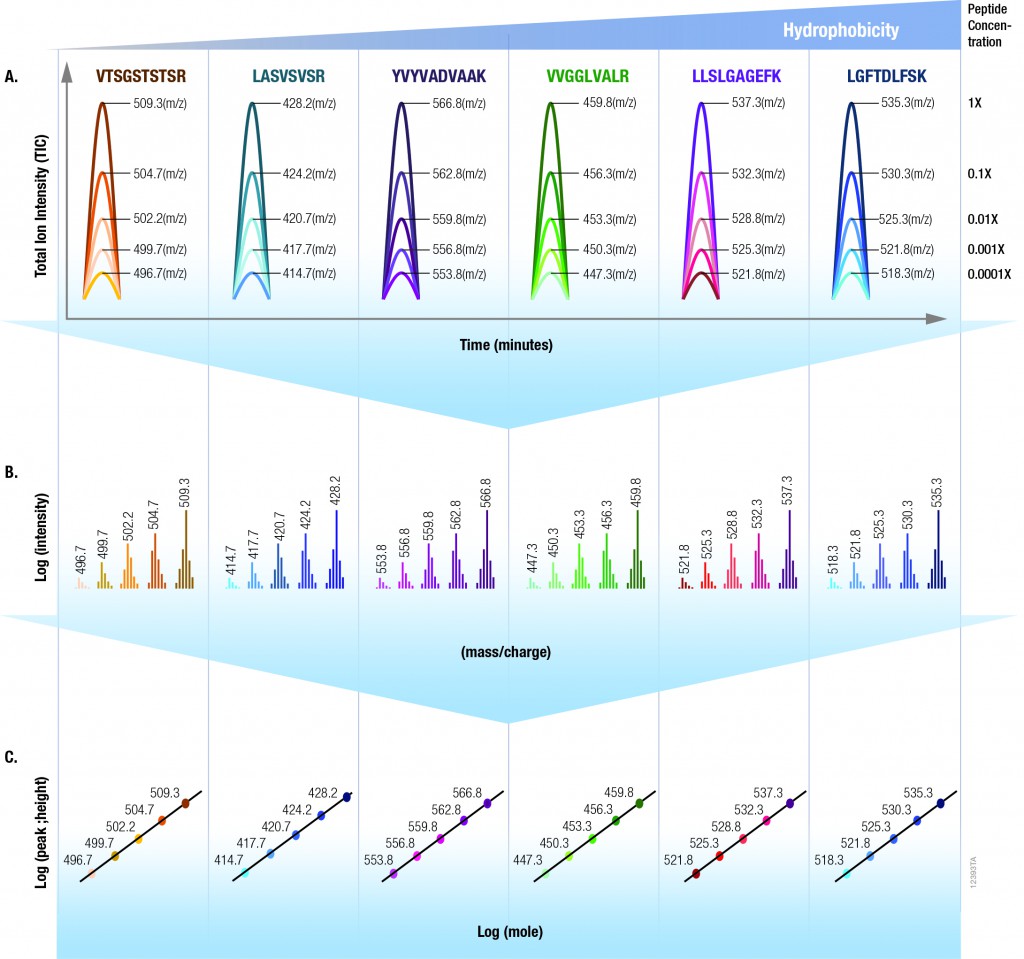
The 6 × 5 LC-MS/MS Peptide Reference Mix is designed for use in method development and optimization,and for routine liquid chromatography (LC) and mass spectrometry (MS) instrument performance monitoring. The product is a mixture of 30 peptides: 6 sets of 5 isotopologues of the same peptide sequence. The isotopologues (Figure 1) differ only by the number of stable, heavy-labeled amino acids incorporated into the sequence. The labeled amino acids consist of uniform 13C and 15N atoms. Each of the isotopologues is indistinguishable chemically and chromatographically. However, since they differ in mass, they are clearly resolved by mass spectrometry.
Figure 1.
The isotopologues of each peptide are present in a series of tenfold differences in concentration or molar abundance. If 1pmol of the mixture is loaded onto an LC column, the next lighter isotopologue would be 100fmol, the next 10fmol, the second lightest 1fmol, and the lightest 100amol. This range allows assessment of the instrument’s dynamic range and sensitivity from a single run.
Peptides with a wide range of hydrophobicities were chosen to enable reporting of LC column performance. The most hydrophilic peptide gives users a tool to optimize the capture of hydrophilic peptides that might be difficult to capture otherwise, but that are too precious to use for method development.
To assist in data processing, a complementary software tool, is provided, the 6 × 5 LC-MS/MS Peptide Reference Mix Analysis Software (The PReMiS™ Software). The PReMiS™ Software produces a tabular report of calculated instrument parameters, graphical analysis of linearity curves as well as reporting the history of user-selected parameters such as LC retention time, peak height and mass accuracy. If the laboratory has a collection of instruments, there is also an option to compare parameters across instruments.
Every day we are bombarded by potential contagions: whether a physical ailment such as measles or influenza or something as seemingly harmless as a yawn or popular Internet meme. For better or worse, emotions can be contagious too, passed on from one person to another through verbal and nonverbal cues, with or without the awareness that we are being affected by another person’s emotional state. In many cases, the only route for such transmission is observation. For example, who hasn’t felt better after watching an uplifting film or cried while watching a sad movie. In the lab, scientists have determined that levels of the stress hormone cortisol increased in individuals undergoing a stress test but also in passive observers who watch the stress test through a one-way mirror or on a television screen. Often, the magnitude of the observer’s response is affected by how well he knows or can relate to the person.
As reported in a recent PLOS ONE article(1), we now know that even a physiological response to cold temperatures is readily transmissible from one person to another, although many of us who live in northern climates probably knew this long before any scientific study: Watching children playing in the snow or someone shoveling snow can often send a chill through us even though we are watching from a heated building. However, a group of scientists in the UK and Germany was not satisfied with anecdotal evidence of temperature contagion, as they named this phenomenon. They did the experiment and generated the data.
XWe use cookies and similar technologies to make our website work, run analytics, improve our website, and show you personalized content and advertising. Some of these cookies are essential for our website to work. For others, we won’t set them unless you accept them. To learn more about our approach to Privacy we invite you to Read More
By clicking “Accept All”, you consent to the use of ALL the cookies. However you may visit Cookie Settings to provide a controlled consent.
We use cookies and similar technologies to make our website work, run analytics, improve our website, and show you personalized content and advertising. Some of these cookies are essential for our website to work. For others, we won’t set them unless you accept them. To find out more about cookies and how to manage cookies, read our Cookie Policy.
If you are located in the EEA, the United Kingdom, or Switzerland, you can change your settings at any time by clicking Manage Cookie Consent in the footer of our website.
Necessary cookies are absolutely essential for the website to function properly. These cookies ensure basic functionalities and security features of the website, anonymously.
Cookie
Duration
Description
cookielawinfo-checbox-analytics
11 months
This cookie is set by GDPR Cookie Consent plugin. The cookie is used to store the user consent for the cookies in the category "Analytics".
cookielawinfo-checbox-functional
11 months
The cookie is set by GDPR cookie consent to record the user consent for the cookies in the category "Functional".
cookielawinfo-checbox-others
11 months
This cookie is set by GDPR Cookie Consent plugin. The cookie is used to store the user consent for the cookies in the category "Other.
cookielawinfo-checkbox-advertisement
1 year
The cookie is set by GDPR cookie consent to record the user consent for the cookies in the category "Advertisement".
cookielawinfo-checkbox-necessary
11 months
This cookie is set by GDPR Cookie Consent plugin. The cookies is used to store the user consent for the cookies in the category "Necessary".
cookielawinfo-checkbox-performance
11 months
This cookie is set by GDPR Cookie Consent plugin. The cookie is used to store the user consent for the cookies in the category "Performance".
gdpr_status
6 months 2 days
This cookie is set by the provider Media.net. This cookie is used to check the status whether the user has accepted the cookie consent box. It also helps in not showing the cookie consent box upon re-entry to the website.
lang
This cookie is used to store the language preferences of a user to serve up content in that stored language the next time user visit the website.
viewed_cookie_policy
11 months
The cookie is set by the GDPR Cookie Consent plugin and is used to store whether or not user has consented to the use of cookies. It does not store any personal data.
Analytical cookies are used to understand how visitors interact with the website. These cookies help provide information on metrics the number of visitors, bounce rate, traffic source, etc.
Cookie
Duration
Description
SC_ANALYTICS_GLOBAL_COOKIE
10 years
This cookie is associated with Sitecore content and personalization. This cookie is used to identify the repeat visit from a single user. Sitecore will send a persistent session cookie to the web client.
vuid
2 years
This domain of this cookie is owned by Vimeo. This cookie is used by vimeo to collect tracking information. It sets a unique ID to embed videos to the website.
WMF-Last-Access
1 month 18 hours 24 minutes
This cookie is used to calculate unique devices accessing the website.
_ga
2 years
This cookie is installed by Google Analytics. The cookie is used to calculate visitor, session, campaign data and keep track of site usage for the site's analytics report. The cookies store information anonymously and assign a randomly generated number to identify unique visitors.
_gid
1 day
This cookie is installed by Google Analytics. The cookie is used to store information of how visitors use a website and helps in creating an analytics report of how the website is doing. The data collected including the number visitors, the source where they have come from, and the pages visted in an anonymous form.
Advertisement cookies are used to provide visitors with relevant ads and marketing campaigns. These cookies track visitors across websites and collect information to provide customized ads.
Cookie
Duration
Description
IDE
1 year 24 days
Used by Google DoubleClick and stores information about how the user uses the website and any other advertisement before visiting the website. This is used to present users with ads that are relevant to them according to the user profile.
test_cookie
15 minutes
This cookie is set by doubleclick.net. The purpose of the cookie is to determine if the user's browser supports cookies.
VISITOR_INFO1_LIVE
5 months 27 days
This cookie is set by Youtube. Used to track the information of the embedded YouTube videos on a website.
Performance cookies are used to understand and analyze the key performance indexes of the website which helps in delivering a better user experience for the visitors.
Cookie
Duration
Description
YSC
session
This cookies is set by Youtube and is used to track the views of embedded videos.
_gat_UA-62336821-1
1 minute
This is a pattern type cookie set by Google Analytics, where the pattern element on the name contains the unique identity number of the account or website it relates to. It appears to be a variation of the _gat cookie which is used to limit the amount of data recorded by Google on high traffic volume websites.
 Curling up with a good book is one of life’s greatest pleasures, whether you’re reading on a tropical beach while on vacation or nestled into your favorite chair at home. As your eyes skim over the words, your mind conjures up images of the events unfolding on the page. Books can take us to fantastic places, real and imaginary, that we will never visit in our lifetime. And while there is some pleasure to be gained from nonfictional books, my favorite books all seem to fall in the realm of fiction. I am not alone. The science fiction and fantasy genre of literature continues to be one of the most popular. Why do so many readers find these types of books so enticing and engaging?





 Every day we are bombarded by potential contagions: whether a physical ailment such as measles or influenza or something as seemingly harmless as a yawn or popular Internet meme. For better or worse, emotions can be contagious too, passed on from one person to another through verbal and nonverbal cues, with or without the awareness that we are being affected by another person’s emotional state. In many cases, the only route for such transmission is observation. For example, who hasn’t felt better after watching an uplifting film or cried while watching a sad movie. In the lab, scientists have determined that levels of the stress hormone cortisol increased in individuals undergoing a stress test but also in passive observers who watch the stress test through a one-way mirror or on a television screen. Often, the magnitude of the observer’s response is affected by how well he knows or can relate to the person.