Introduction
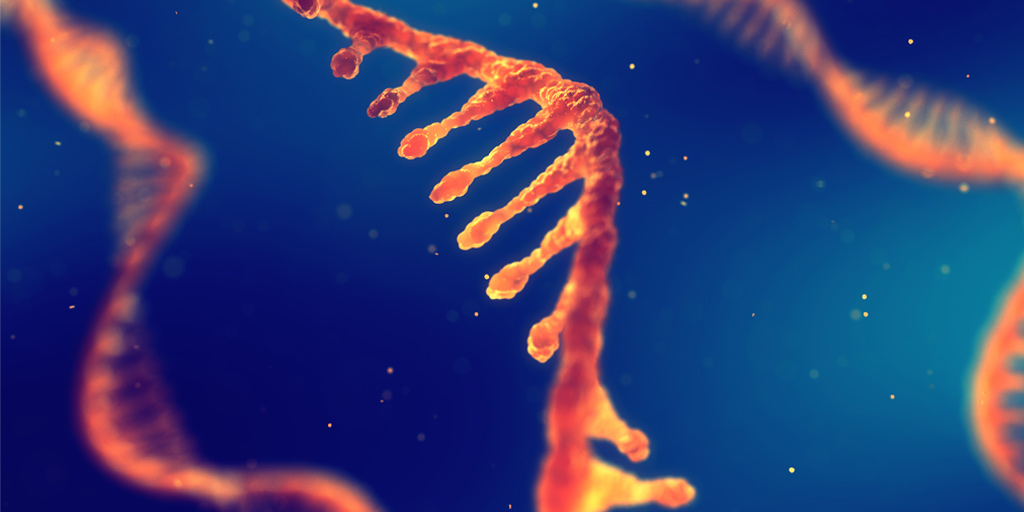
Lipid nanoparticles (LNPs) have transformed mRNA delivery. From COVID-19 vaccines to the first approved RNAi therapeutic, ONPATTRO (Patisiran), LNPs have proven their ability to ferry nucleic acid cargo into cells with speed and efficiency (Huang, 2019). Despite this transformation, most clinically deployed LNP formulations share a significant constraint: following intravenous administration, roughly 90% of the injected dose clears to the liver within an hour. If your target is a hepatocyte, that is hardly a hindrance. It’s a serious limitation if you need to reach the spleen, lymph nodes, pancreas or other extrahepatic tissues, all of which are organs of major interest in immunotherapy, vaccine development and metabolic disease research.
A new paper from Pieter Cullis’s laboratory at the University of British Columbia (UBC) offers a structural solution to that problem. Their design, termed a ‘liposomal LNP’, reengineers the architecture of the particle itself to achieve dramatically longer circulation lifetimes and improved transfection in tissues that standard formulations have largely missed.
What are Lipid Nanoparticles?
LNPs enable fast transfection of a wide variety of cells, facilitating the transport of mRNA, DNA and siRNA into cells to induce transient expression in a short period of time (mere hours for mRNA and one to two days for DNA). They are a powerful tool that rose to broad public awareness through their use in COVID-19 vaccines, which delivered spike protein mRNA as cargo. Beyond vaccines, LNPs have been applied therapeutically as the delivery vehicle for ONPATTRO, which treats polyneuropathy of hereditary transthyretin-mediated amyloidosis (Huang, 2019).
The most widely studied LNP formulation, such as the ONPATTRO-like composition, consists of four components: an ionizable lipid, a helper lipid, cholesterol and a PEG-lipid. At physiological pH, the ionizable lipid is neutral and resides in a hydrophobic oil-like core surrounded by a lipid monolayer. This structure is highly effective at transfecting hepatocytes, but its rapid hepatic clearance limits its utility for reaching other tissues.
A Structural Redesign: What Makes the Liposomal LNP Different
Standard ONPATTRO-like formulations have a lipid monolayer surrounding an oil droplet core. The UBC team’s publication reasoned that dramatically increasing the proportion of bilayer-forming lipids, specifically equimolar egg sphingomyelin (ESM) and cholesterol, could fundamentally change what the LNP looks like (Cheng, 2025).
The authors explored various bilayer-to-ionizable lipid molar ratios (RB/I) to see how they modified the structure of the particle. They found that an RB/I of 4 resulted in particles that transition to a true liposomal architecture consisting of a lipid bilayer enclosing an aqueous interior with a solid core suspended inside. Cryo-electron microscopy confirmed that approximately 84% of particles at this ratio adopt this bilayer structure, with the solid core occupying roughly 30% of the interior. LNP sizes across all tested ratios remained in the 40–60 nm range, confirming that the structural shift happens without meaningful changes in particle size.
Why the Structural Change in Liposomal LNP Affects Assembly and Delivery
The liposomal LNP exploits pH-driven structural transitions at both the assembly and delivery stages, explaining how a particle dominated by bilayer lipids can remain transfection-competent.
Assembly: When an ethanol-lipid mixture meets an acidic aqueous buffer (pH 4) containing mRNA, the positively charged ionizable lipid binds the negatively charged mRNA, forming a core complex. This complex acts as a nucleation point for the deposition of ESM/cholesterol bilayer lipid. As pH rises to 7.4 during formulation, ionizable lipids in the outer monolayer shift to a neutral form and migrate inward, expanding an oil droplet core. The mRNA dissociates from the oil core and resides in the aqueous interior where it is protected within the bilayer.
Delivery: After endocytosis, the acidic endosomal environment reverses this process. The ionizable lipids become positively charged again and migrate to the outer surface of the LNP, causing the solid mRNA-containing core to extrude outward from the liposomal bilayer. This positively charged protrusion interacts with the negatively charged endosomal membrane, triggering fusion and releasing the mRNA into the cytoplasm for translation. The authors describe this as a localized “warhead” mechanism—a structural consequence of the bilayer architecture, rather than a simple membrane-disruption event.
Exploring the Performance of the Liposomal LNP
The authors utilized NanoLuc® mRNA as a reporter payload throughout the study. From in vitro transfection efficiency to whole-animal imaging, it allowed the authors to detect differential expression that would have been difficult to detect with less sensitive reporters.
The performance of the Liposomal LNP tells a compelling story. In vitro, the RB/I = 4 formulation matched or exceeded the transfection potency of the ONPATTRO-like composition in Huh7 cells across a wide dose range, while also proving to be the most stable on the shelf. After 63 weeks at 4°C, it maintained greater than 80% mRNA encapsulation with less than 20% size increase, and produced the highest mRNA integrity and translatability of any tested ratio.
SPECT/CT imaging of whole animals with the Liposomal LNP showed a circulation half-life approximately 15-fold longer than the standard ONPATTRO-like formulation, a direct consequence of the bilayer exterior adsorbing roughly half the plasma protein load. This reduced exterior plasma protein load means less macrophage recognition, less clearance and more time in circulation to reach tissues beyond the liver. That improved lifetime in circulation translated into improved tissue access. Ex vivo organ analysis showed 50-fold greater luminescence in the spleen and 150-fold greater in the inguinal lymph node compared to the standard formulation. Meaningful signal was also detected in the pancreas, a tissue rarely reached through conventional LNP formulations. Immunofluorescence confirmed delivery was localized to macrophages at the marginal zone of the spleen and subcapsular sinus of the lymph node.
It is also worth noting that the liposomal morphology held up when tested with the ionizable lipids used in the BNT162b2 and the mRNA-1273 COVID vaccines, suggesting this is a generalizable design.
Expanding Use of NanoLuc® mRNA: UBC RNA and Formulation Core
Throughout this study, NanoLuc® mRNA served as the reporter payload. In vitro, NanoLuc® luminescence normalized to total protein provided a sensitive, linear measure of transfection efficiency across a wide dose range. In vivo, it enabled whole-animal IVIS imaging using the Nano-Glo® Fluorofurimazine substrate, with quantification extended to ex vivo organ homogenates using the Nano-Glo® Luciferase Assay System. NanoLuc® Luciferase sensitivity enabled detecting differential expression in tissues as small as inguinal lymph nodes and the pancreas. Detecting meaningful signal from a lymph node or pancreas can be challenging and thus successful detection demonstrates the exceptional performance of NanoLuc® Luciferase.
The authors synthesized their NanoLuc® mRNA in-house, a capability not universally available to research groups. We have partnered with the University of British Columbia RNA and Formulation Core to close that gap, enabling distribution of NanoLuc® mRNA across the core’s academic and industry network. Researchers who want to investigate LNP delivery, optimize formulations or validate mRNA constructs can now work with the RNA and Formulation Core to acquire NanoLuc® mRNA without the overhead of in-house synthesis. Work from UBC has contributed foundational understanding for LNP formulations, and now through their core they enable NanoLuc® mRNA development for any interested scientist.
Conclusion
The work from UBC demonstrates what becomes possible when mRNA delivery can reach beyond the liver, but the findings are only useful if researchers can access the tools to replicate and build on them. That’s where the UBC RNA and Formulation Core comes in. By partnering with Promega to distribute NanoLuc® mRNA, the Core gives researchers direct access to the same reporter used in this study, without the overhead of in-house synthesis. Whether you’re optimizing an LNP formulation, validating extrahepatic delivery or exploring mRNA constructs for a new application, you can now work with the Core to get started.
Interested in learning more about the UBC RNA and Formulation Core? Explore their website.
Learn more about the full NanoLuc® portfolio.
Citations
Cheng, M.H.Y. et al. (2025) Liposomal lipid nanoparticles for extrahepatic delivery of mRNA. Nature Communications 16, 4135.
Huang, Y.Y. (2019) Approval of the first-ever RNAi therapeutics and its technological development history. Prog. Biochem. Biophys. 46, 313–322.