In Defense of Wild Spaces in the Yard

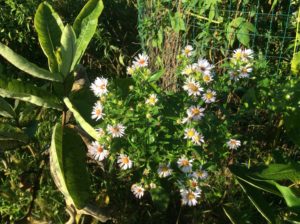
Pale purple asters and milkweed. Copyright S. Klink.

Surrounding my mowed lawn is a wild, mostly uncultivated space that currently has goldenrod blooming with tall asters starting to blossom. Every day when I pass these flowers, I see bumblebees, butterflies and other insects collecting the nectar to eat or store for the winter. Last year, when a section of soil was disturbed during construction of a building, I decided to seed the area with native wildflowers rather than grass. (I am not a fan of mowing the lawn.) Watching the series of flowers bloom over the late spring to autumn has been beautiful, colorful and full of tiny moments of joy. Not only do I see insects enjoying the flowering plants, but birds will land on the taller greenery, sometimes just resting, sometimes collecting seeds. I am not sure who has been startled more often, me or the birds when I walk by, flushing a bird from the thicket of tall plants.
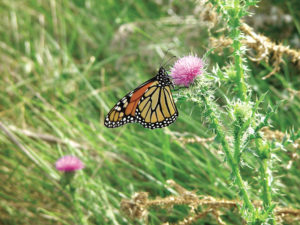
Monarch butterfly on thistle photographed in the prairie at Promega headquarters in Madison, WI. Copyright Promega Corporation.

Where some people might see wild, unruly areas, I see Monarch butterflies on their daily flight, fluttering above me and the โ€œweedsโ€. I have even been lucky enough to find Monarch caterpillars munching on milkweed, a common plant in my wild space. Despite my efforts, I have a lot of tall ragweed appearing in my yard, but have discovered that birds love the seeds, including my chickens, and squirrels will remove and eat the leaves. In addition, I see fireflies in early June through late August, many I find hanging out on the shady greenery during the day before their light display at night. Continue reading “In Defense of Wild Spaces in the Yard”
Quantitating Kinase-Inhibitor Interactions in Live Cells

Kinase target engagement is a new way to study kinase inhibitors for target selectivity, potency and residency. The NanoBRETโ„ข TE Intracellular Kinase Assays enable you to quantitate kinase-inhibitor binding in live cells, making these assays an exciting new tool for kinase drug discovery research.

For today’s blog about NanoBRETโ„ข TE Intracellular Kinase Assay, we feature spokesperson Dr. Matt Robers. Matt is part of Promega’s R & D department and is one of the developers of the NanoBRETโ„ข TE Intracellular Kinase Assay.

Continue reading “Quantitating Kinase-Inhibitor Interactions in Live Cells”

Fished to the Edge: How DNA Identification Can Help Fight the Illegal Trade of Threatened Shark Species

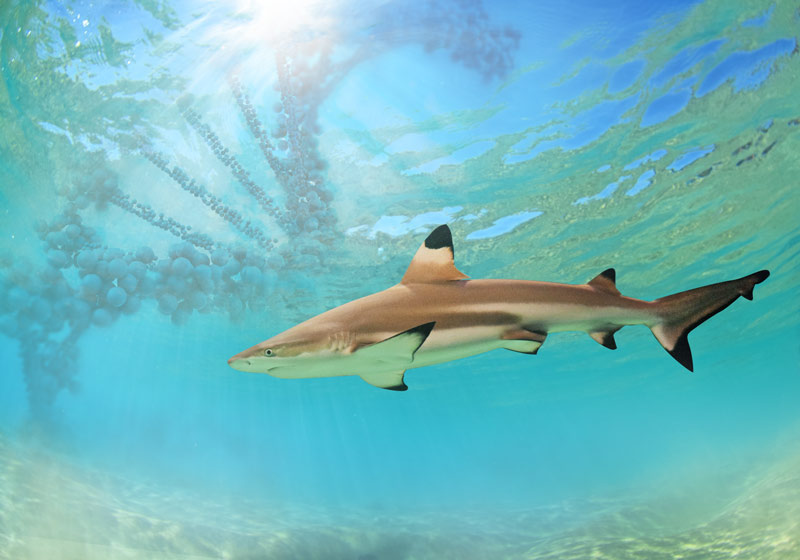
Whether your first encounter was peering through the thick glass of an aquarium tank or peeking through your fingers in a darkened theater, there is something about sharks that captures our imagination. These fierce, and sometimes fearsome, creatures have existed in our oceans for over 400 million years, andย  survived multiple mass extinction events, including the one that killed the dinosaurs. They are not, however, the vicious, vengeful villain that some movies would have us believe. Sharks are apex predators, who play an important role in the world’s ocean ecosystem by regulating the population of prey species below them. ย Unfortunately, they are also part of one of the most threatened group of marine fish in the world. Of the more than 400 species of sharks that exist in our oceans today, approximately 15% are considered vulnerable, endangered or critically endangered. Continue reading “Fished to the Edge: How DNA Identification Can Help Fight the Illegal Trade of Threatened Shark Species”

Beneath the Writing: Non-Invasive DNA Sampling from Modern and Historic Writing Surfaces

We can learn a lot about the past and its people from the written records of the time. What people write and how they write it can gives us glimpses into historical events, interpersonal relationships, social standing and even social and cultural norms. From paper to papyrus to clay tablets, the surface that holds the writing can tell us things that the words cannot.

For plant-based writing surfaces, the quality of the surface or even the technique used to make it can give historians and archeologists insight into the people who used them. What more could we learn if we knew what plant, or plants, were used in the production of ancient writing material? Continue reading “Beneath the Writing: Non-Invasive DNA Sampling from Modern and Historic Writing Surfaces”

Factors Influencing Compound Potency in Biochemical and Cellular Assays

Late in 2017, a group here at Promega launched an exciting new assay, the NanoBRETโ„ข Target Engagement (TE) Intracellular Kinase Assay.

Itโ€™s easy for me to call this assay exciting; I was an editor on the project team. But judging by the reviews on the SelectScienceยฎ web site, others are excited about NanoBRETโ„ข Target Engagement Intracellular Kinase Assay too.

A review of the NanoBRET TE Kinase assay from SelectScienceยฎ .
Continue reading “Factors Influencing Compound Potency in Biochemical and Cellular Assays”

Millions of Pickles, Pickles in the Sea

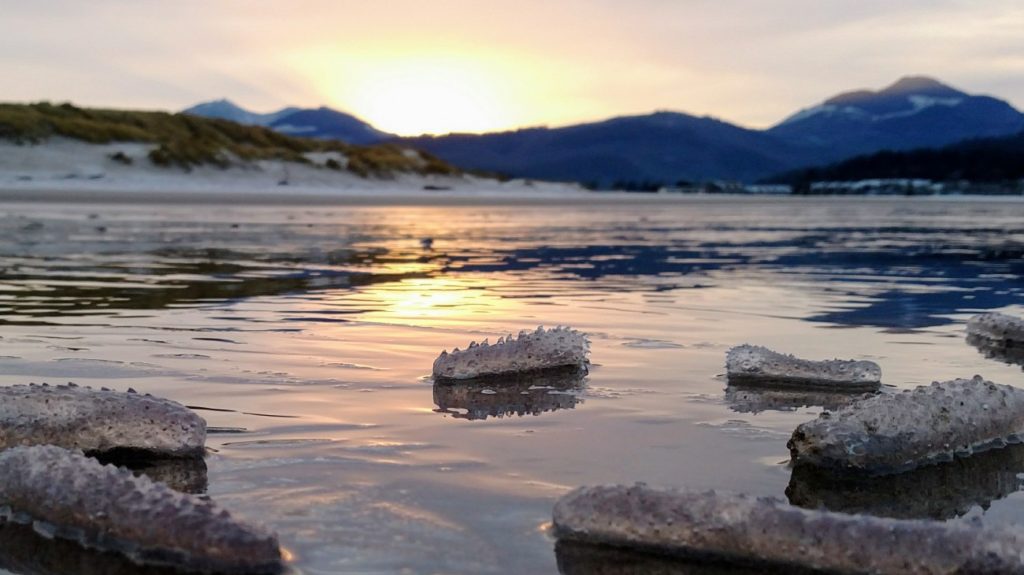
For a few years beginning late in 2013, warmer ocean conditions in the eastern Pacific prompted the appearance of unexpected species and toxic algal blooms that devastated others. When temperatures cooled in 2017, the marine ecosystems seemed to be returning to normal. Except for the pyrosomes. Although these previously rare organisms did start to wash up on beaches during the periods of warming, they began to appear by the millions from Oregon to Alaska that spring.

Pyrosomes
Photo by Steven Grace.

Some combination of ideal conditions led pyrosomes to multiply, dominate the ocean surface and wash up on beaches along the US and Canadian Pacific Coasts. Pyrosomes typically exist offshore, far below the surface in warm, tropical waters all over the world. Their sudden proliferation in other areas is likely due to the warm, Pacific ocean โ€œblob,โ€ although atypical sea currents and changes in pyrosome diet have been offered as other possible explanations.

While the appearance of pyrosomes impeded the efforts of fisherman by clogging nets and filling hooks, greater ecological effects have yet to be observed. As we celebrate World Oceans Month, pyrosomes offer a mesmerizing example of the astounding biological diversity our oceans have to offer and, perhaps, a cautionary tale of the impact climate change can have on those marine lifeforms.

The pyrosome species common in the NE Pacific, Pyrosoma atlanticum, goes by a few other colorful names. Each name reveals something captivating about these creatures. Commonly called โ€œsea picklesโ€ due their size, shape and bumpy texture (like a transparent cucumber), these are not single organisms, but colonies formed by hundreds or thousands of individual multicellular animals call zooids.

Continue reading “Millions of Pickles, Pickles in the Sea”

High-Throughput Purification with Experts Included

Implementing automated nucleic acid purification or making changes to your high-throughput (HT) workflow can be complicated and time-consuming. There are also many barriers to success such as challenging samples types and maintaining desirable downstream results that can add to the stress, not to mention actually getting the robotic instrumentation to do what you want it to. All of this makes it easy to understand why many labs avoid automating or own expensive instrumentation that goes unused.

Continue reading “High-Throughput Purification with Experts Included”

Wonders of the Conscious and Unconscious Mindโ€”What I Learned from the International Forum on Consciousness

When Heather Berlin was 5 years old, she realized that, at some point in the future, she was going to die. This disturbed her so much that she couldnโ€™t sleep all night. The next morning, she asked her father where she could store all her thoughts so they could live on after she died. Thereโ€™s no way to do that, said her physician father. โ€œWhat can I do to make this happen?โ€ she asked. โ€œMaybe become a psychiatrist?โ€ said her dad. Decades later, she became an Assistant Professor of Psychiatry at Icahn School of Medicine at Mount Sinai. Her research focuses on interactions of the brain and mind, with the goal of treating and preventing psychiatric and neurological disorders.

Dr. Heather Berlin told this story at the International Forum on Consciousness held at the BioPharmaceutical Technology Center Institute in Madison, Wisconsin last week. This annual forum gathers scientists from around the world, all interested in understanding how our conscious and unconscious minds work. This year, the forum focused on the newest research and technology for detecting and measuring consciousness. As someone with limited knowledge in this field, my mind was blown by how much researchers have learned so far about consciousness. (No, we canโ€™t store our thoughts in a boxโ€ฆyet.) Here are a few takeaways:

Continue reading “Wonders of the Conscious and Unconscious Mindโ€”What I Learned from the International Forum on Consciousness”

From Dating Apps to In Vitro Fertilization, the Challenges to Saving the Endangered Northern White Rhino

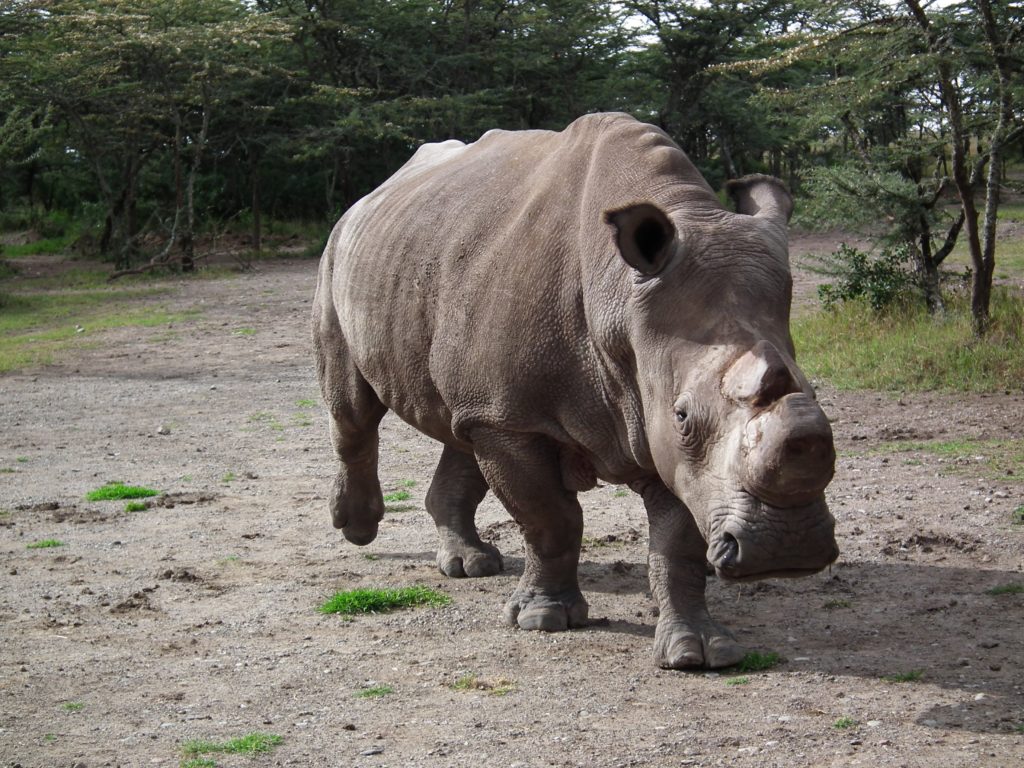
In April of 2017 a profile appeared on the dating app Tinder. Describing himself as โ€œOne of a kindโ€, the poster was 43 years old, not in great physical shape, and yet so sought after he required around the clock body guards. His name was Sudan, and he was the last living male northern white rhino. His keepers at the Ol Pejeta Conservancy in Kenya werenโ€™t expecting Sudan to find love. They were hoping to raise awareness of the speciesโ€™ dire situation and money for the research andย development of an in vitro fertilization (IVF) method for rhinos.

Northern white rhino
With only two remaining, can we save the northern white rhino? ยฉย Matt Caldwell / 123RF Stock Photo.

Northern white rhinos used to range over all or parts of Uganda, Sudan, Chad, the Democratic Republic of the Congo and the Central African Republic. In the 1960s there were an estimated 2,360 northern white rhinos left in the wild (1). Civil unrest in the region made conservation difficult, and by 2003 poaching and other pressures had reduced the number of northern white rhinos living in the wild to four individuals living in the Garamba National Park in the Democratic Republic of the Congo. There has been no sign of that wild population since 2007 (2), and they are considered extinct in the wild as of 2008. Continue reading “From Dating Apps to In Vitro Fertilization, the Challenges to Saving the Endangered Northern White Rhino”

Kinase Drug R & D: Helping Your Inhibitor Make the Cut

Finding the best inhibitor for your kinase doesn’t have to be a long trip.

A recent paper in Journal of Medicinal Chemistry, “Discovery of GDC-0853: A Potent, Selective and Noncovalent Brutonโ€™s Tyrosine Kinase Inhibitor in Early Clinical Development” (1) details some elegant work in chemical modification and extensive testing during exploration of inhibitors for BTK. As a warmup to the article, here is a brief BTK backstory.

BTK (Bruton Tyrosine Kinase): Importance in Health and Diseaseย 

Brutonโ€™s tyrosine kinase (BTK) was initially identified as a mediator of B-cell receptor signaling in the development and functioning of adaptive immunity. More recent and growing evidence supports an additional role for BTK in mononuclear cells of the innate immune system, especially dendritic cells and macrophages. For example, BTK functions in receptor-mediated recognition of infectious agents, cellular maturation and recruitment processes, and Fc receptor signaling. BTK has recently been identified as a direct regulator of a key innate inflammatory machinery, the NLRP3 inflammasome (2). Continue reading “Kinase Drug R & D: Helping Your Inhibitor Make the Cut”