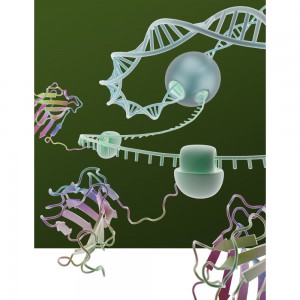
Cell-free gene expression systems are a staple tool for the researcher seeking to understand the regulation of transcription and translation. Many factors can affect the efficiency of cell-free gene expression including vector sequence, reaction components and the template DNA concentration. One factor that has not been extensively studied is how DNA template length influences gene expression.
When we think of viruses, we often think of diseases, pandemics and death. Our impression of viruses is that they are “bad”. But viruses could also be a possible cure for the deadliest disease in modern history: cancer. The therapeutic effects of “good” cancer-killing oncolytic viruses have been documented over a century ago. Records from as early as 1904 described a 42-year old woman with acute leukemia who experienced temporary remission after an influenza infection. Other early reports showed spontaneous remission of Hodgkin lymphoma and Burkitt’s lymphoma after natural infections with the measles virus.
Despite the long history, oncolytic viruses have only recently gained momentum in the scientific community. Dr. Aldo Pourchet, CSO and co-founder of Omios Biologics—a biotech startup in the San Francisco Bay area—is determined to harness the power of oncolytic viruses to develop a new generation of cancer immunotherapy.
How Oncolytic Viruses Work
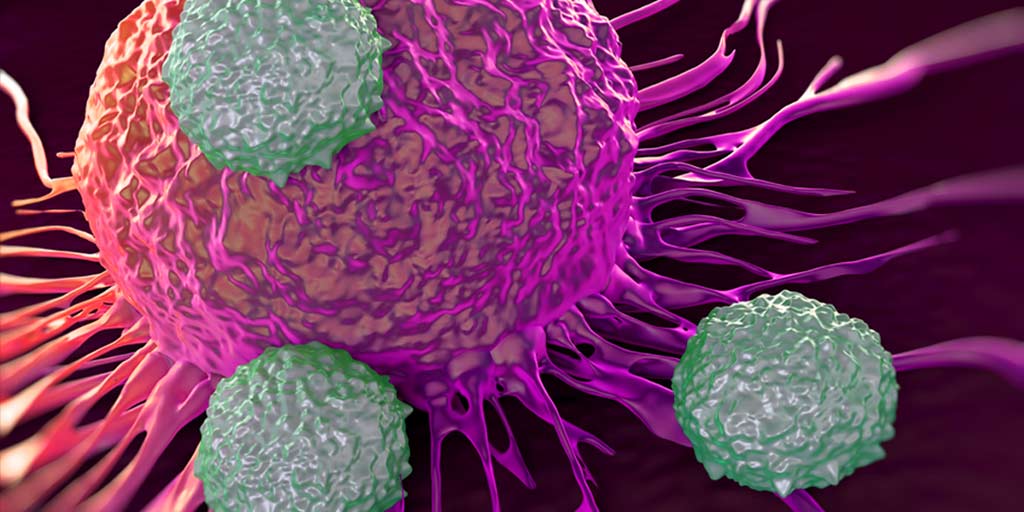
“One thing that we know for sure is that you need the immune system to fight the cancer,” says Pourchet. “You need to recruit the immune system, and probably the best thing we know for recruiting the immune system is viruses. Our immune system evolved to detect them immediately. That’s why we are still on Earth. It’s because we have been able to fight deadly viruses.”
Today’s post is written by Michael Curtin, Senior Product Manager, Reporters and Signaling.
Inflammation is a defense mechanism that the body employs in which the immune system recognizes and removes harmful and foreign stimuli and begins the healing process. Inflammation can be either acute or chronic. Chronic inflammation is also referred to as slow, long-term inflammation and can last for prolonged periods (several months to years); chronic inflammation is caused by immune dysregulation. This typically takes the form of the body’s inability to resolve inflammation resulting from overproduction of inflammatory cytokines and chemokines, as well as danger-associated molecular patterns (DAMPs) released from dying cells (2). Tumor Necrosis Factor (TNF) is the primary cytokine involved in many common inflammatory diseases and is where many therapies targeting inflammation are focused.
Recent research that RIP kinases (RIPK1 and RIPK3) are important regulators of innate immunity via their key roles in cell death signaling during cellular stress and following exposure to inflammatory and infectious stimuli. RIPK1 has an important scaffolding role in pro-inflammatory signaling where it interacts with TRADD, TRAF1 TRAF2, and TRAF3 and TRADD can act as an adaptor protein to recruit RIPK1 to the TNFR1 complex in a TNF-dependent process. RIPK1 plays a kinase activity-dependent role in both apoptotic and necroptotic cell death. A review article by Speir et al. (1) discusses the role of RIP kinases in chronic inflammation and the potential of RIPK1 inhibitors as a new therapeutic approach for the treatment of chronic inflammation. RIPK1 or Receptor Interacting Protein Kinase 1 is a serine/threonine kinase that was originally identified as interacting with the cytoplasmic domain of FAS. Promega offers several reagents that make studying RIPK1 easier- these include our RIPK1 Kinase Enzyme Systems which includes RIPK1 (Human, recombinant; amino acids 1-327), myelin basic protein (MBP) substrate, reaction buffer, MnCl2, and DTT and is optimized for use with our ADP-Glo Kinase Assay.
Immune checkpoint inhibitor (ICI), or immune checkpoint blockade, therapies are a revolutionary, and relatively new, approach to treating cancer. These therapies work by blocking immune checkpoint proteins that act to negatively regulate the immune system through the PD-1 pathway. Some tumors express immune checkpoints to prevent the immune system from producing a strong enough immune response to kill the cancer cells. When these checkpoint proteins are blocked by an ICI, the body’s T-cells can recognize and kill the cancer cells. ICI therapies show tremendous promise. Unfortunately, not all tumors express immune checkpoint proteins, and so, not all tumors will be effectively treated with ICI therapies. The challenge is differentiating between the tumors that will respond and tumors that won’t.
DNA Mismatch Repair Deficiency Status as Detected by Microsatellite Instability or Immunohisotchemistry are Important Biomarkers for ICI
Biomarkers are measurable indicators of a clinical condition that can be found in tissue, blood, or other fluids. Predictive biomarkers for ICIs can help determine if these therapies are a suitable choice for treatment. Some tumors have deficiencies in their DNA mismatch repair mechanisms. Mismatch repair deficiency (dMMR) leads to the accumulation of mutations across the genome, particularly in microsatellites, which over time can result in higher levels of neoantigen production, rendering the tumors susceptible to the ICI therapy (1–5).
In 2017, Le et al. demonstrated that dMMR status reliably predicted response to an ICI therapy targeting the PD-1 checkpoint protein (6). Following this discovery, ICI based on dMMR determined using either microsatellite instbility (MSI) or immunohistochemistry (IHC), gained clearance from the US Food and Drug Administation (FDA) for microsatellite instability-high (MSI-H) or dMMR by IHC solid tumors. This was the first time a cancer treatment was cleared based on a biomarker regardless of cancer origin (1,7). Since then, MSI-H and dMMR, have become some of the most recognized tissue agnostic biomarkers for improved survival following ICI therapy of solid tumors (6,8,9).
On May 21st, 2021 we celebrate National Endangered Species Day. This day helps raise awareness and increase knowledge of endangered species and wildlife, in hopes to save them. We have been lucky enough to collaborate with organizations and partners to help save species that were on the brink of extinction. Take a look at some species that are hoping for a second chance to survive and thrive.
Kit Elizabeth Ann the Black-Footed Ferret
In February 2018, resurrection efforts began for the then endangered black-footed ferret. With the help of the U.S. Fish and Wildlife Service, Revive and Restore, partners ViaGen Pets & Equine, San Diego Zoo Global, and the Association of Zoos and Aquariums, the successful cloning of a black-footed ferret was announced in February 2021. “Elizabeth Ann” was cloned from Willa, a female ferret that died in 1988, using somatic cell nuclear transfer (SCNT). Elizabeth Ann’s genetic variants reveal a lot of much-needed hope for the genetic diversity of wild ferrets. Check out the full story on Elizabeth Ann’s journey here!
A tiny worm called Onchocerca lupi can make life uncomfortable for both humans and their best friends. This thread-like nematode is found in the eyes or under the skin of infected animals. Historically, diagnosis required skin biopsy or surgical removal of ocular tissue, but a recent study demonstrates a new non-invasive diagnostic tool for infection by Onchocerca lupi in dogs.
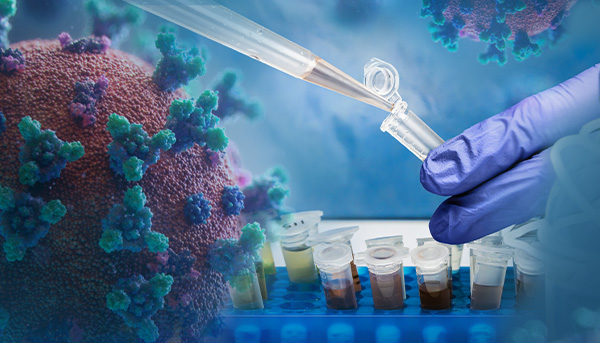
Wastewater surveillance of SARS-CoV-2 is an increasingly common method for monitoring the spread of COVID-19 within a community. As researchers and public health officials around the world are working together to set up wastewater surveillance systems, there is an urgent need to establish standard SARS-CoV-2 detection methods.
A key leader in this new field is Dr. Gloria Sanchez. She is a tenured scientist at the Institute of Agrochemistry and Food Technology, a center within the Spanish National Research Council. Before the COVID-19 pandemic, her team focused on detecting human enteric viruses in food and water. But soon, detecting SARS-CoV-2 in wastewater became their main focus.
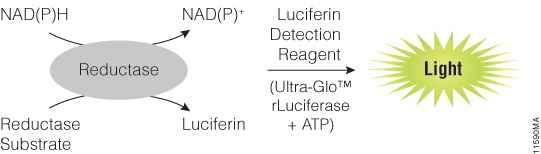
Because of the central role of energy metabolism in health and disease, and its effect on other cellular processes, assays to monitor changes in cellular metabolic state have wide application in both basic research and drug discovery. In the webinar “Tools for Cell Metabolism: Bioluminescent NAD(P)/NAD(P)H-Glo™ Assays” Jolanta Vidurigiene, a Senior Research Scientist at Promega, introduces three metabolism assays for measuring oxidized and reduced forms of NAD and NADP.
In this webinar, Jolanta provides background information on why it is important to be able to accurately measure metabolites such as NAD/NADH and NADP/NADPH. She outlines the roles of each, and highlights some of the challenges involved in developing assays that can accurately measure these metabolites. She discusses key considerations for successful NAD(P)/NAD(P)H assays and provides examples of how to use these assays to measure either total (both oxidized and reduced) forms of NAD and NADP, or to measure oxidized and reduced forms individually in a single assay plate.
Recently, selectively targeting proteins for degradation using the cell’s natural ubiquitin proteasome pathway (UPS) has surfaced as an effective strategy to bypass difficult-to-drug proteins related to diseases like cancer. Using sensitive bioluminescence technology, CRISPR-edited cell lines can facilitate studying popular protein degradation targets.
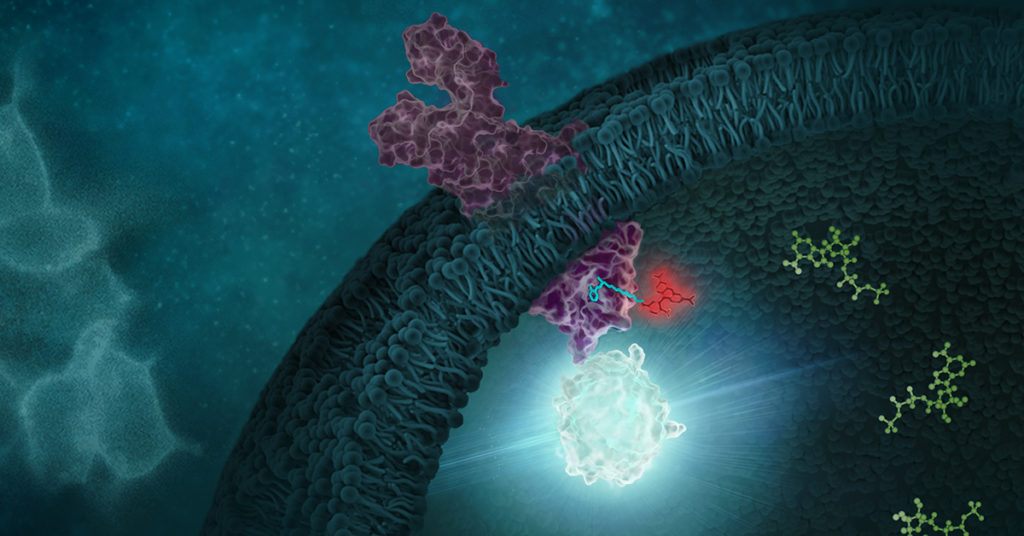
NanoLuc® Luciferase (NLuc) has made biology more accessible than ever (1). Further experimentation with NLuc led to creation of a protein complementation system (2) and the discovery of the HiBiT bioluminescent peptide. HiBiT combines spontaneously with the engineered complementary subunit LgBiT to yield an active luciferase called NanoBiT® Luciferase.
mRNA vaccines came roaring onto the public stage in 2020. In the United States and Europe, two of the vaccines that are being used against the SARS-CoV-2 virus are mRNA vaccines. The scientific community has been talking about the potential of this technology against infectious diseases as well as cancer for several years, but no one thought that the first mRNA vaccines would make such a huge, and public, debut.
One big benefit of mRNA vaccines is the speed at which they can be developed. mRNA vaccines use messenger RNA particles to teach our cells to make a bit of protein, which then triggers our body’s immune response, and it is relatively easy to synthesize large amounts of mRNA in a laboratory. As promising as this sounds for infectious diseases, the application of mRNA vaccines for oncology might be even more exciting.
XWe use cookies and similar technologies to make our website work, run analytics, improve our website, and show you personalized content and advertising. Some of these cookies are essential for our website to work. For others, we won’t set them unless you accept them. To learn more about our approach to Privacy we invite you to Read More
By clicking “Accept All”, you consent to the use of ALL the cookies. However you may visit Cookie Settings to provide a controlled consent.
We use cookies and similar technologies to make our website work, run analytics, improve our website, and show you personalized content and advertising. Some of these cookies are essential for our website to work. For others, we won’t set them unless you accept them. To find out more about cookies and how to manage cookies, read our Cookie Policy.
If you are located in the EEA, the United Kingdom, or Switzerland, you can change your settings at any time by clicking Manage Cookie Consent in the footer of our website.
Necessary cookies are absolutely essential for the website to function properly. These cookies ensure basic functionalities and security features of the website, anonymously.
Cookie
Duration
Description
cookielawinfo-checbox-analytics
11 months
This cookie is set by GDPR Cookie Consent plugin. The cookie is used to store the user consent for the cookies in the category "Analytics".
cookielawinfo-checbox-functional
11 months
The cookie is set by GDPR cookie consent to record the user consent for the cookies in the category "Functional".
cookielawinfo-checbox-others
11 months
This cookie is set by GDPR Cookie Consent plugin. The cookie is used to store the user consent for the cookies in the category "Other.
cookielawinfo-checkbox-advertisement
1 year
The cookie is set by GDPR cookie consent to record the user consent for the cookies in the category "Advertisement".
cookielawinfo-checkbox-necessary
11 months
This cookie is set by GDPR Cookie Consent plugin. The cookies is used to store the user consent for the cookies in the category "Necessary".
cookielawinfo-checkbox-performance
11 months
This cookie is set by GDPR Cookie Consent plugin. The cookie is used to store the user consent for the cookies in the category "Performance".
gdpr_status
6 months 2 days
This cookie is set by the provider Media.net. This cookie is used to check the status whether the user has accepted the cookie consent box. It also helps in not showing the cookie consent box upon re-entry to the website.
lang
This cookie is used to store the language preferences of a user to serve up content in that stored language the next time user visit the website.
viewed_cookie_policy
11 months
The cookie is set by the GDPR Cookie Consent plugin and is used to store whether or not user has consented to the use of cookies. It does not store any personal data.
Analytical cookies are used to understand how visitors interact with the website. These cookies help provide information on metrics the number of visitors, bounce rate, traffic source, etc.
Cookie
Duration
Description
SC_ANALYTICS_GLOBAL_COOKIE
10 years
This cookie is associated with Sitecore content and personalization. This cookie is used to identify the repeat visit from a single user. Sitecore will send a persistent session cookie to the web client.
vuid
2 years
This domain of this cookie is owned by Vimeo. This cookie is used by vimeo to collect tracking information. It sets a unique ID to embed videos to the website.
WMF-Last-Access
1 month 18 hours 24 minutes
This cookie is used to calculate unique devices accessing the website.
_ga
2 years
This cookie is installed by Google Analytics. The cookie is used to calculate visitor, session, campaign data and keep track of site usage for the site's analytics report. The cookies store information anonymously and assign a randomly generated number to identify unique visitors.
_gid
1 day
This cookie is installed by Google Analytics. The cookie is used to store information of how visitors use a website and helps in creating an analytics report of how the website is doing. The data collected including the number visitors, the source where they have come from, and the pages visted in an anonymous form.
Advertisement cookies are used to provide visitors with relevant ads and marketing campaigns. These cookies track visitors across websites and collect information to provide customized ads.
Cookie
Duration
Description
IDE
1 year 24 days
Used by Google DoubleClick and stores information about how the user uses the website and any other advertisement before visiting the website. This is used to present users with ads that are relevant to them according to the user profile.
test_cookie
15 minutes
This cookie is set by doubleclick.net. The purpose of the cookie is to determine if the user's browser supports cookies.
VISITOR_INFO1_LIVE
5 months 27 days
This cookie is set by Youtube. Used to track the information of the embedded YouTube videos on a website.
Performance cookies are used to understand and analyze the key performance indexes of the website which helps in delivering a better user experience for the visitors.
Cookie
Duration
Description
YSC
session
This cookies is set by Youtube and is used to track the views of embedded videos.
_gat_UA-62336821-1
1 minute
This is a pattern type cookie set by Google Analytics, where the pattern element on the name contains the unique identity number of the account or website it relates to. It appears to be a variation of the _gat cookie which is used to limit the amount of data recorded by Google on high traffic volume websites.