Choosing the Right Cell Health Assay

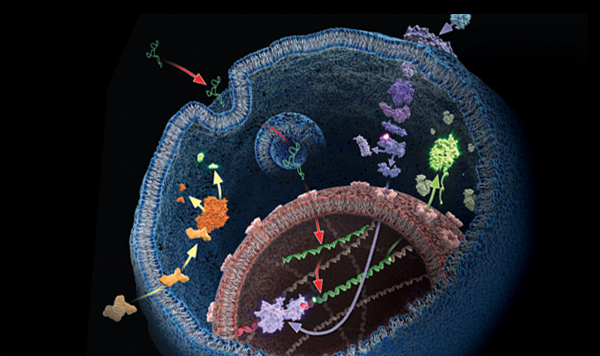
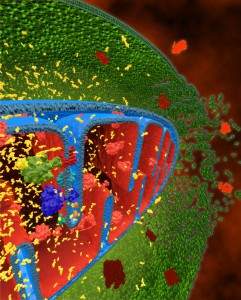
artists view inside a cell

Based on the Illuminations article by Dr. Terry Riss, from our Cellular Analysis group.

Choosing the most appropriate cell health assay for your experiment can be difficult.  There are several factors to consider when choosing an assay: the question you are asking, the nature of your sample, the number of samples being tested, the required sensitivity, the nature of the sample, the plates and plate readers and the reagent costs.

What question are you asking?

The first, and perhaps most important factor to consider, is the question you need answered. What do you want to know at the end of the experiment? There are cell health assays available that specifically detect the number of living cells, the number of dead cells, and for assessing stress response mechanisms or pathways that may lead to cell death. Matching the assay endpoint to the information you need is vital to choosing the appropriate cell health assay.

Continue reading “Choosing the Right Cell Health Assay”

Why We Care About Glycosyltransferases

Today’s post is a guest blog from Michael Curtin in the cellular analysis and proteomics group at Promega.

Glycobiology is the study of carbohydrates and their role in biology. Glycans, defined as “compounds consisting of a large number of monosaccharides linked glycosidically” are present in all living cells and coat cell membranes and are integral components of cell walls (1). They play diverse roles, including critical functions in cell signaling, molecular recognition, immunity and inflammation. They are the cell-surface molecules that define the ABO blood groups and must be taken into consideration to ensure successful blood transfusions. (2).The process by which a sugar moiety is attached to a biological compound is referred to as glycosylation. Protein glycosylation is a form of post-translational modification, which is important for many biological processes and often serves as an analog switch that modulates protein activity.The class of enzymes responsible for transferring the sugar moiety onto proteins is called a glycosyltransferase (GT).

GTs can be divided into three major types based on their roles:

  • Oligosaccharide elongation for peptidoglycan biosynthesis
  • Regulation of protein activities by post-translational modification
  • Small molecule glucuronidation as means of drug metabolism

Continue reading “Why We Care About Glycosyltransferases”

Lessons From the ‘Long Goodbye’

Lewy Body stained with alpha-synuclein.

A week ago Sunday, I walked among crowds of mothers, grandmothers, and children of all ages celebrating Mother’s Day at the Botanical Gardens in St. Louis, Missouri.  As I watched happy families, I couldn’t help being jealous.  Though I was there with my grandmother and other close relatives, I missed my mom, especially since I was in my hometown for her funeral the day before.  Had my mom been alive and well, we might have walked those same paths ourselves and enjoyed the new life teeming above the earth.  Instead, my mother lost her battle of more than six years with Lewy Body dementia the week before at the age of 61.

As a biologist, I was well-aware of Alzheimer disease in the abstract, and tau proteins, beta-amyloid, and genetic predisposition.  But until my mom was diagnosed in 2008, I was painfully ignorant of dementias other than Alzheimer disease.  Once we knew what mom was fighting, I learned that Alzheimer disease and Lewy Body are hardly unique.  The number of other dementias that exist is long and includes vascular dementia, mixed dementia, Parkinson’s disease, frontotemporal dementia, Creutzfeldt-Jakob disease, Huntington disease, and many others.[1]

Continue reading “Lessons From the ‘Long Goodbye’”

Not Music to Everyone’s Ears

iStock_000016543302SmallWhen my son was about 2 years old, he commented that the jingles “Twinkle twinkle little star” and “alphabet song” had the same musical notation. While I do not think I am tone deaf and I do appreciate music, I had not made the connection in all these years.  Music appreciation is perhaps one of the most subjective and controversial topics. For some people, appreciating music involves understanding the technical nuances and critically evaluating artist’s mastery over the art, and for some of us, it is about simply enjoying the patterns and rhythms. While one might claim that they enjoy all kinds of music, for most of us, only certain kinds of music elicit a deeper appreciation, emotive experience and pleasure. Our music preferences are molded by exposure, cultural diversities and to some extent, mood. Music is extremely varied, and listing the kinds of music could fill pages. Arguing one kind of music is better than other is as like saying one color is better than the other.

So, what biological purpose does music serve? Continue reading “Not Music to Everyone’s Ears”

For Alphavirus Reporters, Location Matters

Computer-generated model of an alphavirus.

Luminescent reporters offer virologists a convenient way to measure replication of viruses and are also used to image the spread of viruses in vivo in experimental systems. These reporter viruses are useful for evaluating the effects of antiviral drug treatments, testing the efficacy of potential vaccines, and studying the ways in which viruses replicate in the body and cause disease. One challenge in the construction of such reporters is the need to ensure that the reporter molecule itself does not alter the virus in ways that affect its ability to cause disease. Another challenge is maintaining the reporter gene throughout several cycles of viral replication. In smaller viruses, it can be particularly difficult to introduce a reporter gene without compromising the ability of the virus to replicate and cause disease.

A 2014 paper was published in J. Virology comparing the effectiveness of various NanoLuc® luciferase alphavirus reporter constructs. The authors of the study, Chengqun Sun et al. from the University of Pittsburgh, placed these reporter genes in three different locations in the genome of several alphaviruses and compared the effect on their ability to replicate in vitro and in vivo. They also assessed the ability of the luciferase genes to persist during infection of cultured cells and in a mouse model. They showed that the size and location of the reporter had a significant effect on successful replication and persistence. They also showed that the reporters could potentially be integrated at different positions within the genome to study different aspects of viral pathogenesis.

Continue reading “For Alphavirus Reporters, Location Matters”

Practical Tips for HEK293 Cell Culture When Using cAMP-Glo™ Assay

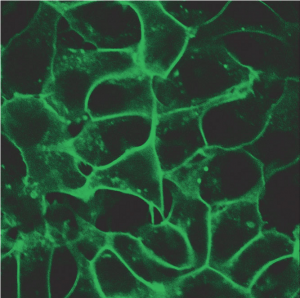
HEK293 cells stably expressing HaloTag®-ECS (ExtraCellular Surface; comprised of a signal sequence and single transmembrane domain of β1-integrin) fusion protein labeled with HaloTag® Alexa Fluor® 488 Ligand and then imaged.
HEK293 cells stably expressing HaloTag®-ECS fusion protein labeled
with HaloTag® Alexa Fluor® 488 Ligand and then imaged.

G Protein Coupled Receptors represent one of the largest classes of cell surface receptors and one of the most important classes for drug targets. Fifty of the top 200 drugs target GPCRs. GPCRs respond to various stimuli like light, odors, hormones, neurotransmitters and others. They cover virtually all therapeutic areas. When a particular GPCR is implicated in a disease, researchers screen the GPCR and its signaling pathways, the hope being that promising therapeutic targets might be identified. Major G-protein families signal via secondary messengers like cAMP, which in turn activate a range of effector systems to change cell behavior and/or gene transcription. There are various approaches and methods to study GPCRs and measure the increase or decrease of intracellular cAMP. However, the fastest and the most sensitive among all methods is a plate based cAMP-Glo™ Assay.

Continue reading “Practical Tips for HEK293 Cell Culture When Using cAMP-Glo™ Assay”

Using NanoLuc® Luciferase to Study Interactions between Environmental Flavobacteria and Mosquitos

nanoluc

Studies of the larval stages of Aedes triseriatus  (Eastern TreeHole Mosquito) indicate that the “tree hole” habitats in which these larva develop contain diverse microflora including the flavobacteria Elizabethkingia and Chryseobacterium. Extracts from these bacteria have many properties that might affect mosquito health, including antibacterial and anti-fungal activities. Understanding how these bacteria affect larval mosquito development has the potential to inform strategies for mosquito control.

Some initial work has been done by expressing Bacillus larvacidal toxins in some species of Gram-negative bacteria. However, only limited success was achieved using laboratory bacterial strains for such studies. Using environmental flavobacteria might prove to be a more useful approach. However, few molecular tools exist to study environmental flavobacteria. GFP reporters have been used to look at larval feeding, but autofluorescence in the pupae limit the usefulness of GFP-labeled strains for quantitative studies. Furthermore, environmental flavobacteria have unique transcription and translation machinery, and selectable markers and expression plasmids from proteobacteria do not function in these wild strains.

Chen and colleagues set out to generate molecular tools to study Flavobacterium hibernum, a fast-growing bacterium from native mosquito habitats. Their goal was to use these tools to see if A. triseratus larvae ingest and digest these bacteria and to test whether or not F. hibernum can be used to as a vector for larvacidal toxins directed against mosquito larvae. The results of their work were published in Applied and Environmental  Microbiology .

To develop a reporter that avoided issues of autofluorescence background for quantitative studies on the feeding behavior, the researchers turned to NanoLuc® Luciferase, a small, bright luciferase derived from the sea shrimp Oplopphorus gracilirostris. This luciferase has been used in mammalian cells for many kinds of studies, but it has not been used as a reporter in bacterial cells prior to the work of Chen et al. They also looked at work with laboratory flavobacteria strains that used a promoter of outer membrane protein A (PompA) to drive reporter expression as a potential system that might also work with environmental flavobacteria strains.

Continue reading “Using NanoLuc® Luciferase to Study Interactions between Environmental Flavobacteria and Mosquitos”

Histone Deacetylase Activity in Health and Disease

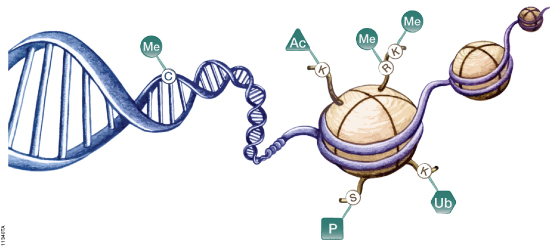
Histones_11340TAEpigenetics is the study of heritable changes in gene expression arising from chromosomal changes that are not caused by alterations in DNA sequence. It seems that almost daily, this field of study is revealing more and more about the ways in which genes are turned on or off–governing cell fate and regulating response to environmental factors such as stress or toxin exposure. In recent years there have been numerous papers implicating epigenetic mechanisms in the control of biological events as varied as fat burning in response to exercise, cancer progression, and control of memory and other neurological processes.

Histone modification by acetylation is one of the most well-studied epigenetic mechanisms. A quick literature search shows that more than 60 papers discussing some aspect of histone acetylation/deacetylation have already been published in 2014. In chromatin, DNA is tightly wrapped around histones. Acetylation of lysine residues on the histone tail by histone acetylases (HATs) neutralizes the positive charge on the histone molecule, decreasing its ability to bind the DNA backbone, and increasing expression by allowing transcription factors to access the DNA. On the other hand, histone deacetlyases (HDACs) remove these acetyl groups, causing tighter binding to DNA and decreasing gene expression. Continue reading “Histone Deacetylase Activity in Health and Disease”

Review: Validation of a high throughput cell-based assay to screen compounds for mitochondrial toxicity

mitotox_covertip

Drug-induced mitochondrial toxicity is a concern for pharmaceuticals that was, until recently, limited by the availability of a cell-based assay that is amenable to rapid high-throughput screening. Incorporating high-throughput assay chemistry that can detect mitochondrial dysfunction early in drug discovery programs provides the opportunity to identify potential mitotoxicants before they reach clinical trials or the market population.

In the paper reviewed here (1) Swiss and colleagues have validated the use of a commercially available Mitochondrial ToxGlo™ Asssay (2) to replace traditional methods that not only require expensive reagents and/or equipment but also do not lend themselves easily to high-throughput screening formats.

Continue reading “Review: Validation of a high throughput cell-based assay to screen compounds for mitochondrial toxicity”

ADCC Reporter Bioassay Makes Top 10 Innovator List

The ADCC Reporter Bioassays were named a Top 10 innovation by The Scientist Magazine.
The ADCC Reporter Bioassay systems were named a Top 10 innovation by The Scientist Magazine.

For the second year running a Promega technology has made The Scientist Magazine’s list of Top 10 Innovations. In 2012 NanoLuc® luciferase technology was in the spotlight; in 2013 the ADCC Reporter Bioassay took center stage.

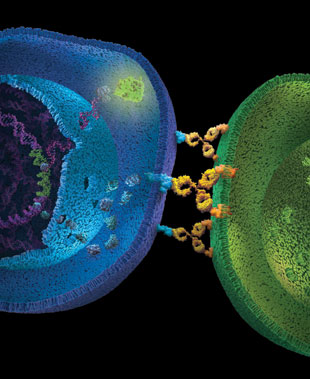
Antibody-dependent cell-mediated cytotoxicity (ADCC) is the main mechanism of action (MOA) of antibodies through which virus-infected or other diseased cells are targeted for destruction by components of the cell-mediated immune system. These assays are often used to assess the effectiveness of monoclonal antibody therapies during the manufacture and development of biologic drugs. The bioluminescent assays use an alternative readout at an earlier point in ADCC MOA pathway for the quantification of Fc effector function of antibody-based molecules: the activation of gene transcription through the NFAT (nuclear factor of activated T-cells) pathway in the effector cell.

The bioassay uses engineered Jurkat cells stably expressing the FcγRIIIa receptor, V158 (high affinity) variant, and an NFAT response element driving expression of firefly luciferase. The assay is MOA-based and features frozen, thaw-and-use effector cells and optimized reagents and protocol to perform a reporter-based ADCC bioassay in a single day. The bioassay correlates with classic cytotoxic ADCC assays and is a suitable replacement for these cumbersome and highly variable assays.

The novel bioassay is linear, accurate, precise and stability indicating. Moreover, the bioassay shows good linear correlation between levels of glycosylation or fucosylation and ADCC activity. All of these features indicate the assay is suitable for use across biologic drug development programs.