Toxicity Studies in Organoid Models: Developing an Alternative to Animal Testing

Alternatives to animal testing have long been explored when it comes to studying the safety of various chemical compounds for use in food, medicine and cosmetics. With the advent of three-dimensional (3D) cell culture to create organoids, more relevant human organoid models are being explored as one way to provide safe and effective compound testing while minimizing the need for testing in animals. The international project Physiologically Anchored Tools for Realistic nanOmateriaL hazard aSsessment (PATROLS) led by the Swansea University Medical School aims to establish a battery of innovative, next-generation safety testing tools that can more accurately predict the effects of engineered nanomaterial (ENM) exposure in humans and the environment.

One project being researched by Samantha Llewellyn, a research assistant at Swansea University, is developing predictive physiologically relevant 3D liver models for ENM safety assessment. By having a model to evaluate realistic ENM exposures, a researcher can study liver function, hepatic metabolism and microtissue cell viability after acute (24 hours) or prolonged (several days) exposure. A microtissue model for assessing ENM hepatotoxicity needs to mimic primary hepatocytes and be amenable to assays used to test cell viability and metabolism.

The right tools for testing this 3D liver model include the bioluminescent-based CellTiter-Gloยฎ 3D Viability and P450-Gloยฎ Assays. When creating organoids, having reagents that can penetrate to the center of the dense and complex 3D liver spheroids is important so that the cell viability readout encompasses the entire microtissue. The CellTiter-Gloยฎ 3D Viability Assay accomplishes this task, providing accurate assessment of 3D tissue cell health. Measuring cytochrome P450 (CYP450) activity is necessary for studying liver function. The P450-Gloยฎ Assays have the flexibility to assess CYP450 activity while preserving the liver spheroids; thus, researchers can gather more data from a single experiment.

The importance of Samantha Llewellynโ€™s research as part of PATROLs is establishing a 3D liver model that could evaluate realistic ENM exposures and reduce the need for animal testing. Bioluminescent assays for assessing cell health and liver enzyme function are necessary to reach this goal.
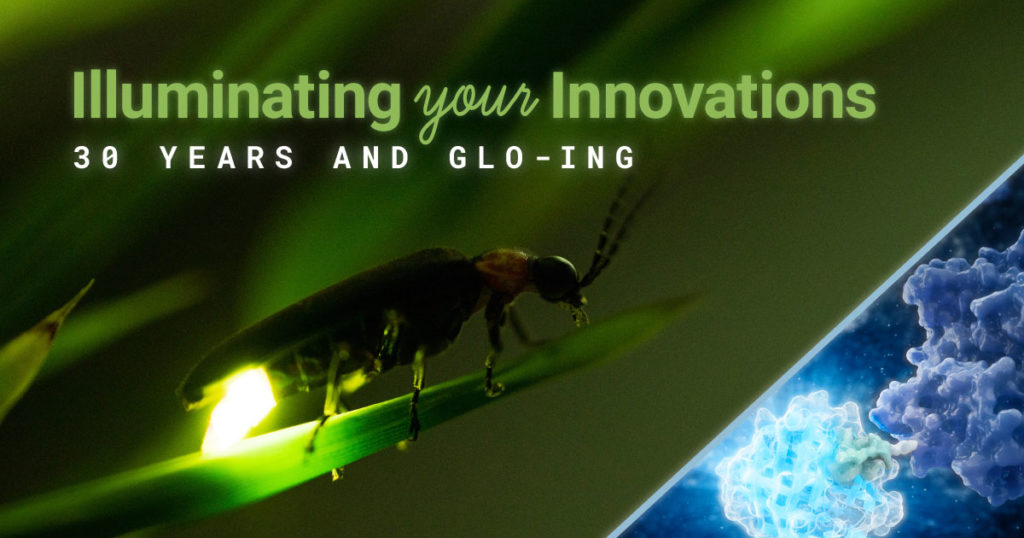
luciferse technologies are allowing researchers to develop predictive 3D organoid models for ERM testing

To learn more about the last 30 years of bioluminescent innovations and the discoveries they’ve enabled, please visit our 30th anniversary celebration page.
Related Posts

Understanding Inflammation: A Faster, Easier Way to Detect Cytokines in Cells

Inflammation, a process that was meant to defend our body from infection, has been found to contribute to a wide range of diseases, such as chronic inflammation, neurodegenerative disordersโ€”and more recently, COVID-19. The development of new tools and methods to measure inflammation is crucial to help researchers understand these diseases.

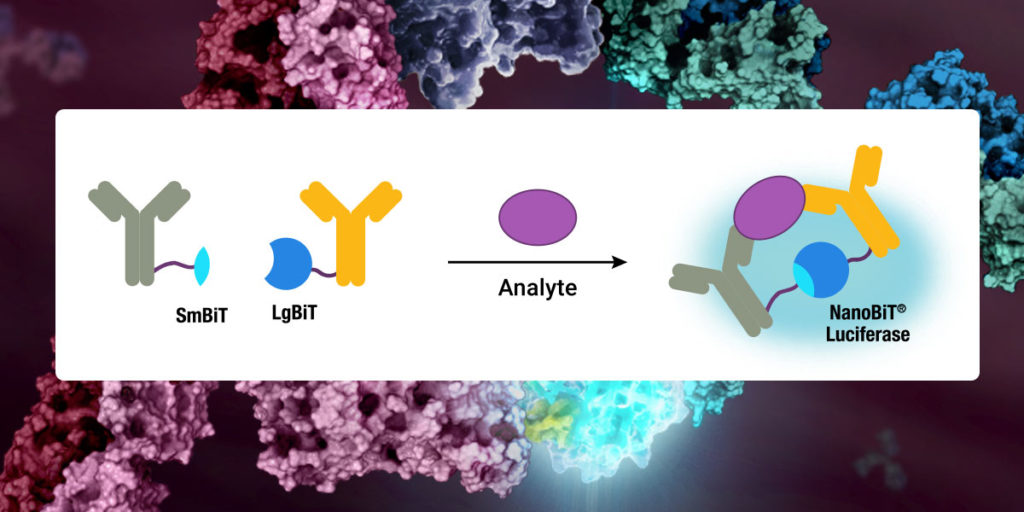
This diagram shows how the Lumitโ„ข Immuno assay can be used to detect cytokines.

Cytokinesโ€”small signaling molecules that regulate inflammation and immunityโ€”have recently become the focus of inflammation research due to their role in causing severe COVID-19 symptoms. In these severe cases, the patientโ€™s immune system responds to the infection with uncontrolled cytokine release and immune cell activation, called the โ€œcytokine stormโ€. Although the cytokine storm can be treated using established drugs, more research is needed to understand what causes this severe immune response and why only some patients develop it.

Continue reading “Understanding Inflammation: A Faster, Easier Way to Detect Cytokines in Cells”

RNA-Protein Interactions: A New Frontier for Drug Discovery

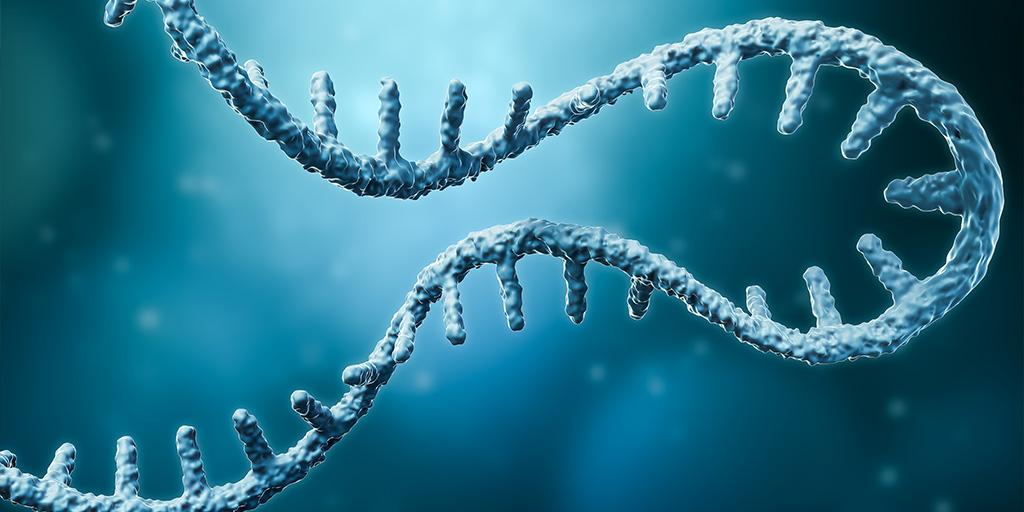
Almost 90% of the human genome is transcribed into RNA, but only 3% is ultimately translated into a protein. Some non-translated RNA is thought to be useless, while some play a significant yet often mysterious role in cancer and other diseases. Despite its abundance and biological significance, RNA is rarely the target of therapeutics.

โ€œWe say itโ€™s undruggable, but I would say that โ€˜not-yet-druggedโ€™ is a better way to put it,โ€ says Amanda Garner, Associate Professor of Medicinal Chemistry at the University of Michigan. โ€œWe know that RNA biology is important, but we donโ€™t yet know how to target it.โ€

Amandaโ€™s lab develops systems to study RNA biology. She employs a variety of approaches to analyze the functions of different RNAs and study their interactions with proteins. Her lab recently published a paper describing a novel method for studying RNA-protein interactions (RPI) in live cells. Amanda says that with the right tools, RPI could become a critical target for drug discovery.

โ€œItโ€™s amazing that current drugs ever work, because theyโ€™re all based on really old approaches,โ€ Amanda says. โ€œThis isnโ€™t going to be like developing a small molecule kinase inhibitor. Itโ€™s a whole new world.โ€

Continue reading “RNA-Protein Interactions: A New Frontier for Drug Discovery”

A Day in the Life of a Technical Services Scientist

Technical Services Scientists answer questions such as "Which product is right for me?" "How does this product work?" and "Help! Something went wrong!"

As a student, I wasted so much time wondering which assay would work best or muddling through problems on my own. I wish I had known I could reach out to get help from another knowledgeable scientist: A Technical Services Scientist!

Continue reading “A Day in the Life of a Technical Services Scientist”

Shifting Conservation Status: Endangered Species Get a Second Chance

On May 21st, 2021 we celebrate National Endangered Species Day. This day helps raise awareness and increase knowledge of endangered species and wildlife, in hopes to save them. We have been lucky enough to collaborate with organizations and partners to help save species that were on the brink of extinction. Take a look at some species that are hoping for a second chance to survive and thrive.

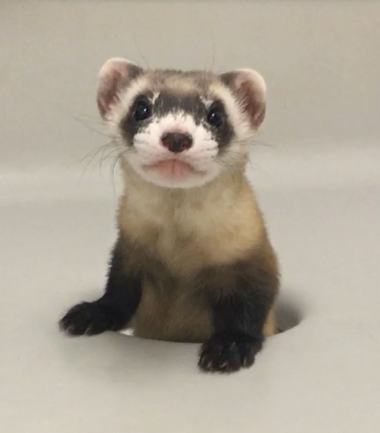
Kit Elizabeth Ann the Black-Footed Ferret

Picture of black footed ferret Elizabeth Anne, one of the endangered species that Revive & Restore is working on.

In February 2018, resurrection efforts began for the then endangered black-footed ferret. With the help of theย U.S. Fish and Wildlife Service, Revive and Restore, partnersย ViaGen Pets & Equine, San Diego Zoo Global, and the Association of Zoos and Aquariums, the successful cloning of a black-footed ferret was announced in February 2021. โ€œElizabeth Annโ€ was cloned from Willa, a female ferret that died in 1988, using somatic cell nuclear transfer (SCNT). Elizabeth Ann’s genetic variants reveal a lot of much-needed hope for the genetic diversity of wild ferrets. Check out the full story on Elizabeth Ann’s journey here!

Continue reading “Shifting Conservation Status: Endangered Species Get a Second Chance”

Making Life Better for Man’s Best Friend: Onchocerca lupi Biomarker Characterization by Mass Spec

A tiny worm called Onchocerca lupi can make life uncomfortable for both humans and their best friends. This thread-like nematode is found in the eyes or under the skin of infected animals. Historically, diagnosis required skin biopsy or surgical removal of ocular tissue, but a recent study demonstrates a new non-invasive diagnostic tool for infection by Onchocerca lupi in dogs.

Continue reading “Making Life Better for Man’s Best Friend: Onchocerca lupi Biomarker Characterization by Mass Spec”

Comparing Methods for Detecting SARS-CoV-2 in Wastewater

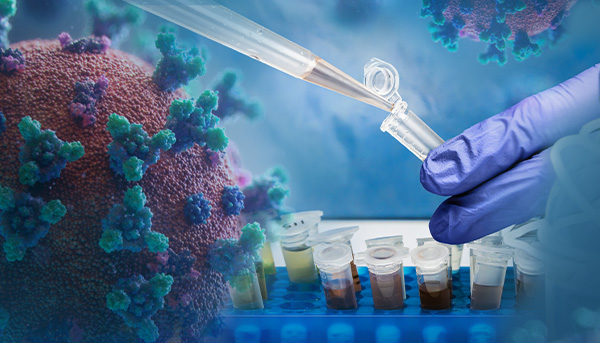
Image of coronavirus superimposed over laboratory tech performing an experiment. Methods for detecting SARS-CoV-2 in wastewater are becoming standardized.

Wastewater surveillance of SARS-CoV-2 is an increasingly common method for monitoring the spread of COVID-19 within a community. As researchers and public health officials around the world are working together to set up wastewater surveillance systems, there is an urgent need to establish standard SARS-CoV-2 detection methods.

A key leader in this new field is Dr. Gloria Sanchez. She is a tenured scientist at the Institute of Agrochemistry and Food Technology, a center within the Spanish National Research Council. Before the COVID-19 pandemic, her team focused on detecting human enteric viruses in food and water. But soon, detecting SARS-CoV-2 in wastewater became their main focus.

Continue reading “Comparing Methods for Detecting SARS-CoV-2 in Wastewater”

Drug Repurposing Screens: Redeploying Old Dogs for New Tricks

This blog was written by guest author, Amy Landreman, PhD.

Drug repurposing, identifying new uses for approved or investigational drugs, is an attractive strategy when looking for new disease treatments. Because the compounds have already gone through some level of pre-clinical optimization and safety testing, this approach can reduce risk, reduce cost, and speed up the timeline for further drug development. An additional benefit of this approach is that it can result in new biological insights or a better understanding of disease mechanisms since these compounds usually already have some level of mechanistic characterization. Indeed, there are now a number of compound collections openly available specifically for the purpose of facilitating drug repurposing efforts. For example, the ReFRAME (Repurposing, Focused Rescue, and Accelerated Medchem) library is a collection of 12,000 compounds developed by Scripps Research Center and has been screened to identify novel candidate therapeutics for Cryptosporidium infection (1). The Broad Institute also offers a drug repurposing hub that contains an annotated collection of over 7,000 compounds.

Drug repurposing libraries, although often smaller than novel compound small molecule libraries, are designed for implementation into high-throughput screening workflows in order to efficiently triage compounds for the desired result. Effective compound screens require assays that can be scaled to 384 or 1536-well microplate formats and implemented in batch or continuous processing workflows. The firefly luciferase reaction has been leveraged to create many assays that are well-suited to these types of high-throughput screening approaches. In particular, the generation of โ€œGlowโ€ assays that have stable luminescent signals and homogenous assay design is a good fit. The signal stability allows for multi-plate processing and because the reagent is added directly to cells in culture, pre-processing steps are eliminated allowing for automated workflows. Assay reagents such as the CellTiter-Gloยฎ Cell Viability Assay and the ADP-Glo™ Kinase Assay are commonly used in screening efforts including those done with repurposing libraries.  In addition, there are several firefly luciferase reporter assay reagents such as Steady-Gloยฎ and Bright-Glo™ Luciferase Assays that have been optimized for high-throughput detection of firefly luciferase activity making them well-suited to repurposing screens.

Continue reading “Drug Repurposing Screens: Redeploying Old Dogs for New Tricks”

Awakening From Despair to Awe: 2021 International Forum on Consciousness

Banner for the International Forum on Consciousness 2021

Each year, the International Forum on Consciousness draws thought leaders from around the world to explore important, and often challenging, topics related to the exploration of consciousness. The theme for this year, Consciousness of Connection: Awakening from Despair to Awe, is an invitation to broaden curiosity about connection and take a closer look at the variety of connections that we forge in our lives.

Participants will examine the kinds of connections that transcend our individual selves and reach our inner desire to be part of an interconnected world, perhaps to transform our current sense of the individual, community, and society, from independent to interdependent. More specifically, the Forum will examine connection across the primary aspects of our lives with:

  • Self, and the many selves in our amazing neural networks
  • Others, and the multiple communities we intersect
  • Nature, and the breadth of life forms that surround us
Continue reading “Awakening From Despair to Awe: 2021 International Forum on Consciousness”

Herd Immunity: What the Flock Are You Talking About?

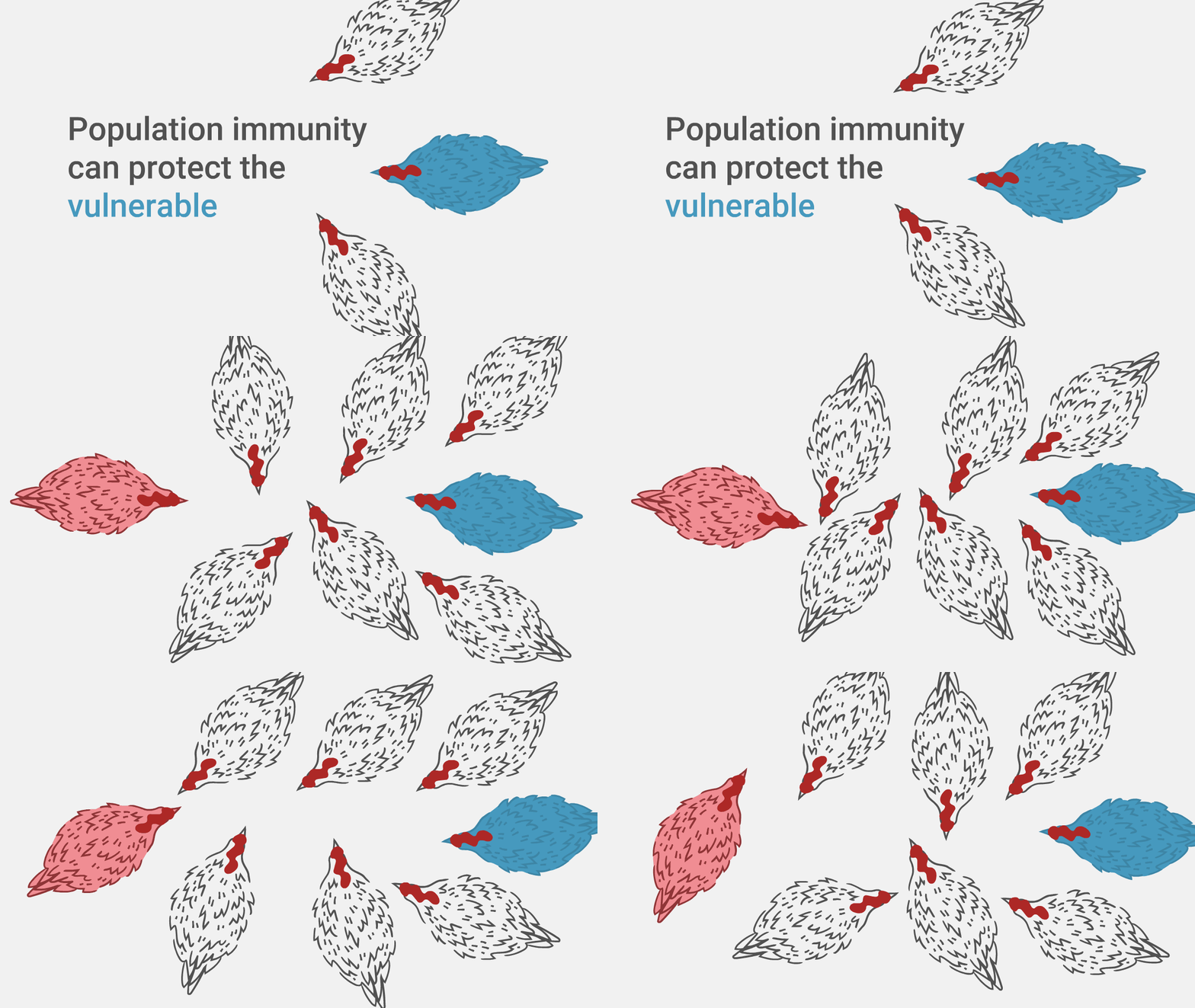
When it comes to blocking the spread of viral pathogens that cause human disease, epidemiologistsโ€”people who study disease outbreaksโ€”like to talk about herd immunity. But what do they mean when discussing the herd and their immunity? Today, I will tackle this subject but with a side jaunt: I am going to co-opt the word โ€œherdโ€ and replace it with โ€œflockโ€ thus making chickens the center of attention rather than cattle for this analogy about immunity in a population. (Disclaimer: I am utterly biased toward chickens and enjoy talking about my flock of 24 hens and pullets).

Who is the Herd Flock They Keep Talking About?

By using a collective term for a number of individuals such as โ€œherdโ€ or โ€œflockโ€, epidemiologists and public health experts are referring to a population or community. Doing some investigation, I learned herd immunity was a term first used in 1917 and referred toโ€ฆcows. That makes sense, right? When we talk about groups of cattle, the term used is โ€œherdโ€. Turns out there was an infection that caused spontaneous miscarriages in cattle and became epidemic in American herds. Farmers managed this threat by destroying or selling the infected cows. However, a livestock veterinarian had a different view, describing this pathogen as โ€œโ€ฆa fire, which, if new fuel is not constantly added, soon dies down. Herd immunity is developed, therefore, by retaining the immune cows, raising the calves, and avoiding the introduction of foreign cattleโ€ (1). Essentially, this veterinarian was noting that keeping the infected cows who had immunity against the contagion meant the herd were less likely to be reinfected and, thus, put an end to the epidemic.

Continue reading “Herd Immunity: What the Flock Are You Talking About?”