Fresh mussels might be a delicacy in many parts of the world, but a new study from Italy suggests they could also be carriers of something much less appetizing: infectious viruses and antibiotic resistance genes (ARGs). Published in Food and Environmental Virology, Venuti et al. (2025) investigated 60 mussel batches originating from the Campania (Southern Italy), Lazio and Puglia regions—and what they found raises important questions about food safety and environmental monitoring.
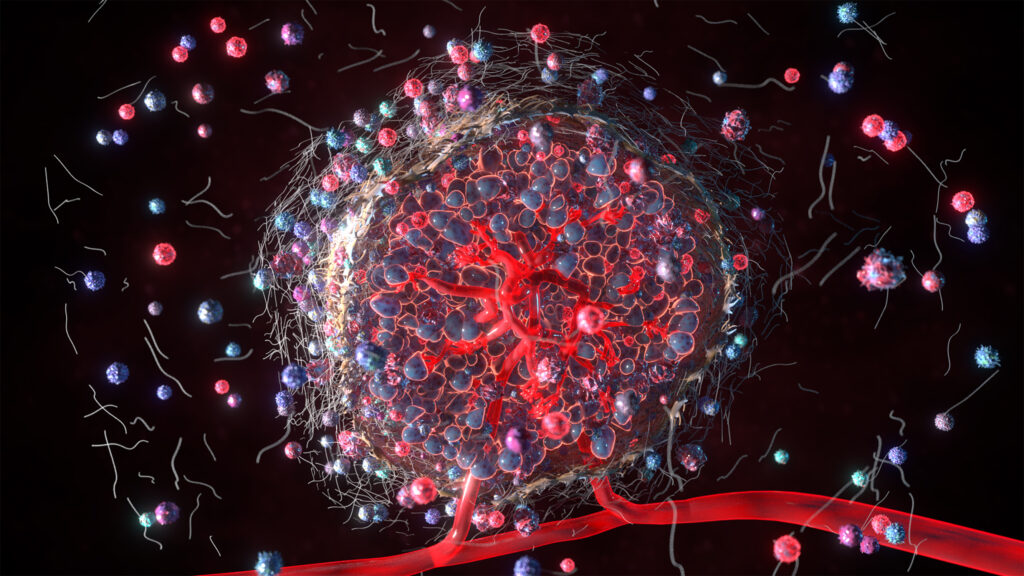
Estrogen receptor-positive (ER+) breast cancers are among the most common and treatable forms of the disease. Many patients respond well to a combination of endocrine therapy and CDK4/6 inhibitors—drugs like ribociclib that block the cell cycle and prevent tumor growth. But for up to half of these patients, treatment eventually fails. The tumor adapts and continues to grow, presenting a major barrier to developing more effective, long-term cancer therapies.
In the genomics era, the promise of precision medicine and tailored diagnostics is only as good as the datasets, which makes it imperative that those sets reflect the diversity of the human population. Populations from the African continent, the most genomically diverse region in the world, are underrepresented in current genomic data sets. Nowhere is closing this data gap more urgent than with triple-negative breast cancer (TNBC), which has a disproportionately high incidence in women of African descent and limited therapeutic options.
Highlighting why comprehensive population data is so important are the results of a recent study profiling of 30 TNBC tumor samples from Angola and Cape Verde (1). Whole-exome sequencing (WES), enriched with untranslated regions (UTRs), showed that 86% of somatic variants in these samples had never been reported before. WES can be especially valuable when working with limited or degraded samples, such as the FFPE samples used in this study, because it allows you to gain valuable insights from samples that are impractical for whole-genome sequencing (WGS). This study’s results emphasize the value in expanding omics cancer research so that it includes all populations and areas of the genome.
This post is guest-written by Diana Clark, Sr Benefits Manager, Promega
Promega Benefits Manager Diana Clark advocates for policies that support the specific needs of caregivers.
My personal caregiving journey began in my late-30s while raising young children and caring for a terminally ill parent. This period gave me firsthand experience into how difficult it can be to balance all of those responsibilities. I learned about the impossible choices caregivers face, and the toll it can take on a person’s physical, emotional and professional wellbeing.
That personal experience has become a cornerstone of my work as a benefits manager advocating for meaningful, compassionate policies that truly support our employees.
At Promega, we believe people bring their whole selves to work. Supporting caregivers isn’t just an act of kindness – it’s an investment in our people and culture.
On April 5, 2025, Dr. David R. Liu stood in the spotlight at the Barker Hangar in Santa Monica, California, to receive the Breakthrough Prize in Life Sciences—one of the most prestigious honors in science. Dubbed the “Oscars of Science,” the Breakthrough Prizes were launched in 2012 by tech philanthropists including Sergey Brin, Mark Zuckerberg and Priscilla Chan, Yuri and Julia Milner and Anne Wojcicki. These prizes recognize groundbreaking achievements in life sciences, physics, and mathematics, with each laureate receiving a $3 million award—more than twice the amount of a Nobel Prize.
The winners are selected by panels of previous Breakthrough Prize recipients, ensuring peer-driven recognition. The annual ceremony brings together not only the best minds in science but also celebrities, filmmakers, and tech industry leaders, creating an uncommon crossover between pop culture and research, in an effort to bring more public attention as well as funding to scientific achievement.
Dr. Liu was honored for inventing base editing and prime editing, technologies that allow precise, programmable rewriting of DNA to correct mutations linked to genetic disease—without introducing double-stranded breaks. These tools have rapidly transitioned from the bench to the clinic, with at least 15 clinical trials currently underway worldwide targeting diseases like sickle cell anemia, T-cell leukemia, and others.
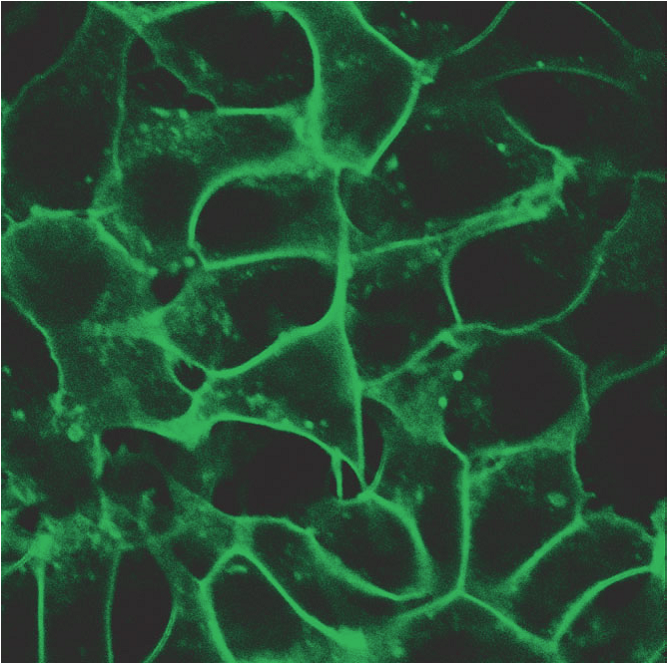
Cell signaling is a finely tuned process where both timing and spatial context play essential roles. Whether it’s a hormone triggering a cellular response or a drug modulating a pathway, these processes unfold in dynamic, spatially organized ways. To study them, researchers rely on chemigenetic biosensors—genetically encoded tools that light up in response to molecular activity. However, traditional biosensors are constrained by several limitations: poor photostability under prolonged imaging, limited spectral flexibility for multiplexing, and insufficient spatial resolution for studying signaling events at subcellular scales.
Luciferase reporter assays are essential tools in molecular and cellular biology, offering sensitive and quantitative means to study gene expression, transcriptional regulation, signal transduction pathways, and cellular responses to various stimuli. With multiple luciferase reporters and detection reagents available, how do you know which one fits your specific workflow or readout needs?
Choosing a reporter and detection system that aligns with your experimental goals helps you tailor your luciferase reporter assay for the most meaningful results. This blog post will help you navigate the options and key considerations.
Attention-Deficit/Hyperactivity Disorder (ADHD) is a complex neurodevelopmental disorder that affects millions worldwide. Current therapeutic treatment relies on pharmaceutical approaches, but emerging research suggests that dietary supplements, such as omega-3 fatty acids, may offer complementary therapeutic options. A recent study published in the Journal of Psychiatric Research explores the relationship between inflammation and dietary supplements to determine how they might influence ADHD pathology. This work was conducted in Dr. Edna Grünblatt’s lab at the University of Zurich and was supported through Promega’s Academic Access Program. I had the chance to interview Dr. Natalie Walter, the lead author, to learn more about how her work offers potential opportunities for non-pharmacological interventions.
In our final blog post on double-stranded RNA (dsRNA), we turn our attention to the chemical building blocks of mRNA therapeutics—modified nucleotides. These seemingly minor changes to the RNA sequence play a crucial role in the success of mRNA-based vaccines and treatments. However, they also introduce complexities in accurately detecting and quantifying unwanted dsRNA byproducts— key steps in ensuring the therapeutic efficacy of your mRNA product.
What Are Modified Nucleotides?
Modified nucleotides are ribonucleotides containing chemically altered nucleosides — like specialty ingredients swapped into a classic recipe to improve taste and nutrition. Just as a chef might use a lactose-free milk or gluten-free flour to make a dish easier to digest without changing its core structure, scientists use chemically altered nucleosides during in vitro transcription (IVT) to improve how mRNA therapies perform. These modifications replace their natural counterparts (e.g., uridine or cytidine) in the final RNA product. Their incorporation improves the performance and safety of mRNA therapeutics in several ways:
As mRNA therapeutics continue to expand across clinical pipelines, one persistent challenge remains for developers: reducing double-stranded RNA (dsRNA) contaminants that can compromise safety and efficacy. These unintended byproducts of in vitro transcription (IVT) can trigger unwanted immune responses and reduce the potency of the final product. Developers must prioritize dsRNA detection and control as essential steps in the process. In our previous blog post we offered a high-level discussion of what is double-stranded RNA (dsRNA), its biological function, and importance of detection in a therapeutic context. Here, we’ll take a closer look at origins of dsRNA contamination, quality control measures, and improvement strategies.
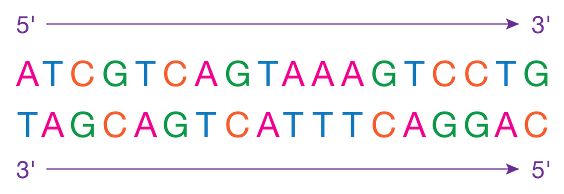
Large-scale production of single-stranded RNA (ssRNA) for mRNA-based therapeutics is primarily done through in vitro transcription (IVT), an enzymatic process designed to generate high-yield, functional mRNA transcripts from a DNA template. This process uses purified RNA polymerase enzymes, such as T7, that recognize specific promoter sequences in the DNA template, generating the RNA transcripts of interest. However, IVT reactions also generate unwanted dsRNA byproduct. Below, we delve into some of the major quality control (QC) considerations and strategies to reduce dsRNA byproducts.
XWe use cookies and similar technologies to make our website work, run analytics, improve our website, and show you personalized content and advertising. Some of these cookies are essential for our website to work. For others, we won’t set them unless you accept them. To learn more about our approach to Privacy we invite you to Read More
By clicking “Accept All”, you consent to the use of ALL the cookies. However you may visit Cookie Settings to provide a controlled consent.
We use cookies and similar technologies to make our website work, run analytics, improve our website, and show you personalized content and advertising. Some of these cookies are essential for our website to work. For others, we won’t set them unless you accept them. To find out more about cookies and how to manage cookies, read our Cookie Policy.
If you are located in the EEA, the United Kingdom, or Switzerland, you can change your settings at any time by clicking Manage Cookie Consent in the footer of our website.
Necessary cookies are absolutely essential for the website to function properly. These cookies ensure basic functionalities and security features of the website, anonymously.
Cookie
Duration
Description
cookielawinfo-checbox-analytics
11 months
This cookie is set by GDPR Cookie Consent plugin. The cookie is used to store the user consent for the cookies in the category "Analytics".
cookielawinfo-checbox-functional
11 months
The cookie is set by GDPR cookie consent to record the user consent for the cookies in the category "Functional".
cookielawinfo-checbox-others
11 months
This cookie is set by GDPR Cookie Consent plugin. The cookie is used to store the user consent for the cookies in the category "Other.
cookielawinfo-checkbox-advertisement
1 year
The cookie is set by GDPR cookie consent to record the user consent for the cookies in the category "Advertisement".
cookielawinfo-checkbox-necessary
11 months
This cookie is set by GDPR Cookie Consent plugin. The cookies is used to store the user consent for the cookies in the category "Necessary".
cookielawinfo-checkbox-performance
11 months
This cookie is set by GDPR Cookie Consent plugin. The cookie is used to store the user consent for the cookies in the category "Performance".
gdpr_status
6 months 2 days
This cookie is set by the provider Media.net. This cookie is used to check the status whether the user has accepted the cookie consent box. It also helps in not showing the cookie consent box upon re-entry to the website.
lang
This cookie is used to store the language preferences of a user to serve up content in that stored language the next time user visit the website.
viewed_cookie_policy
11 months
The cookie is set by the GDPR Cookie Consent plugin and is used to store whether or not user has consented to the use of cookies. It does not store any personal data.
Analytical cookies are used to understand how visitors interact with the website. These cookies help provide information on metrics the number of visitors, bounce rate, traffic source, etc.
Cookie
Duration
Description
SC_ANALYTICS_GLOBAL_COOKIE
10 years
This cookie is associated with Sitecore content and personalization. This cookie is used to identify the repeat visit from a single user. Sitecore will send a persistent session cookie to the web client.
vuid
2 years
This domain of this cookie is owned by Vimeo. This cookie is used by vimeo to collect tracking information. It sets a unique ID to embed videos to the website.
WMF-Last-Access
1 month 18 hours 24 minutes
This cookie is used to calculate unique devices accessing the website.
_ga
2 years
This cookie is installed by Google Analytics. The cookie is used to calculate visitor, session, campaign data and keep track of site usage for the site's analytics report. The cookies store information anonymously and assign a randomly generated number to identify unique visitors.
_gid
1 day
This cookie is installed by Google Analytics. The cookie is used to store information of how visitors use a website and helps in creating an analytics report of how the website is doing. The data collected including the number visitors, the source where they have come from, and the pages visted in an anonymous form.
Advertisement cookies are used to provide visitors with relevant ads and marketing campaigns. These cookies track visitors across websites and collect information to provide customized ads.
Cookie
Duration
Description
IDE
1 year 24 days
Used by Google DoubleClick and stores information about how the user uses the website and any other advertisement before visiting the website. This is used to present users with ads that are relevant to them according to the user profile.
test_cookie
15 minutes
This cookie is set by doubleclick.net. The purpose of the cookie is to determine if the user's browser supports cookies.
VISITOR_INFO1_LIVE
5 months 27 days
This cookie is set by Youtube. Used to track the information of the embedded YouTube videos on a website.
Performance cookies are used to understand and analyze the key performance indexes of the website which helps in delivering a better user experience for the visitors.
Cookie
Duration
Description
YSC
session
This cookies is set by Youtube and is used to track the views of embedded videos.
_gat_UA-62336821-1
1 minute
This is a pattern type cookie set by Google Analytics, where the pattern element on the name contains the unique identity number of the account or website it relates to. It appears to be a variation of the _gat cookie which is used to limit the amount of data recorded by Google on high traffic volume websites.