Celebrating the Work of Women Scientists on the 100th Anniversary of Rosalind Franklin’s Birth

Photo 51 is the now-famous X-ray diffraction picture that allowed Watson and Crick to crystalize centuries work of scientific study (from Mendel to Chargaff) into a viable structural model that explained how DNA could serve as the material of the gene. The photo was painstakingly produced by Dr. Rosalind Franklin, a contemporary of Watson and Crick. Although she and her colleague R.G. Gosling did publish their work in the same issue of Nature as the Watson and Crick paper (1,2), their work did not receive the same public accolades of that of Watson and Crick.

Applications Scientists help partners and customers apply existing technology to new questions. Read more about their work.

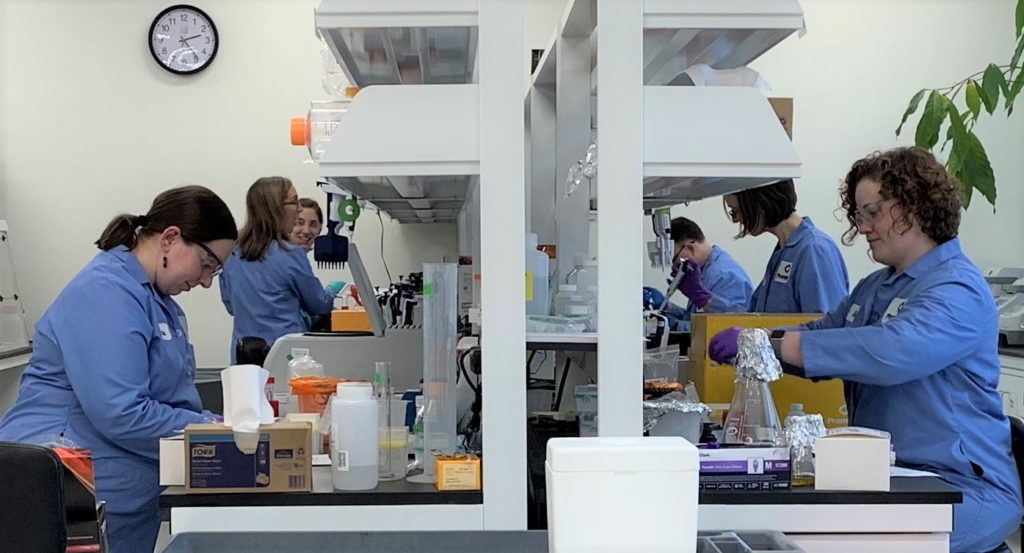
Women scientists have been contributing to our understanding of the world around us throughout history. On this 100th anniversary of Dr. Rosalind Franklin’s birth, we want to take a little time to recognize the work that women scientists are doing at Promega.

Continue reading “Celebrating the Work of Women Scientists on the 100th Anniversary of Rosalind Franklin’s Birth”

How to Start Writing a Scientific Manuscript

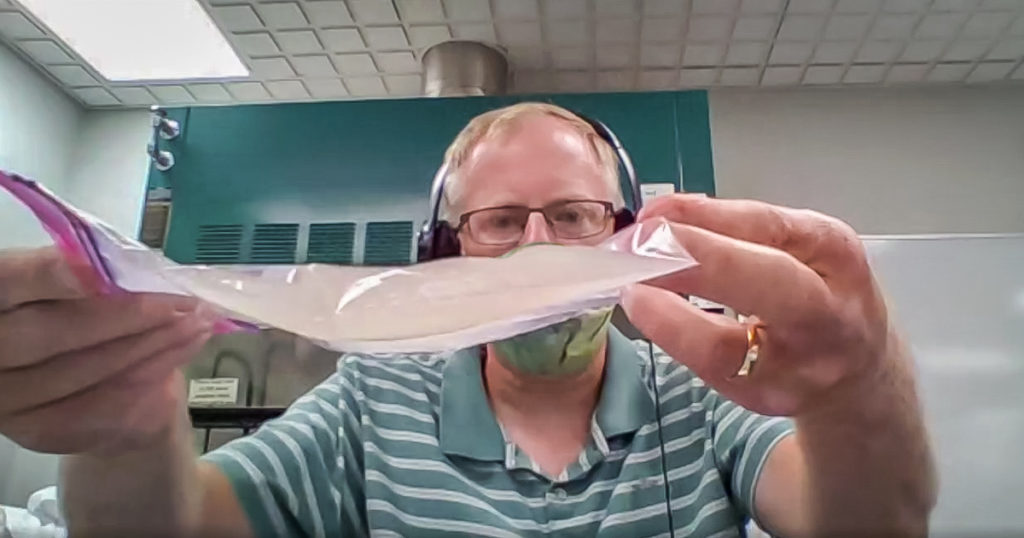
Today’s blog is adapted from a presentation by Danette Daniels, PhD, in our webinar “Writing About Science: Tips and Tricks for Communicating Your Research.”


As scientists, we can do science forever. The beauty about science is that the questions never end – we can keep asking, and every time we find an answer, we have a new direction to pursue. But it’s very important to know when it’s time to write up your results.

Publishing may be connected to leaving or transitioning your position, but at all times you should be thinking, “What is my end goal? What is the big question I want to answer? What are the questions the field has about my research?” As you reach milestones and make discoveries, whether big or small, consider whether you will have a complete and compelling story to tell in the end.

Continue reading “How to Start Writing a Scientific Manuscript”

The Marine Biological Lab: Finding Answers Beneath the Ocean

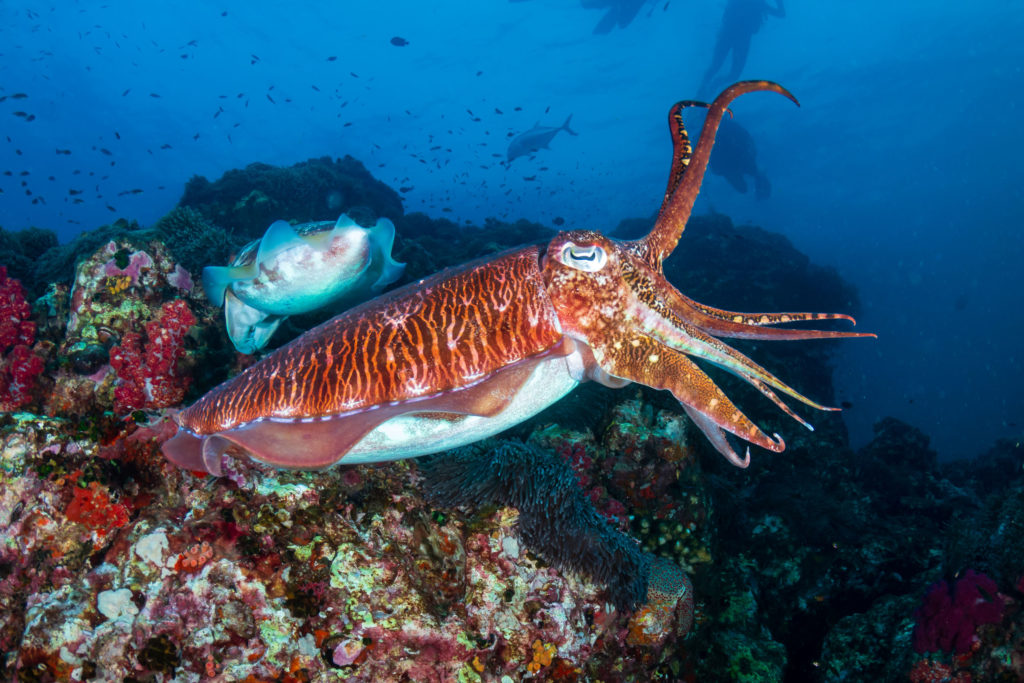
cuttlefish

Marine animals are fascinating. Not only are their appearances alien-like (think tentacles, suckers and bioluminescence). But many have also developed unique capabilities unlike anything you see on land.

In fact, most of the biodiversity of the world lies beneath the ocean. According to the World Register of Marine Species, there are more than 400,000 marine species, and it is estimated that 91% of marine species have yet to be identified. Studying marine animals may help us learn more about how we evolved and even lead to new ways to study and treat human diseases. At the forefront of marine biology research is the Marine Biological Lab (MBL), located in Woods Hole, Massachusetts.

Continue reading “The Marine Biological Lab: Finding Answers Beneath the Ocean”

Editing for Rhythm and Flow in Writing

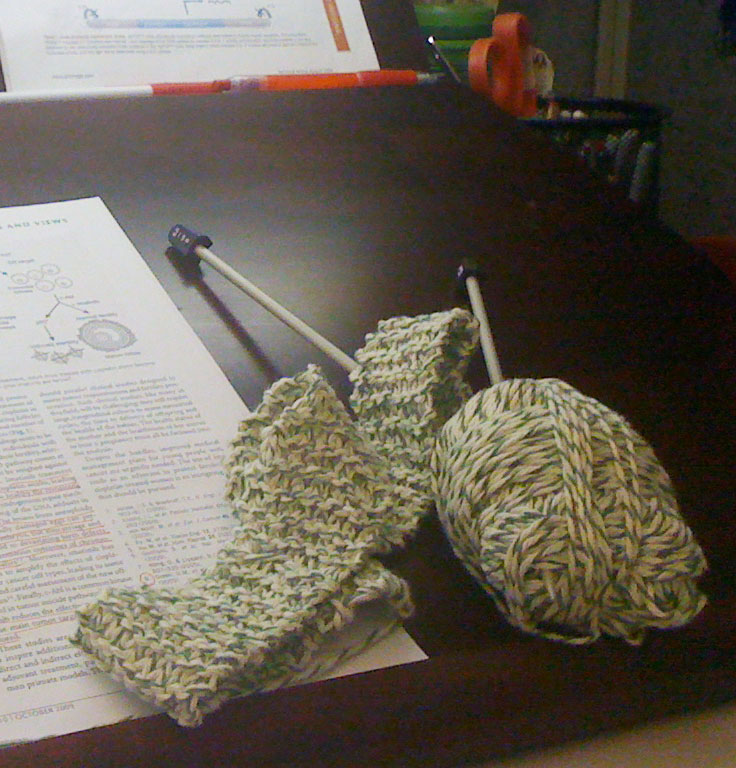
My first project, a scarf for "Floppy Dog".

Updated 5/14/2020

For a while now I have made a living knitting words, stringing them together with a rhythm and flow to create a finished piece that has some kind of meaning. Recently I started learning how to knit yarn together with a rhythm (ideally) that will bring the loops and knots together into some kind of finished whole that has meaning: a scarf, a hat, a dish rag. And just like the clacking of knitting needles can relax and de-stress you, the clicking of the keyboard when your writing is in rhythm can be a joyful experience.

The rhythm and flow of language is important in all types of writing, including scientific writing. If your language has a consistent rhythm and flow, chances are your reader will be more likely to understand it on a first read.

Continue reading “Editing for Rhythm and Flow in Writing”

Enhancing Creativity: The Promega Employee Art Show 2020

What hangs in the hallways of your workplace? Advertising? Awards? Commercially-sourced artwork? The Promega campus in Madison, WI, is composed of eight buildings. In many of these buildings you’ll find all of the above.

But as you enter the atrium of the BTC (Biopharmaceutical Technology Center) building where the Employee Art Show hangs, you’re greeted by handmade, homemade artwork, including drawings, ceramics, paintings, photographs and quilts.

Promega employees examine artwork in the BTC during the 2020 Employee Art Show opening.

These art pieces hold the distinction of being created by talented Promega employees, their families and friends. The annual Promega Employee Art Show opened Friday, January 17, with approximately 150 works displayed, including pieces created by parents of employees, employees and their children. These art pieces are on display to the public through the end of February 2020.

Continue reading “Enhancing Creativity: The Promega Employee Art Show 2020”

A Crash Course in CRISPR

CRISPR is a hot topic right now, and rightly so—it is revolutionizing research that relies on editing genes. But what exactly is CRISPR? How does it work? Why is everyone so interested in using it? Today’s blog is a beginner’s guide on how CRISPR works with an overview of some new applications of this technology for those familiar with CRISPR.

Introduction to CRISPR/Cas9

27850283-June-13-CRISPR-image-WEB

Clustered Regularly Interspaced Short Palindromic Repeats (CRISPR) were discovered in 1987, but it took 30 years before scientists identified their function. CRISPRs are a special kind of repeating DNA sequence that bacteria have as part of their “immune” system against invading nucleic acids from viruses and other bacteria. Over time, the genetic material from these invaders can be incorporated into the bacterial genome as a CRISPR and used to target specific sequences found in foreign genomes.

CRISPRs are part of a system within a bacterium that requires a nuclease (e.g. Cas9), a single guide RNA (sgRNA) and a tracrRNA. The tracrRNA recruits Cas9, while sgRNA binds to Cas9 and guides it to the corresponding DNA sequence of the invading genome. Cas9 then cuts the DNA, creating a double-stranded break that disables its function. Bacteria use a Protospacer Adjacent Motif, or PAM, sequence near the target sequence to distinguish between self and non-self and protect their own DNA.

While this system is an effective method of protection for bacteria, CRISPR/Cas9 has been manipulated in order to perform gene editing in a lab (click here for a video about CRISPR). First, the tracrRNA and sgRNA are combined into a single molecule. Then the sequence of the guide portion of this RNA is changed to match the target sequence. Using this engineered sgRNA along with Cas9 will result in a double-stranded break (DSB) in the target DNA sequence, provided the target sequence is adjacent to a compatible PAM sequence.

Continue reading “A Crash Course in CRISPR”