ISO 14001 in Biotech: What It Means for Life Science Researchers

This blog is guest-authored by Corey Meek, Corporate Responsibility Program Manager
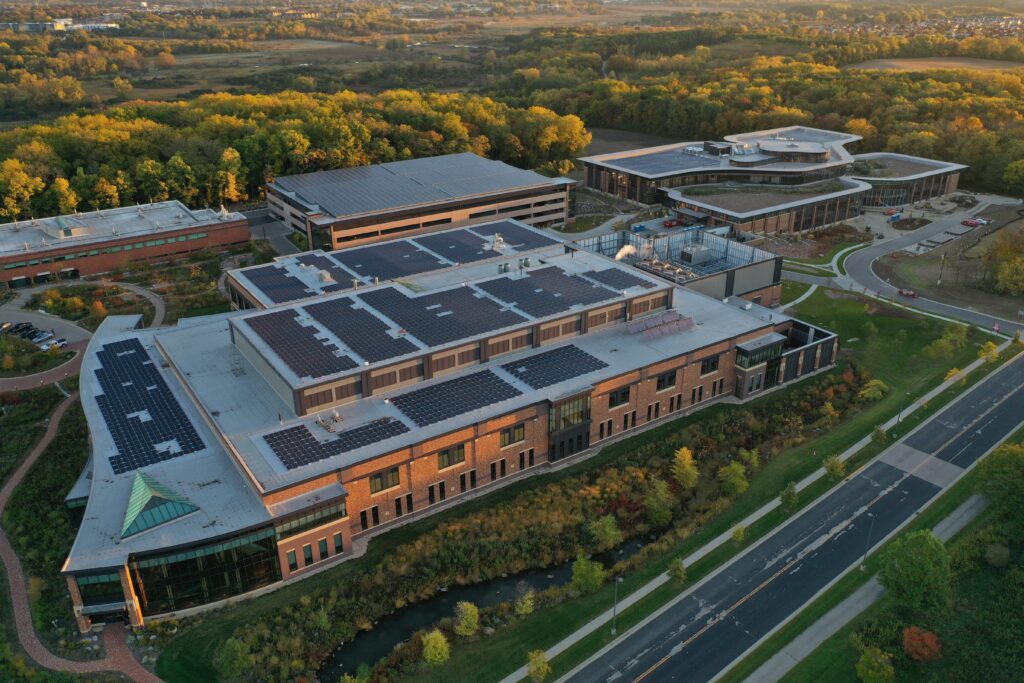
Promega has achieved ISO 14001 certification for environmental management systems.

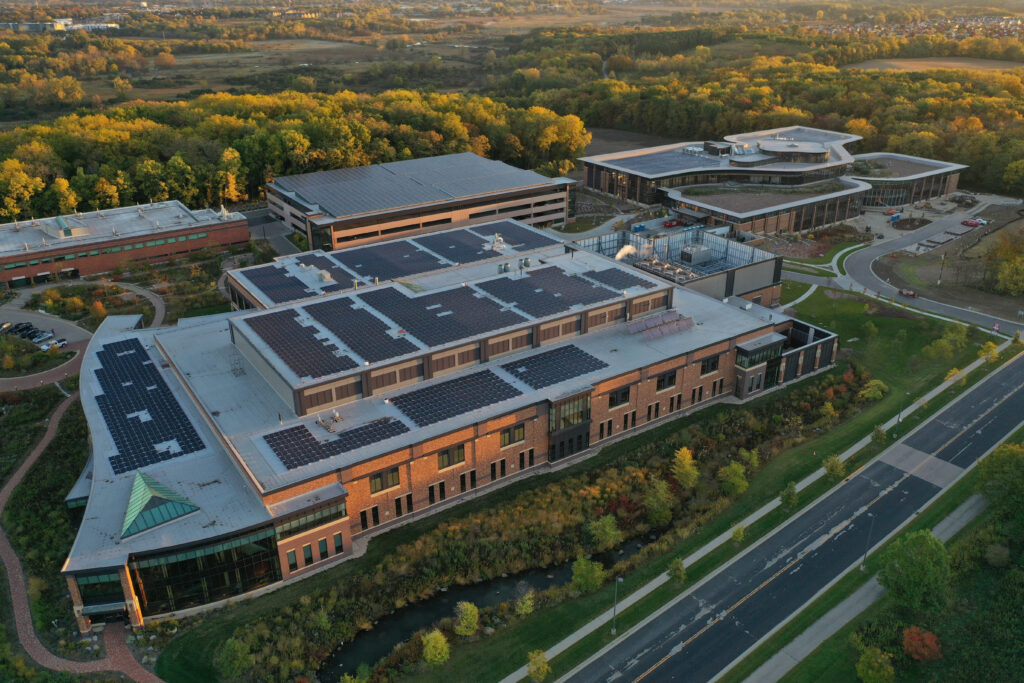
Over the past few years, weโ€™ve noticed that our customers’ procurement teams are increasingly asking us about ISO 14001 certification. As a company that has long set ambitious sustainability goals, we have been heartened to see more labs and life science companies incorporating environmental impact into their planning and purchasing. To support our customers looking for external validation of environmental management, we announced in mid-2025 that Promega Madison has achieved ISO 14001:2015 certification.

ISO 14001 certification goes far beyond reporting and reducing our carbon footprint. It represents how we integrate environmental sustainability across complex operations to achieve ambitious environmental objectives. For scientists evaluating potential suppliers, it signals our commitment to sustainability without compromising the product consistency and reliability your lab depends on.

What is ISO 14001?

ISO 14001 is an internationally recognized standard that defines requirements for environmental management systems. This captures the processes we use to identify, control and reduce our environmental impacts. Unlike regulations that set specific pollution limits, ISO 14001 establishes a framework that includes setting environmental objectives, implementing operational controls, monitoring performance and driving continual improvement. The standard mandates leadership accountability and requires a third-party audit, annual surveillance and recertification every three years.

In practice, this means that we document every significant environmental aspect of our operations, from chemical waste streams in manufacturing to energy consumption in our facilities. We establish controls for each: procedures for handling hazardous materials, protocols for managing wastewater, systems for tracking energy use. We document incidents, investigate root causes, train employees and implement corrective actions to stay on target. Third-party auditors verify annually that these systems are functioning effectively and meeting the requirements of the ISO 14001 standard.

Our certification isnโ€™t a one-time checkbox; itโ€™s a commitment to continual improvement through the same management disciplines used in quality systems. We identify risks and establish operational controls for significant environmental aspects. When issues arise, we use structured nonconformance and corrective action processes.

How Does Environmental Management Connect to Quality and Supply Chain Reliability?

ISO 14001 and ISO 9001 (Quality Management Systems) share fundamental processes such as document control, training and competence requirements, change control procedures, nonconformance and corrective action (NC/CAPA) systems, equipment controls and internal audit protocols.

At Promega, all our major manufacturing and R&D sites are covered by both certifications. When we evaluate changes through our change control process, we assess both quality and environmental implications simultaneously. The partnership between our quality assurance and environmental management teams strengthens both systems and reduces operational blind spots.

This integration is important because environmental management doesnโ€™t operate separately from product development and manufacturing. Hazardous materials handling, for example, requires environmental compliance, worker safety protocols and quality control simultaneously. The discipline required for ISO 14001 certification directly supports the manufacturing consistency researchers depend on for reproducible results. Environmental incident management and emergency response protocols reduce disruptions that could affect product availability and distribution.

What sustainability metrics are we measuring?

 ISO 14001 certification requires us to establish measurable environmental objectives and monitor our performance against them. Our organizational objectives include regulatory compliance verification, greenhouse gas emissions reduction, water consumption reduction and waste reduction. For example, weโ€™re currently managing 87% of our hazardous waste through reclamation and recovery methods.

These objectives are monitored through multiple mechanisms: energy consumption and natural gas usage tracking, environmental incident documentation and analysis, internal and external compliance inspections, third-party assessment, and regular management review of performance data.

These quantifiable objectives are more powerful than aspirational statements. Annual third-party audits provide independent verification of our environmental performance. When procurement teams evaluate suppliers, they can choose to rely on ISO 14001 certification rather than conducting their own environmental audits. Most importantly, we approach sustainability strategically and responsibly by building robust processes rather than looking for quick wins. This means our gains are scalable, while safeguarding the consistency researchers using Promega products need for reproducible results.

ISO 14001 at Promega: Looking ahead

This certification requires us to demonstrate through third-party audits that our environmental management systems are effective over time. By focusing on measurable objectives and continuous improvement, weโ€™re reducing our environmental impact in responsible ways that align with established standards and expectations.

In upcoming articles, weโ€™ll explore how these ISO 14001 principles apply to processes and operations at Promega. Environmental management isnโ€™t an isolated program; itโ€™s infused in everything we do, from early product development to shipping of ready-to-use kits. As sustainability becomes increasingly important in procurement decisions, weโ€™re committed to the environmental transparency and operational discipline that support your research goals.


Corey Meek is the Corporate Responsibility Program Manager at Promega.

Learn more about Promega Corporate Responsibility at https://www.promega.com/corporate-responsibility-csr/
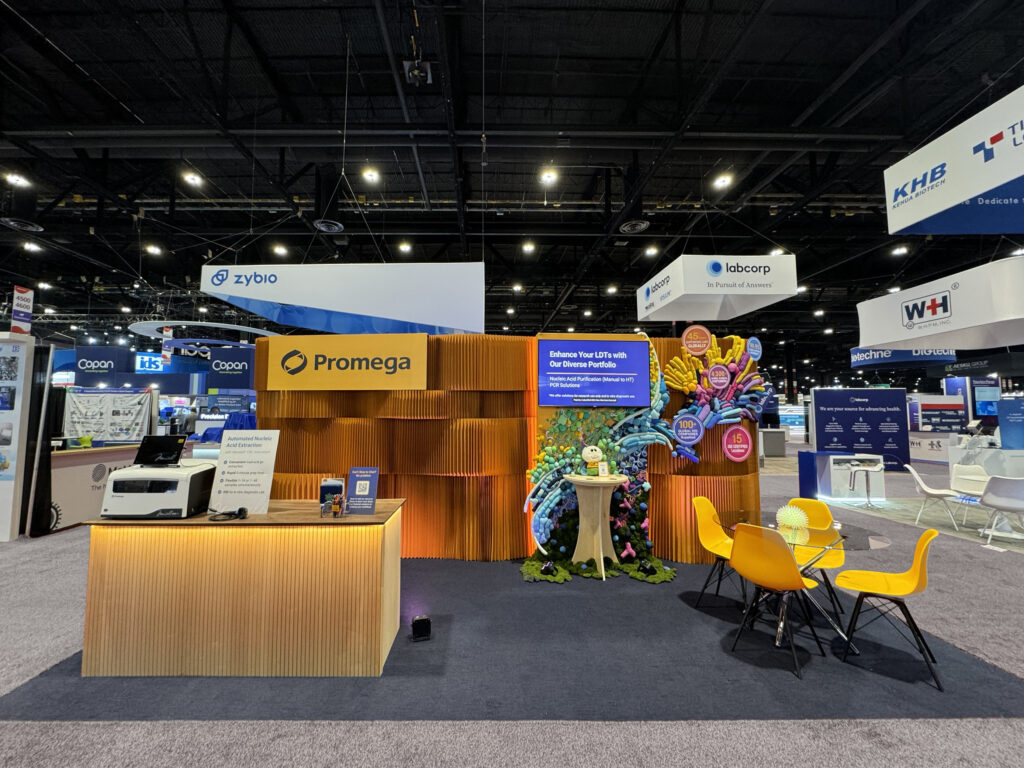
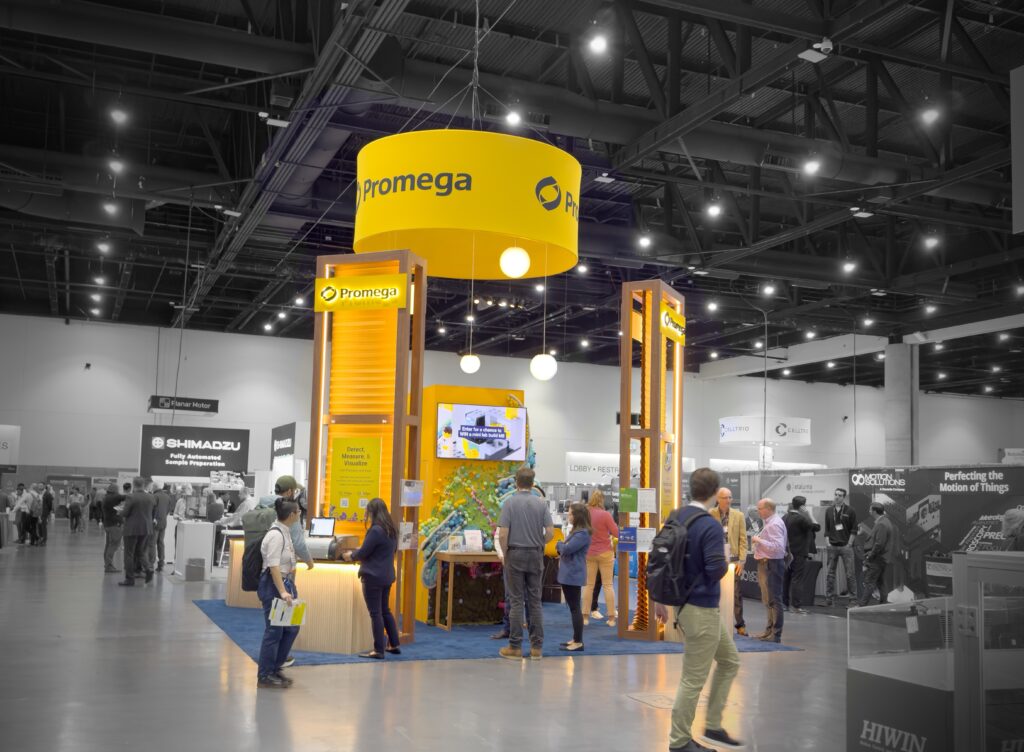
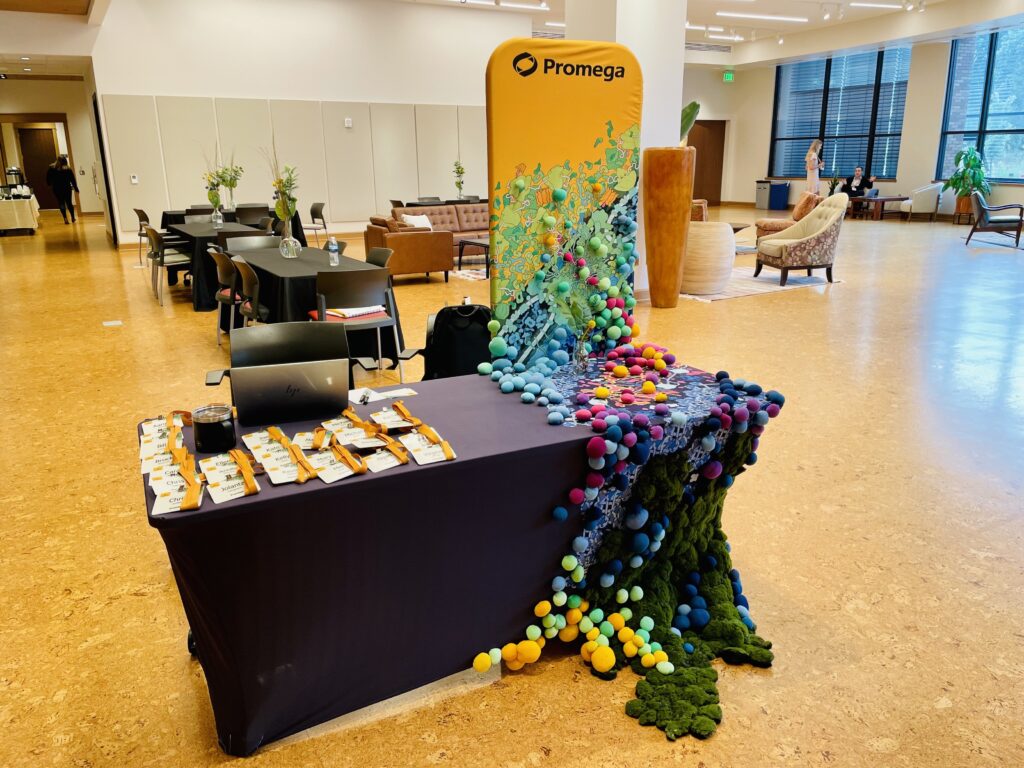
Bringing Science to Life: How Art and Sustainability Shape Our New Trade Show Booth Design

Step inside a Promega booth and leave the ordinary behind. Here, science sparks creativity, sustainability is woven into every detail, and discovery isn’t just something you seeโ€”it’s something you feel.

Continue reading “Bringing Science to Life: How Art and Sustainability Shape Our New Trade Show Booth Design”

How Promega Supports Sustainable Science

What is ACT and why does it matter?

The ACT label stands for Accountability, Consistency and Transparency. The ACT label provides information on the environmental impact of life science products to help researchers make informed choices about the products they use in their labs. ACT was developed by the non-profit organization My Green Lab, in collaboration with the International Institute for Sustainable Laboratories (I2SL).

The ACT label is one of the most comprehensive product labels for the life sciences. It measures the environmental impact of a product across four categories: manufacturing, user impact, end of life, and innovation. The criterion was developed with input from industry leaders, scientists, manufacturers, and sustainability directors. Most categories are scored on a scale from 1 to 10; 10 being the highest score. Other values are assigned a yes/no value or in some instances, a specific value per day (ex. kWh/day). The Environmental Impact Factor (EIF) is the summation of these categories. The varying energy usage and distinct reports across global markets has resulted in separate awards for different world regions. By choosing products with the ACT label, researchers can align their purchasing behaviors with any goals of reducing their environmental footprint and support sustainable practices in the life science industry.

Continue reading “How Promega Supports Sustainable Science”

Embracing Spring at Promega: A Commitment to Environmental Stewardship and Sustainable Growthย 

This blog is guest-written by Jason Hankes, Manager, Land & Natural Resources, Promega Corporationย 


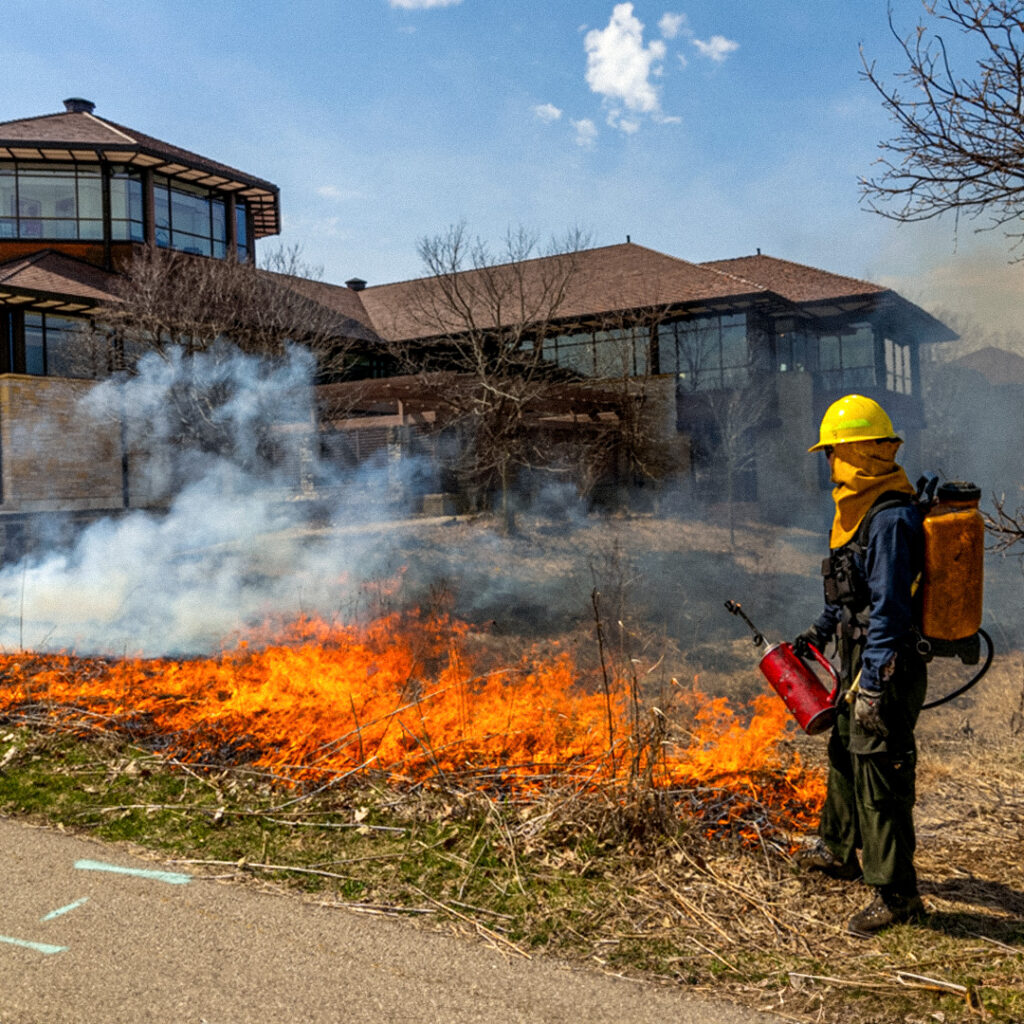
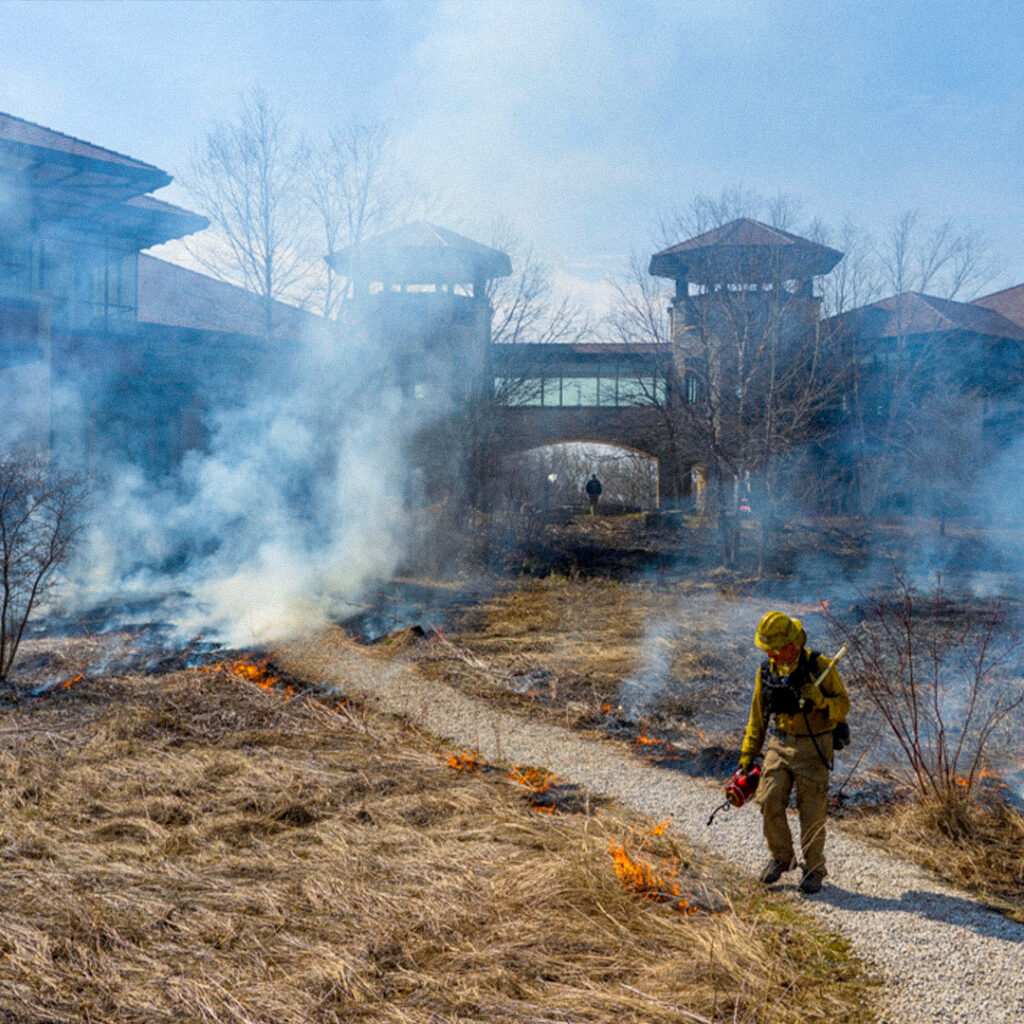
At Promega, the arrival of spring is not merely a celebration of nature’s rejuvenation, but also a reflection of our steadfast commitment to environmental stewardship. This vibrant season allows us to spotlight a crucial ecological initiative: the controlled prairie burn. Conducted every three to five years across over 25 acres of native prairie restorations, these burns are essential for habitat health. They not only reduce the risk of wildfires but also curb invasive weeds and stimulate new growth. Undertaking these burns exemplifies how Promega reinforces its commitment to environmental stewardship – a foundational principle that guides our operations and influences our architectural designs.ย 

Continue reading “Embracing Spring at Promega: A Commitment to Environmental Stewardship and Sustainable Growthย “

Beyond April: Sustaining Momentum in Sexual Assault Awareness and Action ย 

This guest blog post is written by Tara Luther, Sr. Marketing Specialist, Genetic Identity at Promega.

April 2024 marked the 23rd anniversary of Sexual Assault Awareness Month (SAAM) in the United States. While we have crossed into May, the importance of what SAAM stands for does not diminish with the changing of the calendar. The National Sexual Violence Resource Center (NSVRC) emphasizes that SAAM is a time to not only draw attention to the prevalence of sexual assault, but to also educate individuals and communities about how to prevent sexual violence. 

Continue reading “Beyond April: Sustaining Momentum in Sexual Assault Awareness and Action ย “

Blending Art and Science in a Costa Rica Physics Lab

Sophia Speece engaged her passions for art and science during her internship in Costa Rica.
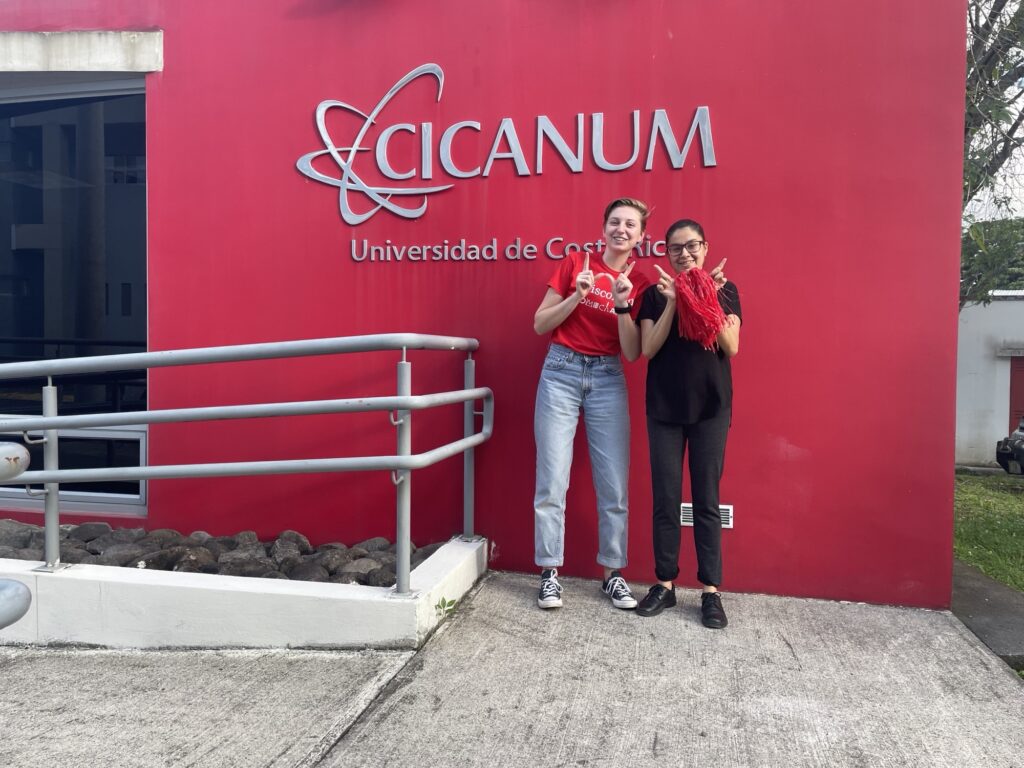
UW-Madison student Sophia Speece (left) spent the summer in Costa Rica for the “Artist in the Science Lab” internship hosted by alum Dr. Mariela Porras Chaverri (right)

My name is Sophia Speece. I am a junior at the University of Wisconsin-Madison studying Biomedical Engineering and Music Performance. As you can imagine, there is not a lot of overlap between these two passions of mine.

This past summer I was given the unique opportunity to combine these two areas. I applied and was accepted for the โ€œArtist in the Science Labโ€ internship abroad in Costa Rica!

Continue reading “Blending Art and Science in a Costa Rica Physics Lab”

Weโ€™re Committing to 100% Renewable Electricity by 2025

Solar panels on the roofs of Feynman Center, Kornberg Center, and the main Promega Madison parking structure

In 2021, we unveiled our most ambitious sustainability goals ever. These goals include a 50% reduction in carbon emissions by 2030, as indexed to revenue over a 2019 baseline.

In 2022, we announced that renewable sources provided over 20% of our global electricity usage.

This year, Promega is excited to announce that weโ€™re committing to 100% renewable electricity by 2025.

Continue reading “Weโ€™re Committing to 100% Renewable Electricity by 2025”

Earth Month Events Highlight Recycling, Lawn Care and More!

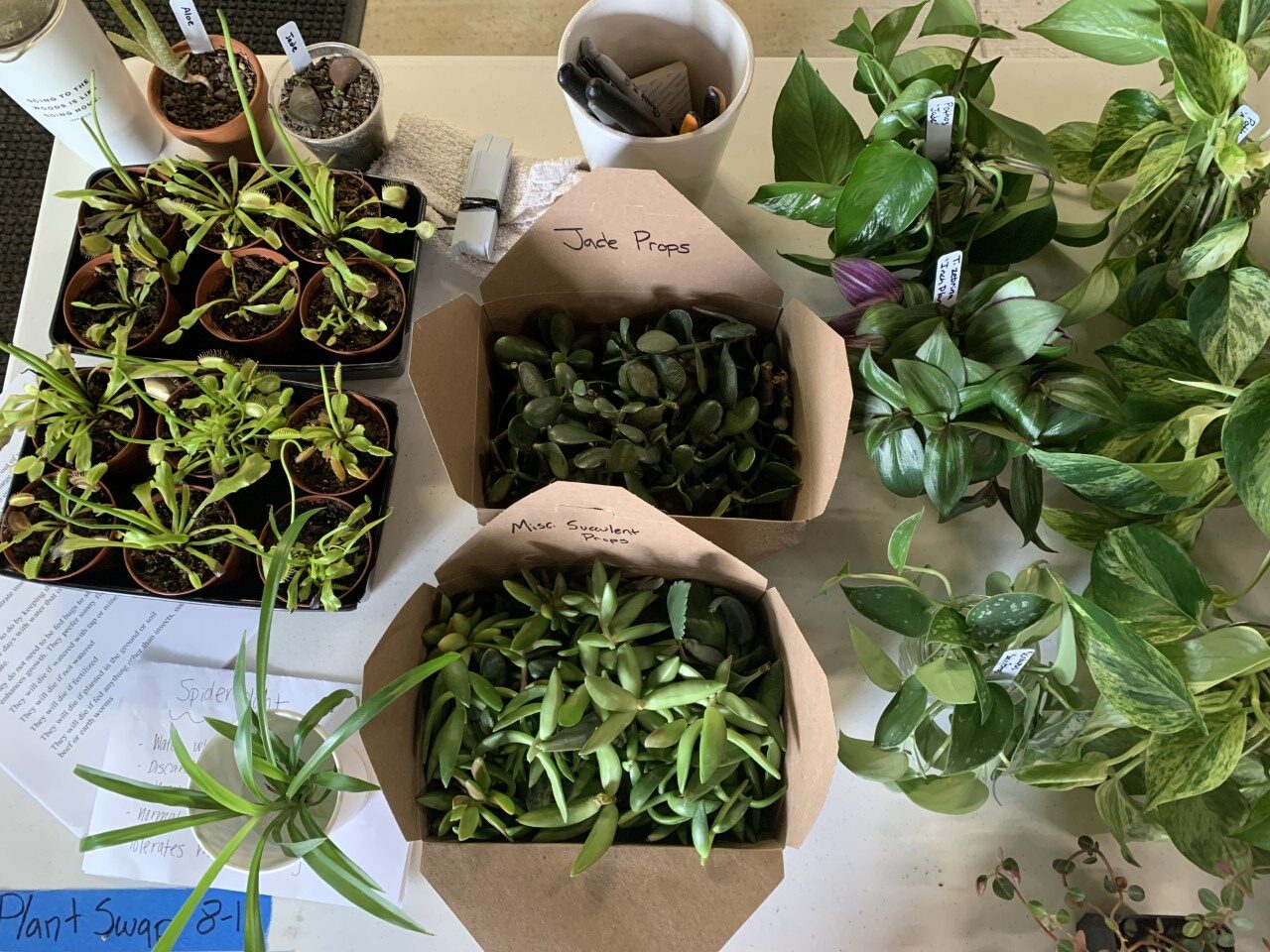
The Earth Month Plant Swap included cuttings from displays throughout the Promega Madison campus

Earth Day 2023 is past, but protecting our environment and natural resources is important every day of the year.

As a company, Promega has set ambitious goals for reducing our carbon emissions, plastic waste and water usage by 2030. We design each new building to surpass the sustainability features of all previous facilities. Our culinary garden employs techniques that are beneficial to the ecosystem, from enriching the soil to supporting local wildlife. In fact, over 225 acres of our 400-acre Madison campus is dedicated to preserved prairie, wetlands and woodlands.

Promega employees are also dedicated to reducing their impact on the natural world. This month, a series of employee-hosted Earth Month events gave Madison-based Promega employees the opportunity to test-drive electric cars, trade plants and learn about sustainable lawncare. Here are a few highlights from Earth Month 2023 at Promega.

Continue reading “Earth Month Events Highlight Recycling, Lawn Care and More!”

From Student Debt Assistance to Family-Forming Support: Benefits and Well-Being Go Hand in Handย 

You know this, but it bears repeating. Prioritizing physical, psychological, emotional and financial wellness is key to supporting our overall well-being. This holds true during the busy holiday season and throughout the entire year.  

Employee benefits that address emotional, physical and financial well-being

It can also be easier said than done, so we need as much support as possible in this vital endeavor. An in-depth framework recently published by the US Surgeon General outlines a vision of the workplace as an engine of well-being. The report states, โ€œOur workplaces play a significant role in our lives. Work affects both our physical and mental well-being โ€“ in good ways and bad. The COVID-19 pandemic brought the relationship between work and well-being into clearer focus.โ€   

Continue reading “From Student Debt Assistance to Family-Forming Support: Benefits and Well-Being Go Hand in Handย “

“Forever” Chemicals: Forever No More

If you were tasked with destroying something called “forever chemicals”, chances are you’d be leaning towards rather harsh methods. Incineration would probably be on the table.

These so-called “forever chemicals”, or per- and polyfluoroalkyl substances (PFAS), are a family of organic compounds where fluoride replaces hydrogens atoms on carbon chains. They are very water and oil repellent, which makes them ideal for use in non-stick cookware, stain-proof fabrics and fire-suppressing foams. Recent studies, however, show that exposure to PFAS is linked to a range of health issuesโ€”from increased cholesterol levels to some cancers. Even levels of PFAS present in drinking water in as low as parts per billion levels can pose risks to human health. These risks are exacerbated by the tendency for PFAS to bioaccumulate, or become concentrated in the tissues of humans and animals.

Methods do exist to filter out PFAS from water. But what do you do when it’s time to replace those filters? Simply throwing out PFAS-contaminated equipment just moves the problem to a landfill.

Person getting a glass of water from a kitchen faucet.

Instead, these “forever chemicals” need to be destroyed. Most existing strategies for breaking down PFAS use harsh conditions, such as incinerating PFAS residues in furnaces or oxidizing them in supercritical waterโ€”water that is at more than 37ยฐC and 200atm of pressure. Now, scientists reporting in Science have discovered that such extreme methods may not be needed to destroy โ€œforever chemicalsโ€ (1).

Continue reading ““Forever” Chemicals: Forever No More”