Coral reefs are the most productive marine ecosystem known, providing essential habitats and shelters for fish and other organisms. Additionally, they help protect coastlines, support economies, provide important food sources for local fisheries, and so much more. Coral reefs are ecologically essential—but are continuing to vanish. Fire coral (Millepora) brings new hope to this marine crisis due to their unusual ability to grow in two forms and survive under various habitat stresses.
What Is Fire Coral?
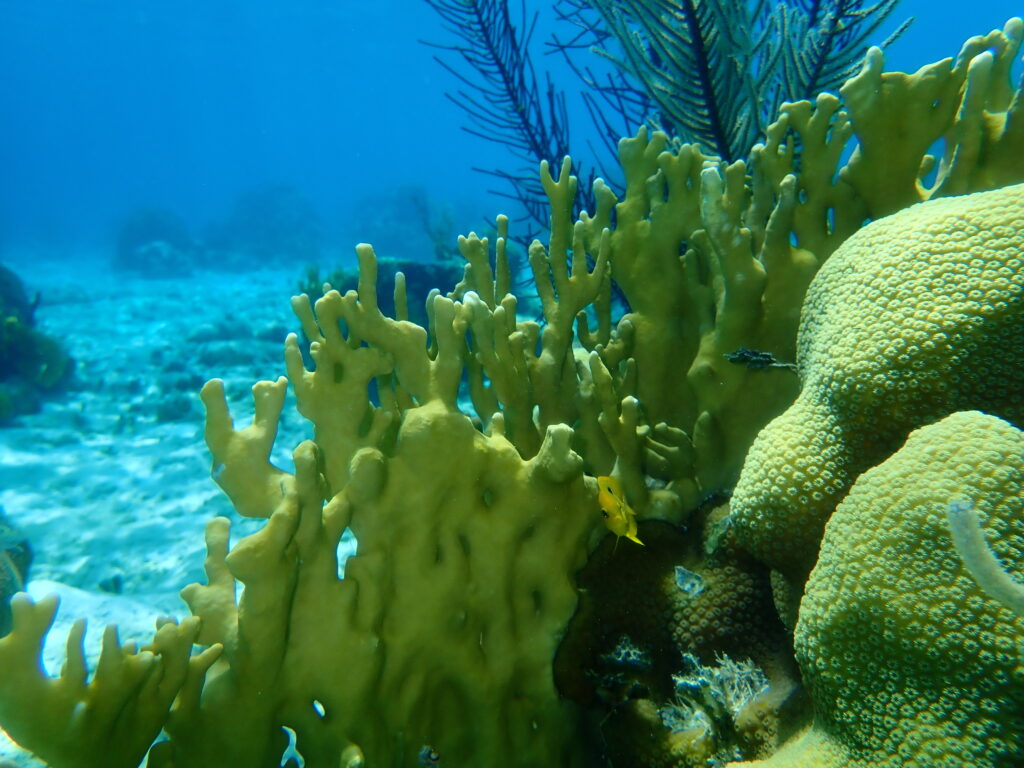
Fire coral has been around for millions of years and is most commonly found in sunny, shallow reefs. They tend to grow in tropical and subtropical waters with many thriving in different areas of the Caribbean Sea, one of the planet’s most biologically diverse ecosystems. Fire coral resembles typical stony corals but has a wicked sting that can cause burning skin reactions, reflecting their relationship as a close relative to jellyfish.
Continue reading “How Fire Coral has an Edge Over Other Species in the Caribbean Reef”