Dyed cells live longer?

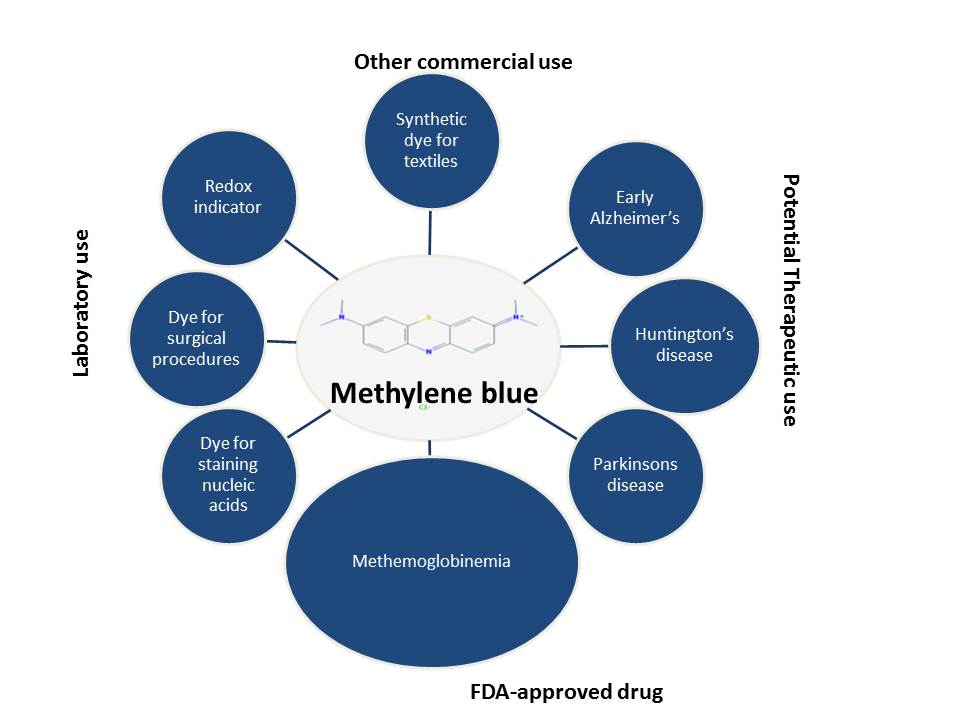
When I first came across an article about methylene blue being protective against neuronal death, I was intrigued. I had always associated methylene blue (sometimes confused with methyl blue—an entirely different molecule) with staining nucleic acids or proteins following membrane transfer or with staining bacteria or its use as a redox indicator. It turns out that methylene blue (MB) has an extremely wide range of applications: commercial (dye in the textile / paper industry), laboratory (supravital dye, redox indicator) and an amazingly large plethora of clinical and therapeutic (early Alzheimer’s disease, mild cognitive impairment) applications(1). In fact, MB is an FDA-grandfathered antidote for the treatment of methemoglobinemia, a condition characterized by elevated levels of oxidized form of hemoglobin that interferes with its ability to release oxygen to the tissues.

What makes this compound, so rightly called “magic bullet” so unique and versatile? Continue reading “Dyed cells live longer?”
Hypomethylation in the Hippocampus: Can Age-Related Cognitive Decline in Mice Be Reversed by the Activity of One Gene?

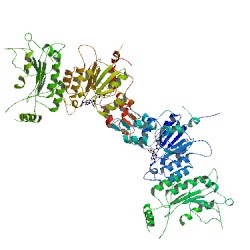
Partial ribbon structure of DNMT3a Source: Protein Database
Buried in the middle of the August issue of Nature Neuroscience is an article (1) by Oliveira, Hemstedt and Bading that caught my eye. It isn’t often that I see a paper about gene rescue in a neuroscience journal, especially in a study about cognitive decline.

I looked for a News and Views summary of the article, thinking that if the conclusions of the article were anything like what the title and abstract indicated, there must be an editorial summary. I wasn’t disappointed. Su and Tsai provided a nice summary of the paper and discussed some of the potential implications of the work (2). Continue reading “Hypomethylation in the Hippocampus: Can Age-Related Cognitive Decline in Mice Be Reversed by the Activity of One Gene?”

Orchids and Dandelions: Parenting the Flowers and Weeds

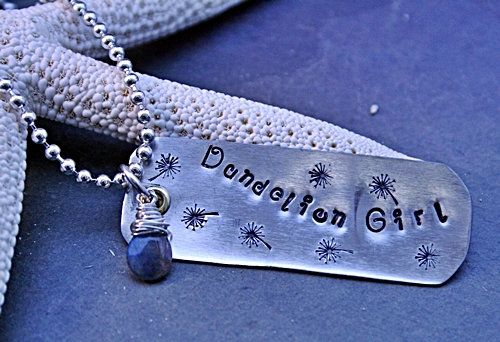
My seven year old daughter has a necklace I made her that says “Dandelion Girl” . I made it for her because she remains enamored with these cheerful yellow flowers despite other people’s best attempts to disillusion her. To her they are not weeds, but pretty flowers that turn to a white puff ball that a nature-made toy. Imagine my surprise when I came across an article referring to the genetics of “Dandelion Children”.

The name come from a Swedish expression describing dandelion children as those who can survive and thrive in whatever circumstances they encounter. The opposite of these are “Orchard Children”, children who are highly sensitive to their surroundings and when properly nurtured, blossom, often spectacularly, but when neglected often fail just as spectacularly. Continue reading “Orchids and Dandelions: Parenting the Flowers and Weeds”

Walking the Dog, Prefrontal Cortex Engaged

A favorite walk: the dog park.

A friend and I were recently at a local dog park, walking his Sheltie and Australian shepherd, and my two standard poodles. Our dogs are not daily visitors to the dog park, and while his dogs are well-behaved and subtle in their approach to other dogs, my poodles’ enthusiasm is not always in their best interest.

In addition, one of my dogs seems to take issue with certain of the protection dog breeds,  like German Shepherds, as well as some of the sled dog breeds. Generally, if a dog has pointed ears, I am on the alert for bad behavior.

For that matter, the protection dogs don’t seem to much care for fluffy, bouncy poodles. Annoying, you know? A dog’s trying to keep order and make the world safe, and here comes that poodle, bouncing along without a care in the world. There’s a lot of danger out there and the poodles are simply not paying attention. They jog along meeting people and dogs like they are running for mayor; darn poodles.

Occasionally it has seemed that the attitude problem is not exclusive to my dog.

People often say, “Oh, standard poodles are such smart dogs”. But you’d think a smart dog would not choose a big, guard dog breed with which to make trouble. Continue reading “Walking the Dog, Prefrontal Cortex Engaged”

Sleep Well Today to Learn Well Tomorrow

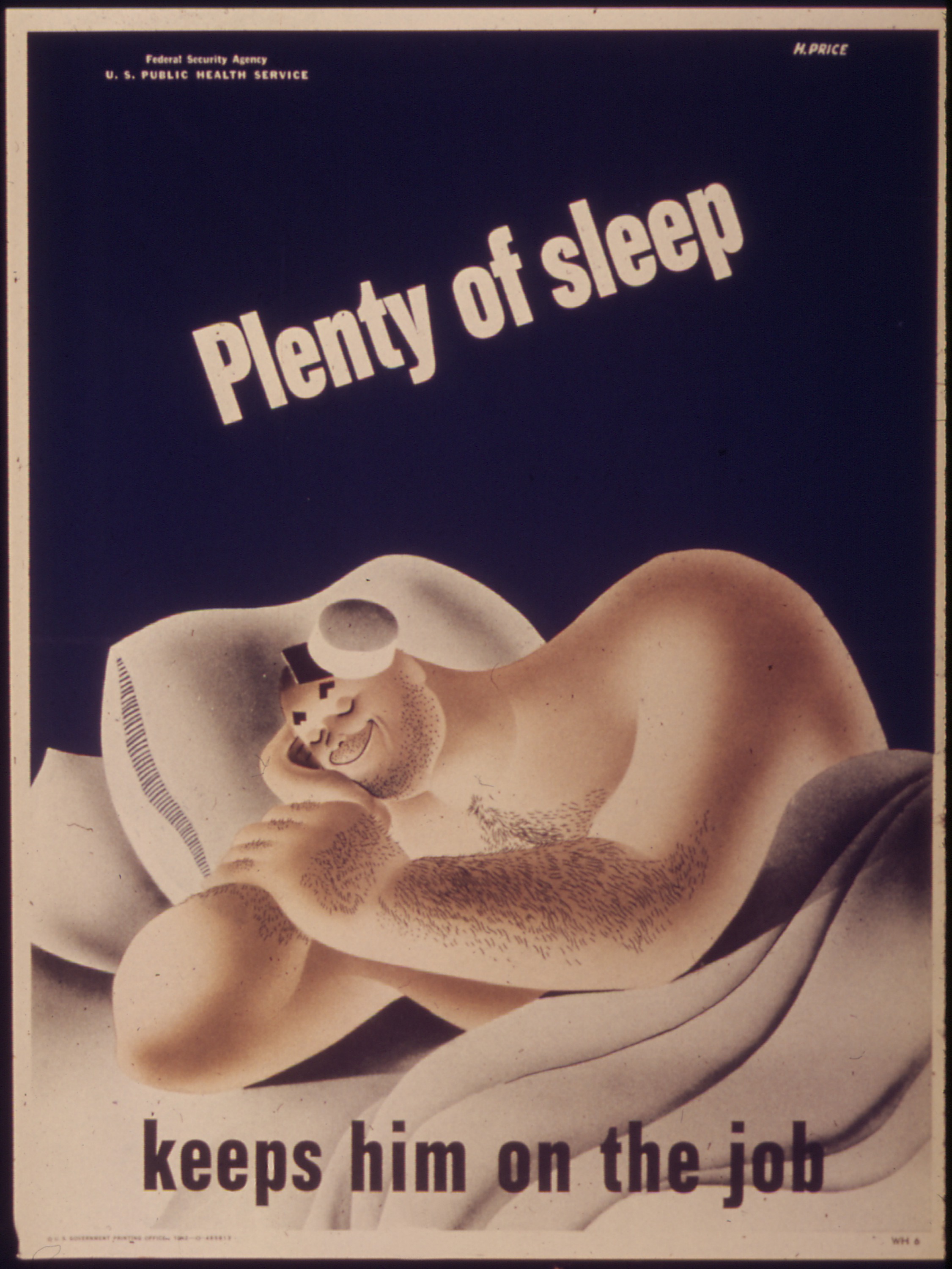
World War II Poster
Sleep, defined as a state of reversible disconnect from the environment (1), is an integral part of life. In this fast-paced life, you might think of sleep as a waste of time and unnecessary, impinging on productivity. But, nothing can be farther than the truth. Sleep researchers around the world are trying to understand what is the most important physiological function of sleep. It is too simplistic to say that sleep rests the brain, and it is not entirely true since neuronal activity in many parts of the brain do not slow down appreciably during sleep. So, what does sleep do? Continue reading “Sleep Well Today to Learn Well Tomorrow”

Forgot Something? Maybe Your Diet, not Your Age, is to Blame

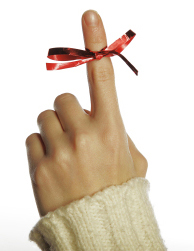
Ribbon tied around a finger as a reminderHave trouble finding your car keys this morning because you forgot where you left them? Or maybe you can’t remember the name of the new person who just joined the department down the hall? Before you blame age for your faulty memory, take a look at your diet. New research suggests that low levels of omega-3 fatty acids in your diet could be disrupting biochemical signaling in your brain and impairing your ability to learn and remember. And, consumption of high levels of fructose, often found in sugary beverages, could be making it worse. So, put down that soda and keep reading to learn how those empty calories might be sabotaging your memory and what you can do about it.

Continue reading “Forgot Something? Maybe Your Diet, not Your Age, is to Blame”

A Food for Happiness? Go Fish

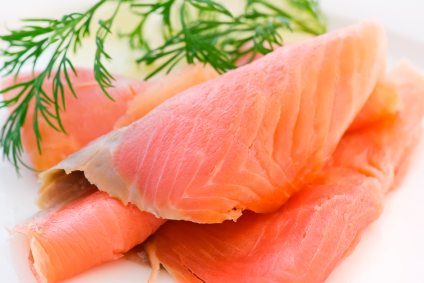
Salmon, smoked
Salmon is a good source of omega-3 fatty acids.

We’ve heard that omega-3 fatty acids, such as those from various fish sources, have important anti-inflammatory, as well as cardiac health benefits.

In fact, WebMD has an Omega-3 Fatty Acid Fact Sheet with so much positive health information that you may add “Buy wild-caught salmon” to your list of things to do on the way home tonight.

In other words, eating fish is a no-brainer, right? Continue reading “A Food for Happiness? Go Fish”

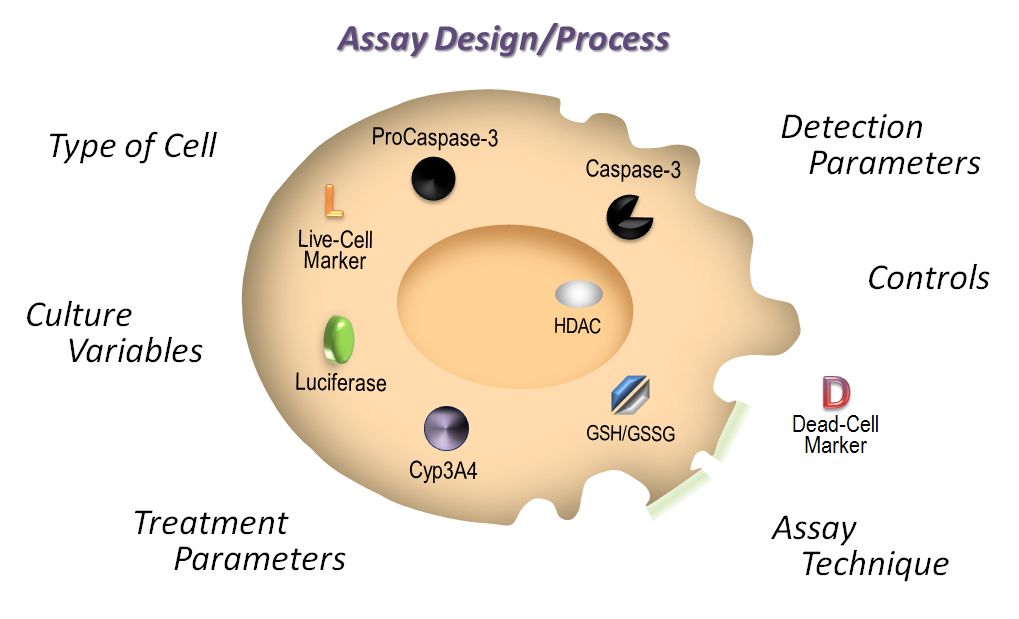
Considerations for Successful Cell-Based Assays III: Treatment Parameters

Welcome to the third installment of our series on cell-based assays; in this post we talk about treatment parameters for cell-based assays. Designed for the newbie to the world of cell-based assays, we have covered the topics of choosing your cell type and basic cell culture tips in the previous posts. In this post, we will discuss how decisions about test compound treatment: how much and how long can affect assay results and interpretation.

Continue reading “Considerations for Successful Cell-Based Assays III: Treatment Parameters”

Catnip and Its Effect on Cats, Dogs and Humans

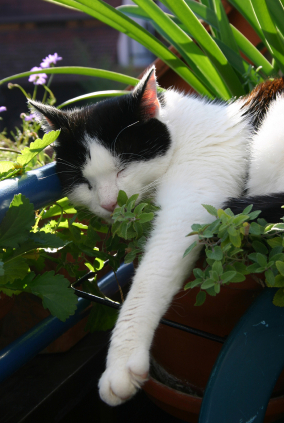
Feline in catnip.
Common cat behavior around catnip.

Cat owners—and those that care about cats—know the power that catnip has on cats. If you own a cat and bring catnip into the house, no matter where you put it, the cat will find it.

Once the cat gets the catnip (aka catmint, nepeta) she/he will rub her/his head and shoulders on the plant,  lie down on it or even dash about the house. Cats frequently chew on and eat catnip.

A report sought to explain why and how catmint affects cats. I eagerly read the report, having always been conflicted about giving catnip to my cats. Could they be killing brain cells by smelling or consuming catnip? Is it habit forming? Is catnip a gateway drug for cats? Continue reading “Catnip and Its Effect on Cats, Dogs and Humans”

Considerations for Successful Cell Based Assays II: Cell Culture Conditions

This is the second in a series of blog posts covering topics to consider when designing and performing cell-based assays. In the first installment, we discussed the importance of choosing the right cell type for your assay. Here we will discuss how cell culture conditions affect cell-based assays.

Continue reading “Considerations for Successful Cell Based Assays II: Cell Culture Conditions”