The Wnt/β-catenin pathway, long studied in the context of developmental biology, has become increasingly recognized for its role in a wide range of human diseases. Its dysregulation has been implicated in cancer, fibrosis, immune modulation, and neurodegenerative conditions—making it a clinically actionable target across diverse therapeutic areas1. In this blog, we cover the fundamentals of Wnt/β-catenin signaling, highlight ongoing research efforts to understand its role in disease, and show how combining live-cell imaging with luminescent assays complements functional studies.
Continue reading “Understanding Wnt Signaling Through β-Catenin Localization in Live Cells”Cell Biology
The Hidden Role of the Immune Microenvironment in ER+ Breast Cancer Resistance
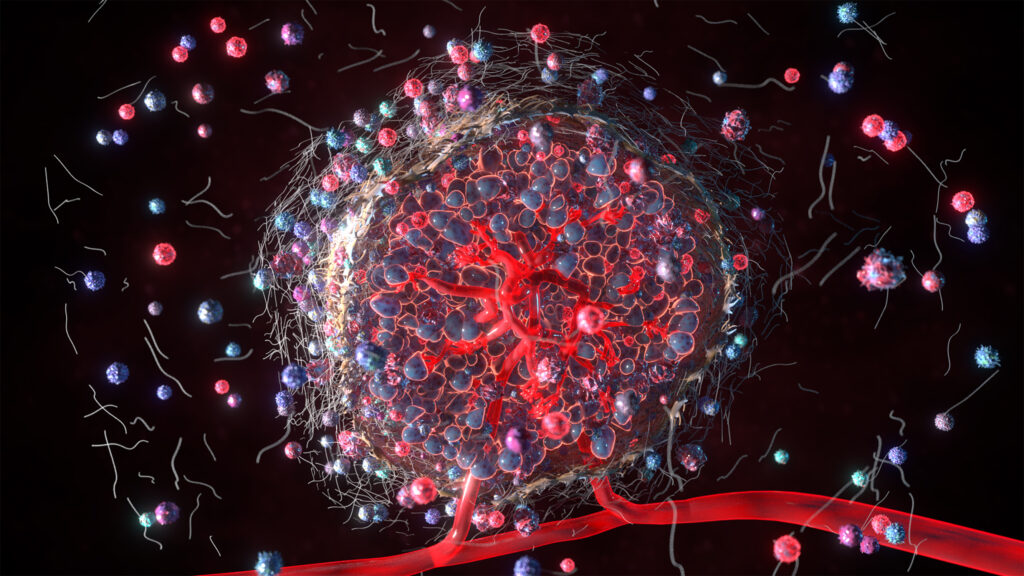
Estrogen receptor-positive (ER+) breast cancers are among the most common and treatable forms of the disease. Many patients respond well to a combination of endocrine therapy and CDK4/6 inhibitors—drugs like ribociclib that block the cell cycle and prevent tumor growth. But for up to half of these patients, treatment eventually fails. The tumor adapts and continues to grow, presenting a major barrier to developing more effective, long-term cancer therapies.
Continue reading “The Hidden Role of the Immune Microenvironment in ER+ Breast Cancer Resistance”Non-Pharmacological Approaches to ADHD: Exploring Inflammation and Omega-3s
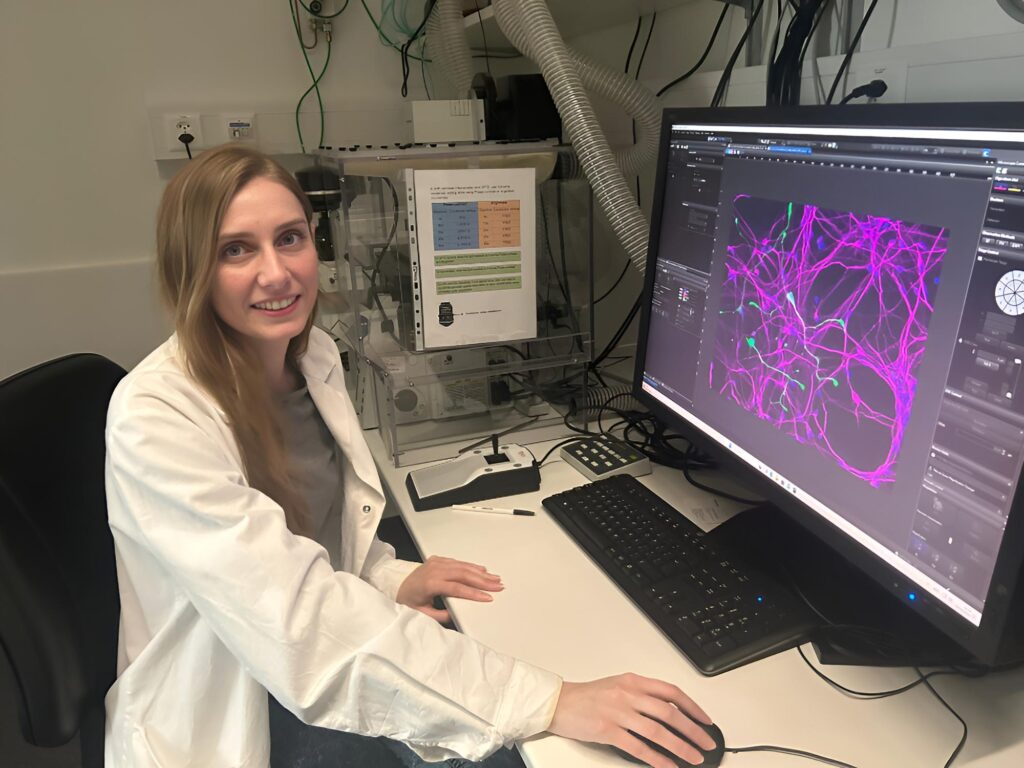
Attention-Deficit/Hyperactivity Disorder (ADHD) is a complex neurodevelopmental disorder that affects millions worldwide. Current therapeutic treatment relies on pharmaceutical approaches, but emerging research suggests that dietary supplements, such as omega-3 fatty acids, may offer complementary therapeutic options. A recent study published in the Journal of Psychiatric Research explores the relationship between inflammation and dietary supplements to determine how they might influence ADHD pathology. This work was conducted in Dr. Edna Grünblatt’s lab at the University of Zurich and was supported through Promega’s Academic Access Program. I had the chance to interview Dr. Natalie Walter, the lead author, to learn more about how her work offers potential opportunities for non-pharmacological interventions.
Using Dual-Luciferase Assays to Identify the Role of Non-Coding RNAs in Disease
In recent years, non-coding RNAs—especially microRNAs (miRNAs) and long non-coding RNAs (lncRNAs)—have emerged as powerful regulators of cellular behavior. These molecules modulate gene expression, often by targeting mRNAs for translational suppression or degradation. Two recent studies—one focused on osteoarthritis and the other on 5-Fu-resistant colorectal cancer—illustrate how these non-coding, regulatory RNAs operate within disease-relevant signaling networks, providing new points for therapeutic intervention.

Both studies use the pmirGLO Dual-Luciferase miRNA Target Expression Vector to evaluation predicted miRNA activity. This dual-luciferase system offers a clean and quantifiable way to validate miRNA–mRNA interactions using a simple bioluminescent readout. By cloning the 3´ untranslated regions (UTRs) of suspected targets downstream of a firefly luciferase reporter and normalizing against Renilla luciferase, researchers can rapidly confirm whether a miRNA directly regulates its target.
Continue reading “Using Dual-Luciferase Assays to Identify the Role of Non-Coding RNAs in Disease”Mapping the Mind: In Vivo Imaging of Synaptic Plasticity with HaloTag® Ligands

The brain is constantly rewiring itself, fine-tuning connections that shape how we think, learn, and remember. But capturing those fleeting molecular changes as they happen — at the level of individual synapses and across entire brain regions — has long been a challenge in neuroscience. Now, thanks to recent advances in HaloTag® dye technology, researchers can visualize protein dynamics in living brains with stunning clarity and specificity.
Continue reading “Mapping the Mind: In Vivo Imaging of Synaptic Plasticity with HaloTag® Ligands”Beyond Ozempic: The New Frontier of Obesity Research
Today’s blog is written by guest blogger, Alden Little, Marketing Intern at Promega.
From genetics to gut microbes, scientists are finding new ways to make white fat act like calorie-burning brown fat. Here’s how three research teams are working to find the next breakthrough obesity treatment.
Rethinking Fat: How New Research is Transforming Obesity Science
Obesity affects millions worldwide and remains a complex challenge shaped by diet, environment, genetics, and socio-economic factors. While medications like semaglutide have shown promise in supporting weight loss, there’s growing interest in alternative strategies.

One area gaining traction is adipose tissue biology. Adipose tissue—commonly known as body fat— is not just a passive storage site for excess energy, but an active player in regulating metabolism and energy balance. Adipose tissue comes in several forms:
- White
- Brown
- Beige
Most of the fat in our bodies is called white adipose tissue (WAT). It stores energy for later use—but too much of it increases the risk for obesity, diabetes, and other health problems. In contrast, brown adipose tissue (BAT) burns energy to generate heat through a process called thermogenesis, helping regulate body weight and temperature. Scientists have discovered a third kind, called beige adipose tissue, which behaves like BAT but can form within WAT under certain conditions like cold exposure or specific molecular triggers.
Continue reading “Beyond Ozempic: The New Frontier of Obesity Research”What 32,000 3D Spheroids Revealed About Culture Conditions

Three-dimensional (3D) cell culture systems have become essential tools in cancer research, drug screening and tissue engineering—offering a more physiologically relevant alternative to traditional 2D cultures, which often fail to replicate key in vivo microenvironment features. But as the field has evolved, variability in experimental outcomes has become a key challenge, limiting their reproducibility and translation into clinical settings. While spheroids offer layered architecture, nutrient gradients and multicellular interactions, inconsistent culture methods have made it difficult to draw reliable conclusions across labs.
Continue reading “What 32,000 3D Spheroids Revealed About Culture Conditions”An Unexpected Role for RNA Methylation in Mitosis Leads to New Understanding of Neurodevelopmental Disorders
Traditionally, RNA methylation has been studied in the context of gene expression regulation, RNA stability and translation efficiency, with its primary role thought to be in modulating cellular homeostasis and protein synthesis. However, a 2025 study by Dharmadkikari and colleagues uncovers an unexpected and critical function for RNA methylation in mitotic spindle integrity.
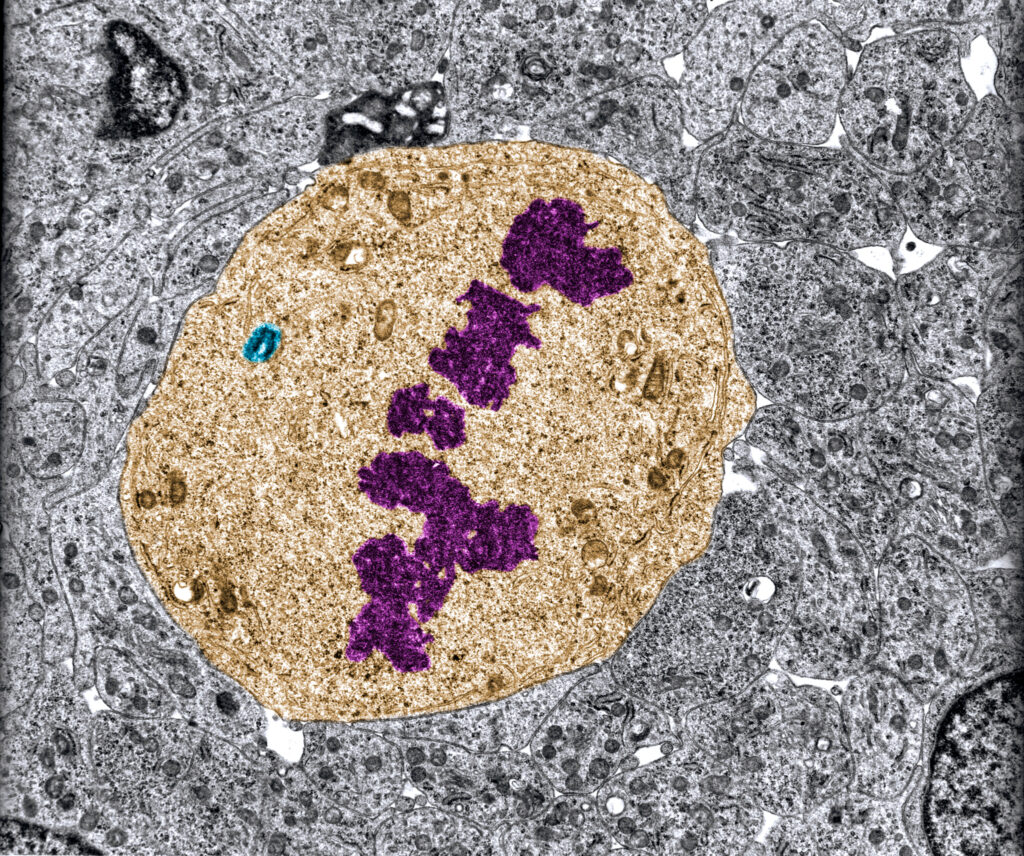
The study identifies a critical role for SPOUT1/CENP-32-dependent methylation in mitotic spindle formation and accurate chromosome segregation. Originally identified in a large-scale analysis of proteins associated with mitotic chromosomes, SPOUT1/CENP-32 encodes a putative RNA methyltransferase. The protein localizes to mitotic spindles, and when it is absent centrosome detachment from the spindle poles, delayed anaphase, and chromosome segregation errors are observed. Further, CRISPR experiments in human cells show that the protein is essential for cell viability.
Continue reading “An Unexpected Role for RNA Methylation in Mitosis Leads to New Understanding of Neurodevelopmental Disorders”Microfluidic Organoids Could Revolutionize Breast Cancer Treatment
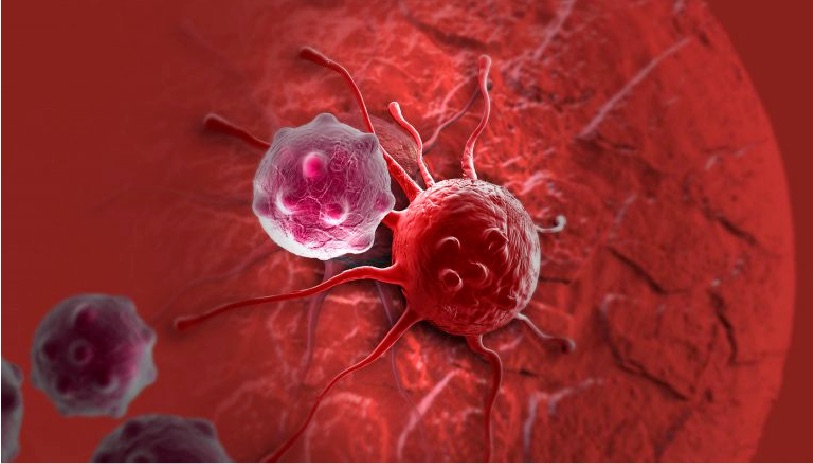
Breast cancer is the most common tumor among women worldwide and has a profound impact on individuals and society. Aside from being a leading cause of cancer-related death, patients often undergo invasive treatments such as surgery, radiation, and chemotherapy, which may result in long-term side effects and reduced quality of life. Additionally, the healthcare burden of breast cancer is immense. This makes effective, timely, and personalized treatments a critical need.
A recent study published in Scientific Reports presents a microfluidic-based method for growing breast cancer organoids that significantly reduces the culture time while maintaining essential structural and drug response characteristics. This method could be the key to developing personalized breast cancer treatments in the future.
Continue reading “Microfluidic Organoids Could Revolutionize Breast Cancer Treatment”Alzheimer Disease and Metabolic Dysfunction: A Critical Intersection in Brain Health
This guest blog post is written by Alden Little, a Marketing Intern at Promega.
Alzheimer disease (AD) is one of the most devastating neurodegenerative disorders, affecting millions worldwide. While much attention has been given to amyloid plaques and tau tangles, emerging research suggests that metabolic dysfunction in the brain plays a crucial role in the disease’s progression. A recent study published in Acta Neuropathologica by Schröder et al. sheds new light on how astrocytes—the brain’s metabolic support cells—are affected in AD, and how their dysfunction impacts neurons.