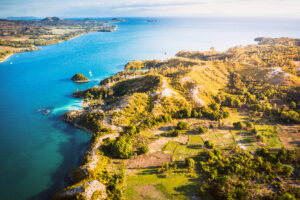
The Mozambique Channel, which is located between the Madagascar and Mozambique on the African coast, is an important hot spot for biodiversity because its many coastal ecosystems provide a range of habitats that support diverse plant and animal species. Understanding the biodiversity of an ecosystem, particularly biodiversity hot spots, is important for many reasons. For marine systems, accurate classification and reporting of fish species supports fisheries research, natural resource surveys, forensic studies, conservation studies, and enables discovery of new or under-reported species. Studies have been limited along the west coast of Africa and are only now in their early stages.
A 2024 research study by Muhala and colleagues applied DNA barcoding to evaluate the composition of marine and coastal fish diversity from the Mozambican coast. In the study, the Wizard® Genomic DNA Purification Kit was used to extract DNA from both teleost (ray-finned) and elasmobranch (sharks, rays and skates) fish classes, with a total of 143 species sampled from local artisanal fisheries along the Mozambican coast. The samples were primarily composed of muscle or fin tissues, which are ideal for genetic analysis due to their higher DNA yield. These tissue samples were collected from various fish species captured along the coast of Mozambique, stored in ethanol (96%) to preserve DNA integrity, and then processed using the Wizard kit. Total genomic DNA was extracted from the muscle or fin tissues, as per the manufacturer’s protocol. This method ensures the isolation of high-quality genomic DNA, which is crucial for subsequent polymerase chain reaction (PCR) amplification and sequencing. The COI gene (cytochrome c oxidase subunit I) was targeted for DNA barcoding, enabling species identification and assessment of genetic diversity.
Continue reading “From Fins to Genes: DNA Barcoding Unlocks Marine Diversity Along Mozambique’s Coast”