High School Interns Get Hands-On Experience in Promega R&D

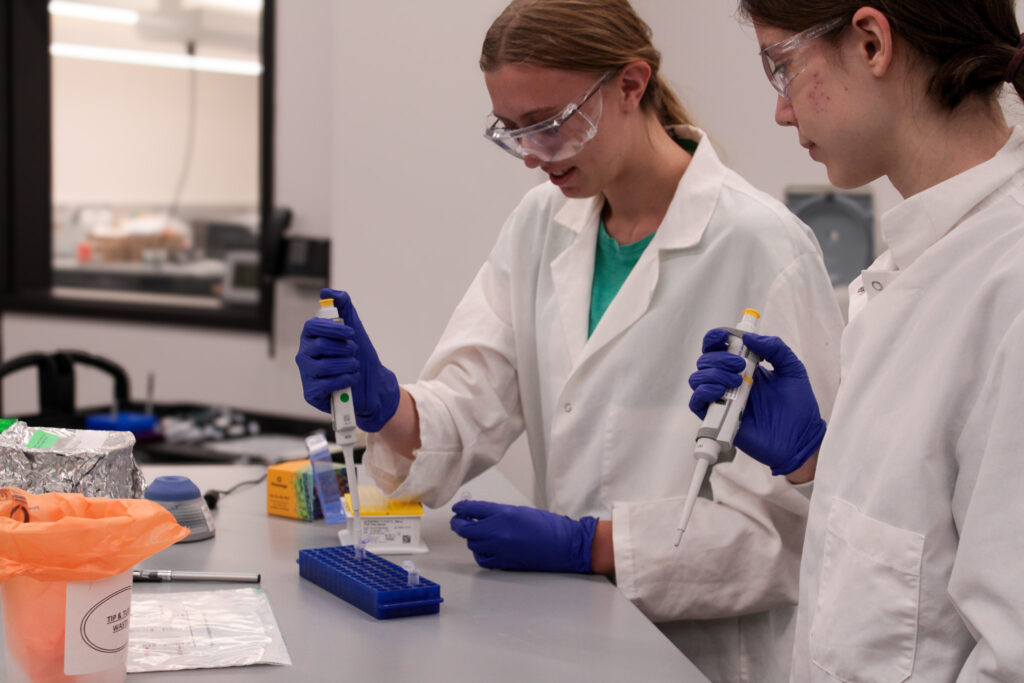
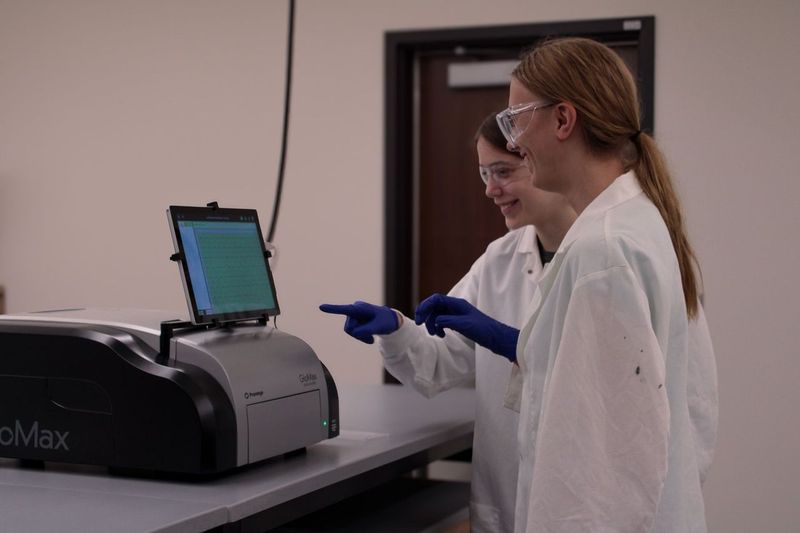
High school interns Tessara Clark and Evelyn Zadzilka work in the lab during their Maydm internships in Promega R&D
Tess (left) and Evie (right) spent the summer after high school graduation interning in Promega R&D.

If she weren’t working at Promega, Evie Zadzilka probably would’ve spent the summer after high school graduation taking summer classes before reporting to her freshman year at the University of Wisconsin-Madison. She runs a small art business, and she might’ve spent more time taking commissions.

Instead, Evie spent the summer before college as an intern in Promega R&D, honing her pipetting skills as she learns about primer design and contributing to the development of a new Promega assay.

“I’ve had a great time,” she says. “I’ll definitely take a lot with me from this experience. I’m so glad I got to do it.”

Evie and her fellow intern Tess Clark were the two high school-aged interns placed at Promega through a relationship with a Madison-based nonprofit called Maydm. This organization helps girls and youth of color in grades 6-12 prepare for careers in STEM by providing educational opportunities and experiences. Through school and summer programs, they strive to disrupt systemic barriers by empowering students like Evie to pursue their dreams as entrepreneurs, developers, engineers and more.

“This will really boost my confidence when I get into lab work next year,” Evie says.

High School Internships at Promega

Tessara Clark and Evelyn Zadzilka work in the lab during their Maydm high school internships in Promega R&D
Tess and Evie were placed in Promega internships through the non-profit organization Maydm.

During their senior year of high school, Tess and Evie were both enrolled in dual-credit courses through Madison College. These classes made them eligible to apply for a high school internship through Maydm.

“I’ve been interested in research for a very long time,” says Tess, another recent school graduate preparing to enter the University of Wisconsin-Madison. “I’m going to major in physics next year, and I don’t have many ties to the biotechnology or chemistry I’ve worked with at Promega. But I wanted hands-on lab experience, so that’s how I ended up here.”

Continue reading “High School Interns Get Hands-On Experience in Promega R&D”

A Peek Behind the Scenes: Young Researchers Visit Promega Madison

Young Researcher Award recipients 2024
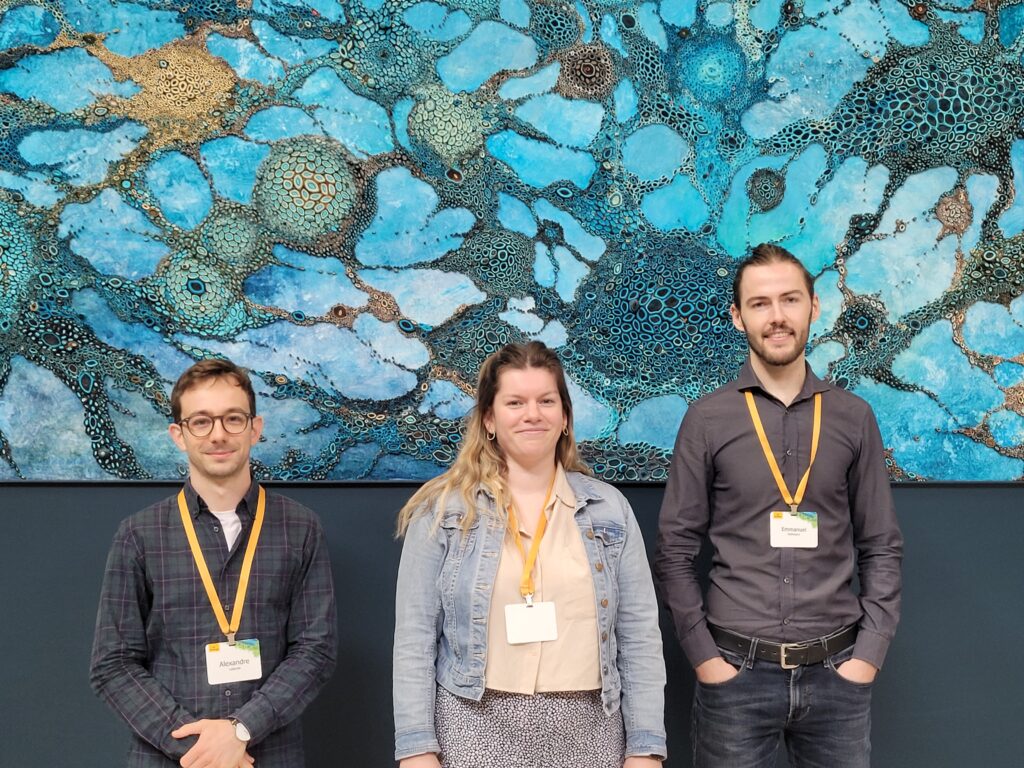
Young Researcher Award winners Alexandre Lalande, Margaux Cochard and Emmanuel Heilman (L to R) visited Promega Madison in June 2024.

Earlier this summer, Promega Madison welcomed three rising researchers from Europe for an immersive experience on the company’s main campus. Alexandre Lalande (PhD student, International Center for Infectiology Research, France), Margaux Cochard (Post-Doc, University of the Littoral Opal Coast, France) and Emmanuel Heilman (Post-Doc, Medical University of Innsbruck) were selected as Young Researcher Award winners by Promega France and Promega Germany. Their prize trip to the United States included tours of Promega facilities, conversations with Promega leaders and research scientists and hands-on training with emerging technologies.

“It’s really interesting to see how Promega manages to find harmony between the science, the people and the business,” Alexandre says. “When you arrive here you immediately feel comfortable.”

Meeting Industry Scientists

Alexandre says that he has always imagined himself working in academia doing basic research, but he never totally ruled out opportunities in industry.

Continue reading “A Peek Behind the Scenes: Young Researchers Visit Promega Madison”

The Marvel of Malate: A Crucial Component in Cellular Energy Metabolism

Today’s blog written by guest author Kim Haupt.

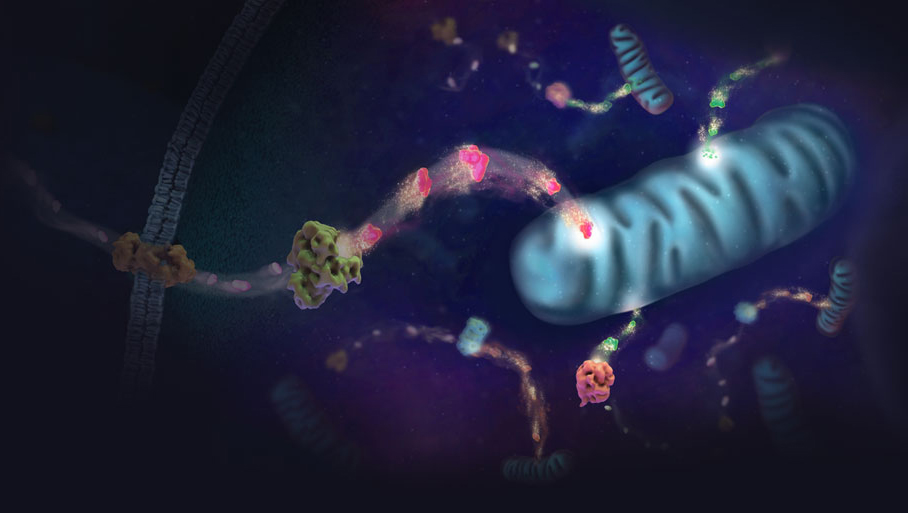
Cellular energy metabolism is a complex biological process that relies on a suite of metabolites, each with distinct roles to maintain. Malate is one of these metabolites and is essential for maintaining cellular function through important roles in both energy production and redox homeostasis. In this blog, we highlight malate’s diverse roles and uncover some of its connections to human disease. 

Illustration of energy metablism in cell.
Continue reading “The Marvel of Malate: A Crucial Component in Cellular Energy Metabolism”

Elephants May Call Each Other By Name

Elephants intertwining trunks
New research points to the possible use of names among elephants in the African savanna

Names are part of something called “arbitrary communication”, wherein a sound represents an idea without imitating it. Where we have so far seen names used in nature, they are typically imitative—for instance, bottlenose dolphins and parrots mimic an individual’s signature call to get their attention. However, this differs from how humans refer to each other using an arbitrary or random sound chosen to represent an individual. The use of arbitrary language is a mark of linguistic complexity that moves beyond the limitations of imitative speech and expands expressive power into the potential exchange of intricate ideas, abstract concepts and symbolic thought.

Continue reading “Elephants May Call Each Other By Name”

The Battle of Shiloh’s Angel’s Glow: Fact, Civil War Legend or Modern Myth? 

It sounds like the script for a Hollywood movie. The story, first appearing in 2001, begins with a purported civil war legend from the Battle of Shiloh. The legend said that the wounds of some soldiers glowed (faintly) in the dark. Soldiers with these glowing wounds were more apt to survive, giving the phenomenon the name “Angels Glow”. The story ends with two curious teenagers solving the mystery using their science fair project. They identify infection by the bioluminescent bacteria Photorhabdus luminescens (formerly Xenorhabdus luminescens) as the likely cause of the glowing wounds. P. luminescens produces bacteriocins (antimicrobial peptides), which the teenagers attribute to helping keep other infections at bay, resulting in the improved survival rate for the soldiers whose wounds glowed.

The teenagers win. The mystery is solved. The credits roll. 

Except life (and science) is rarely as simple as a summer block buster. 

Cannon at sunset on a civil war battlefield
The Battle of Shiloh took place in Hardin County Tennessee on April 6th and 7th, 1862.
Continue reading “The Battle of Shiloh’s Angel’s Glow: Fact, Civil War Legend or Modern Myth? “

Revolutionizing Food Security: How Biotechnology Contributes to Sustainability and Safety

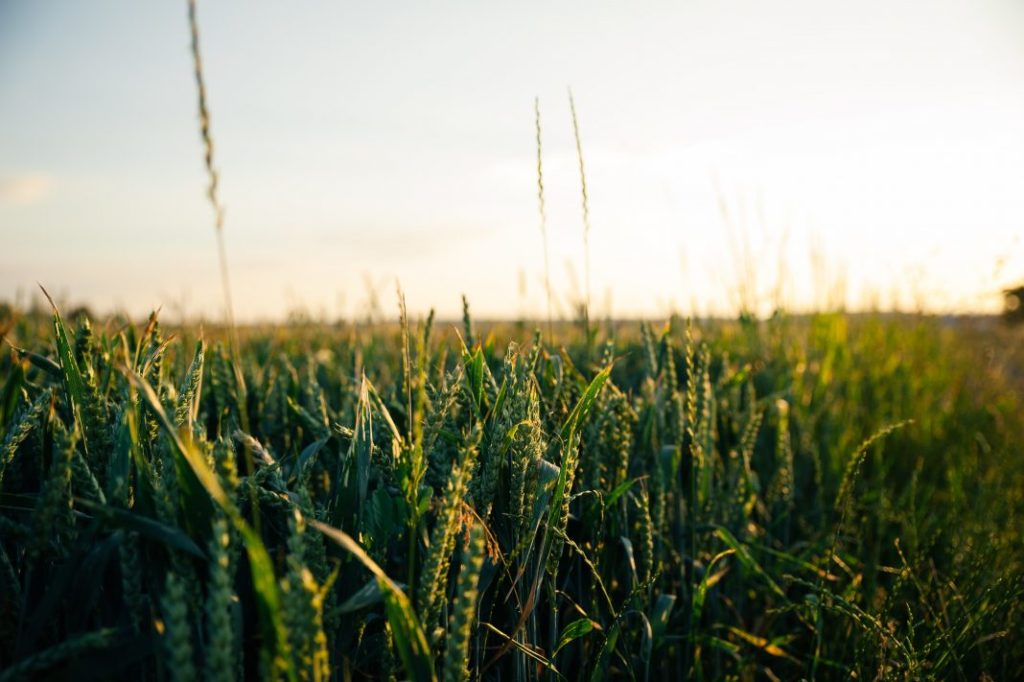
field of crops/food

Projections from the United Nations suggest that the global population reached 8 billion in 2022. By 2030, the United Nations expect the population will grow to 8.5 billion (1).  In order to sustain the rapidly expanding global population, innovative approaches in the agriculture sector are required to ensure food security and safety while maintaining sustainable practices.

Centuries of cultivating crops and raising livestock have honed our current agricultural methods. In the 21st century, these techniques encounter persistent challenges. Environmental factors such as soil degradation, water scarcity, and climate change pose significant threats to production. Additionally, the constant risks posed by pests and diseases can devastate both crops and livestock.

Read more about how the current avian flu crosses species and affects livestock.

The agriculture sector’s challenge of feeding the world sustainably lies in the limited access to natural resources like land and water. Unfortunately, these resources don’t grow with our population, so we need to find a way to increase productivity per unit of land (2). Ideally, using less water and potentially harmful pesticides.

Biotechnology offers innovative solutions that support sustainable agriculture practices to not only enhance food production, but also increase nutritional value and safety of our food supply.

Biotechnology in Agriculture: Enhancing Crop Yield and Resilience:

For much of the history of agriculture, breeding programs have involved selectively breeding desirable traits to increase yield, quality, and resilience. In the age of biotechnology, agriculturalists are revolutionizing this practice with the help of cloning and CRISPR technologies.

Continue reading “Revolutionizing Food Security: How Biotechnology Contributes to Sustainability and Safety”

Logistics Built to Deliver: Kepler Center and Beyond

In March 2024, Promega celebrated a significant milestone by completing extensive renovations to Kepler Center, the primary distribution warehouse located at Promega Madison. This massive expansion has increased the facility’s total area to an astounding 320,000 square feet (29,822 square meters).

So, what does this mean for you?

When you place an order from Promega, you can be confident your products will arrive on time. With customers in more than 120 countries, we have built a global logistics network that ensures quality and reliability from the warehouse to your lab. This expansion of Kepler Center enhances our ability to ensure prompt shipping, reaffirming our commitment to timely deliveries.

Delivering Products When You Need Them

Promega Madison ships directly to 40 countries. We maintain close relationships with domestic carriers and international freight forwarders to make sure packages are transported safely and efficiently. Some of these shipments go directly to customer labs, while others will stock distribution facilities around the world.

Promega has additional logistics warehouses strategically located around the world. These warehouses have much of the same capabilities as Kepler Center, such as a range of storage temperature capabilities including ambient, +4°C, -20°C, -70°C and liquid nitrogen cryogenic storage.

Our logistics teams around the world maintain local inventory and oversee the final delivery of orders. We share common processes around the world to ensure quality and continuity throughout the supply chain. These teams also work with our network of distributors to supply products to specific regions.

Our largest logistics facility outside the United States is the EuroHub, located in Walldorf, Germany. This 3,200 square foot (300 square meter) facility acts as a fulfillment agent, managing the entire logistics process to supply customers of every European branch. In 2023, almost 83,000 parcels were dispatched through the EuroHub.

Continue reading “Logistics Built to Deliver: Kepler Center and Beyond”

Mind Control, Mutilation and Death. The Fungal Fate That Lurks in Waiting for Emerging Periodical Cicadas

For the first time since Thomas Jefferson was president, broods of 13- and 17-year periodical cicadas are emerging from the ground at the same time. The fate that awaits some of these periodic cicadas—a fungal infection that hijacks their behavior and destroys their genitalia — sounds like the script of a bad zombie horror film. The culprit (or villain) is the entomopathogenic fungus Massospora cicadina.  

An adult red eyed 17-year periodical cicada sits on a leaf

While most entomopathogens kill their host before releasing their infectious spores, M. cicadina is one of the few species that increase spore dispersal by hijacking their host’s behavior and keeping them alive while sporulating (1). The manner it uses to do this is both gruesome and fascinating. If you can stomach some details of insect sex and dismemberment, read on.

Continue reading “Mind Control, Mutilation and Death. The Fungal Fate That Lurks in Waiting for Emerging Periodical Cicadas”

Community Canvas: Taylor McAda’s Vibrant Mural on Madison’s State Street

On April 21st, 2024, hundreds of volunteers accompanied four local artists in Madison, Wisconsin for a public painting event to help decorate the 400-600 blocks of State Street. This project is the first embodiment of the city of Madison’s pedestrian mall experiment, set to kick off in May. Taylor McAda, Promega Senior Graphic Designer, was selected to design and paint one of four original 20-foot circle murals.

Continue reading “Community Canvas: Taylor McAda’s Vibrant Mural on Madison’s State Street”

Employee-Led Program Reduces Landfill Waste by Rescuing Plastic Film

Katelyn Geleynse presses the button and the machine groans to life. The massive metal plates shift until a half-ton of compressed plastic tumbles out onto the waiting pallet. The crowd cheers. Permanent markers are passed around and everyone takes turns signing the massive block.  

It’s February 16, 2024, and the members of the Promega Sustainability Committee are gathered to witness the first bale of plastic film being ejected from the Madison campus’s new baler. It’s only the first bale, but it represents a major step in the company’s efforts to reduce plastic waste.

Members of the Sustainability Committee gather at Kepler Center to celebrate the first plastic film bale prepared by the new baler.

“All of this would have gone to the landfill if we hadn’t set up this program,” Katelyn says. “It feels good to know that at least some of my waste is getting a second life.”

Plastic film is notoriously difficult to recycle and takes decades to break down in a landfill. The Promega initiative to divert this waste was started by a small group of employees who noticed a problem and worked for over a year to build a sustainable solution. What began as a small volunteer operation grew to spur capital investment in a process that will rescue around 35,000 pounds of plastic per year.

Continue reading “Employee-Led Program Reduces Landfill Waste by Rescuing Plastic Film”