Barking Up the Right Tree: Using NanoLuc to Screen for Canine Distemper Antivirals

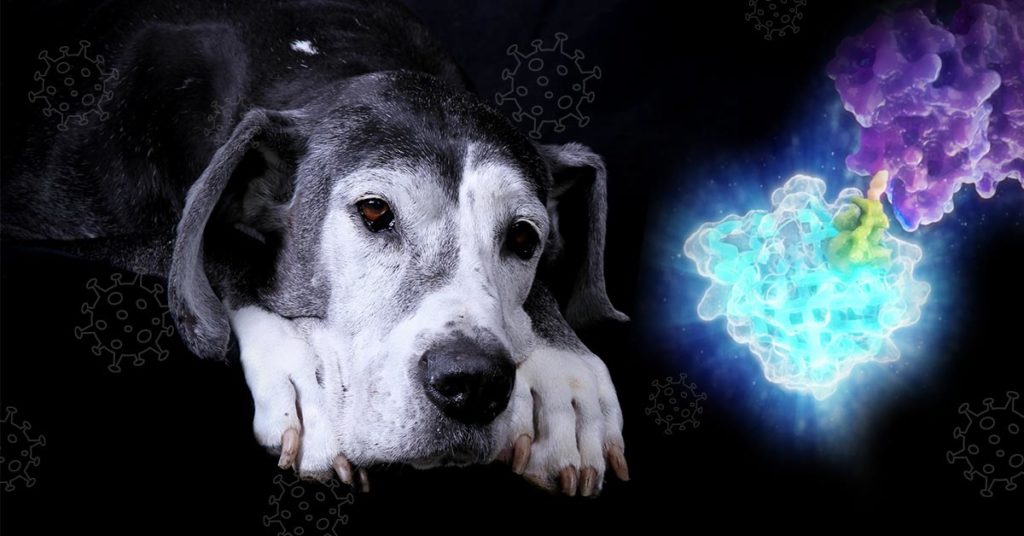
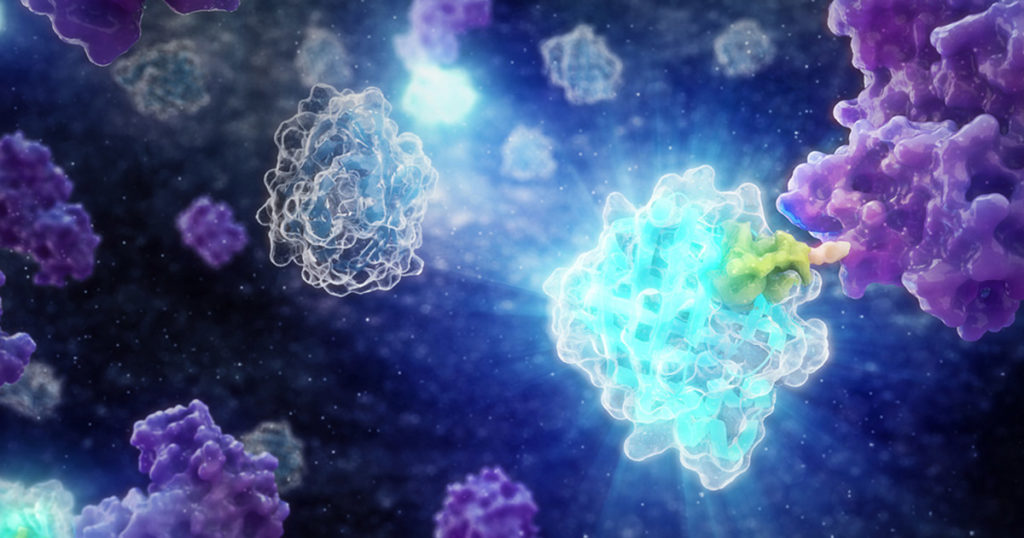
Canine distemper virus (CDV) is a highly contagious pathogen that is the etiological agent responsible for canine distemper (CD), a systemic disease that affects a broad spectrum of both domestic dogs and wild carnivores. While there are commercially available vaccines for CDV that can provide immunity in vivo and protect canines from contracting CD, there is a strong demand for effective canine distemper antivirals to combat outbreaks. Such drugs remain unavailable to date, largely due to the laborious, time-consuming nature of methods traditionally used for high-throughput drug screening of anti-CDV drugs in vitro. In a recent study published in Frontiers in Veterinary Science, researchers demonstrated a new tool for rapid, high-throughput screening of anti-CDV drugs: a NanoLucĀ® luciferase-tagged CDV.

Continue reading “Barking Up the Right Tree: Using NanoLuc to Screen for Canine Distemper Antivirals”

Targeting Glioblastoma Cells by Packaging a Lentiviral Vector Inside a Zika Virus Coat

A recent article published in Cancers demonstrates a new method for targeting glial cells using a lentiviral packaging system that incorporated Zika virus envelope proteins. By using the reporter gene firefly luciferase, researchers demonstrated that a pseudotyped virus could infect cultured glioblastoma cells.

Introduction

Viruses enjoy a fearsome reputation. SARS-CoV-2 is only the latest infectious agent that has garnered attention by becoming a worldwide pandemic. Even the viral name suggests that SARS-CoV-2 was not the first of its type [SARS-CoV is the virus behind the severe acute respiratory syndrome (SARS) that spread worldwide in the early 2000s]. There are many different families of viruses (e.g., coronavirus for SARS-CoV-2 or lentiviruses for HIV-1) and each show a preference to the cell types they want to infect. By investigating the life cycle of viruses to better understand their mechanisms, researchers can discover new opportunities that may be exploited.

In 2015 and 2016, the virus that concerned health authorities was Zika virus (ZIKV). While this virus generally caused mild disease, the babies of women who were infected during pregnancy were at increased risk for microcephaly and other brain defects. These defects were traced back to Zika virus infecting nerve tissue, specifically, glial cells. This discovery provided an opportunity to explore how Zika virus might affect the brain tumor, glioblastoma multiforme (GMB), especially the glioblastoma stem cells (GSCs) that resist conventional treatment and contribute to the poor prognosis for GMB. Studies suggested that Zika virus infection prolonged survival in animal glioma models and selectively killed GSC with minimal effects on normal cells. In fact, the molecules used by ZIKV to enter cells were predominantly found on tumors, not normal cells. Knowing that the ZIKV envelope proteins prM and E provide the target specificity for glial cells, Kretchmer et al. wanted to explore if ZIKV envelope proteins substituted in lentivirus packaging systems would be able to enter glioblastoma cells.

Continue reading “Targeting Glioblastoma Cells by Packaging a Lentiviral Vector Inside a Zika Virus Coat”


How A New SARS-CoV-2 Wastewater Testing Kit is Helping Campuses Reopen

The fall of 2020 was like no other, especially for universities. The COVID-19 pandemic hit most of the world in the spring, forcing schools and businesses to close. For months, people worked from home and schools switched to online classes. When fall came, universities had a difficult decision to make. Do they have students and staff come back to campus for in-person classes? With students living together in close proximity in dormitories, an outbreak could quickly get out of hand. How can the university monitor and control the spread of the virus to ensure everyone’s safety?

This was when Robert Brooks started getting calls. He’s the Technical Director and Operations Manager at Microbac Laboratories in Oak Ridge, Tennessee. Microbac is a network of privately owned laboratories that provide testing services for food products, environmental samples and the life science industry. Robert has been in the lab industry for 25 years and has established a reputation for taking on difficult problems. ā€œWe really try to go that extra mile to help clients solve their issues. That has made a name for us out there. When people have odd-ball issues, they give us a call cause we’re going to take a look at it from a couple different viewpoints and take a step-by-step approach,ā€ he says.

Continue reading “How A New SARS-CoV-2 Wastewater Testing Kit is Helping Campuses Reopen”

New Bioluminescent Sensor Can Detect Multiple Antibodies in a Single Drop of Blood

nanoluc invivo imaging

Antibody tests are often used to determine whether individuals have been exposed to certain bacteria or viruses. For most existing antibody tests, the process goes something like this: A vial of blood is drawn from the individual, the vial is sent to a lab, then a trained technicians performs the antibody test and sends back the results. The current process is less than ideal for a few reasons. For one, blood draws are invasive and can be painful. Also, getting results could take days, due to the time required to deliver and process the sample. Lastly, costs can be high, since the need for trained professionals and specialized instruments in laboratory settings adds to the cost of each test.

What if all you needed to do for an antibody test was apply a single drop of blood onto a thin piece of film, and you would get results on the spot within five minutes? Scientists have recently developed an antibody test based on bioluminescent technology that could make this a reality. They describe their findings in a recent study published in ACS Sensors.

Continue reading “New Bioluminescent Sensor Can Detect Multiple Antibodies in a Single Drop of Blood”

A Closer Look at C. difficile Biology with Luminescent Tagging

Clostridium difficile is a bacterium that infects around half a million people per year in the United States. The infection causes symptoms ranging from diarrhea to severe colitis, and it’s one of the most common infections contracted while staying in the hospital. As the global incidence of C. diff infection has risen over the past decade, so has the pressure to develop novel therapeutic strategies. This requires a thorough exploration of all aspects of C. difficile biology.

Two recent papers published by researchers at the University of Leiden have shed light on C. difficile physiology using HiBiT protein tagging. The HiBiT system allows detection of proteins in live cells using an 11 amino acid tag. The HiBiT tag binds to the complementary LgBiT polypeptide to reconstitute the luminescent NanoBiTĀ® enzyme. The resulting luminescence is proportional to the amount of HiBiT-tagged protein that is present.

Continue reading “A Closer Look at C. difficile Biology with Luminescent Tagging”

NanoLucĀ® Luciferase: Brighter Days Ahead for In Vivo Imaging

nanoluc in vivo imaging

The development of NanoLucĀ® luciferase technology has provided researchers with new and better tools to study endogenous biology: how proteins behave in their native environments within cells and tissues. This small (~19kDa) luciferase enzyme, derived from the deep-sea shrimp Oplophorus gracilirostris, offers several advantages over firefly or Renilla luciferase. For an overview of NanoLucĀ® luciferase applications, see: NanoLucĀ® Luciferase Powers More than Reporter Assays.

The small size of NanoLucĀ® luciferase, as well the lack of a requirement for ATP to generate a bioluminescent signal, make it particularly attractive as a reporter for in vivo bioluminescent imaging, both in cells and live animals. Expression of a small reporter molecule as a fusion protein is less likely to interfere with the biological function of the target protein. NanoLucĀ® Binary Technology (NanoBiTĀ®) takes this approach a step further by creating a complementation reporter system where one subunit is just 11 amino acids in length. This video explains how the high-affinity version of NanoBiTĀ® complementation (HiBiT) works:

Continue reading “NanoLucĀ® Luciferase: Brighter Days Ahead for In Vivo Imaging”

Choices for Measuring Luciferase-Tagged Reporter Pseudotyped Viral Particles in Coronavirus Research

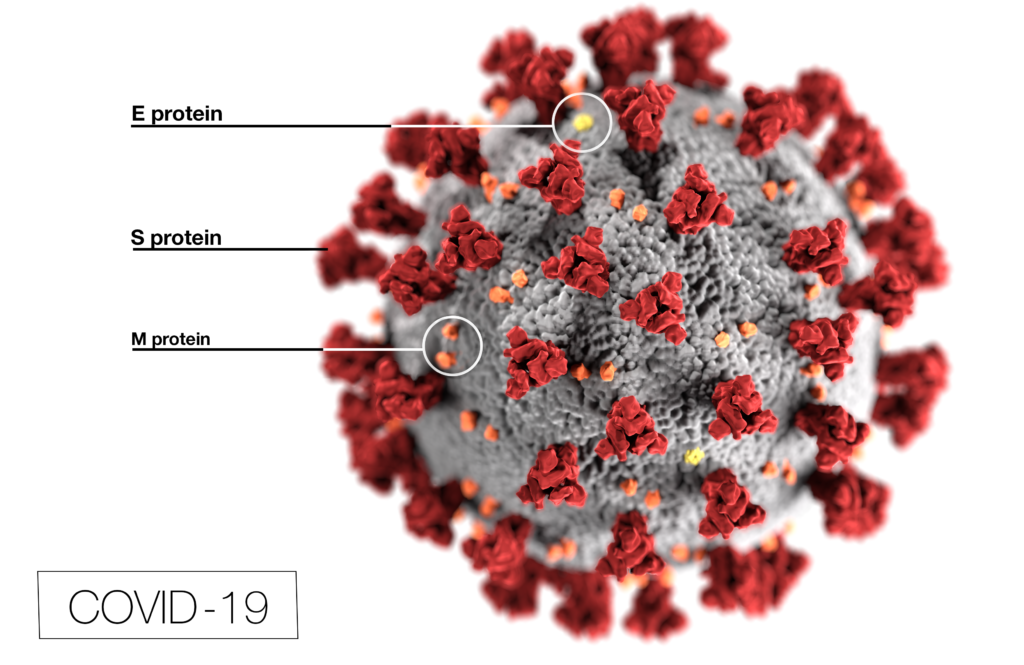
Coronavirus (CoV) researchers are working quickly to understand the entry of SARS-CoV-2 into cells. The Spike or S proteins on the surface of a CoV is trimer. The monomer is composed of an S1 and S2 domain. The division of S1 and S2 happens in the virus producing cell through a furin cleavage site between the two domains. The trimer binds to cell surface proteins. In the case of the SARS-CoV, the receptor is angiotensin converting enzyme 2. (ACE2). The MERS-CoV utilizes the cell-surface dipeptidyl peptidase IV protein. SARS-CoV-2 uses ACE2 as well. Internalized S protein goes though a second cleavage by a host cell protease, near the S1/S2 cleavage site called S2′, which leads to a drastic change in conformation thought to facilitate membrane fusion and entry of the virus into the cell (1).  

CDC / Alissa Eckert, MS; Dan Higgins, MAMS

Rather than work directly with the virus, researchers have chosen to make pseudotyped viral particles. Pseudotyped viral particles contain the envelope proteins of a well-known parent virus (e.g., vesicular stomatitis virus) with the native host cell binding protein (e.g., glycoprotein G) exchanged for the host cell binding protein (S protein) of the virus under investigation. The pseudotyped viral particle typically carries a reporter plasmid, most commonly firefly luciferase (FLuc), with the necessary genetic elements to be packaged in the particle. 

To create the pseudotyped viral particle, plasmids or RNA alone are transfected into cells and the pseudotyped viruses work their way through the endoplasmic reticulum and golgi to bud from the cells into the culture medium. The pseudoviruses are used to study the process of viral entry via the exchanged protein from the virus of interest. Entry is monitored through assay of the reporter. The reporter could be a luciferase or a fluorescent protein.   

Continue reading “Choices for Measuring Luciferase-Tagged Reporter Pseudotyped Viral Particles in Coronavirus Research”

NanoLucĀ® Luciferase Powers More than Reporter Assays

Bright NanoLucĀ® Luciferase

What can you do with a small, super bright luciferase? Amazing things. We’ve highlighted many of the papers and new applications that NanoLucĀ® luciferase has enabled on this blog. While NanoLucĀ® luciferase was first introduced as a reporter enzyme to assess promoter activity, its capabilities have expanded far beyond a genetic reporter, creating bioluminescent tools used to study endogeneous protein dynamics, target engagement, protein degradation, immunodetection and more. So where did the NanoLuc luciferase come from and how does one enzyme power so many research capabilities? Read further for a primer on the various technologies and applications developed from this enzyme over the last 10 years.

Continue reading “NanoLucĀ® Luciferase Powers More than Reporter Assays”

Tips for Successful Dual-Reporter Assays

Updated 02/12/2021

Previously, we described some of the advantages of using dual-reporter assays (such as the Dual-LuciferaseĀ®, Dual-GloĀ® Luciferase and the Nano-GloĀ® Dual-LuciferaseĀ® Systems). Another post describes how to choose the best dual-reporter assay for your experiments. For an overview of luciferase-based reporter gene assays, see this short video:

These assays are relatively easy to understand in principle. Use a primary and secondary reporter vector transiently transfected into your favorite mammalian cell line. The primary reporter is commonly used as a marker for a gene, promoter, or response element of interest. The secondary reporter drives a steady level of expression of a different marker. We can use that second marker to normalize the changes in expression of the primary under the assumption that the secondary marker is unaffected by what is being experimentally manipulated.

While there are many advantages to dual-reporter assays, they require careful planning to avoid common pitfalls. Here’s what you can do to avoid repeating some of the common mistakes we see with new users:

Continue reading “Tips for Successful Dual-Reporter Assays”

Striking Fear into the Heart of Cardiovascular Disease Using Zebrafish and NanoLucĀ® Luciferase

Representative images of ApoB-LP localization in zebrafish across developmental, genetic, pharmacological and dietary manipulations.
Credit: Figure 5.D of The LipoGlo reporter system for sensitive and specific monitoring of atherogenic lipoproteins by James Thierer, Stephen C. Ekker and Steven A. Farber.
Article licensed under Creative Commons Attribution 4.0 International License.

Cardiovascular diseases, or CVDs, are collectively the most notorious gang of cold-blooded killers threatening human lives today. These unforgiving villains, including the likes of coronary heart disease, cerebrovascular disease and pulmonary embolisms, are jointly responsible for more deaths per year than any other source, securing their seat as the number one cause of human mortality on a global scale.

One of the trademarks of most CVDs is the thickening and stiffening of the arteries, a condition known as atherosclerosis. Atherosclerosis is characterized by the accumulation of cholesterol, fats and other substances, which together form plaques in and on the artery walls. These plaques clog or narrow your arteries until they completely block the flow of blood, and can no longer supply sufficient blood to your tissues and organs. Or the plaques can burst, setting off a disastrous chain reaction that begins with a blood clot, and often ends with a heart attack or stroke.

Given the global prevalence and magnitude of this problem, there is a significant and urgent demand for better ways to treat CVDs. In a recent study published in Nature Communications, researchers at the Carnegie Institution for Science, Johns Hopkins University and Mayo Clinic are taking the fight to CVDs through the study of low-density lipoproteins (LDLs), the particles responsible for shuttling bad cholesterol throughout the bloodstream.

Continue reading “Striking Fear into the Heart of Cardiovascular Disease Using Zebrafish and NanoLucĀ® Luciferase”