The weather is warming up (at least in the Northern Hemisphere). There is nothing more refreshing on a hot summer day than a dip in cool lake waters, so people everywhere are digging out their swimsuits and hitting the beach. Unfortunately, the same warm temperatures that drive us to the beach can also cause a potentially deadly overgrowth of blue-green algae —also called harmful algal blooms (HABs)—in the water of our favorite pond or lake.
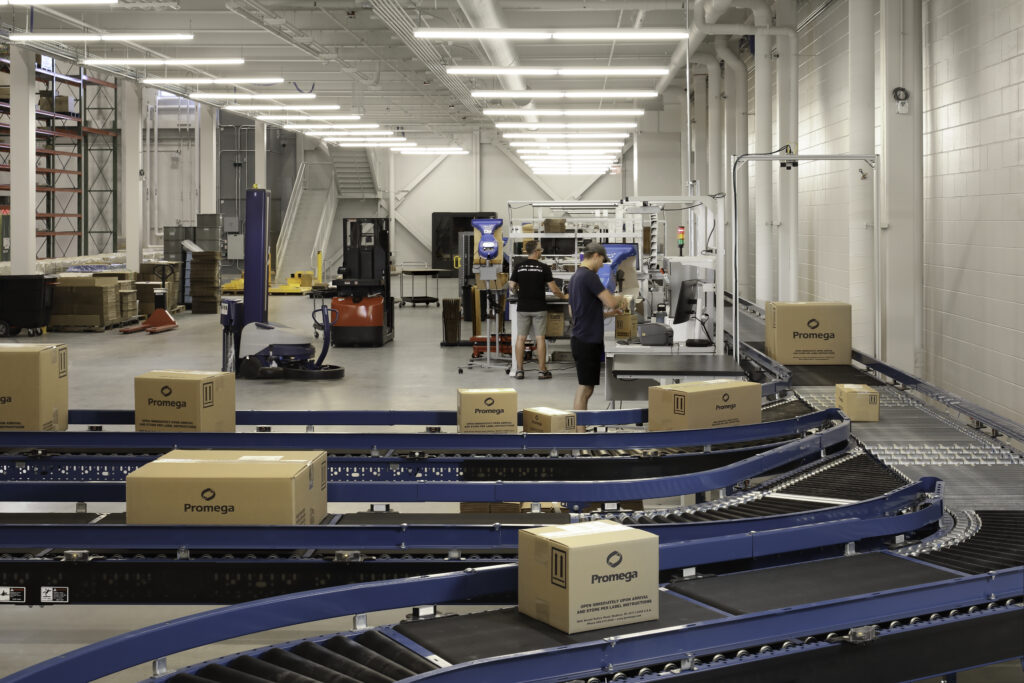
Each week, thousands of parcels are shipped to customers from Kepler Center in Madison, WI.
We’re all used to the convenience of online ordering, whether it’s a last-minute birthday gift or a phone charger delivered overnight. That same ease and speed is what scientists expect when ordering critical reagents for their work. At Promega, we get that. That’s why we pledge: You’ll get what you need, when you need it.
For customers in the United States, any order received by 4:00 pm will be delivered the next day. We measure our success in honoring this pledge using a metric called “order fill rate.” Our global order fill rate is consistently above our benchmark of 94.5%, sometimes passing 98%.
But how does that actually happen? With thousands of orders leaving our warehouse every week, it takes more than just good intentions. Here’s a look behind the scenes at how our teams deliver on that promise.
We hear a lot of stories about AI tools helping people complete tasks more quickly, or automating menial or redundant tasks. However, Promega isn’t just interested in speeding things up. We’re focused on leveraging AI tools to help us do things better. All over the organization, employees are leveraging large language models (LLMs) and machine learning systems to accomplish things that weren’t possible before, or to make their work more effective against their goals.
Three employees shared their recent successes, including strengthening supervisory skills, scaling up production processes and training new team members. Each of these examples uses AI in a unique way, while still elevating human expertise, creativity and decision-making.
This post is guest-written by Diana Clark, Sr Benefits Manager, Promega
Promega Benefits Manager Diana Clark advocates for policies that support the specific needs of caregivers.
My personal caregiving journey began in my late-30s while raising young children and caring for a terminally ill parent. This period gave me firsthand experience into how difficult it can be to balance all of those responsibilities. I learned about the impossible choices caregivers face, and the toll it can take on a person’s physical, emotional and professional wellbeing.
That personal experience has become a cornerstone of my work as a benefits manager advocating for meaningful, compassionate policies that truly support our employees.
At Promega, we believe people bring their whole selves to work. Supporting caregivers isn’t just an act of kindness – it’s an investment in our people and culture.
On April 5, 2025, Dr. David R. Liu stood in the spotlight at the Barker Hangar in Santa Monica, California, to receive the Breakthrough Prize in Life Sciences—one of the most prestigious honors in science. Dubbed the “Oscars of Science,” the Breakthrough Prizes were launched in 2012 by tech philanthropists including Sergey Brin, Mark Zuckerberg and Priscilla Chan, Yuri and Julia Milner and Anne Wojcicki. These prizes recognize groundbreaking achievements in life sciences, physics, and mathematics, with each laureate receiving a $3 million award—more than twice the amount of a Nobel Prize.
The winners are selected by panels of previous Breakthrough Prize recipients, ensuring peer-driven recognition. The annual ceremony brings together not only the best minds in science but also celebrities, filmmakers, and tech industry leaders, creating an uncommon crossover between pop culture and research, in an effort to bring more public attention as well as funding to scientific achievement.
Dr. Liu was honored for inventing base editing and prime editing, technologies that allow precise, programmable rewriting of DNA to correct mutations linked to genetic disease—without introducing double-stranded breaks. These tools have rapidly transitioned from the bench to the clinic, with at least 15 clinical trials currently underway worldwide targeting diseases like sickle cell anemia, T-cell leukemia, and others.
Luciferase reporter assays are essential tools in molecular and cellular biology, offering sensitive and quantitative means to study gene expression, transcriptional regulation, signal transduction pathways, and cellular responses to various stimuli. With multiple luciferase reporters and detection reagents available, how do you know which one fits your specific workflow or readout needs?
Choosing a reporter and detection system that aligns with your experimental goals helps you tailor your luciferase reporter assay for the most meaningful results. This blog post will help you navigate the options and key considerations.
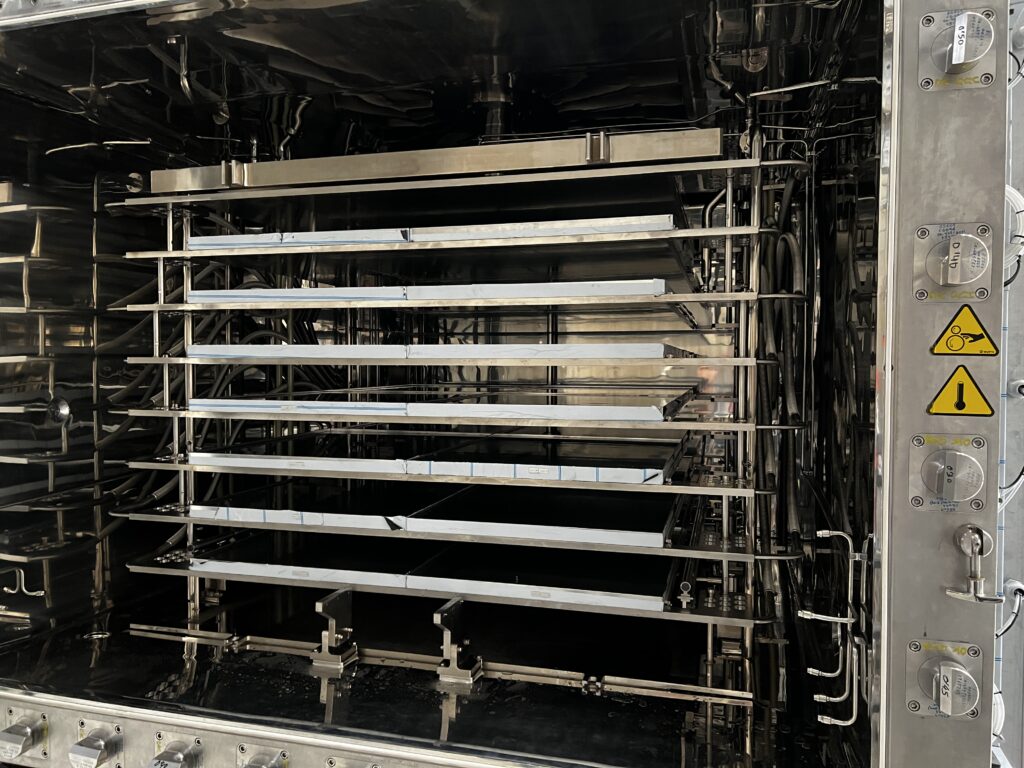
The new lyophilization equipment will more than double the lyophilization capacity of Promega Madison.
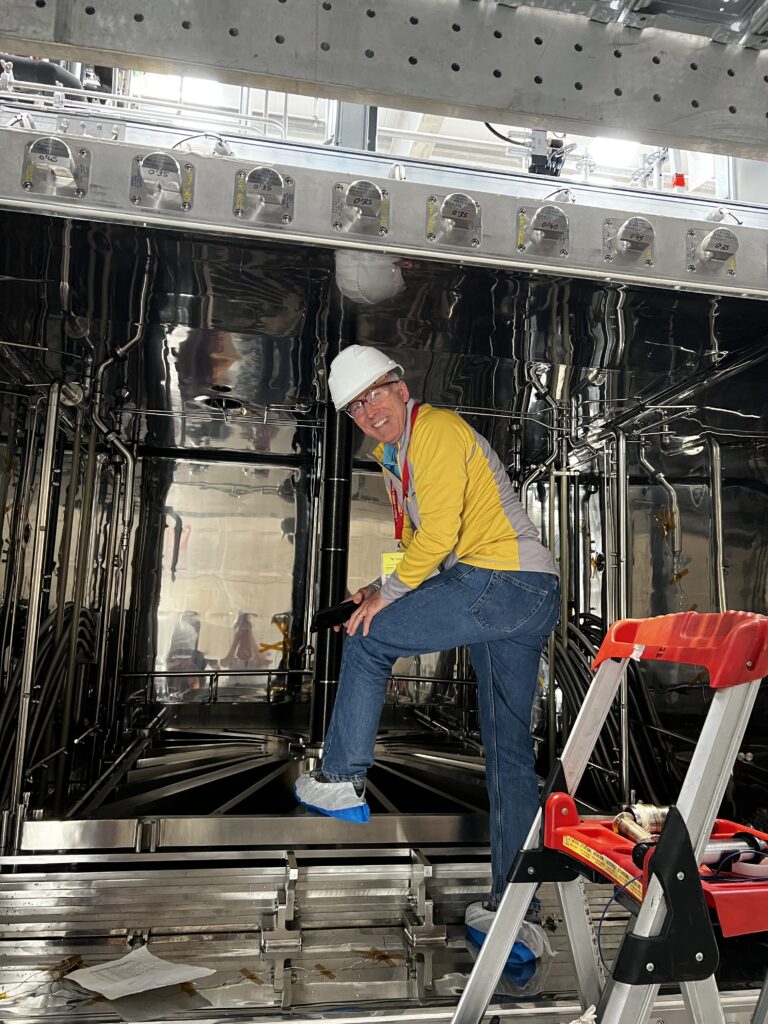
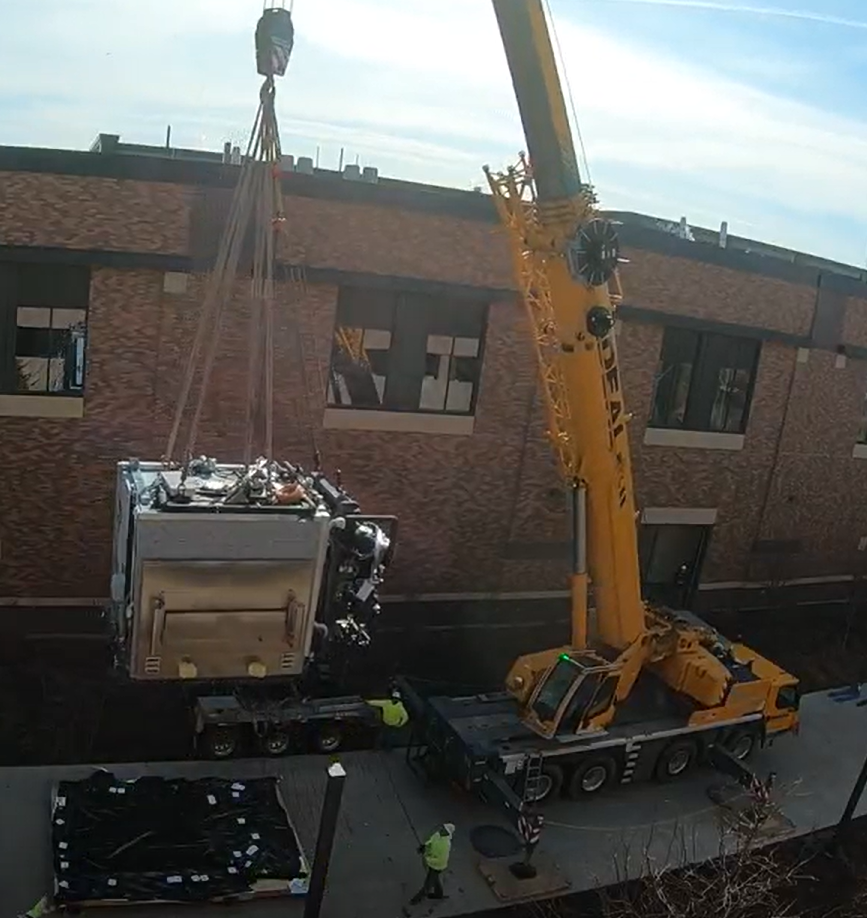
On March 12, 2025, a 46,000-pound stainless-steel chamber made a five-hour journey through Feynman Center to its final resting place in the brand-new Fill-Lyophilize-Finish suite. This massive piece of equipment will more than double the lyophilization capacity at Promega Madison, safeguarding the continuity of production and opening new frontiers in product formulation.
Lyophilization provides scientists with increased stability, enhanced flexibility and protection against error. Promega has been lyophilizing reagents in-house since the mid-1990s, and demand has steadily grown over time. The recent expansion reflects the company’s commitment to anticipating scientists’ future needs and planning for the long term.
Why is Lyophilization Important?
Lyophilization, also known as freeze-drying, provides a variety of benefits in the lab. For example, lyophilized reagents can typically be stored at higher temperatures, and they offer longer stability.
Stuart Forsyth inspects the lyophilization chamber during its installation.
“Lyophilized product also gives you added flexibility in how you tailor your reagents to your specific need,” says Stuart Forsyth, Sr Process Validation Engineer at Promega. “Whether you’re reconstituting with a buffer, water or even a sample, you’re able to alter the assay’s concentration and formulation in ways that are impossible with liquid formulations.”
Promega also offers lyophilization for customers working with Promega to manufacture custom products. The flexibility helps many labs, especially diagnostics, ensure that the final reagent maximizes efficiency and ease of use for point-of-care applications.
“Especially if you’re lyophilizing the whole assay in one, you’re removing a lot of potential for mistakes by the user that would result in product failure,” says Terri McDonnell, Director of Global Custom & OEM Commercial Development. “Lyophilization capabilities are powerful tools to have in your toolbox as you try to formulate a reagent for minimal risk of misuse or mistakes.”
Expanding Lyophilization at Promega Madison
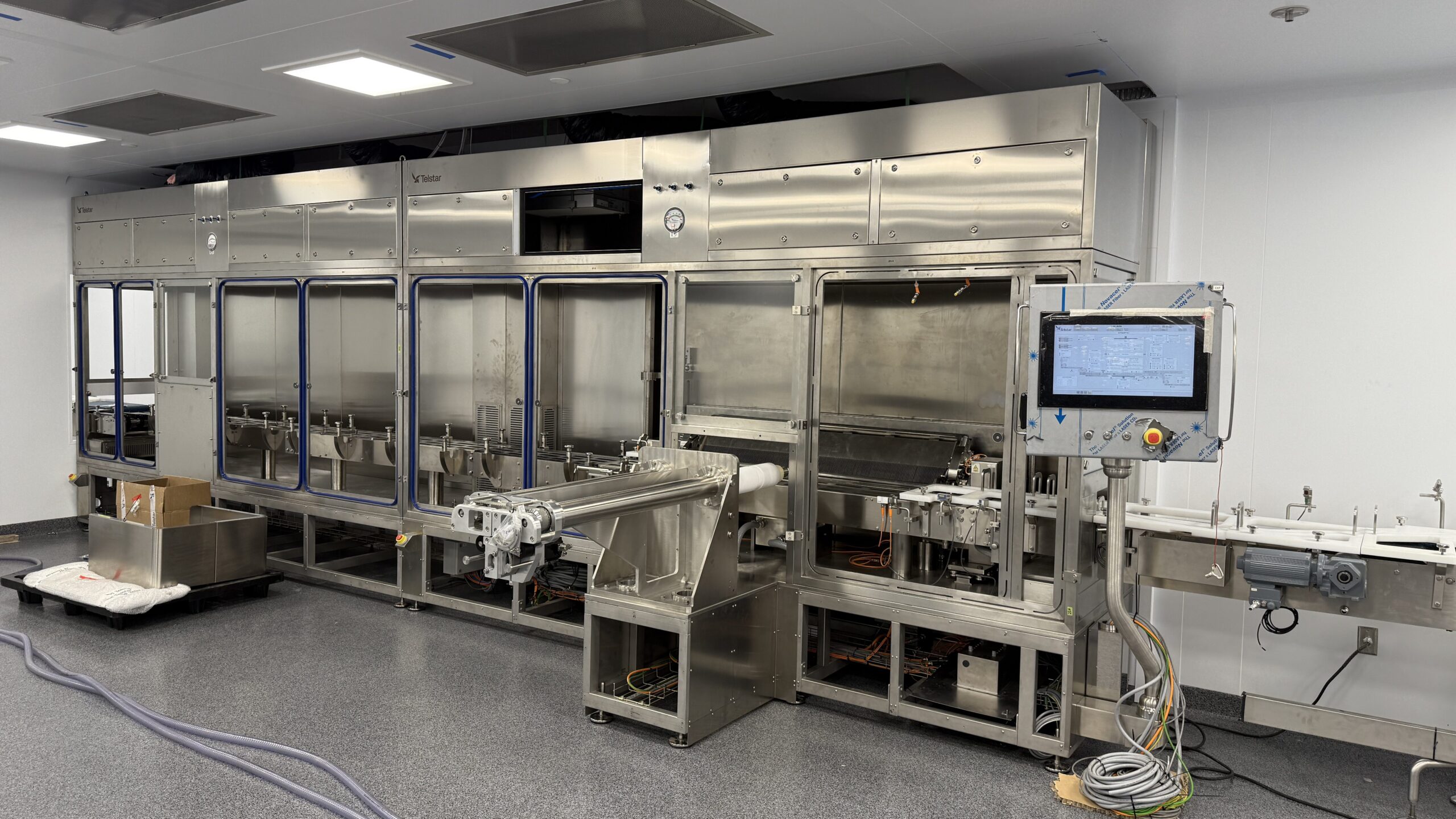
The new lyophilizer will primarily be used with 10ml vials and 100ml bottles, but it can process numerous other formats.
Promega Operations closely monitors the throughput capacity of all critical processes. For years, the team has projected that manufacturing would outgrow the existing lyophilization capacity sometime in the mid-2020s. The project to build out the empty suite in Feynman Manufacturing Center began in 2021, and it will start producing products for sale in early 2026.
The new lyophilizer nearly doubles the throughput capacity of Promega Madison. It will primarily be used with 10ml vials and 100ml bottles, but the line can also handle 2ml and 3ml vials and large LyoGuard trays for bulk powder production. At this point, the team plans to primarily use the Feynman suite for high-demand catalog products like CellTiter-Glo, creating flexibility to use the older lines for custom products and other smaller demands.
Continuity, Collaboration and Creativity
The new lyophilization suite will have several significant impacts for scientists using Promega reagents.
First, the new lyophilization line creates additional redundancy to ensure that key products are continuously available. The huge increase in capacity means that if one lyophilizer is down for maintenance, the others can handle picking up the slack. The new suite also features the current state-of-the-art automation technology, minimizing any risks for contamination or human error that would disrupt high-quality production.
The lyophilizer is unloaded by crane outside Feynman Manufacturing Center.
For customers working with Promega on custom orders, the new lyophilizer gives Promega more flexibility to collaborate with customers on finding the right formulation for their needs, all within the established quality system.
“We partner with a wide range of customers seeking to adapt or customize our technologies for specific applications,” says Terri McDonnell. “As the primary manufacturer of most of our products, and with the addition of new lyophilization capabilities, we can offer expanded scale and format options. Because these activities are performed in-house, we maintain greater control over quality and supply chain logistics, helping to ensure the consistent and reliable delivery of products.”
Finally, the additional capacity means that high-volume products can be manufactured less frequently by scaling up batch sizes. This frees up human resources to explore process improvements and dedicate more time to work outside of the production workflow. Kris Pearson, Director of Manufacturing Sciences and Custom operations, says the smaller equipment can serve as a sandbox where teams can test creative ideas.
“We’ll have more opportunity to work with R&D on new product development, and to dive deep into new cycles and what that can mean for our custom capabilities,” she says. “We can play around with new formats and processes to find new ways of offering a great product for every custom customer.”
Long-Term Planning and Strategy
As a private company, Promega isn’t beholden to short-term gains. Leadership prioritizes decisions that support future needs, while building in room to adapt to changes in the scientific landscape.
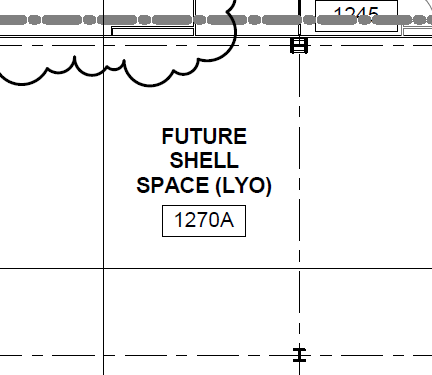
The architectural drawings of Feynman Manufacturing Center show the suite earmarked for lyophilization as early as 2012, before the building was constructed.
“When we started designing Feynman Manufacturing Center, we said we wanted 30% of the square footage to be frontier space,” says Jen Romanin VP of Global Support and IVD Operations, and key member of the Global Planning Team. “This space would give us future flexibility in where new features would be installed.”
Sometimes needs are forecasted far in advance – for example, the architectural drawings of Feynman Manufacturing Center dated February 2012 show the new suite was already earmarked for Lyophilization almost a decade before the construction project began. Other spaces are left intentionally unlabeled as a nod to the unknown needs that will emerge over time. Whatever arises, the flexibility and foresight built into Promega facilities will position the team to respond quickly – and build a high-quality solution – without having to break new ground.
“I think this says two things about us,” says Chuck York, Vice President of Operations at Promega. “First, it says we’re pretty confident we’re going to be here for a long time. Secondly, it says that no matter what happens between now and then, we want to make sure we’re prepared.”
Today’s blog is written by guest blogger, Kai Hillman, Associate Product Marketing Manager at Promega.
RNA therapeutics have revolutionized modern medicine, offering groundbreaking solutions for diseases that were once deemed untreatable. These innovative treatments harness the power of RNA molecules to correct genetic anomalies and modulate protein expression, paving the way for personalized medicine. Among the many facets of RNA biology, double-stranded RNA (dsRNA) plays a pivotal role in cellular processes and immune surveillance.
In 2000 measles was officially declared eliminated in the United States (1), meaning there had been no disease transmission for over 12 months. Unfortunately, recent years have shown us it was not gone for good. So far in 2025 there have been 6 outbreaks and 607 cases. Five hundred and sixty-seven of these cases (93%) are associated with an outbreak; seventy-four (12%) cases have resulted in hospitalization, and there has been one confirmed death, with another death under investigation (as of April 3, 2025; 2). For comparison, there were two hundred and eighty-five total cases in 2024; one hundred and ninety-eight (69%) were associated with outbreaks; one hundred and fourteen (40%) cases resulted in hospitalization. There were no deaths (2).
Help in Limiting a Dangerous Childhood Disease
Before the development of a vaccine in the 1960s, measles was practically a childhood rite of passage. This common childhood disease is not without teeth however. One out of every 20 children with measles develops pneumonia, 1 out of every 1,000 develops encephalitis (swelling of the brain), and 1 to 3 of every 1,000 dies from respiratory and neurological complications (3). In the years before a vaccine was available, it is estimated that there were between 3.5 and 5 million measles cases per year. (4). The first measles vaccine was licensed in the U.S. by John Enders in 1963, and not surprisingly, after the measles vaccine became widely used, the number of cases of measles plummeted. By 1970, there were under 1,000 cases (2).
Decreased Childhood Mortality from Other Infectious Diseases—An Unexpected Benefit
Surprisingly, with the disappearance of this childhood disease the number of childhood deaths from all infectious diseases dropped dramatically. As vaccination programs were instituted in England and parts of Europe, the same phenomenon was observed. Reduction or elimination of measles-related illness and death alone can’t explain the size of the decrease in childhood mortality. Although measles infection is associated with suppression of the immune system that will make the host vulnerable to other infections, these side effects were assumed to be short lived. In reality, the drop in mortality from infectious diseases following vaccination for measles lasted for years, not months (5).
Three of the most common metrics in drug discover are Kd, IC50 and EC50. At first glance it can seem that they measure the same thing, but they don’t. Kd measures how tightly a molecule or compound binds to its target. IC50 measures inhibition of a function and conversely, EC50 measures activation or induction of a response. Confusing these values can lead to misinterpretation of assay results and costly rework. Let’s take a closer look at each one.
XWe use cookies and similar technologies to make our website work, run analytics, improve our website, and show you personalized content and advertising. Some of these cookies are essential for our website to work. For others, we won’t set them unless you accept them. To learn more about our approach to Privacy we invite you to Read More
By clicking “Accept All”, you consent to the use of ALL the cookies. However you may visit Cookie Settings to provide a controlled consent.
We use cookies and similar technologies to make our website work, run analytics, improve our website, and show you personalized content and advertising. Some of these cookies are essential for our website to work. For others, we won’t set them unless you accept them. To find out more about cookies and how to manage cookies, read our Cookie Policy.
If you are located in the EEA, the United Kingdom, or Switzerland, you can change your settings at any time by clicking Manage Cookie Consent in the footer of our website.
Necessary cookies are absolutely essential for the website to function properly. These cookies ensure basic functionalities and security features of the website, anonymously.
Cookie
Duration
Description
cookielawinfo-checbox-analytics
11 months
This cookie is set by GDPR Cookie Consent plugin. The cookie is used to store the user consent for the cookies in the category "Analytics".
cookielawinfo-checbox-functional
11 months
The cookie is set by GDPR cookie consent to record the user consent for the cookies in the category "Functional".
cookielawinfo-checbox-others
11 months
This cookie is set by GDPR Cookie Consent plugin. The cookie is used to store the user consent for the cookies in the category "Other.
cookielawinfo-checkbox-advertisement
1 year
The cookie is set by GDPR cookie consent to record the user consent for the cookies in the category "Advertisement".
cookielawinfo-checkbox-necessary
11 months
This cookie is set by GDPR Cookie Consent plugin. The cookies is used to store the user consent for the cookies in the category "Necessary".
cookielawinfo-checkbox-performance
11 months
This cookie is set by GDPR Cookie Consent plugin. The cookie is used to store the user consent for the cookies in the category "Performance".
gdpr_status
6 months 2 days
This cookie is set by the provider Media.net. This cookie is used to check the status whether the user has accepted the cookie consent box. It also helps in not showing the cookie consent box upon re-entry to the website.
lang
This cookie is used to store the language preferences of a user to serve up content in that stored language the next time user visit the website.
viewed_cookie_policy
11 months
The cookie is set by the GDPR Cookie Consent plugin and is used to store whether or not user has consented to the use of cookies. It does not store any personal data.
Analytical cookies are used to understand how visitors interact with the website. These cookies help provide information on metrics the number of visitors, bounce rate, traffic source, etc.
Cookie
Duration
Description
SC_ANALYTICS_GLOBAL_COOKIE
10 years
This cookie is associated with Sitecore content and personalization. This cookie is used to identify the repeat visit from a single user. Sitecore will send a persistent session cookie to the web client.
vuid
2 years
This domain of this cookie is owned by Vimeo. This cookie is used by vimeo to collect tracking information. It sets a unique ID to embed videos to the website.
WMF-Last-Access
1 month 18 hours 24 minutes
This cookie is used to calculate unique devices accessing the website.
_ga
2 years
This cookie is installed by Google Analytics. The cookie is used to calculate visitor, session, campaign data and keep track of site usage for the site's analytics report. The cookies store information anonymously and assign a randomly generated number to identify unique visitors.
_gid
1 day
This cookie is installed by Google Analytics. The cookie is used to store information of how visitors use a website and helps in creating an analytics report of how the website is doing. The data collected including the number visitors, the source where they have come from, and the pages visted in an anonymous form.
Advertisement cookies are used to provide visitors with relevant ads and marketing campaigns. These cookies track visitors across websites and collect information to provide customized ads.
Cookie
Duration
Description
IDE
1 year 24 days
Used by Google DoubleClick and stores information about how the user uses the website and any other advertisement before visiting the website. This is used to present users with ads that are relevant to them according to the user profile.
test_cookie
15 minutes
This cookie is set by doubleclick.net. The purpose of the cookie is to determine if the user's browser supports cookies.
VISITOR_INFO1_LIVE
5 months 27 days
This cookie is set by Youtube. Used to track the information of the embedded YouTube videos on a website.
Performance cookies are used to understand and analyze the key performance indexes of the website which helps in delivering a better user experience for the visitors.
Cookie
Duration
Description
YSC
session
This cookies is set by Youtube and is used to track the views of embedded videos.
_gat_UA-62336821-1
1 minute
This is a pattern type cookie set by Google Analytics, where the pattern element on the name contains the unique identity number of the account or website it relates to. It appears to be a variation of the _gat cookie which is used to limit the amount of data recorded by Google on high traffic volume websites.