Life on Mars? Proteomic Secrets of Bacterial Survival in Martian Brines

Could bacteria survive on Mars? While images of the red planet might spark thoughts of barren landscapes and lifeless deserts, Mars holds a fascinating possibility: under suitable conditions, pockets of salty, perchlorate-rich brines could temporarily form on or near its surface. These brines are formed by salts that naturally absorb water from their surroundings. By lowering the temperature at which water freezes, these salts can stabilize liquid water, raising intriguing questions about the potential for microbial life. But what exactly would it take for bacteria to survive there? New research from Kloss et al. published in Scientific Reports sheds light on this cosmic question.

Continue reading “Life on Mars? Proteomic Secrets of Bacterial Survival in Martian Brines”

World Wildlife Conservation Day: Reflecting on the Role of Science in Protecting Threatened or Endangered Species and Ecosystems  

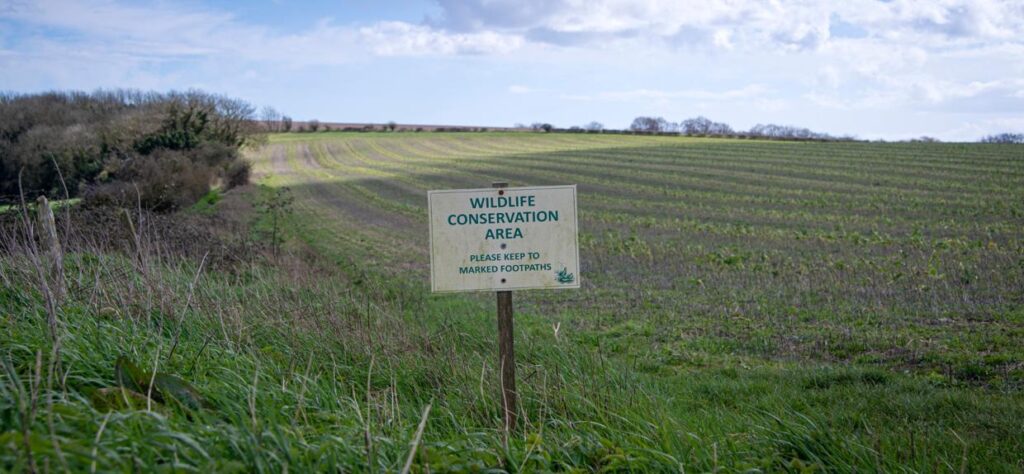
A sign reading “Wildlife Conservation Area — Please keep to marked footpaths” stands in the foreground of a grassy field, with rows of young crops and a line of trees under a partly cloudy sky.

December 4 marks World Wildlife Conservation Day, a day set aside to highlight global efforts to protect endangered species and preserve the biodiversity and ecosystems that sustain our planet. It is an opportunity to call attention to the serious threats posed by wildlife crimes, such as poaching and illegal trafficking, and a time to stand together against ongoing dangers to wildlife and their habitat.  

Every organism, from myxozoans to blue whales, has a place in the delicate balance of ecosystems. When these systems become unstable, the impact can be far reaching—affecting anything from crop loss and soil fertility to water and air quality. This World Wildlife Conservation Day we want to reflect on the role science can play in understanding and protecting the wildlife and ecosystems that support us all.  

Continue reading “World Wildlife Conservation Day: Reflecting on the Role of Science in Protecting Threatened or Endangered Species and Ecosystems  “

How The OceanOmics Centre is Using the Maxwell RSC to Scale eDNA Biodiversity Monitoring

This blog is written by guest blogger Ben Rushton, Application Specialist/Territory Manager at Promega Australia.

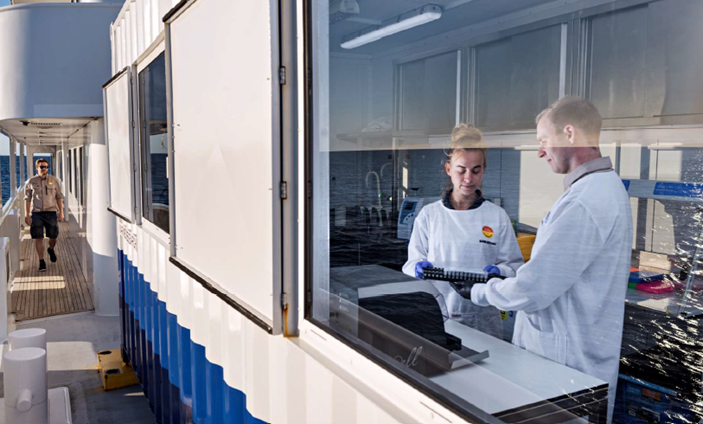
When you’re monitoring marine biodiversity at scale, every drop of seawater tells a story. At Minderoo OceanOmics Centre at the University of Western Australia, scientists are uncovering that story through environmental DNA (eDNA)—and automation is helping them listen more clearly.

Laura Missen, a Scientific Officer at OceanOmics Centre, shares how automating their DNA extraction workflow with the Maxwell® RSC 48 system has transformed how they gather and interpret data from marine ecosystems.

(Image credit: Giacomo d’Orlando / Ronin_Lab)
Continue reading “How The OceanOmics Centre is Using the Maxwell RSC to Scale eDNA Biodiversity Monitoring”

Avoid the Summertime Blue-Greens— Know about Cyanobacteria Before You Hit the Water

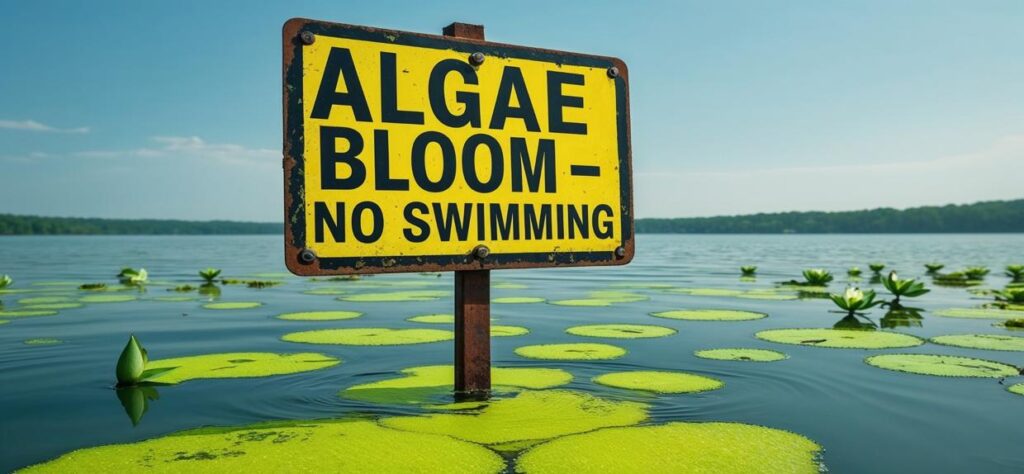
Warning sign reading "ALGAE BLOOM – NO SWIMMING" posted in a lake with visible green algae floating on the water's surface, surrounded by lily pads and aquatic plants under a clear blue sky.

The weather is warming up (at least in the Northern Hemisphere). There is nothing more refreshing on a hot summer day than a dip in cool lake waters, so people everywhere are digging out their swimsuits and hitting the beach. Unfortunately, the same warm temperatures that drive us to the beach can also cause a potentially deadly overgrowth of blue-green algae —also called harmful algal blooms (HABs)—in the water of our favorite pond or lake.

Continue reading “Avoid the Summertime Blue-Greens— Know about Cyanobacteria Before You Hit the Water”

Can Fungi Help Clean Up Environmental Contaminants? 

Fly agaric or Fly amanita (Amanita muscaria) is a basidiomycete of the genus Amanita.

Polycyclic aromatic hydrocarbons (PAHs) are widespread environmental pollutants found in industrial waste, fossil fuel combustion and creosote-treated wood, to name a few. Due to these industrial activities, there are multiple pathways for human exposure. These compounds pose significant health risks due to their carcinogenic, teratogenic and mutagenic properties yet removing them from contaminated sites remains a challenge. Traditional remediation techniques, such as dredging and chemical treatment, are costly and can further disrupt ecosystems (1).  

Mycoremediation—using fungi to break down pollutants into intermediates with lower environmental burden—offers a sustainable, low-cost alternative for PAH degradation. While past research focused on basidiomycete fungi like white rot fungi, these have been unreliable in large-scale field applications. This study investigates an alternative approach: leveraging naturally occurring ascomycete fungi from creosote-contaminated sediments to enhance PAH degradation (1). 

Continue reading “Can Fungi Help Clean Up Environmental Contaminants? “

No More Dead Ends: Improving Legionella Testing with Viability qPCR

Image of cooling towers.

Legionella is the causative agent of Legionnaires’ disease, a severe form of pneumonia with a mortality rate of around 10%​. Contaminated water systems, including cooling towers and hot water systems, serve as primary reservoirs for this opportunistic pathogen. Traditional plate culture methods remain the regulatory standard for monitoring Legionella, but these methods are slow—often requiring 7–10 days for results—and suffer from overgrowth by non-Legionella bacteria​. Additionally, traditional methods fail to detect viable but non-culturable (VBNC) bacteria—cells that remain infectious but do not grow on standard culture media. 

Molecular methods like PCR-based detection provide faster and more sensitive Legionella identification. However, a key limitation persists: PCR detects DNA from both live and dead bacteria, leading to false positives and unnecessary or even wasteful remediation efforts​. To address this challenge, Promega has developed a viability qPCR method that retains the speed of molecular testing while distinguishing viable bacteria from non-viable remnants. In this third blog in our Legionella blog series, we cover how molecular detection methods can be refined to provide actionable results for Legionella monitoring. 

Continue reading “No More Dead Ends: Improving Legionella Testing with Viability qPCR”

Understanding Stress Resilience in Tomatoes: Insights Into the Role of PP2C Genes

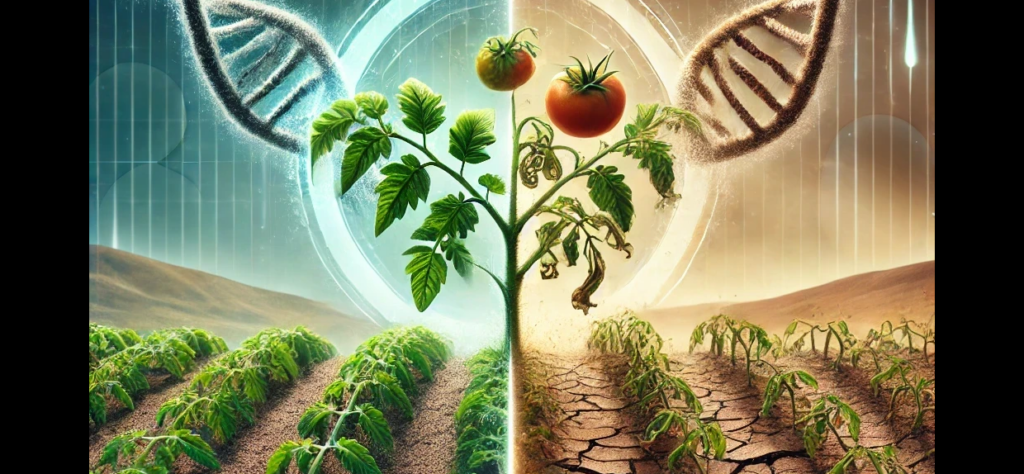
An illustration of a tomato plant divided between normal and drought conditions. This study looks at the role of PP2C in stress response.

As climate change accelerates, understanding how crops survive environmental stress isn’t just an academic question—it’s a critical challenge for global food security. Tomatoes (Solanum lycopersicum), a staple crop worldwide, face increasing threats from drought, salinity, and extreme temperatures. But how do these plants adapt at the molecular level?

A recent study published in Scientific Reports ​investigated the evolutionary history, genomic diversity, and functional roles of protein phosphatase 2C (PP2C) genes in tomatoes (1). Instead of merely cataloging these genes, the researchers analyzed how PP2C gene expression changes under environmental stress. This information could help inform us about crop improvement strategies.

Continue reading “Understanding Stress Resilience in Tomatoes: Insights Into the Role of PP2C Genes”

How Promega Supports Sustainable Science

What is ACT and why does it matter?

The ACT label stands for Accountability, Consistency and Transparency. The ACT label provides information on the environmental impact of life science products to help researchers make informed choices about the products they use in their labs. ACT was developed by the non-profit organization My Green Lab, in collaboration with the International Institute for Sustainable Laboratories (I2SL).

The ACT label is one of the most comprehensive product labels for the life sciences. It measures the environmental impact of a product across four categories: manufacturing, user impact, end of life, and innovation. The criterion was developed with input from industry leaders, scientists, manufacturers, and sustainability directors. Most categories are scored on a scale from 1 to 10; 10 being the highest score. Other values are assigned a yes/no value or in some instances, a specific value per day (ex. kWh/day). The Environmental Impact Factor (EIF) is the summation of these categories. The varying energy usage and distinct reports across global markets has resulted in separate awards for different world regions. By choosing products with the ACT label, researchers can align their purchasing behaviors with any goals of reducing their environmental footprint and support sustainable practices in the life science industry.

Continue reading “How Promega Supports Sustainable Science”

Automated Sampling and Detection of ToBRFV: An Emerging Tomato Virus 

Tomatoes affected by a virus, showing the yellow and brown spots characteristic of ToBRFV.

In the Spring of 2015, greenhouse tomato plants grown in Jordan presented with a mosaic pattern of light and dark green patches on leaves, narrowing leaves, and yellow- and brown-spotted fruit (Salem et al. 2015). The pathogen was identified as a novel plant virus, the tomato brown rugose fruit virus (ToBRFV), and the original outbreak was traced back to the fall of 2014 to Israel (Luria et al. 2017).  This newly emerging virus can infect tomato and pepper plants at any stage of development and greatly affect crop yield and quality. Furthermore, the virus spreads rapidly by mechanical contact but can also be spread over long distances by contaminated seeds (Caruso et al. 2022), and as of 2022 it had been detected in 35 countries across four continents (Zhang et al. 2022).  Compounding its transmissibility, is the ability of the virus escape plant genetic resistance to viral infection (Zhang et al. 2022). There are seven host plants for the virus, including some common grasses and weeds, which could act as a reservoir for the virus, even if it is eliminated from commercial crops. Some researchers consider ToBRFV to be the most serious threat to tomato production in the world. 

Continue reading “Automated Sampling and Detection of ToBRFV: An Emerging Tomato Virus “

Rooted in Resilience: The Future of Pest-Resistant Crops

Sunlight illuminating crops growing in a field

Farmers everywhere strive to protect their crops and ensure a stable food supply while minimizing environmental harm. A promising approach to achieving this leverages a plant’s built-in defense mechanisms, reducing the need for chemical interventions. Many geneticists and agronomists lean on technologies that can automate and streamline nucleic acid extraction and pathogen detection to identify naturally pest resistant crops and, ultimately, keep up with the changing agricultural landscape.  

Continue reading “Rooted in Resilience: The Future of Pest-Resistant Crops”