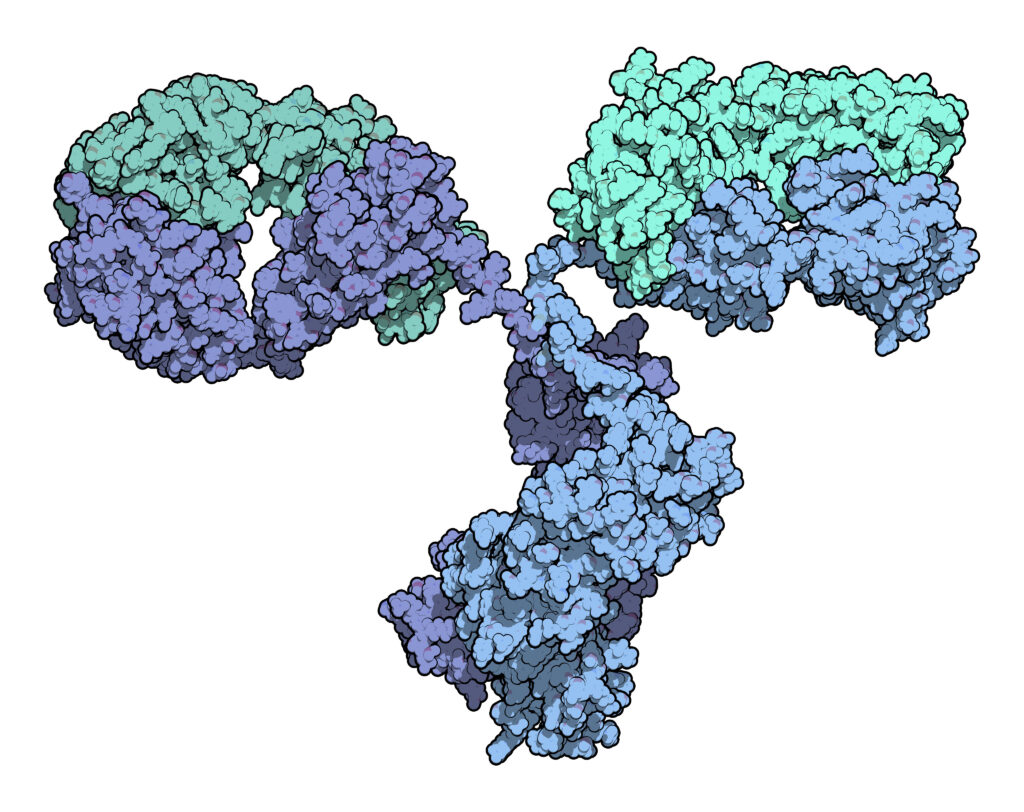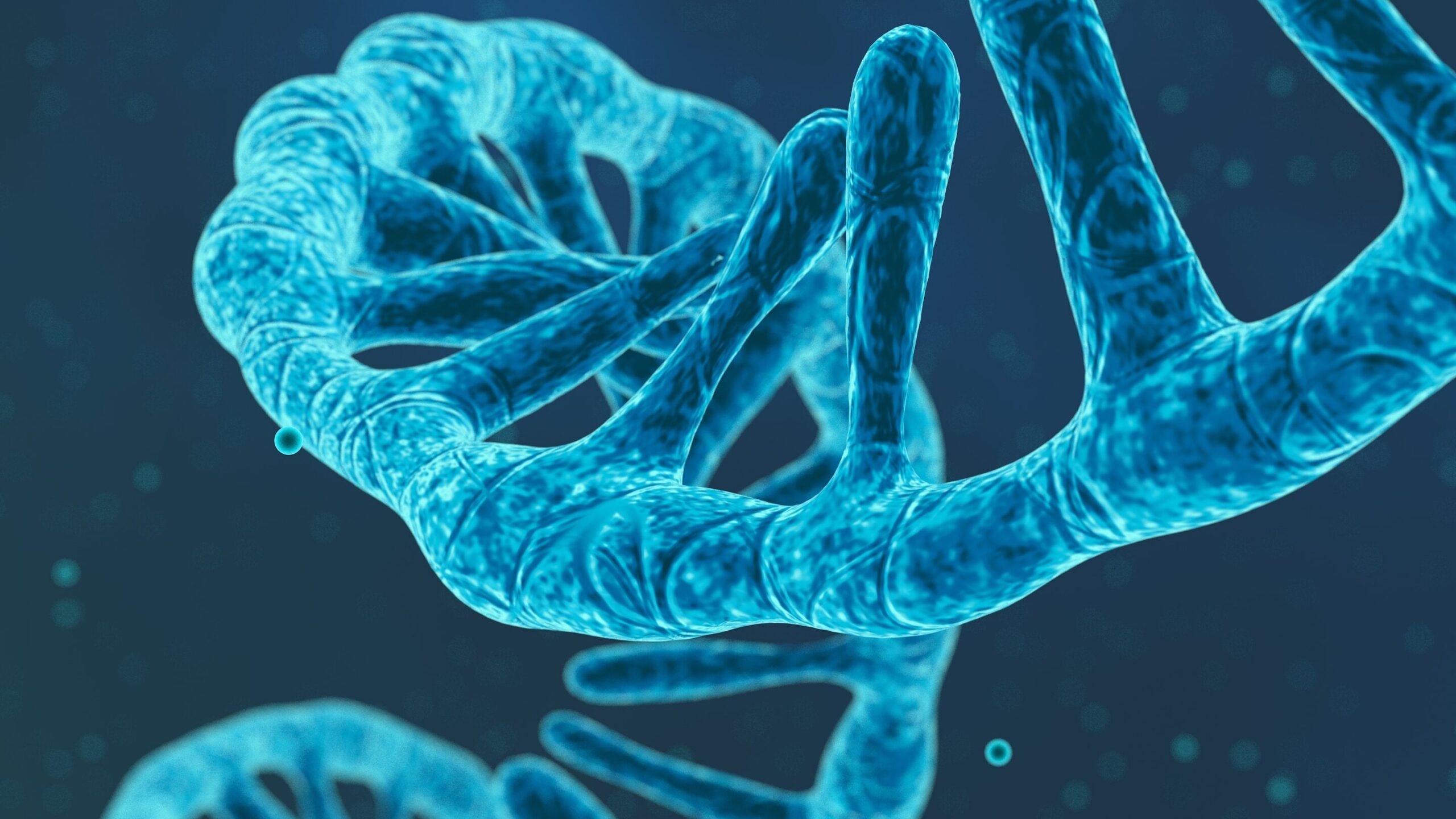
Sequence to Substance: Making the mRNA Therapeutic

mRNA-based therapeutics are being explored across a range of applications, including vaccines, protein replacement and immunotherapies (2).

Before any formulation decisions enter the picture, teams need confidence in the RNA itself: that it is the right sequence, right properties and the right purity to behave predictably downstream. That is where it helps to separate drug substance from drug product. The drug substance is the active ingredient intended to deliver a pharmacological effect, while drug product is the finished dosage form that contains that ingredient (6).

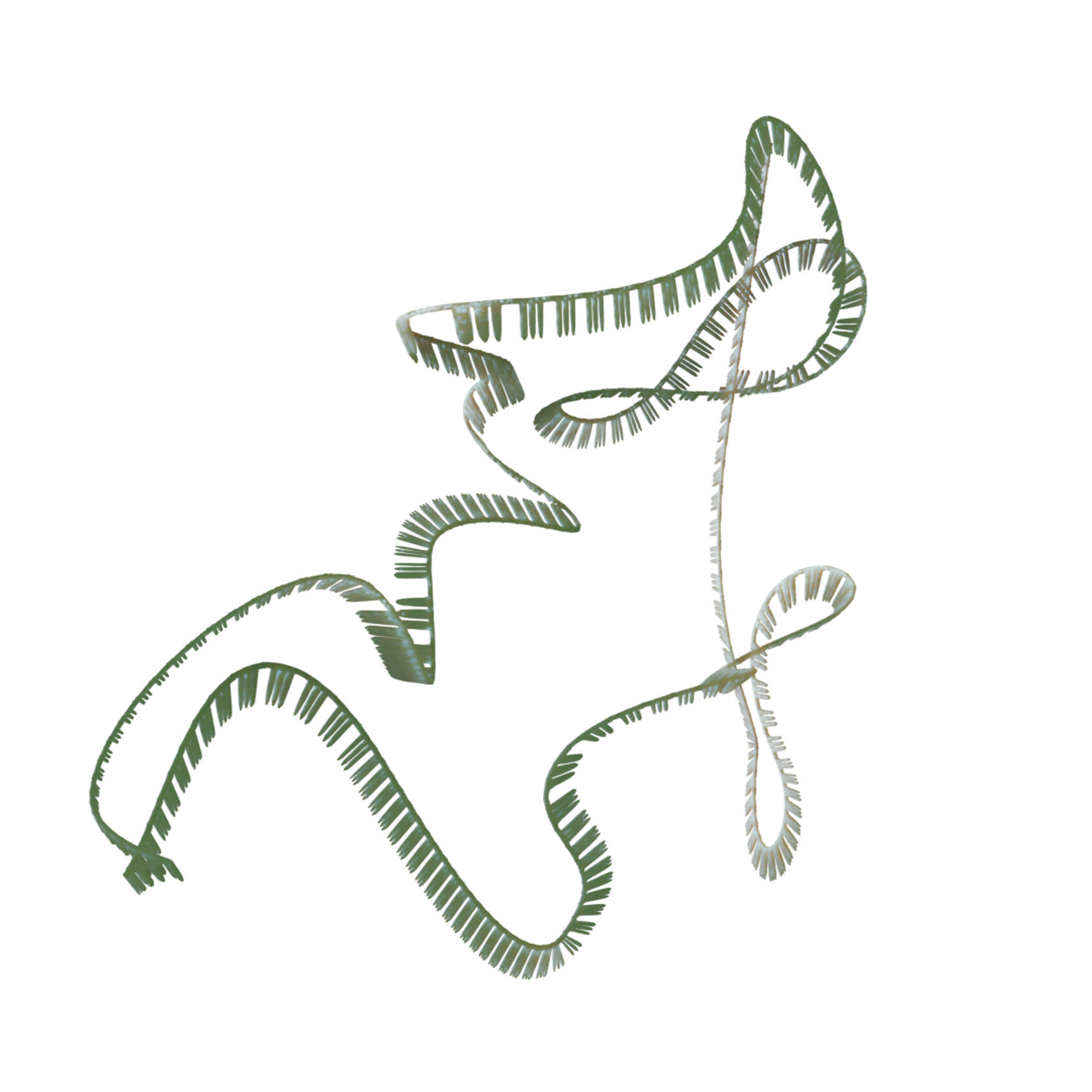
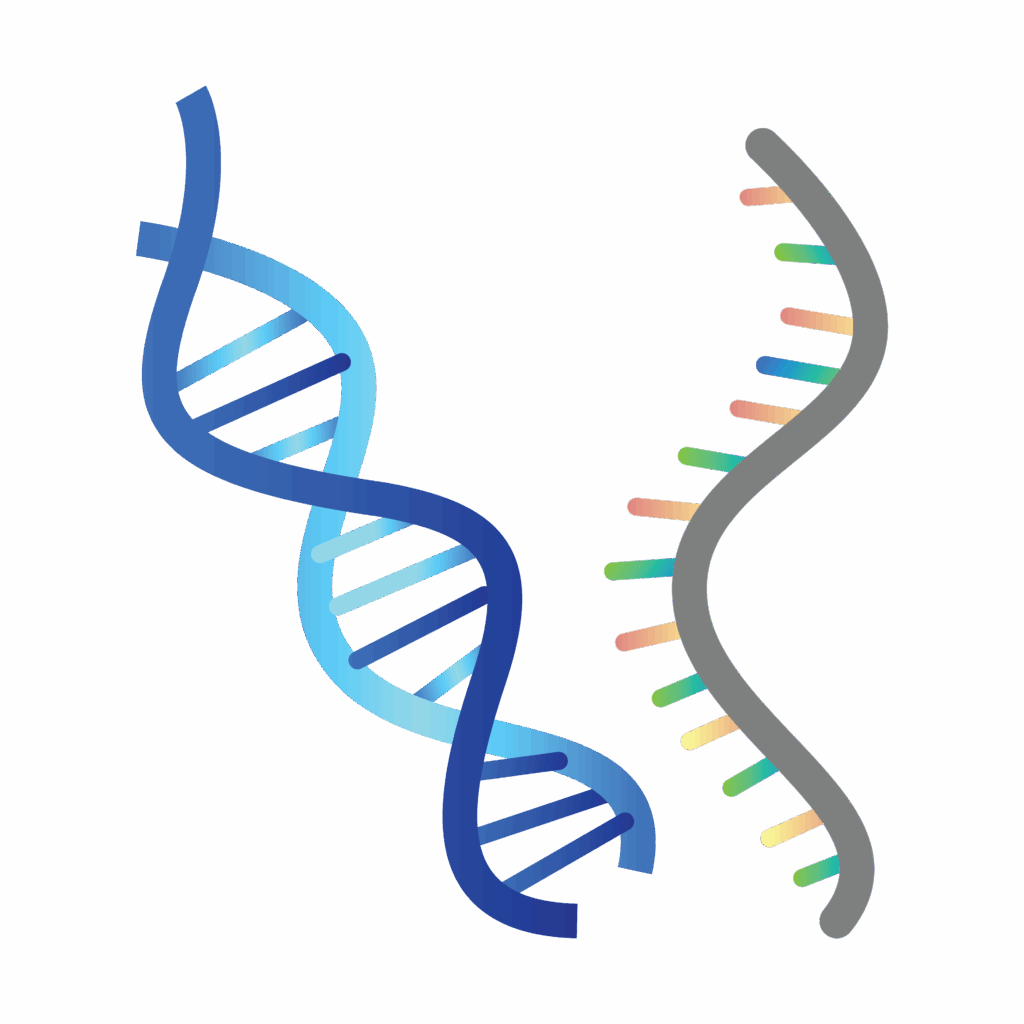
This post focuses on what happens upstream, making the mRNA drug substance before formulation. In practical terms, that upstream work spans choosing an mRNA construct, producing it by IVT, and then purifying and analyzing the product so it has the desired quality attributes (5).

Continue reading “Sequence to Substance: Making the mRNA Therapeutic”

The Science of Slipping… Blame the Molecules!

Whether it’s Home Alone’s booby-trapped icy steps, Bambi learning his legs have zero traction, or an Ice Age chase scene defying gravity, ice has been comedy gold for decades. In real life, the joke lands a little harder (sometimes literally).

Slippery Ice

We all know ice is slippery. The more surprising part is why it’s slippery and how long it took scientists to start agreeing on something closer to an answer. Researchers have long known the surface of ice behaves like it’s wearing a microscopic “wet” layer that lubricates motion. What they’ve argued about for nearly 200 years is what creates that layer in the first place (3,4).

So, let’s treat this like a mystery. Ice is the crime scene. Your dignity is the victim. Here are the main suspects.

Continue reading “The Science of Slipping… Blame the Molecules!”

Ancient RNA From a Woolly Mammoth?

Most of us first meet woolly mammoths as Manny from Ice Age (a gentle giant with main character energy) or as towering skeletons in museum halls. In the lab, though, mammoths can show up in many ways: such as fragile molecules preserved in permafrost for tens of thousands of years.

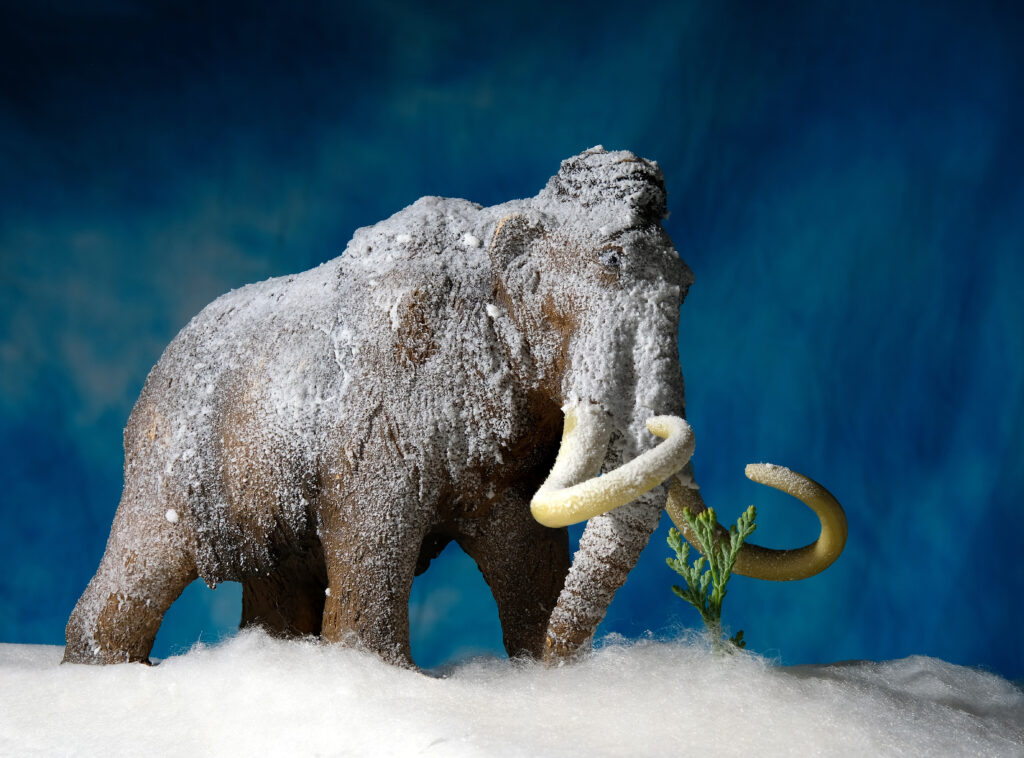
Woolly Mammoth

Ancient DNA has already helped scientists piece together mammoth genomes. Now scientists have done something wilder: they’ve pulled ancient RNA out of a ~39,000-year-old woolly mammoth and used it to see which genes were being expressed in its muscle tissue. In a new study, researchers showed that not only can woolly mammoth DNA survive tens of thousands of years in permafrost, but RNA, the fragile, quick-to-degrade “live feed” of the cell, can too.

Continue reading “Ancient RNA From a Woolly Mammoth?”

How Calcium Shapes Cell Communication and Invasion

Platelets are best known for their role in blood clotting, but they also participate in other biological processes that influence how cells communicate and behave. In research models, scientists have observed that tumor cells can interact with platelets in ways that affect how they move and attach to new environments. A recent study by Morris et al., published in Scientific Reports, explored the molecular details behind these platelet–cell interactions and the role of calcium in regulating them.

The Role of Integrins and Calcium

The study focused on integrins, which are surface proteins that help cells anchor to their surroundings and communicate with the extracellular matrix. Two integrins, αIIbβ3 and αvβ3, are particularly important because they mediate platelet–platelet and platelet–cancer cell binding. Their structure and function depend on divalent cations such as calcium, which stabilize receptor conformation and support ligand binding.

When extracellular calcium levels were manipulated, platelet behavior changed in distinct ways.

Continue reading “How Calcium Shapes Cell Communication and Invasion”

Do Mosquitoes Have a Taste for Beer?

Festival season is here—and apparently, mosquitoes got tickets too.

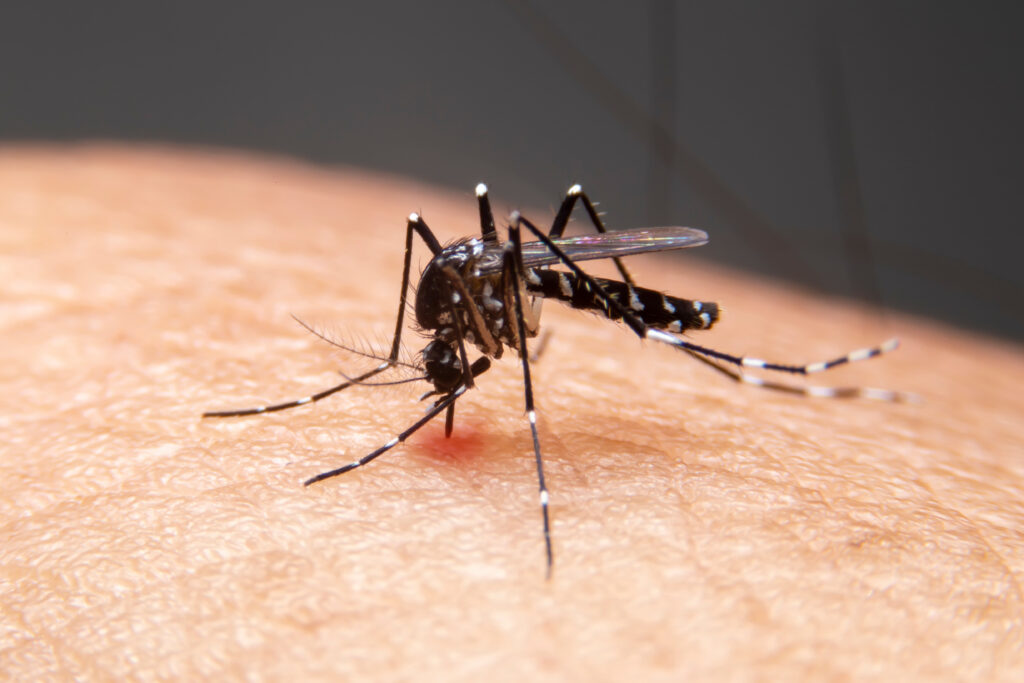
If you have ever been the person in your friend group who ends a summer concert covered in large, itchy welts while everyone else goes home bite-free, you are not imagining things. Some people really are mosquito magnets.

Mosquito bite

A new study, aptly titled “Blood, Sweat, and Beers,” set out to uncover what makes certain humans irresistible to mosquitoes. But instead of a sterile lab or a rainforest expedition, this experiment took place at one of the Netherlands’ biggest music festivals; Lowlands, a three-day party with 65,000 attendees, questionable hygiene and plenty of beer. In other words: the perfect breeding ground for this science experiment.

Continue reading “Do Mosquitoes Have a Taste for Beer?”

Exploring How NEAT1 Shapes Granulosa Cell Function

Granulosa Cells

Granulosa cells (GCs), which surround and support developing oocytes, play a critical role in estrogen production, follicle maturation and overall ovarian health (3). Their ability to regulate hormone production and cell survival makes them a central focus in studies of ovarian biology.

A recent study investigated how the long non-coding RNA (lncRNA) NEAT1 regulates GC function and mapped a pathway that links NEAT1 expression to cell proliferation, apoptosis and hormone production (1).

Continue reading “Exploring How NEAT1 Shapes Granulosa Cell Function”

Why mRNA Transfection Is Transforming Transient Expression Workflows

Transfection is a core technique in molecular biology used to introduce foreign nucleic acids—such as DNA, RNA, or small RNAs like siRNA, shRNA, and miRNA—into eukaryotic cells. This enables researchers to manipulate gene expression and study cellular processes, disease mechanisms and therapeutic strategies (1).

Advances in transfection technology now support a range of nucleic acid types and cell models. Researchers can pursue transient or stable expression to achieve specific goals: knocking down transcripts, expressing proteins, or probing promoter activity in systems from immortalized lines to stem cells (1).

Continue reading “Why mRNA Transfection Is Transforming Transient Expression Workflows”

5 Questions to Ask When Your RT-qPCR Isn’t Working

RT-qPCR

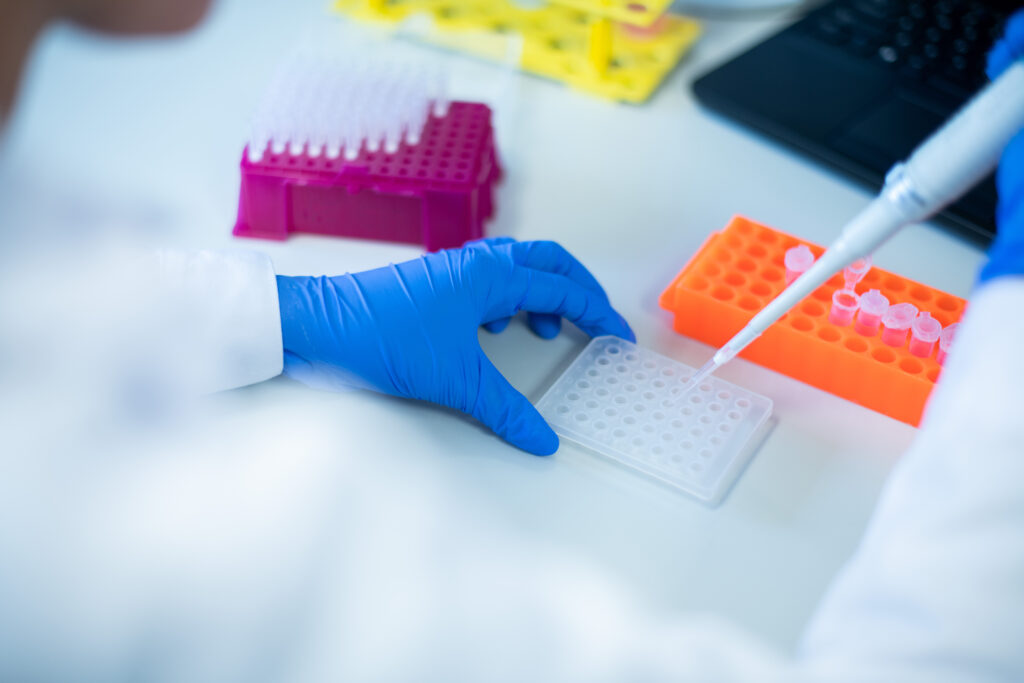
RT-qPCR (reverse transcription quantitative PCR) is a powerful technique for quantifying RNA expression—but it doesn’t always cooperate. Even when you’ve followed the protocol carefully, unexpected results can appear: flat curves, unexpected Cq values, or inconsistent replicates. When that happens, you’re left wondering… what went wrong?

In this blog, we’ll walk through five key questions to help you troubleshoot RT-qPCR issues with confidence. From common errors to more stubborn challenges, we’ll also explore what to consider when technique isn’t fully the problem—and when it might be time to rethink your reagents.

Continue reading “5 Questions to Ask When Your RT-qPCR Isn’t Working”

What’s Hiding in Your Mussels? 

mussels

Fresh mussels might be a delicacy in many parts of the world, but a new study from Italy suggests they could also be carriers of something much less appetizing: infectious viruses and antibiotic resistance genes (ARGs). Published in Food and Environmental Virology, Venuti et al. (2025) investigated 60 mussel batches originating from the Campania (Southern Italy), Lazio and Puglia regions—and what they found raises important questions about food safety and environmental monitoring. 

Continue reading “What’s Hiding in Your Mussels? “

Conjugate Like a Pro: Simplifying Antibody Labeling with On-Bead Conjugation 

Antibody, On-bead conjugation

Labeled antibodies are indispensable tools in research and clinical diagnostics, used in everything from cell imaging and ELISAs to immunotherapies and ADC development. But if you’ve ever tried labeling antibodies the traditional way—purify, buffer exchange, conjugate, purify again—you know it can be tedious and time-consuming. That’s where on-bead conjugation steps in with a solution. 

Continue reading “Conjugate Like a Pro: Simplifying Antibody Labeling with On-Bead Conjugation “