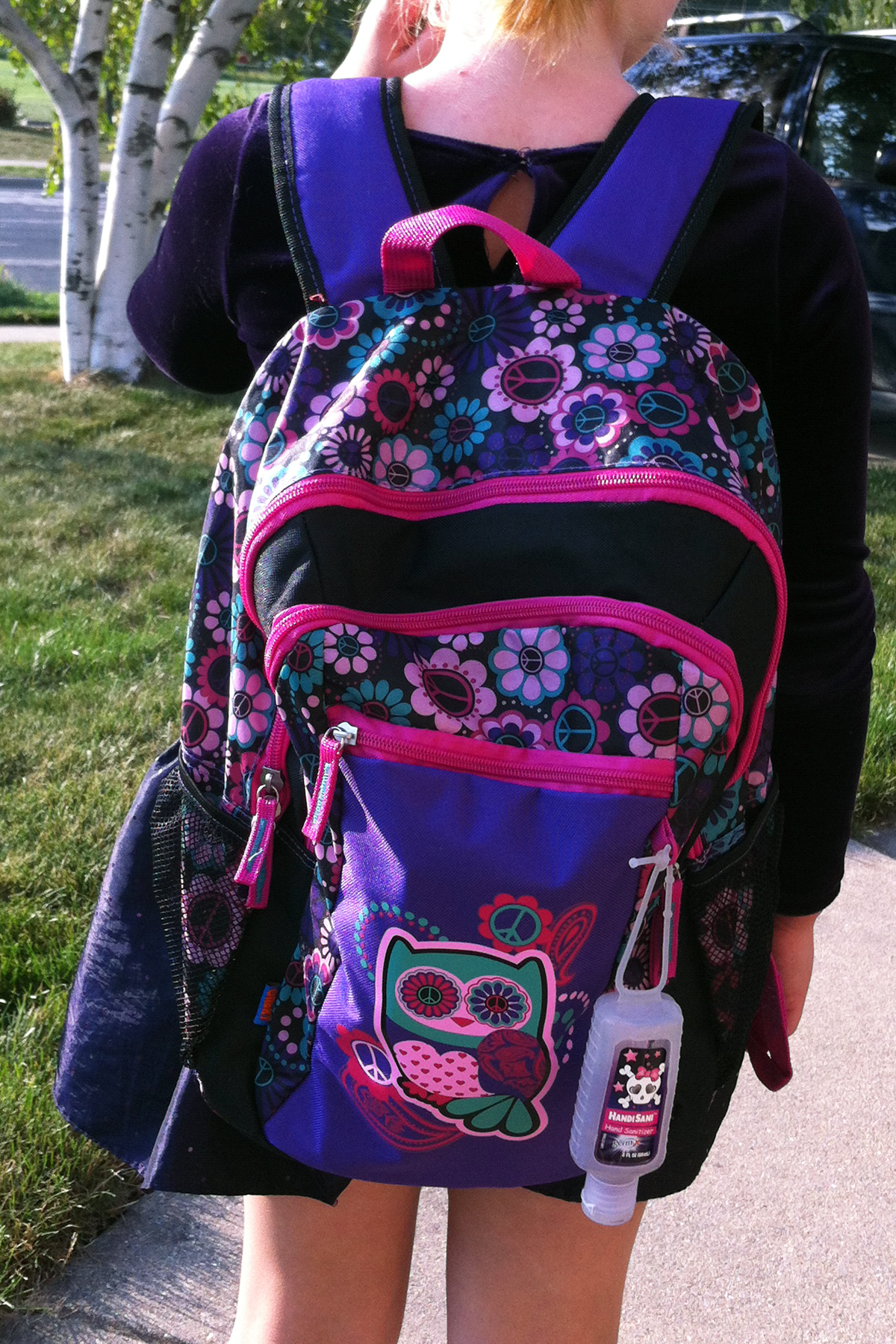
 My daughter has been actively planning her birthday for about three weeks now (and she still has almost two months to wait). At the top of her wish list this year? Hand sanitizer. As my kids headed back to school this week, I noticed that one of the most popular pieces of backpack “bling” among her little friends was little bottles of: you guessed it, hand sanitizer. In bright colored silicone covers, with yummy sounding scents, little bottles of hand sanitizer bounced along on the backpacks of a lot of the youngsters walking into the school.
The first thought that might come into your head is “Wow. Those kids are going to be so healthy. All those nasty germs might as well look elsewhere for victims.” And you would be at least partially right. Proper hand hygiene can decrease the transmission of cold viruses as well as other germs, and hand sanitizer can play a part in good hand hygiene when it is used properly and in the right quantity.
What hand sanitizer can not do is take the place of washing hands. It does not, for instance, remove dirt or other contaminants. (Although it can help smear the dirt around so that it forms a more evenly dispersed layer, prompting your child to claim their hands have been cleaned). Hand sanitizers also will not effectively eliminate nonenveloped viruses such as the norovirus. These are the nasty little things that are responsible for the majority of acute gastrointestinal illnesses. (1,2,3). In fact, using hand sanitizers may actually increase the spread of these viruses if it results in a decrease of hand washing with soap and water.
Hand sanitizers that are most effective contain ethyl alcohol (62% to 95% concentration), benzalkonium chloride, salicylic acid, pyroglutamic acid, and triclosan. These ingredients, while making the sanitizers effective against some germs, also dry out the skin and destroy some to the naturally existing fauna on the skin, which gives other germs a chance to take hold. An example is Clostridium difficile. This gram-positive, spore-forming bacteria can cause severe intestinal upset and diarrhea when competing bacteria in the digestive track have been wiped out by antibiotics. A 2010 study found that some people who were over reliant on sanitizers had C. difficile spores colonizing on their hands (4).
C. difficile infections are probably not a big risk for the average school-age child, but the example highlights the fact that hand sanitizers are not the silver bullet of hand hygiene that they are sometimes portrayed to be. The center for Disease Control and Prevention (CDC) in the U.S. lists the following guidelines for hand washing:
- Wet your hands with clean running water (warm or cold) and apply soap.
- Rub your hands together to make a lather and scrub them well; be sure to scrub the backs of your hands, between your fingers, and under your nails.
- Continue rubbing your hands for at least 20 seconds. Need a timer? Hum the “Happy Birthday” song from beginning to end twice.
- Rinse your hands well under running water.
- Dry your hands using a clean towel or air dry.
Washing hands with soap and water is the best way to reduce the number of germs on them. If soap and water are not available, use an alcohol-based hand sanitizer that contains at least 60% alcohol. Alcohol-based hand sanitizers can quickly reduce the number of germs on hands in some situations, but sanitizers do not eliminate all types of germs. (5).
My daughter’s birthday is still two months away, but I am going to suggest to her that she start practicing for it now. I am going to suggest she sing “Happy Birthday” to herself twice while washing her hands, and leave the hand sanitizer on her backpack for those times when soap and water are not available.
References
- Liu P, Yuen Y, Hsiao HM, Jaykus LA, Moe C. (2010) Appl Environ Microbiol. 76, :394–9.
- Hand sanitizers may actually cause outbreaks of norovirus. Medical New Today website. ww.medicalnewstoday.com/articles/232708.php. Accessed August 29, 2012.
- Hall AJ, Vinjé J, Lopman B, et al. Updated norovirus outbreak management and disease prevention guidelines. Centers for Disease Control and Prevention website. www.cdc.gov/mmwr/preview/mmwrhtml/rr6003a1.htm. Accessed August 29, 2012.
- Jabbar, U., Leischner, J., Kasper, D., et al. (2010) Infect Control Hosp Epidemiol. 31, 56–70.
- CDC website http://www.cdc.gov/features/handwashing/ Accessed August 29, 2012.
 Imagine playing a simple game in a virtual-reality setting. You move an avatar around a room trying to entice your opponent’s avatar to move closer to you when you are in certain spot. Meanwhile, 12 km away, cameras track your opponent’s movements around an arena that also contains a robotic representation of you. The cameras are telling your opponent’s avatar where to move in your virtual reality setting based on where they move in their actual setting.
 My seven year old daughter has a necklace I made her that says “Dandelion Girl” . I made it for her because she remains enamored with these cheerful yellow flowers despite other people’s best attempts to disillusion her. To her they are not weeds, but pretty flowers that turn to a white puff ball that a nature-made toy. Imagine my surprise when I came across an article referring to the genetics of “Dandelion Children”.
 This week science lost a celebrity of the most unusual sort. Known to people around the world as Lonesome George, he was recognized as the last living member of his subspecies, the Pinta giant tortoise (Geochelone abingdoni) one of the giant tortoises of the Galapagos Islands. These slow and steady creatures hold a special place in science history. Observing differences between the giant tortoise populations of different Galapagos Islands helped a young Charles Darwin develop his theory of evolution.
 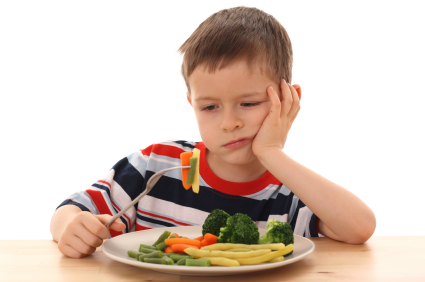 The study, made available online ahead of publication (1), found that from a very early age, people associate sweeten drinks with salty and higher fat foods such as pizza and French fries (or chips). Perhaps partly as a result of this association, young people (ages 19–23 years) viewed unfavorably the pairing of a sweetened drink with raw or cooked vegetables. The test subjects showed strong reactions (either positive or negative) to the pairing of sweetened drinks with certain foods. In contrast, water didn’t evoke strong any reactions indicating that it was viewed as reasonable complement to most food.
 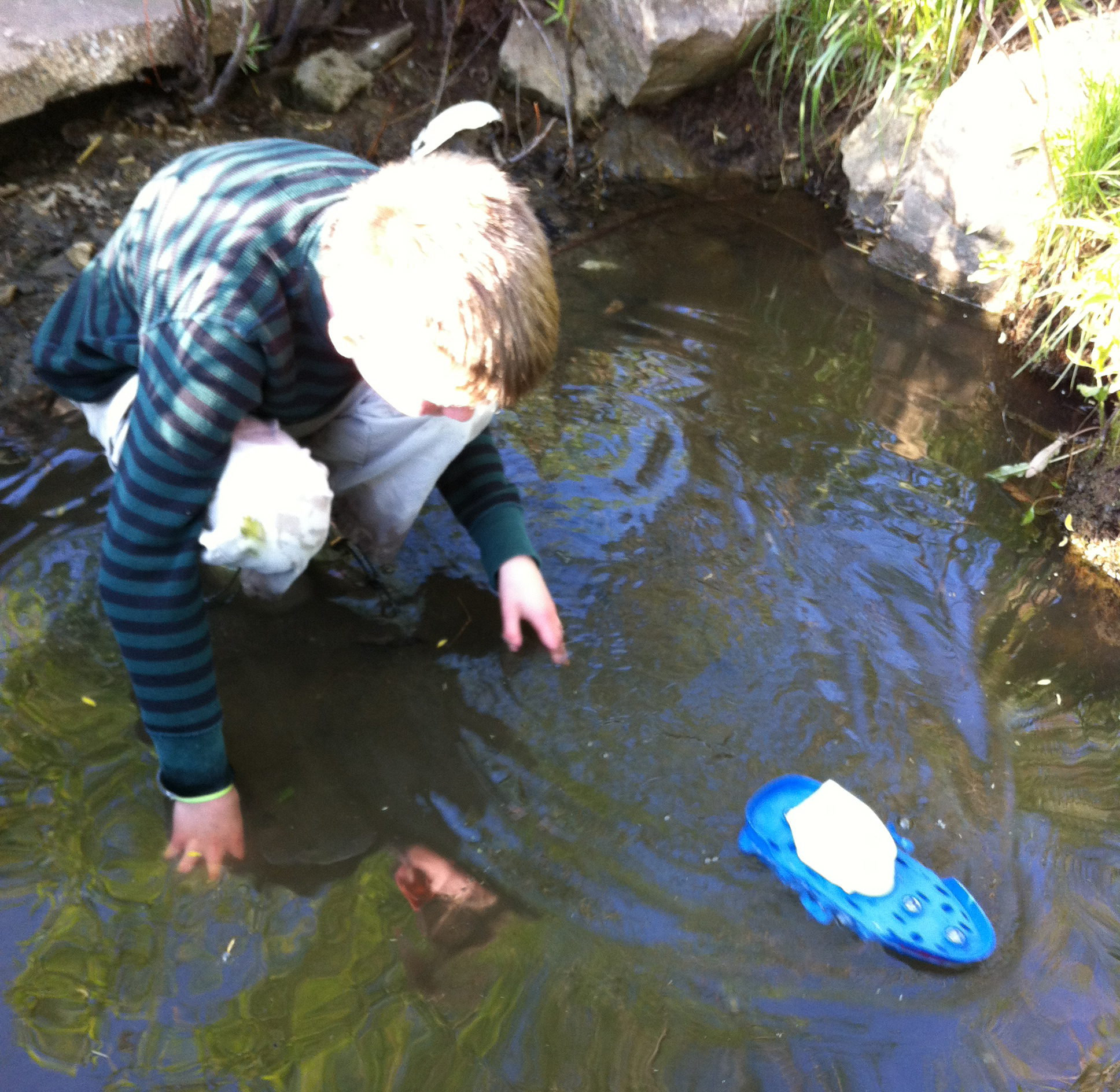 The worst part was I knew I had only myself to blame.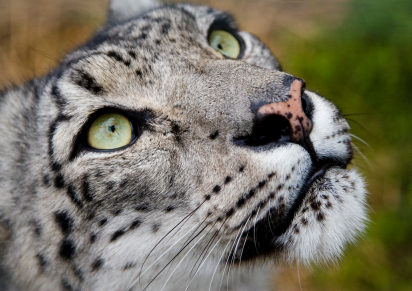
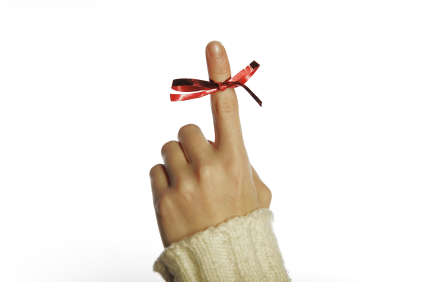 Forgetting. Forgetting your address; your spouse; your children; your friends; your life. It is something that none of us want to think about, but it hangs over some of us like a specter. Can’t remember if you fed the cat? Where you put your car keys? Did you forget to pack your lunch or return a phone call? Maybe you are trying to do too many things at once, or maybe you are tired. There are lots of perfectly normal reasons why we all forget things from time to time, but every time I forget something there is a nagging voice in my head saying, “Maybe it is something else.”
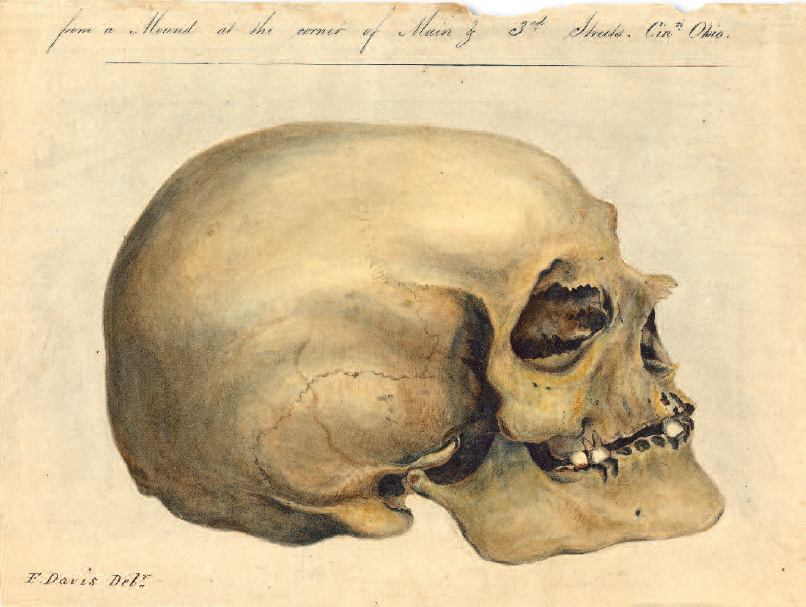 As scientists, we are supposed to be objective and unbiased. We are trained to use sound scientific methods and experimental design to let the data speak for itself. By doing this, we remove our preconceptions and biases from the equation, because as human beings, we are both subjective and biased. Early this summer, there was quite a buzz about an article published in PLoS Biology (1) that debunked a paper (and prize winning book) by Stephen Jay Gould (1941–2002) that many of us probably read at some point in our academic training as scientists.