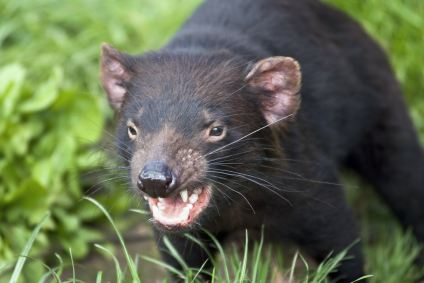
 If you are of a certain age, the name “Tasmanian Devil” most likely conjures up an image of a ferocious brown hairy cartoon character that traveled in the center of a tornado of chaos. Sometimes, as in this case, the truth is much less strange than the fiction. The real Tasmanian Devils (Sarcphilus harrisii) are relatively small, somewhat cuddly looking, marsupials found only on the island of… you guessed it, Tasmania. Despite their diminutive size, they are the largest living carnivorous marsupial. Unfortunately, these terrier-sized animals are also in danger of becoming extinct, largely as a result of a deadly, infectious transmissible cancer called Devil Facial Tumor Disease (DFTD). Continue reading “The Devil is in the Details: Genetic Diversity and the Endangered Tasmanian Devil”
Author: Kelly Grooms
The Ants Came Marching: Did Periods of Arctic Warming Help Giant Ants Migrate?
I guess you could say that I have been programmed to notice giant creepy crawly things. Starting when my son brought home a book about “Real Life Monsters”, my family has not been able to stop talking about one of the book’s featured monsters, the Goliath Bird Eater spider. While the book’s other stars, the giant squids and great white sharks, were pronounced by my son to be “cool”, a spider that is the size of a dinner plate and eats birds, is the thing of nightmares. Both my kids will fearfully bring up these giant arachnids anytime a hairy spider is spotted. [Note: Goliath Bird Eaters live in South America, not Wisconsin].
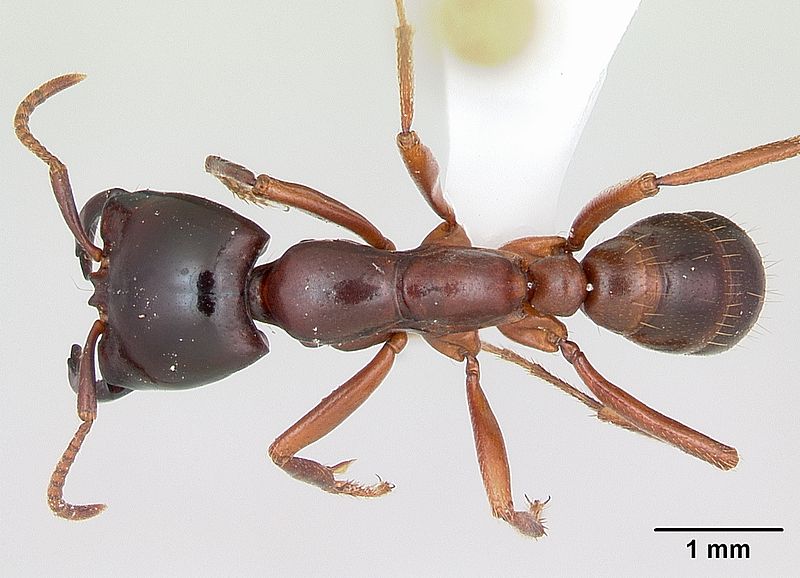
Given the number of family discussions I have had about gigantic arachnids, it was only natural that a headline about a hummingbird-sized ant that once roamed Wyoming caught my attention (1). Although there are living species of giant ants, the Wyoming ant is the first fossil from the extinct ant family Formiciinae to be found in the Western Hemisphere. The ant lived in the early Eocene (~49.5 Million years ago). And, unlike the cool climate insect taxa previously known to be shared between North America and Europe, this new ant, Titanomyrma lubei, was a thermophilic insect. Continue reading “The Ants Came Marching: Did Periods of Arctic Warming Help Giant Ants Migrate?”
Don’t Judge a Cheetah by Its Spots: New Insights into the Genetics and Evolutionary History of African and Asiatic Cheetahs
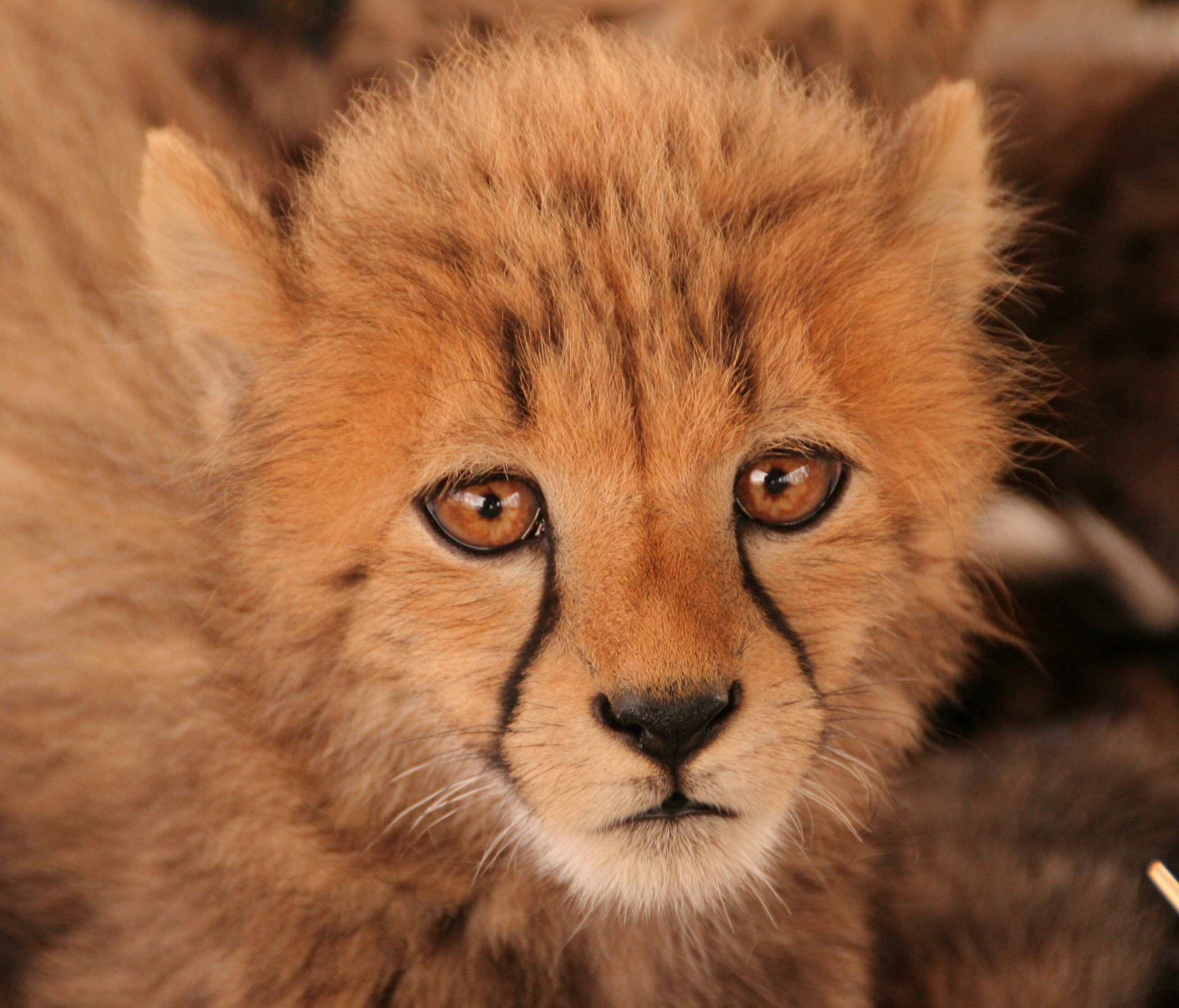 The genetics of wild cheetah (Acinonyx jubatus) populations has a special significance for me. In fact, it could be said that the population genetics of cheetahs changed my life. I first learned about the low genetic variability in cheetahs in a darkened lecture hall at Iowa State University in 1988. I was so fascinated by what I learned in those lectures about genetics and its importance in conservation efforts that I eventually changed my major to Genetics. “The Cheetah Papers” as a colleague calls them, were, and perhaps still are, common teaching tools for biology and genetics classes. And why not? The results were amazingly cool, if a bit disturbing. Imagine a population that, through a series of natural events over thousands of years, had become so genetically similar to one another as to be almost clonal.
Still, if science teaches us nothing else, it teaches us that there is always more to the story. Continue reading “Don’t Judge a Cheetah by Its Spots: New Insights into the Genetics and Evolutionary History of African and Asiatic Cheetahs”
When Being Dense is Good: Mindfulness, Meditation and Increasing Gray Matter
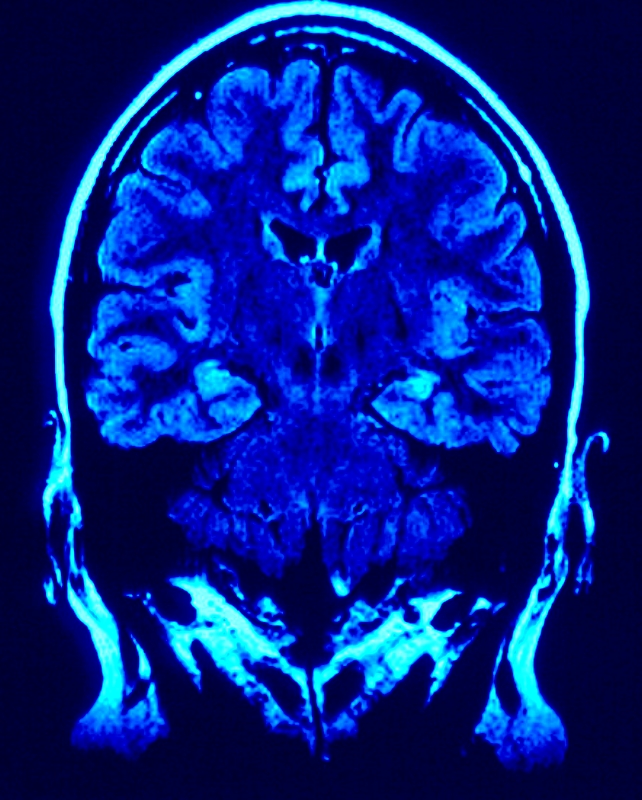 When my my Mother’s sister, Pat, was seven years old, she was in a car-bicycle accident that resulted in some very serious brain trauma. She spent better than a year learning to walk and talk again, and although there were some lasting personality changes, she went on to earn a nursing degree and live an independent life. When I think of My Aunt Pat, I can’t help but marvel at what the human brain can do. Damaged brain tissue does not re-grow, but still the brain can find a way to rewire itself to circumvent damaged areas.
Fortunately, it doesn’t take trauma to the brain for it to demonstrate its plasticity. Our neural structures can be modified with the right training. Studies have shown task-specific increases in gray matter as a result of things such as learning an abstract skill or increasing aerobic activity. Cross-sectional studies have established that differences in performance abilities are associated with differences in regional gray matter. To me this begs the question: Can we consciously increase gray matter in specific regions of the brain? Continue reading “When Being Dense is Good: Mindfulness, Meditation and Increasing Gray Matter”
Satellites and Sea Turtles: Can We Save the Last Member of the Genus Dermochelys?
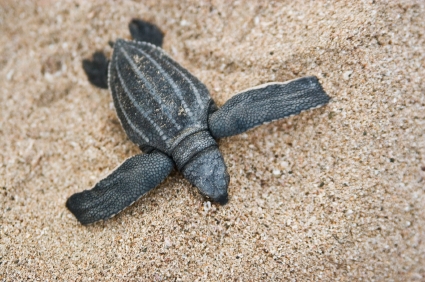 Let me start out by saying: I love sea turtles. I can’t explain why, but they fascinate me. I have sweatshirts, bags and artwork with sea turtles on them. I even make jewelry with sea turtle themes. Ask anyone who knows me; I have a thing for sea turtles. So when I came across the article “Tracking leatherback turtles from the world’s largest rookery: Assessing threats across the South Atlantic” in the Proceedings of the Royal Society B (1), all thoughts of writing about anything else were readily dismissed. How could I NOT write about leatherback sea turtles? Continue reading “Satellites and Sea Turtles: Can We Save the Last Member of the Genus Dermochelys?”
Top Ten Things You Can Do to Improve Your PCR Results

10. Modify reaction buffer composition to adjust pH and salt concentration.
Continue reading “Top Ten Things You Can Do to Improve Your PCR Results”