As a fun followup to Wednesday’s blog, here is a cartoon for all you protein scientists out there.
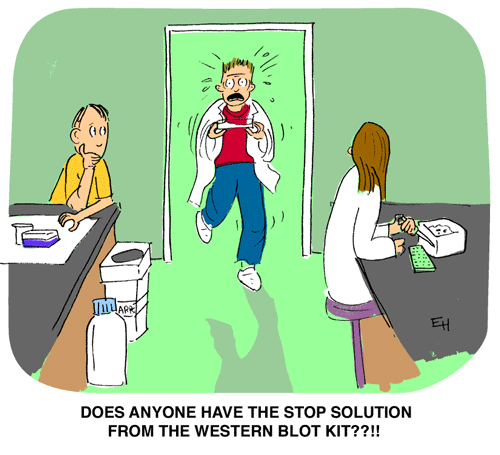
IF you would like to see more science cartoons by Ed Himelblau, you can find them in the Cartoon Lab section of the Promega PubHub.
As a fun followup to Wednesday’s blog, here is a cartoon for all you protein scientists out there.
IF you would like to see more science cartoons by Ed Himelblau, you can find them in the Cartoon Lab section of the Promega PubHub.
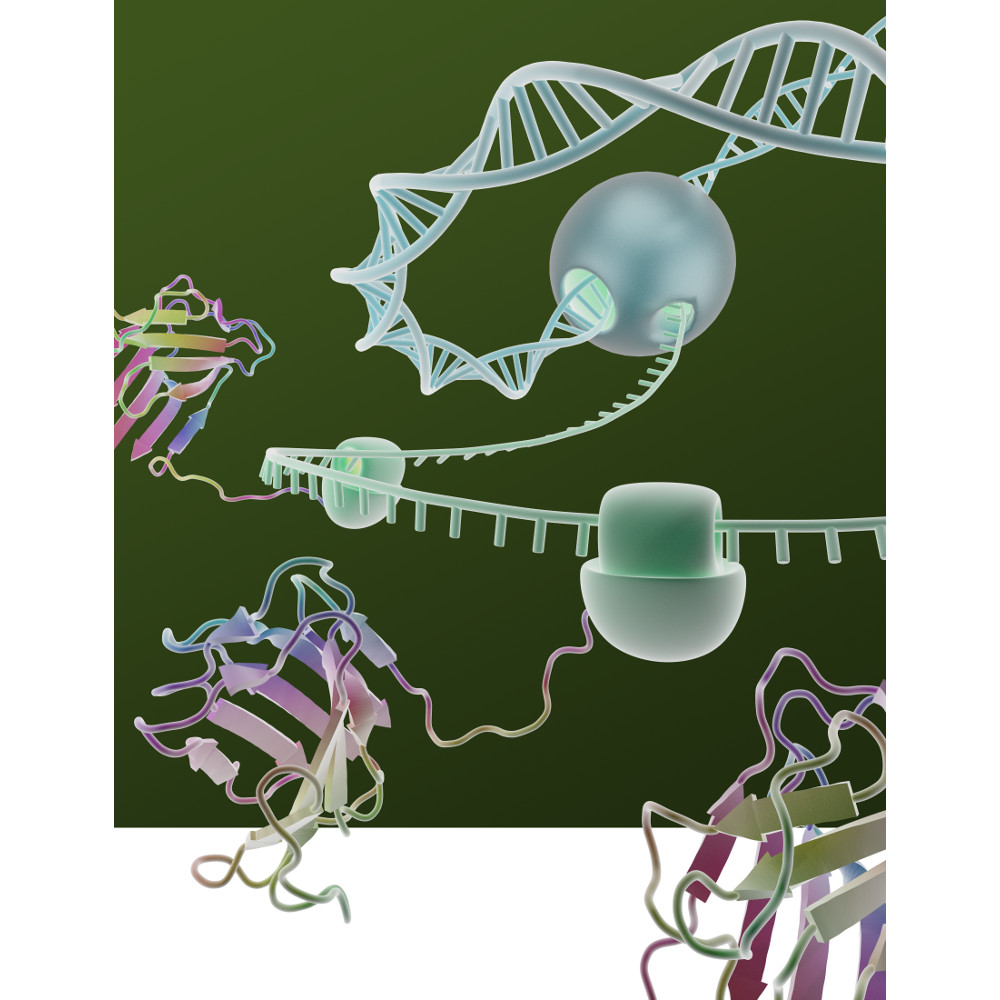 I should preface this blog by stating that I am a nucleic acids gal. My years in the lab were spent with tubes of DNA and RNA. In fact my one and only tentative foray into the field of protein resulted in a Western Blot so ugly that those who witnessed it have been sworn to secrecy. Given all of this, the mapping of the human proteome might seem like an odd topic for me to write about. Except that it isn’t really, because the sequencing of the proteome offers answers to some of the questions that the sequencing of the genome didn’t.
First, let’s start with what a proteome is: A proteome is all the proteins expressed at a certain time point. It can be as limited as the proteome of a single cell or as all encompassing as the proteome of an entire genome. However, unlike the genome, which is genetic information encoded in an organism’s DNA or RNA, the makeup of a proteome can vary dramatically as a result of expression patterns, alternative splicing events and post-translational modifications.
The genome is a constant, what you see today is what will still be there tomorrow. The proteome, on the other hand, is a constantly changing landscape. Up regulation or down regulation of a gene can mean more or less protein is present. Alternative splicing and post-translational modifications can result in fundamental changes to the protein itself.
In other words, if the genome is a beautiful, pristine Ansel Adams print, then the proteome is that same scene as interpreted by Andy Warhol—in Technicolor and 3D. Continue reading “Discovering the Complexity of the Human Proteome”
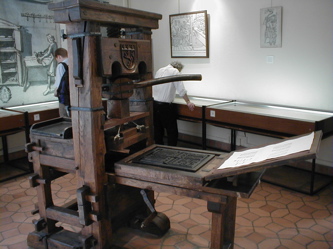
Printing has been an integral part of society since the first movable type printing press was invented by Johannes Gutenberg in the 15th century. And yet, many recent headlines have heralded its impending death. As everything from books to newspapers transitioned to digital media, the traditional printing techniques seemed destined for the history books and museums. However, even before the popularity of printing started to fade, some of the concepts were being reimagined in amazing, new—and three dimensional— ways. Continue reading “From Soot, Turpentine and Walnut Oil to Bio-Inks with Living Cells: Printing Reinvents Itself in 3D and Comes Alive”
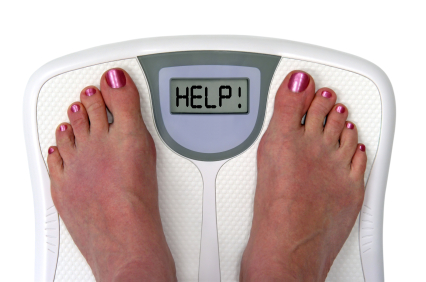
 Winter in Wisconsin is synonymous with cold, and this year thanks to the “wobbly polar vortex” it has been really, really cold. I have been very grateful for my under-desk space heater at work and my toasty gas fireplace at home. However, according to an article currently in press in the journal Trends in Endocrinology and Metabolism (1), all that lovely toasty warmness might be working against me if I am hoping to loose weight.
Excess weight is nothing more than a positive energy balance, meaning we have taken in more calories than we have burned. The deceptively simple sounding solution for losing or maintaining weight is to take in no more calories than you will be expending. Typically this is achieved by eating less, increasing physical activity or through pharmacological interventions. However, anyone who has ever tried any of these approaches knows that there is nothing simple about them, and often times the results are disappointing or short lived.
The authors of the Trends in Endocrinology and Metabolism paper hypothesize that regular exposure to mild cold could affect our energy expenditure in a positive way. We know that shivering produces heat (shivering thermogenesis) and thus expends energy. It can increase the metabolic rate to up to five times the resting rate (2). However, it is not comfortable and can make coordinated movements difficult. The authors focused on something close to this state, but not quite. Nonshivering thermogenesis (NST) is the cold-induced increase in heat production that is does not involve muscle activity like shivering. It occurs by activating brown adipose tissue (3–5).
Although there is great variation between individuals, most young and middle-aged people will see an increase in NST between a few percent to up to 30% when exposed to mildly cold conditions (1). The authors note that a recent study found a significant decrease in body fat content following a 6 week cold acclimation study (2 hours/day at 62.6°F [17°C]; 6).
 As many of us can probably attest, the downfall of undertaking anything that increases our body’s energy usage is that often we end up increasing our caloric intake to compensate for it. Interestingly, the authors point to a 2009 study (7) that found evidence that increased food intake did not fully compensate for this type of cold-induced thermogenesis.
Personally, I love to be warm— as evidenced by my previous comments about space heaters and gas fireplaces. However, if the benefits of cold acclimation suggested by this paper hold to be true, I think I could tolerate 2 hours a day at 62°C.
References
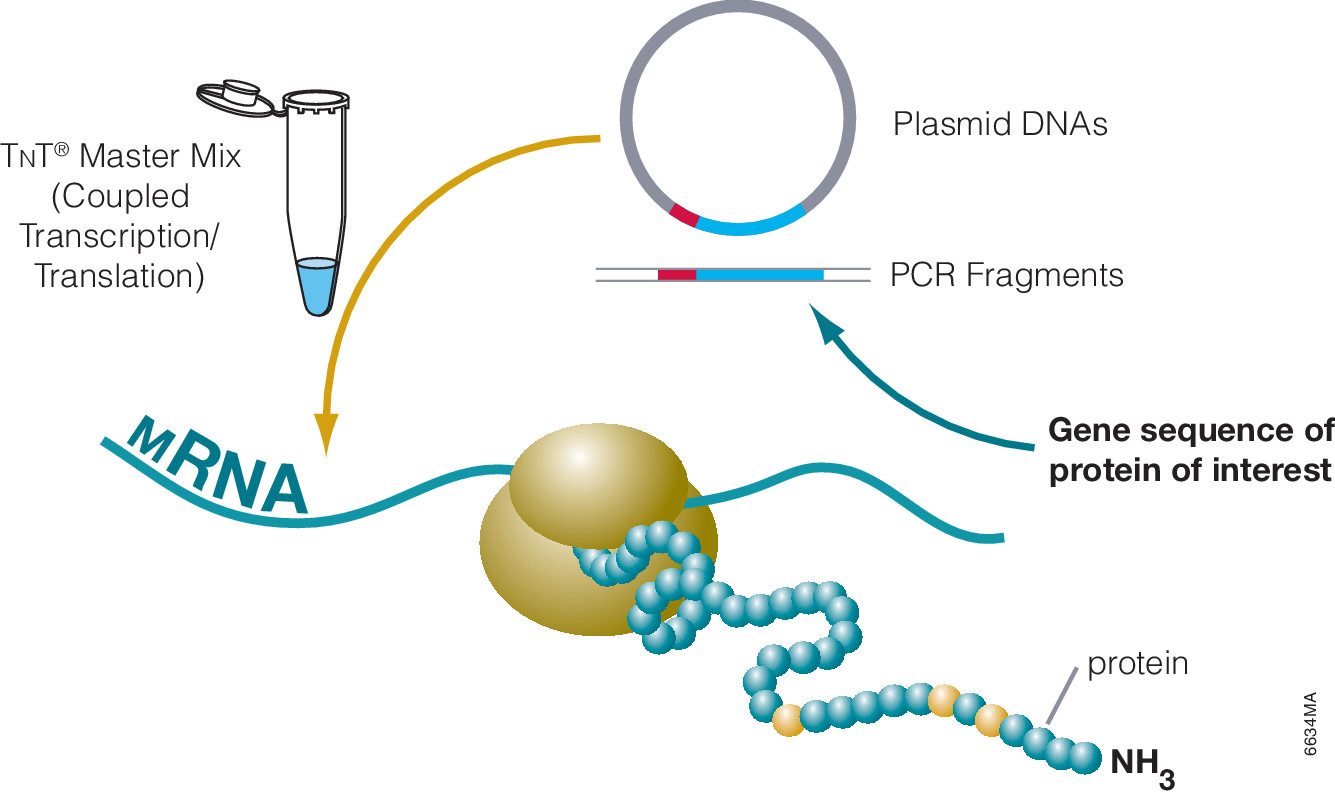
Cell-free protein expression is a simplified and accelerated avenue for the transcription and/or translation of a specific protein in a quasi cell environment. An alternative to slower, more cumbersome cell-based methods, cell-free protein expression methods are simple and fast and can overcome toxicity and solubility issues sometimes experienced in traditional E. coli expression systems. Continue reading “Cell-free Expression: A System for Every Need”
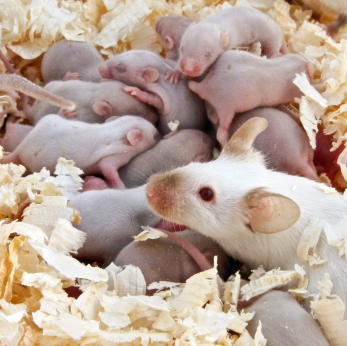 Imagine that you are sitting in your room when you smell cherries and you are suddenly, inexplicably afraid. Although odors can elicit strong emotional responses, you have no bad memories of cherries. What you don’t know is that your father did, and you have inherited his fear. Sound far fetched? Maybe not. A paper published in Nature Neuroscience found just such an inherited association in mice (1). Continue reading “Inheriting Fear: Mice Haunted by Parent’s Fears”
If you are like me, there are just not enough hours in the day. The list of things that I need to get done regularly out distances the time I have to do them in. Keeping up with my favorite blogs, staying in tune with things on twitter and staying on top of new product and features often fall by the wayside because it takes so much time to go to all those pages and find the content I want.
Recently we updated the Promega PubHub page on our website with the hopes that it will help you use the time you spend visiting the PubHub page more efficiently. In addition to latest technical articles from Promega, useful lab facts and the ever-popular cartoons, we now offer a live feed of our Promega Connections Blog posts, tweets from @Promega and a list of new products.

We know that your time is valuable, and if you are interested in the articles and more from Promega, there is now one page to see it all.
We decided to revisit a popular blog from our Promega Connections past for those of you in the amplification world. Enjoy:
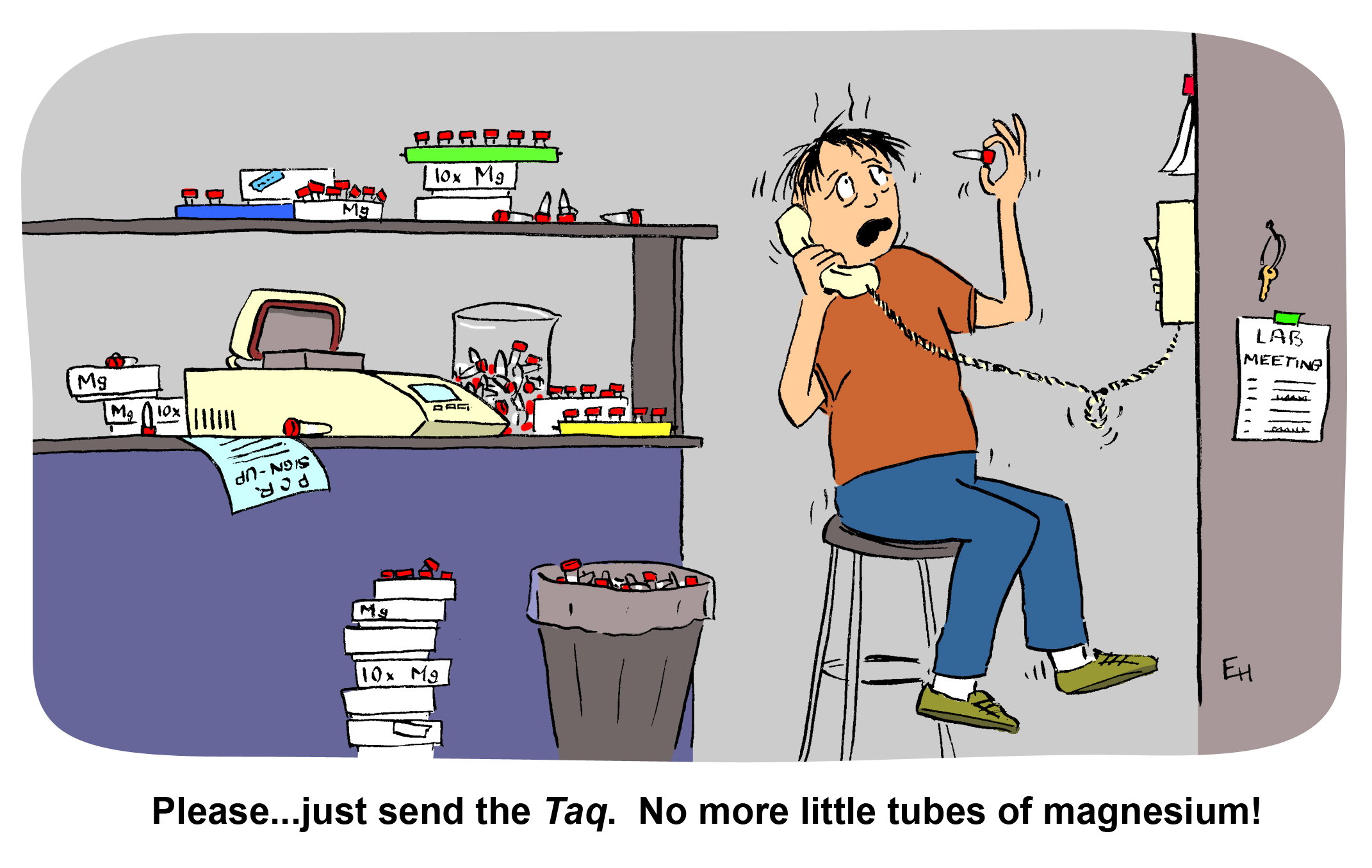
[Drum roll please]…and the most important thing you can do to improve your PCR results is:
 As the parent of school-age children, I have learned to dread that early morning call with the cheerful recorded voice that informs me that school has been canceled or delayed. Here in Wisconsin, these calls are almost always a result of inclement weather, and if we pay attention to the weather forecast, we typically know the night before that a delay or cancelation is a possibility. Every once and awhile though, that call comes unexpectedly. On those mornings, while our kids dance around like deranged snow-bound monkeys, my husband and I drag out phones and calendars and begin the process of deciding who will be snow-bound with the monkeys, and who will escape go to work. However, even these unexpected snow days can’t really be called a great surprise. Snow days are a geographic risk of living in an area that has snow several months out of the year. I wonder, though, how my family would react if we got a call announcing school would be closed for the day due to a venomous spider infestation.
I know what you are thinking. This sounds like a bad horror movie; after all I am posting this on Halloween, a day associated (in the United States, at least) with all things creepy and crawly. Continue reading “School Will Be Closed Today—Due to Spiders”

My very first job in science was in a lab that worked exclusively with RNA, and it was only after I moved on to a different job that I learned just how much different the world of DNA research is from that of RNA. When working with DNA, for example, you rarely if ever have the sample you have labored over reduced to a fuzzy blur at the bottom of a gel because it has been degraded beyond rescue. With RNA, unfortunately, this happens all too frequently. In fact, a labmate of mine once put up a poll on the door to our lab asking if it was better to discover that your RNA sample was degraded on a Monday or a Friday.
The culprits in this scenario are Ribonucleases (RNases). They are everywhere. They are incredibly stable and difficult to inactivate. And, if you work with RNA, they are your enemy. Take heart though, they can be defeated if you follow some pretty simple steps.
Continue reading “Don’t Let Ribonucleases Ruin Your Week(end): Establish a Ribonuclease-free Environment”