In 2022, Luiza Abdo traveled from her home in Rio de Janeiro, Brazil, to the United States to visit the Promega campus in Madison, WI. A PhD student at the time, Luiza was one of ten finalists for the inaugural Young Researchers Award sponsored by Promega Brazil.
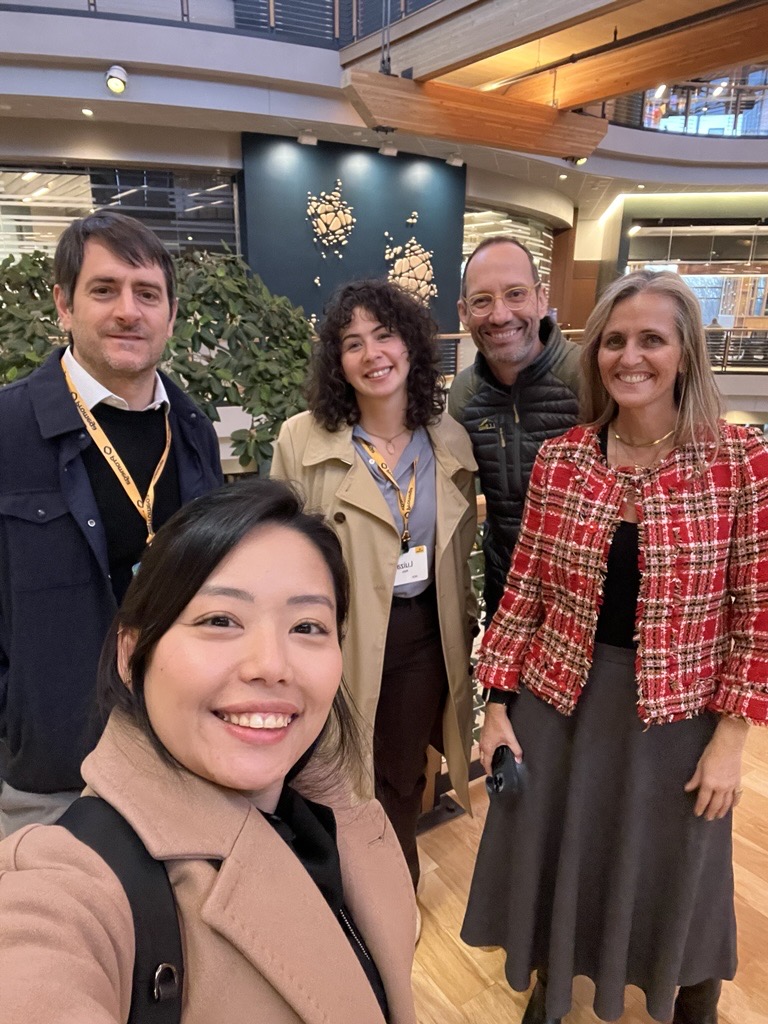
Luiza (center) visited Promega Madison in 2025 with Martin Bonamino (far left).
In 2025, Luiza was invited to Promega Madison once again, but this time she came as a customer and collaborator. Now a postdoctoral researcher at the Brazil National Cancer Institute, she was excited to return to Madison to discuss technologies that may help advance her project.
“Once I saw the Kornberg Center, I remembered everything from my last visit,” Luiza says. “It was one of the best travels I’ve ever had, and I made great friends.”
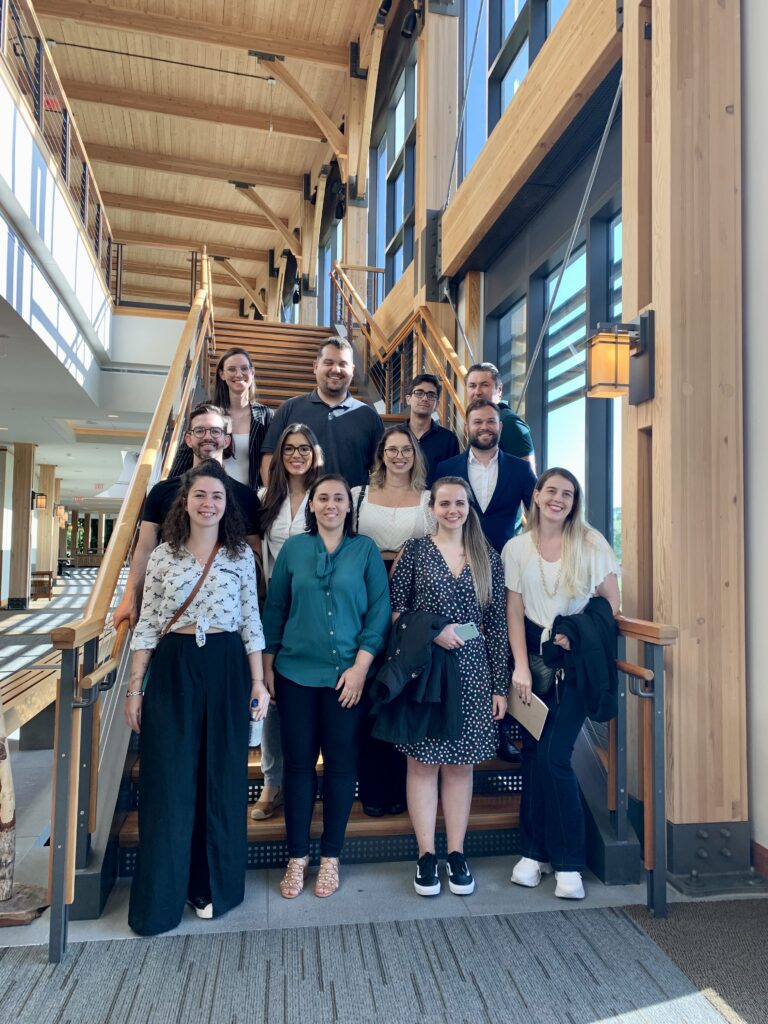
Luiza studies immunotherapy in the lab of Martin Bonamino, Head of Cell and Gene Therapy, at the National Cancer Institute. When she visited Promega in 2022, Luiza presented her project aimed at producing CAR-T cell therapies in under 24 hours. She and the other nine award finalists toured Promega facilities, networked with industry researchers, and went on adventures around the Madison area. They went to a baseball game, played sand volleyball against Promega employees and manipulated giant molecules in virtual reality.
“This was a different kind of visit. I’m here with my PI, and we learned several ways Promega technology can make our lives and research easier,” Luiza says in 2025. “The conversations are more specific to our field of work.”
Luiza (front row, left) visited Promega Madison in 2022 with 9 other Young Researchers Award finalists.
Today, she’s working on translating her CAR-T production methods into clinical applications. This visit introduced her to new technologies like cell fitness and metabolism assays that may help with this new phase. Promega researchers such as Julia Gilden joined to talk through challenges and solutions in cell therapy research.
“We’re making a new kind of product, which is very innovative, but we also have to prove a lot of different things to translate it to the clinic. We have many challenges, but we’ve found several ways Promega can help us solve our problems.”
Three years after her initial visit, Luiza says that visiting Promega has impacted not only her research, but also how she looks at her research field and potential career paths.
“My first visit was very good for me because I come from academic research, and we don’t have many interactions with industry. After touring Promega, I started to look at industry with new eyes. Even if I’m not working in an industry position, I see how there are people who can help with your needs, and work with you to solve problems.”
“I’m very happy to be here again,” she laughs. “I’m thankful to have this opportunity twice.”
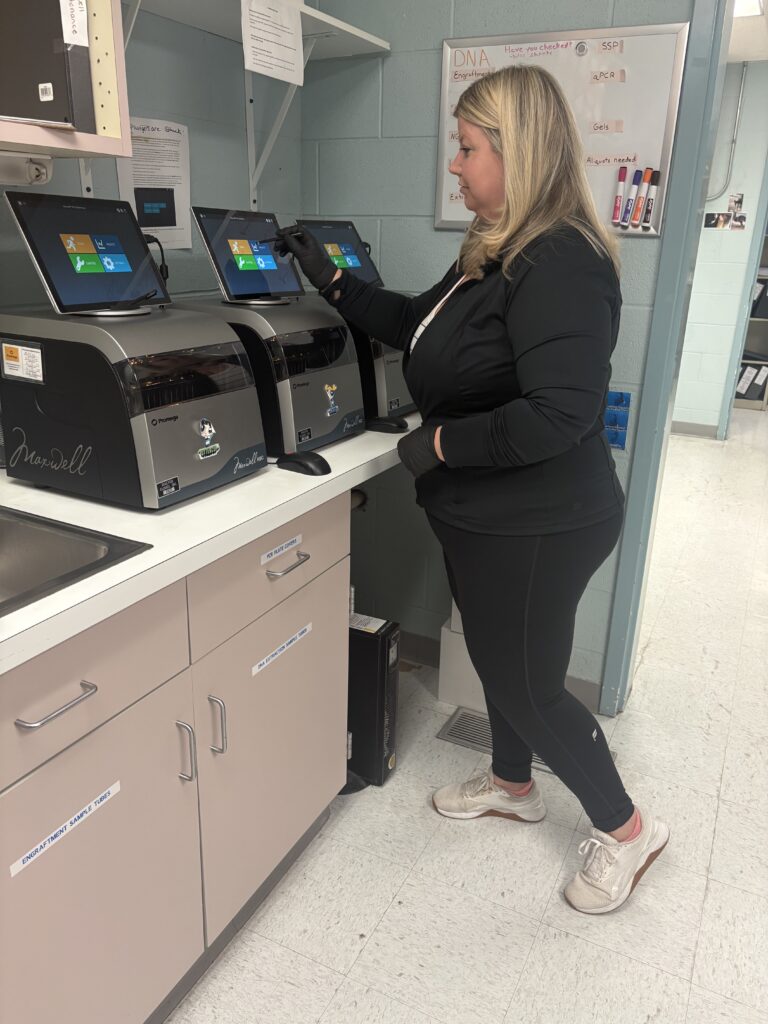
MacKenzie Gartner, Lead Technologist at DCi, operates a Maxwell® instrument.
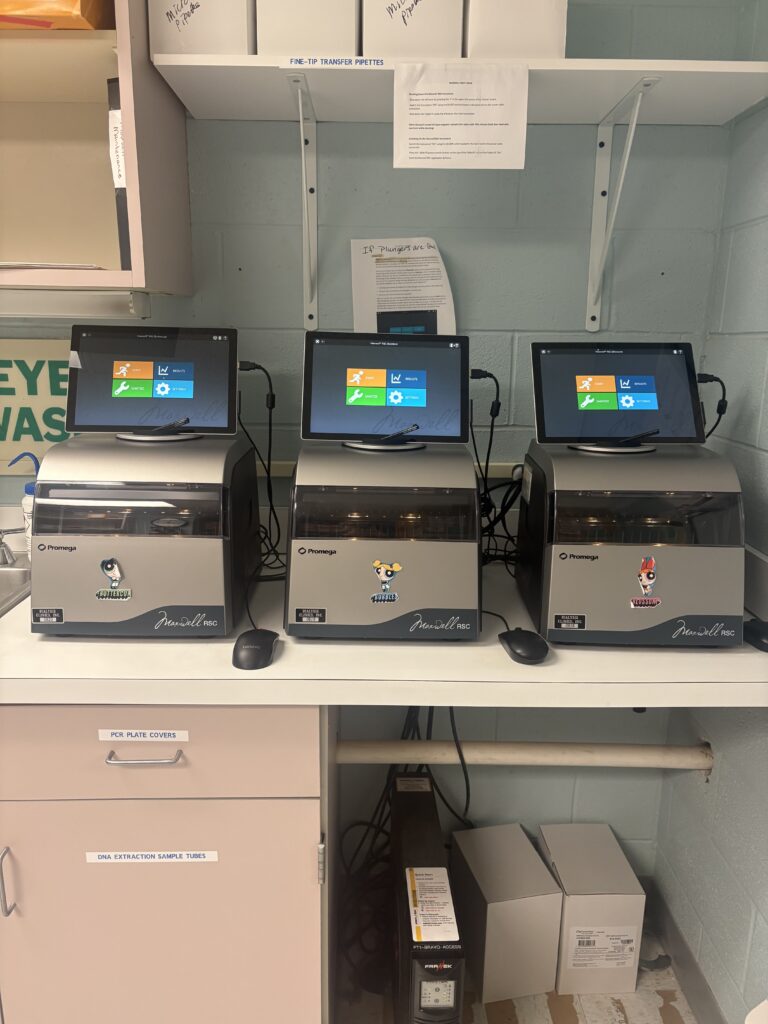
For twenty years, the transplant lab at Dialysis Clinic, Inc. (DCi) in Nashville, TN has depended on Maxwell instruments for their automated nucleic acid purification. In fact, the lab was the first to purchase the instrument when it debuted in 2005. Today, they’ve scaled up to three of the latest Maxwell® Instruments.
“They’re great little instruments,” says Christina Sholar, Clinical Supervisor at DCi. “I think this is our third generation, and we still have the original in the basement. We love them.”
Christina’s lab runs critical tests to ensure compatibility between donors and recipients for solid organ and stem cell transplants. With precious samples and urgent demands, they need tools they can depend on for high-quality results. Their Maxwell® instruments help them ensure successful downstream analysis to support important clinical decisions.
Precious Samples, Urgent Timelines
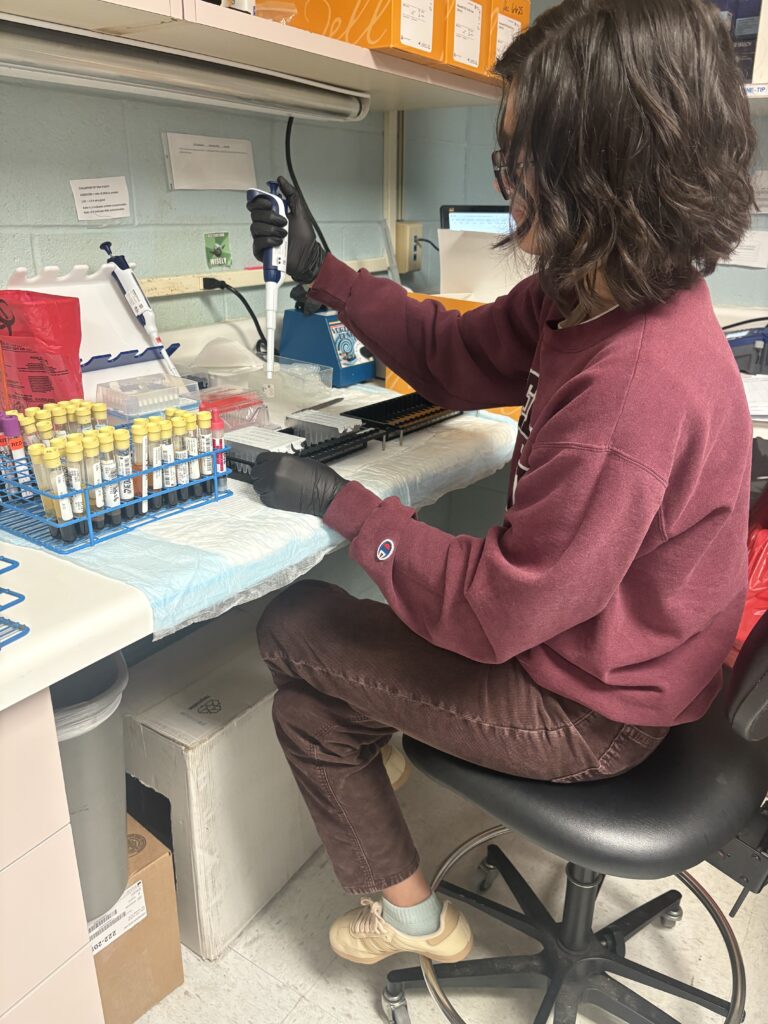
Hailey, a technician at DCi, loads a Maxwell® cartridge.
Founded in 1971 as a non-profit dialysis clinic, DCi now supports a broad spectrum of kidney health issues, including transplants. The company has also expanded its operations to support organ transplants through federally designated organ procurement organizations. Christina’s lab runs the tests to ensure compatibility between donors and recipients.
“We cover the state of Tennessee,” Christina says. “We do the typing and antibody analysis for solid organ transplants, and then we follow them post-transplant to see if they’ve developed antibodies to the donor. We also do stem cell workups and follow-ups.”
The lab processes 150-200 samples per week. In addition to managing the high sample throughput, the team also must be available 24/7 for urgent calls when an organ donor passes away.
“We used to average about 50 donors a month, but that’s creeping up,” Christina says.
Christina says her team needs a workflow built for speed and minimal hands-on processing. With downstream assays including NGS and qPCR, they also need to trust they’ll have a high-quality DNA sample to work with. That’s what led them to the Maxwell platform in 2005.
Instrumentation for Easy, Reliable Results
“Maxwell purifications are an easy thing to start new employees with, because they can get quality DNA very easily,” says MacKenzie Gartner, Lead Technologist in Christina’s lab at DCi. “Techs pick up on it very quickly, and it’s something they can feel confident in doing by themselves.”
Twenty years ago, the lab was using manual methods to purify all their nucleic acids. Unlike MacKenzie, Christina remembers those days and admits they weren’t fun. The protocols were labor-intensive, and much more prone to human error. Now, they don’t even teach manual methods anymore.
The DCi lab currently operates three Maxwell® instruments.
“When I came on nine years ago, they were teaching a manual method as backup for the Maxwell instruments, but they never got around teaching it to me because it was needed so rarely,” MacKenzie says. “Now it’s not even in the training materials.”
MacKenzie works hands-on with the Maxwell instruments almost every day. The lab mainly uses the Maxwell® Buffy Coat DNA Kit and Maxwell® Buccal Swab DNA Kit. Buccal swabs require 20 minutes of passive pre-processing, but buffy coats can be added directly to the Maxwell cartridges. From there, the automated protocol is only 45 minutes.
“It’s nice that both of them can be run on the same instrument, which gives us flexibility knowing that all three instruments can be available no matter what we’re doing,” MacKenzie adds.
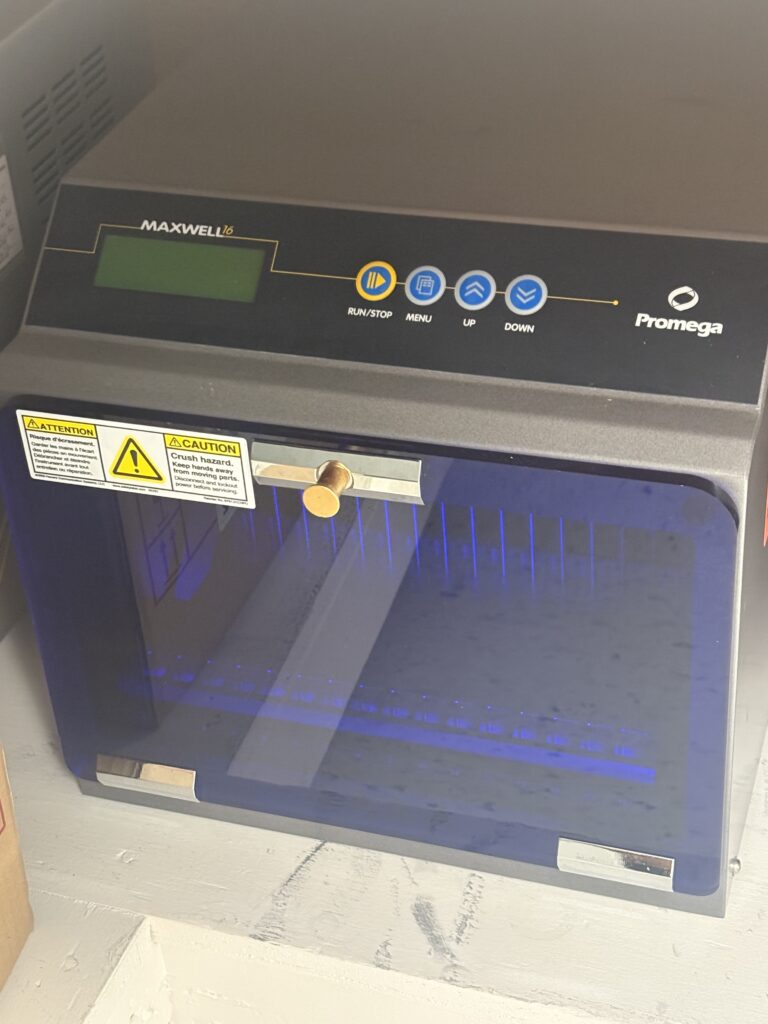
One of the lab’s original Maxwell® instruments, still in storage in the basement.
Christina says the Maxwell instruments provide much cleaner DNA eluates than their past manual methods. This is invaluable for lab efficiency, but it’s even more important with stem cell testing.
“With stem cells, they may only send one tube but want three or four different tests,” she explains. “We don’t have room for error – those samples are precious.”
“We keep the instruments pretty active,” MacKenzie adds. “That room constantly has their little noises going. But they’re so dependable – they don’t take much maintenance, and we can count on having one available even when we get some urgent samples from a donor.”
Long-Term Partnership for Success
“Promega is probably our favorite company to work with, as far as support goes,” Christina says. “We rarely have issues, but when we do, we get great responses very quickly.”
As a leader, Christina values strong relationships with her suppliers. Though the lab’s sales representative has changed a few times over the past two decades, she says each one has been reliable and helpful in keeping the lab operations running smoothly. The lab has also benefited from regularly scheduled preventive maintenance visits from Promega service engineers.
“Overall, I just love how dependable the instruments are,” Christina says. “We’re using them all the time. They’re truly our workhorses.”
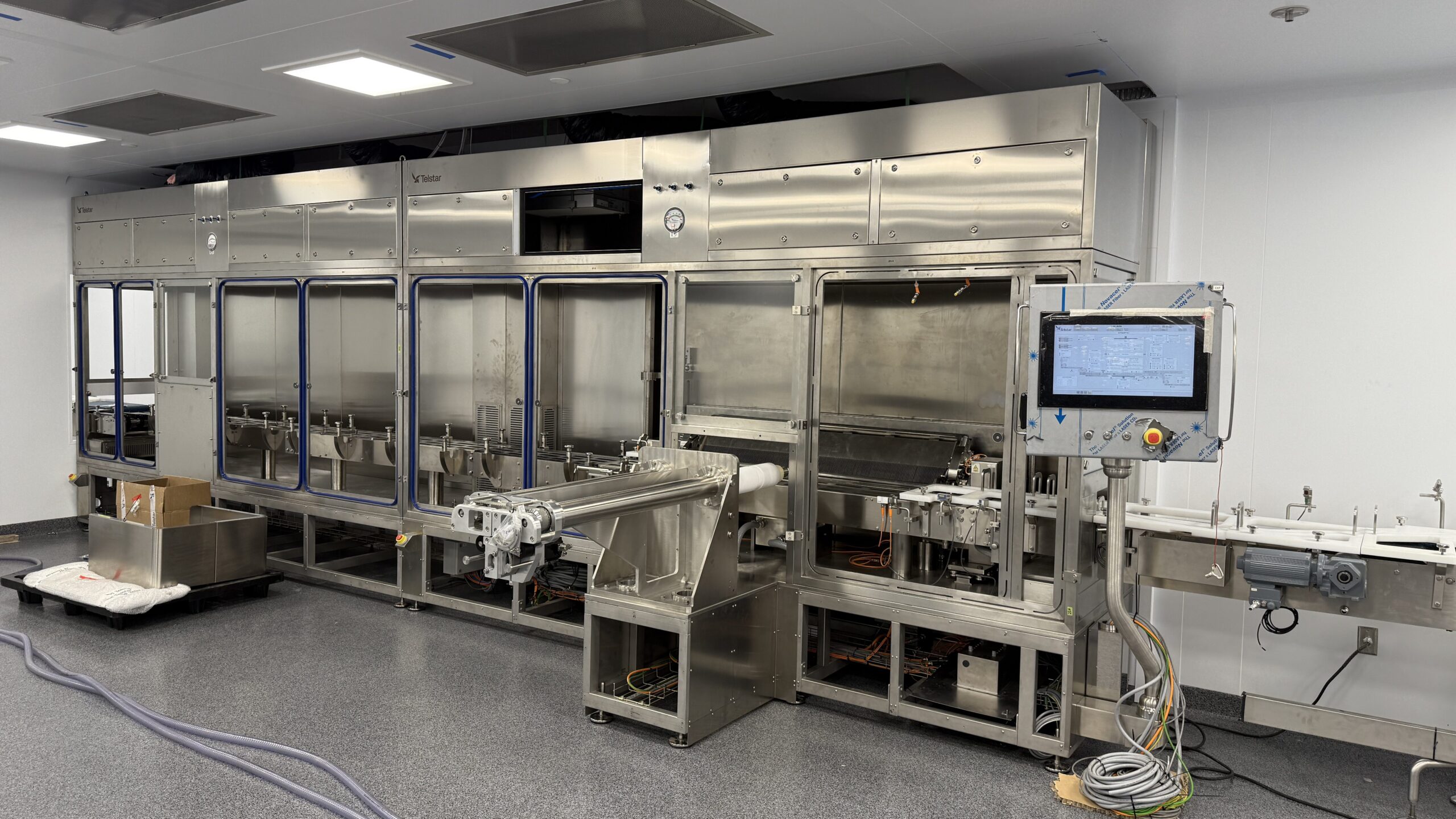
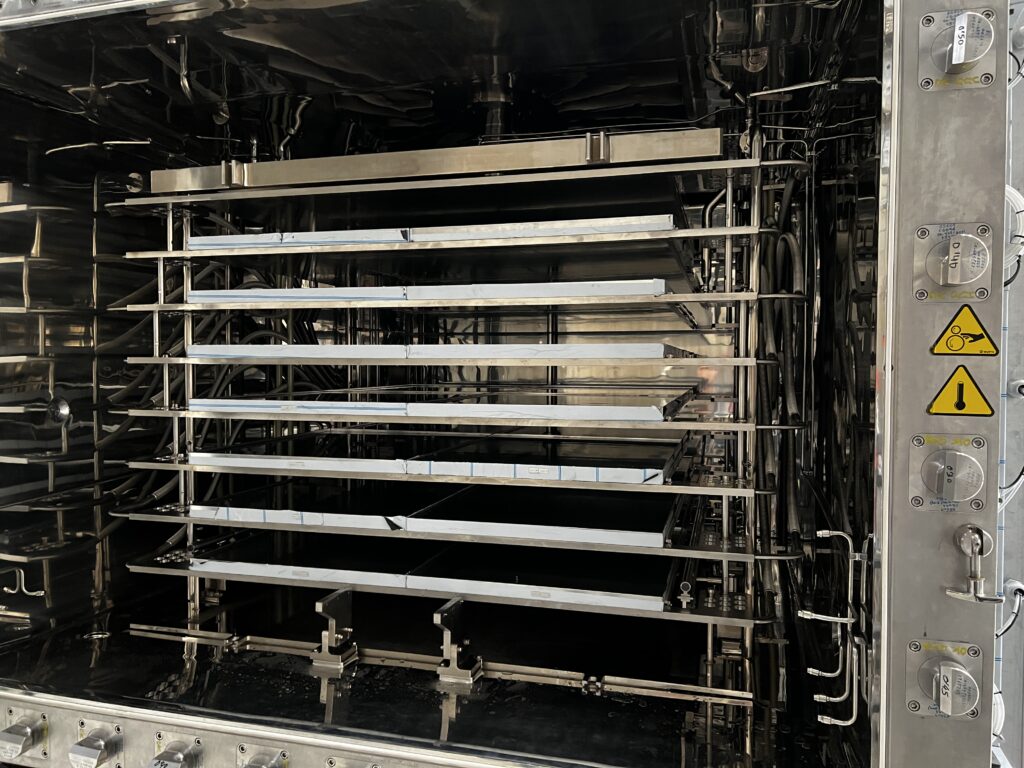
The new lyophilization equipment will more than double the lyophilization capacity of Promega Madison.
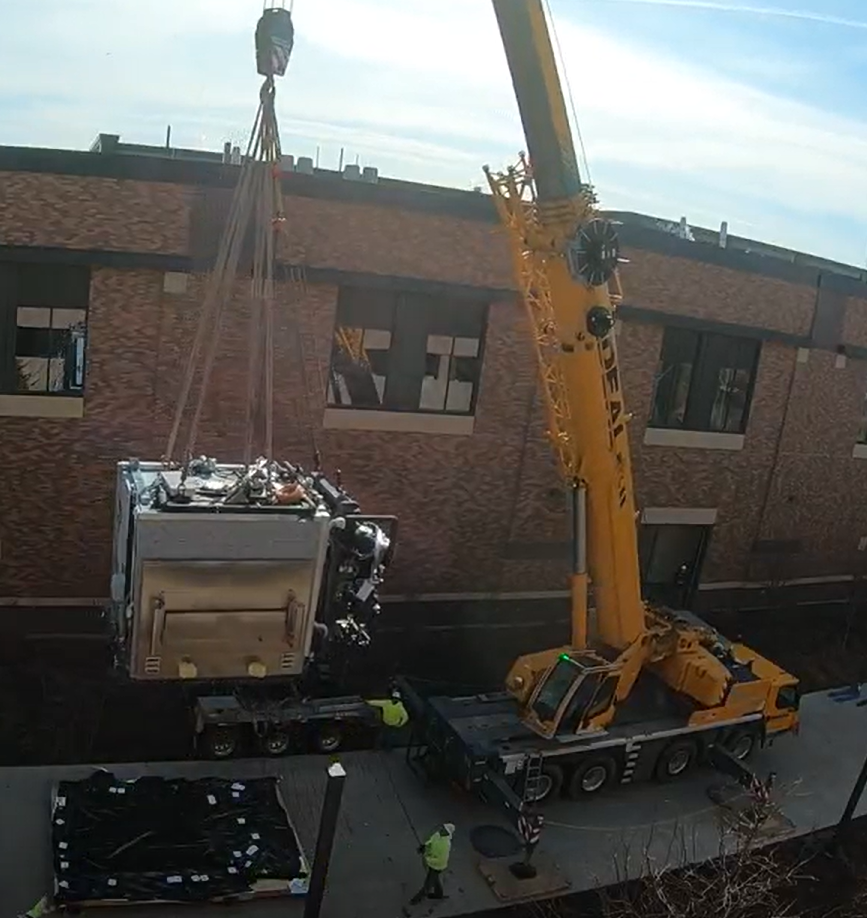
On March 12, 2025, a 46,000-pound stainless-steel chamber made a five-hour journey through Feynman Center to its final resting place in the brand-new Fill-Lyophilize-Finish suite. This massive piece of equipment will more than double the lyophilization capacity at Promega Madison, safeguarding the continuity of production and opening new frontiers in product formulation.
Lyophilization provides scientists with increased stability, enhanced flexibility and protection against error. Promega has been lyophilizing reagents in-house since the mid-1990s, and demand has steadily grown over time. The recent expansion reflects the company’s commitment to anticipating scientists’ future needs and planning for the long term.
Why is Lyophilization Important?
Lyophilization, also known as freeze-drying, provides a variety of benefits in the lab. For example, lyophilized reagents can typically be stored at higher temperatures, and they offer longer stability.
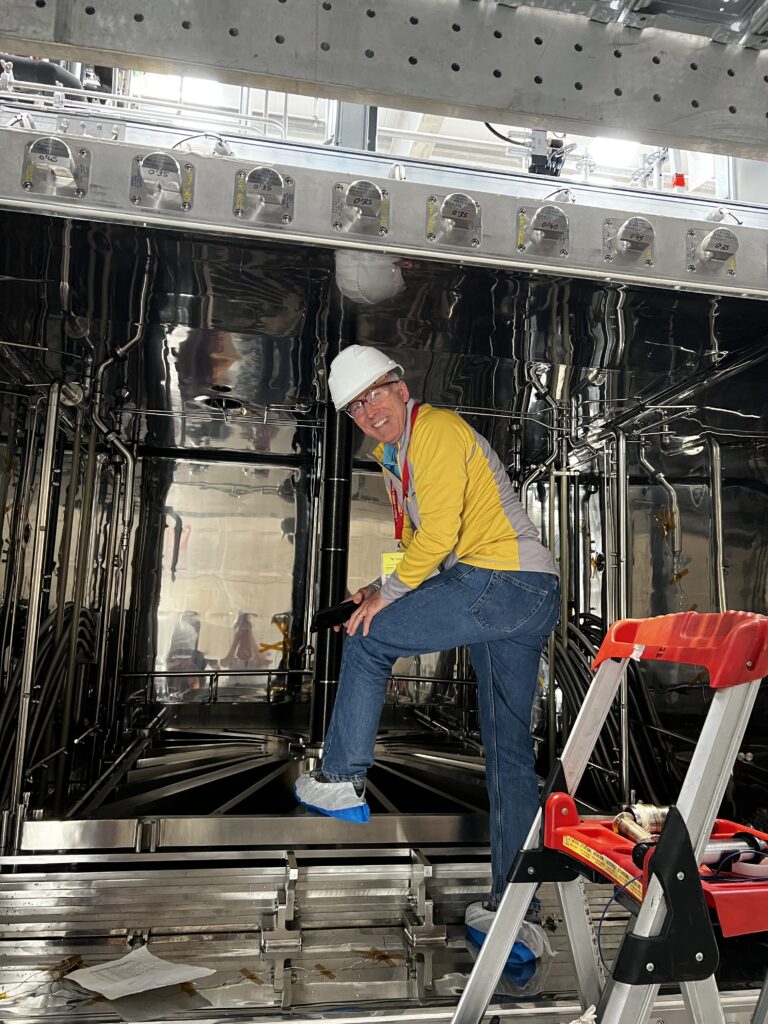
Stuart Forsyth inspects the lyophilization chamber during its installation.
“Lyophilized product also gives you added flexibility in how you tailor your reagents to your specific need,” says Stuart Forsyth, Sr Process Validation Engineer at Promega. “Whether you’re reconstituting with a buffer, water or even a sample, you’re able to alter the assay’s concentration and formulation in ways that are impossible with liquid formulations.”
Promega also offers lyophilization for customers working with Promega to manufacture custom products. The flexibility helps many labs, especially diagnostics, ensure that the final reagent maximizes efficiency and ease of use for point-of-care applications.
“Especially if you’re lyophilizing the whole assay in one, you’re removing a lot of potential for mistakes by the user that would result in product failure,” says Terri McDonnell, Director of Global Custom & OEM Commercial Development. “Lyophilization capabilities are powerful tools to have in your toolbox as you try to formulate a reagent for minimal risk of misuse or mistakes.”
Expanding Lyophilization at Promega Madison
The new lyophilizer will primarily be used with 10ml vials and 100ml bottles, but it can process numerous other formats.
Promega Operations closely monitors the throughput capacity of all critical processes. For years, the team has projected that manufacturing would outgrow the existing lyophilization capacity sometime in the mid-2020s. The project to build out the empty suite in Feynman Manufacturing Center began in 2021, and it will start producing products for sale in early 2026.
The new lyophilizer nearly doubles the throughput capacity of Promega Madison. It will primarily be used with 10ml vials and 100ml bottles, but the line can also handle 2ml and 3ml vials and large LyoGuard trays for bulk powder production. At this point, the team plans to primarily use the Feynman suite for high-demand catalog products like CellTiter-Glo, creating flexibility to use the older lines for custom products and other smaller demands.
Continuity, Collaboration and Creativity
The new lyophilization suite will have several significant impacts for scientists using Promega reagents.
First, the new lyophilization line creates additional redundancy to ensure that key products are continuously available. The huge increase in capacity means that if one lyophilizer is down for maintenance, the others can handle picking up the slack. The new suite also features the current state-of-the-art automation technology, minimizing any risks for contamination or human error that would disrupt high-quality production.
The lyophilizer is unloaded by crane outside Feynman Manufacturing Center.
For customers working with Promega on custom orders, the new lyophilizer gives Promega more flexibility to collaborate with customers on finding the right formulation for their needs, all within the established quality system.
“We partner with a wide range of customers seeking to adapt or customize our technologies for specific applications,” says Terri McDonnell. “As the primary manufacturer of most of our products, and with the addition of new lyophilization capabilities, we can offer expanded scale and format options. Because these activities are performed in-house, we maintain greater control over quality and supply chain logistics, helping to ensure the consistent and reliable delivery of products.”
Finally, the additional capacity means that high-volume products can be manufactured less frequently by scaling up batch sizes. This frees up human resources to explore process improvements and dedicate more time to work outside of the production workflow. Kris Pearson, Director of Manufacturing Sciences and Custom operations, says the smaller equipment can serve as a sandbox where teams can test creative ideas.
“We’ll have more opportunity to work with R&D on new product development, and to dive deep into new cycles and what that can mean for our custom capabilities,” she says. “We can play around with new formats and processes to find new ways of offering a great product for every custom customer.”
Long-Term Planning and Strategy
As a private company, Promega isn’t beholden to short-term gains. Leadership prioritizes decisions that support future needs, while building in room to adapt to changes in the scientific landscape.
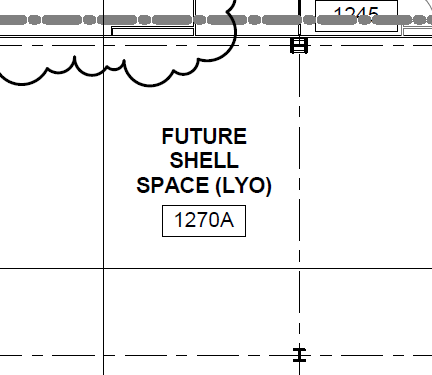
The architectural drawings of Feynman Manufacturing Center show the suite earmarked for lyophilization as early as 2012, before the building was constructed.
“When we started designing Feynman Manufacturing Center, we said we wanted 30% of the square footage to be frontier space,” says Jen Romanin VP of Global Support and IVD Operations, and key member of the Global Planning Team. “This space would give us future flexibility in where new features would be installed.”
Sometimes needs are forecasted far in advance – for example, the architectural drawings of Feynman Manufacturing Center dated February 2012 show the new suite was already earmarked for Lyophilization almost a decade before the construction project began. Other spaces are left intentionally unlabeled as a nod to the unknown needs that will emerge over time. Whatever arises, the flexibility and foresight built into Promega facilities will position the team to respond quickly – and build a high-quality solution – without having to break new ground.
“I think this says two things about us,” says Chuck York, Vice President of Operations at Promega. “First, it says we’re pretty confident we’re going to be here for a long time. Secondly, it says that no matter what happens between now and then, we want to make sure we’re prepared.”
For some scientists, words like “undrugged protein” are almost a personal challenge. That simple phrase sparks a fire that fuels an intense drive to characterize the protein, solve its structure and develop a molecule that will bind it and produce a beneficial phenotype.
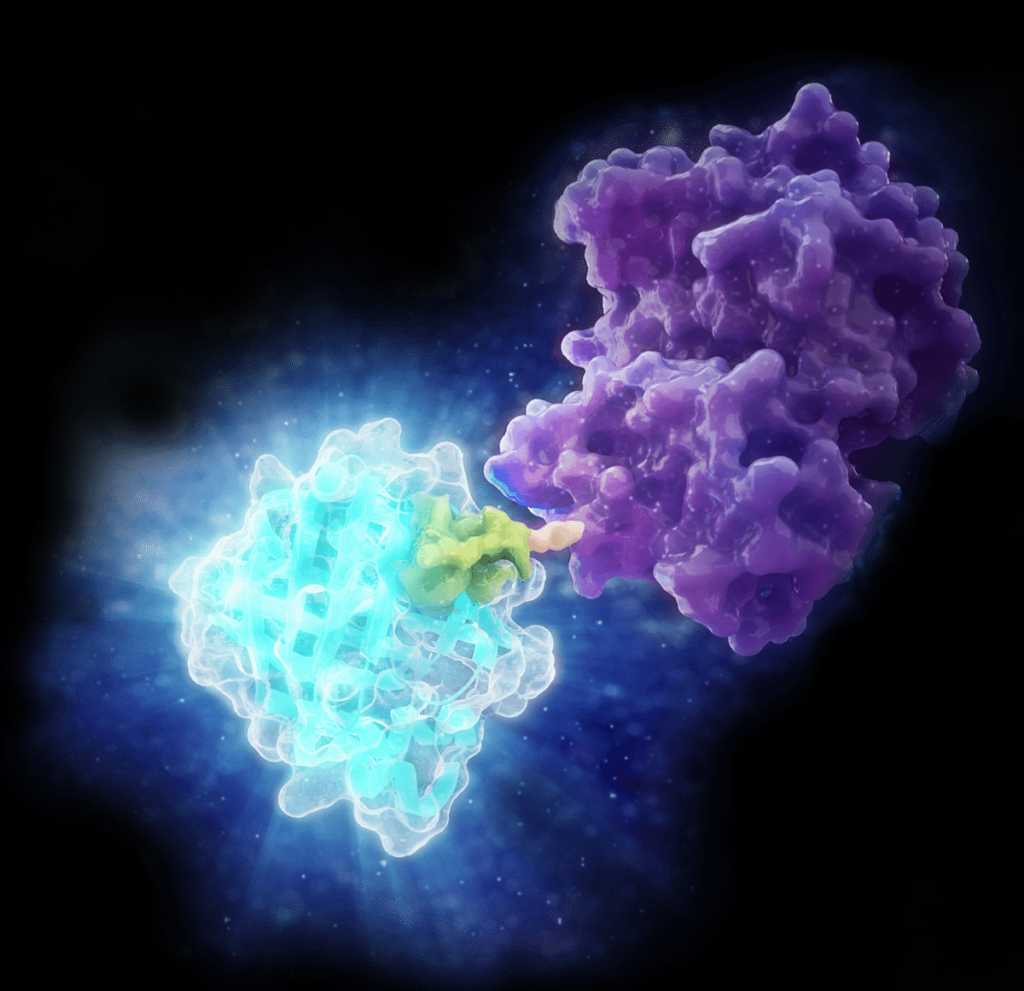
That’s how Dr. Val Watts feels about adenylyl cyclases. These GPCR-activated enzymes are promising targets for efforts related to chronic pain and many other health conditions. While more than 50% of approved drugs in the United States target GPCRs, there are currently no therapeutics targeting the downstream adenylyl cyclases.
“The fact that they are undrugged today…I take this challenge so seriously that I have a tattoo of adenylyl cyclase on my arm,” Val says. “I want to drug them before my time in academia is over.”
Val Watts is the Associate Dean for Research and a Professor of Medicinal Chemistry and Molecular Pharmacology at Purdue University. The Promega Academic Access Program has helped him bring technologies like NanoBRET® protein interaction assays into his lab at reduced costs. Technologies acquired through the program help Val’s team generate unique insights into adenylyl cyclase behavior in live cells, monitor critical molecules and much more. Their participation in the Academic Access Program and their growing relationships with Promega scientists have helped the lab navigate financial constraints while still pushing their research forward.
Age-related macular degeneration (AMD) is a common eye disease that can result in progressive loss of vision. While AMD typically affects older adults, a specific rare type of AMD called Malattia Leventinese/Doyne honeycomb retinal dystrophy (ML/DHRD) can appear as early as the teenage years. Although ML/DHRD is rare, its study may provide insights into broader mechanisms of retinal degeneration, which could benefit millions affected by AMD.
While the genetic cause of ML/DHRD is known, there have been no small molecule inhibitors identified that reduce the production of the disease-causing protein. However, researchers from the University of Texas Southwestern Medical Center and the University of Minnesota recently published a paper that describes a small-molecule inhibitor that addresses the primary pathology of ML/DHRD. In the paper, titled “GSK3 inhibition reduces ECM production and prevents age-related macular degeneration-like pathology,” the team used CRISPR-engineered cell lines to study production of the disease-causing protein in response to treatment with inhibitors. The work was supported by the Promega Academic Access Program, which helped defray the costs of needed reagents. Their results point to future strategies for developing therapeutics at the currently incurable disease.
On September 25, Promega Research Scientist David Mokry addressed a full audience at the International Symposium on Human Identification. The event brings together people from the forensic DNA industry – criminalists, analysts, lab directors and more – eager to learn about advancements in the field. Over the next 20 minutes, David unveiled a novel enzyme designed to tackle a challenge that has plagued DNA forensics for decades.
Known as “Reduced Stutter Polymerase,” the new enzyme virtually eliminates confounding stutter artifacts in forensic DNA analysis. When incorporated into STR analysis kits, it will dramatically simplify mixed sample deconvolution and help forensic analysts generate accurate profiles of multiple contributors. This technology is the result of years of collaboration between the Genetic Identity R&D Group and the Advanced Technology Group at Promega.
Here’s how they did it, and why it’s so important.
Internships at Promega aren’t about getting coffee for your boss or shredding thousands of old papers. Promega interns take responsibility for complex projects that create notable impacts for their teams, our customers, or Promega as a whole.
Promega hosted 56 interns over the summer in 2024. These students came with unique skills in science, engineering, marketing, IT and so much more. We asked several of them to write about the work they did, as well as the results and benefits they created.
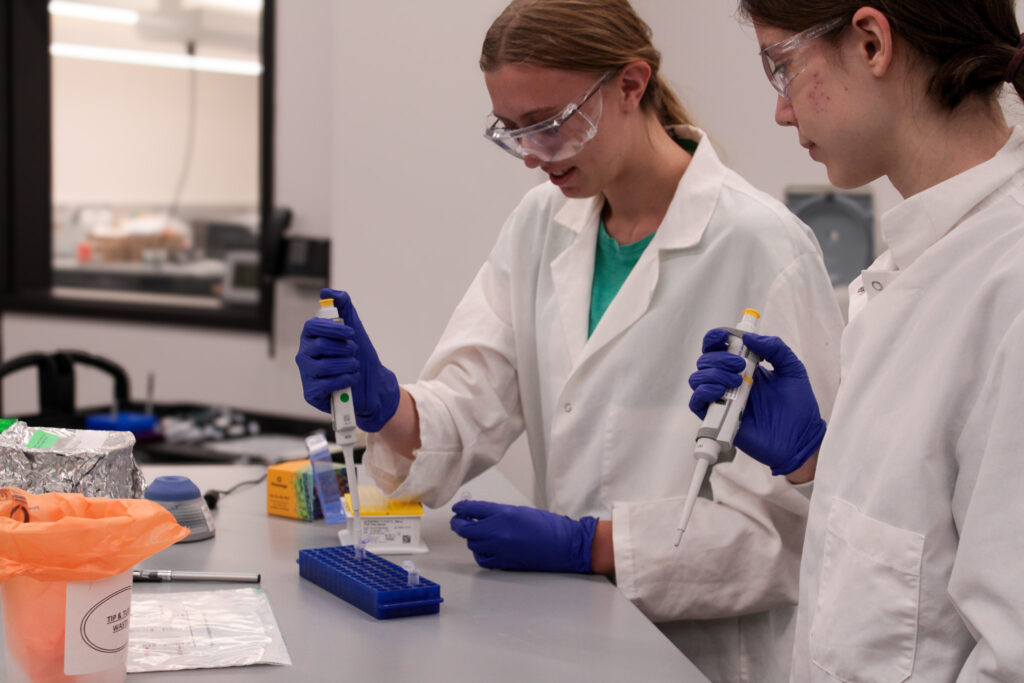
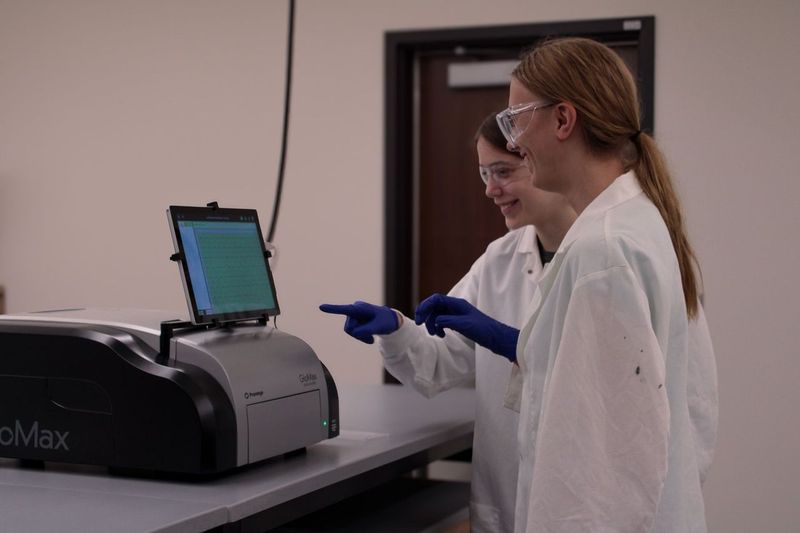
Tess (left) and Evie (right) spent the summer after high school graduation interning in Promega R&D.
If she weren’t working at Promega, Evie Zadzilka probably would’ve spent the summer after high school graduation taking summer classes before reporting to her freshman year at the University of Wisconsin-Madison. She runs a small art business, and she might’ve spent more time taking commissions.
Instead, Evie spent the summer before college as an intern in Promega R&D, honing her pipetting skills as she learns about primer design and contributing to the development of a new Promega assay.
“I’ve had a great time,” she says. “I’ll definitely take a lot with me from this experience. I’m so glad I got to do it.”
Evie and her fellow intern Tess Clark were the two high school-aged interns placed at Promega through a relationship with a Madison-based nonprofit called Maydm. This organization helps girls and youth of color in grades 6-12 prepare for careers in STEM by providing educational opportunities and experiences. Through school and summer programs, they strive to disrupt systemic barriers by empowering students like Evie to pursue their dreams as entrepreneurs, developers, engineers and more.
“This will really boost my confidence when I get into lab work next year,” Evie says.
High School Internships at Promega
Tess and Evie were placed in Promega internships through the non-profit organization Maydm.
During their senior year of high school, Tess and Evie were both enrolled in dual-credit courses through Madison College. These classes made them eligible to apply for a high school internship through Maydm.
“I’ve been interested in research for a very long time,” says Tess, another recent school graduate preparing to enter the University of Wisconsin-Madison. “I’m going to major in physics next year, and I don’t have many ties to the biotechnology or chemistry I’ve worked with at Promega. But I wanted hands-on lab experience, so that’s how I ended up here.”
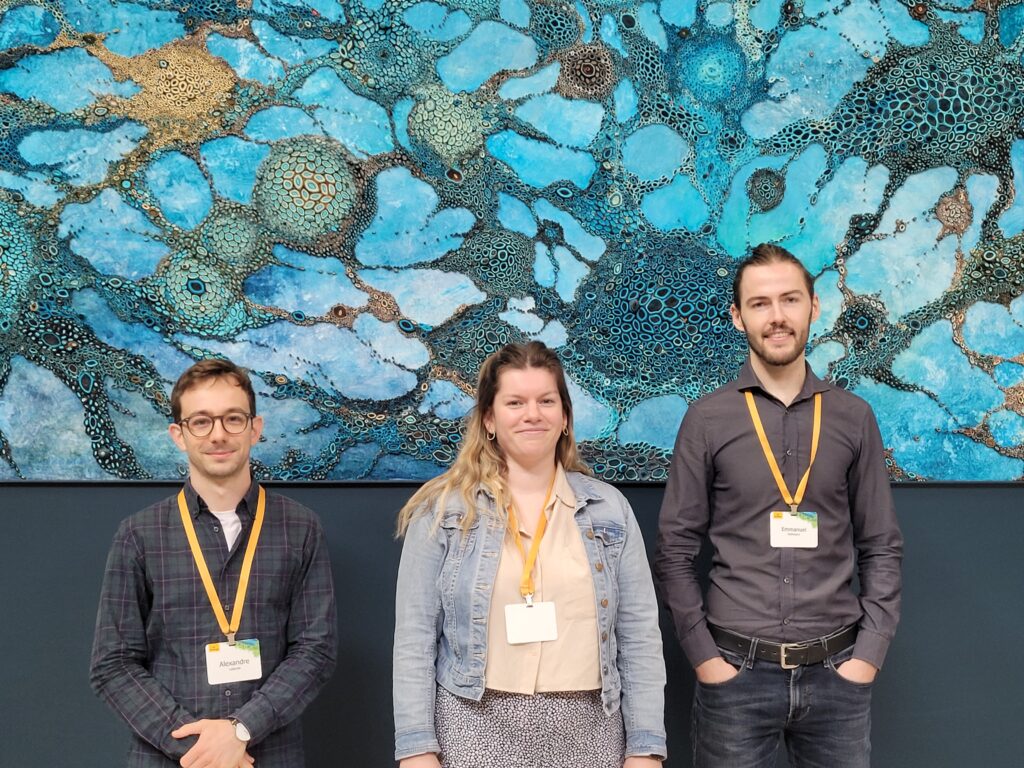
Young Researcher Award winners Alexandre Lalande, Margaux Cochard and Emmanuel Heilman (L to R) visited Promega Madison in June 2024.
Earlier this summer, Promega Madison welcomed three rising researchers from Europe for an immersive experience on the company’s main campus. Alexandre Lalande (PhD student, International Center for Infectiology Research, France), Margaux Cochard (Post-Doc, University of the Littoral Opal Coast, France) and Emmanuel Heilman (Post-Doc, Medical University of Innsbruck) were selected as Young Researcher Award winners by Promega France and Promega Germany. Their prize trip to the United States included tours of Promega facilities, conversations with Promega leaders and research scientists and hands-on training with emerging technologies.
“It’s really interesting to see how Promega manages to find harmony between the science, the people and the business,” Alexandre says. “When you arrive here you immediately feel comfortable.”
Meeting Industry Scientists
Alexandre says that he has always imagined himself working in academia doing basic research, but he never totally ruled out opportunities in industry.
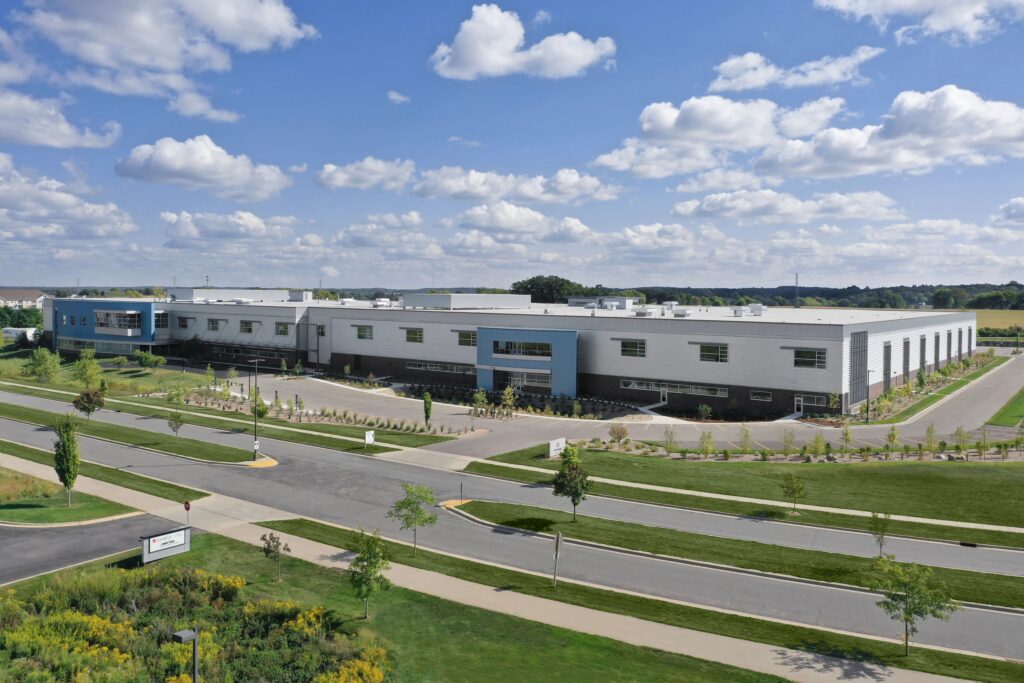
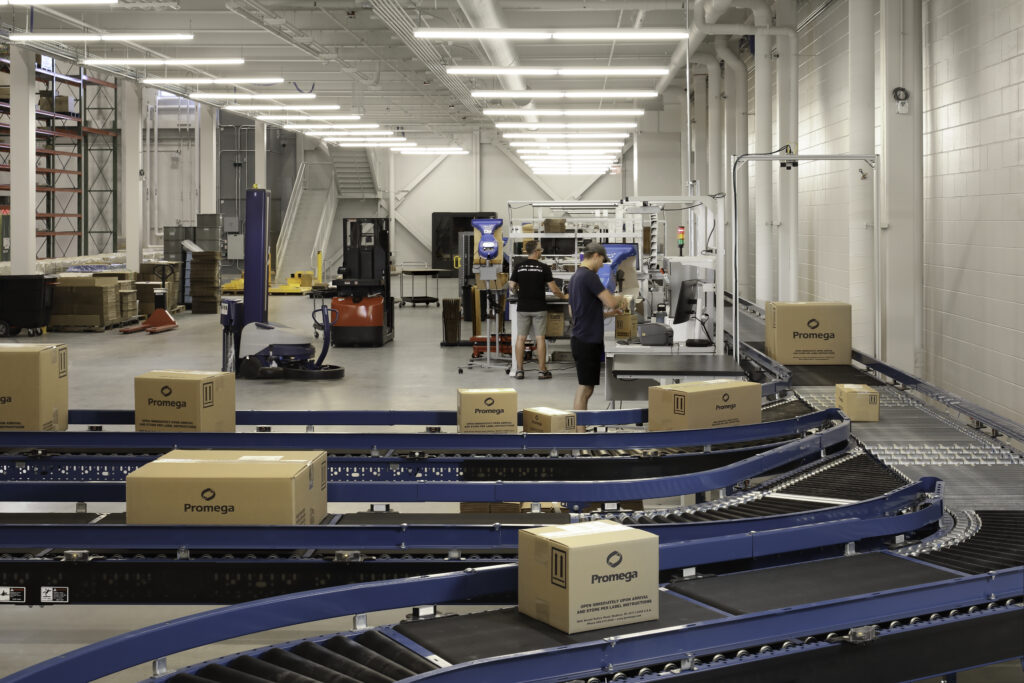
In March 2024, Promega celebrated a significant milestone by completing extensive renovations to Kepler Center, the primary distribution warehouse located at Promega Madison. This massive expansion has increased the facility’s total area to an astounding 320,000 square feet (29,822 square meters).
So, what does this mean for you?
When you place an order from Promega, you can be confident your products will arrive on time. With customers in more than 120 countries, we have built a global logistics network that ensures quality and reliability from the warehouse to your lab. This expansion of Kepler Center enhances our ability to ensure prompt shipping, reaffirming our commitment to timely deliveries.
Delivering Products When You Need Them
Promega Madison ships directly to 40 countries. We maintain close relationships with domestic carriers and international freight forwarders to make sure packages are transported safely and efficiently. Some of these shipments go directly to customer labs, while others will stock distribution facilities around the world.
Promega has additional logistics warehouses strategically located around the world. These warehouses have much of the same capabilities as Kepler Center, such as a range of storage temperature capabilities including ambient, +4°C, -20°C, -70°C and liquid nitrogen cryogenic storage.
Our logistics teams around the world maintain local inventory and oversee the final delivery of orders. We share common processes around the world to ensure quality and continuity throughout the supply chain. These teams also work with our network of distributors to supply products to specific regions.
Our largest logistics facility outside the United States is the EuroHub, located in Walldorf, Germany. This 3,200 square foot (300 square meter) facility acts as a fulfillment agent, managing the entire logistics process to supply customers of every European branch. In 2023, almost 83,000 parcels were dispatched through the EuroHub.
XWe use cookies and similar technologies to make our website work, run analytics, improve our website, and show you personalized content and advertising. Some of these cookies are essential for our website to work. For others, we won’t set them unless you accept them. To learn more about our approach to Privacy we invite you to Read More
By clicking “Accept All”, you consent to the use of ALL the cookies. However you may visit Cookie Settings to provide a controlled consent.
We use cookies and similar technologies to make our website work, run analytics, improve our website, and show you personalized content and advertising. Some of these cookies are essential for our website to work. For others, we won’t set them unless you accept them. To find out more about cookies and how to manage cookies, read our Cookie Policy.
If you are located in the EEA, the United Kingdom, or Switzerland, you can change your settings at any time by clicking Manage Cookie Consent in the footer of our website.
Necessary cookies are absolutely essential for the website to function properly. These cookies ensure basic functionalities and security features of the website, anonymously.
Cookie
Duration
Description
cookielawinfo-checbox-analytics
11 months
This cookie is set by GDPR Cookie Consent plugin. The cookie is used to store the user consent for the cookies in the category "Analytics".
cookielawinfo-checbox-functional
11 months
The cookie is set by GDPR cookie consent to record the user consent for the cookies in the category "Functional".
cookielawinfo-checbox-others
11 months
This cookie is set by GDPR Cookie Consent plugin. The cookie is used to store the user consent for the cookies in the category "Other.
cookielawinfo-checkbox-advertisement
1 year
The cookie is set by GDPR cookie consent to record the user consent for the cookies in the category "Advertisement".
cookielawinfo-checkbox-necessary
11 months
This cookie is set by GDPR Cookie Consent plugin. The cookies is used to store the user consent for the cookies in the category "Necessary".
cookielawinfo-checkbox-performance
11 months
This cookie is set by GDPR Cookie Consent plugin. The cookie is used to store the user consent for the cookies in the category "Performance".
gdpr_status
6 months 2 days
This cookie is set by the provider Media.net. This cookie is used to check the status whether the user has accepted the cookie consent box. It also helps in not showing the cookie consent box upon re-entry to the website.
lang
This cookie is used to store the language preferences of a user to serve up content in that stored language the next time user visit the website.
viewed_cookie_policy
11 months
The cookie is set by the GDPR Cookie Consent plugin and is used to store whether or not user has consented to the use of cookies. It does not store any personal data.
Analytical cookies are used to understand how visitors interact with the website. These cookies help provide information on metrics the number of visitors, bounce rate, traffic source, etc.
Cookie
Duration
Description
SC_ANALYTICS_GLOBAL_COOKIE
10 years
This cookie is associated with Sitecore content and personalization. This cookie is used to identify the repeat visit from a single user. Sitecore will send a persistent session cookie to the web client.
vuid
2 years
This domain of this cookie is owned by Vimeo. This cookie is used by vimeo to collect tracking information. It sets a unique ID to embed videos to the website.
WMF-Last-Access
1 month 18 hours 24 minutes
This cookie is used to calculate unique devices accessing the website.
_ga
2 years
This cookie is installed by Google Analytics. The cookie is used to calculate visitor, session, campaign data and keep track of site usage for the site's analytics report. The cookies store information anonymously and assign a randomly generated number to identify unique visitors.
_gid
1 day
This cookie is installed by Google Analytics. The cookie is used to store information of how visitors use a website and helps in creating an analytics report of how the website is doing. The data collected including the number visitors, the source where they have come from, and the pages visted in an anonymous form.
Advertisement cookies are used to provide visitors with relevant ads and marketing campaigns. These cookies track visitors across websites and collect information to provide customized ads.
Cookie
Duration
Description
IDE
1 year 24 days
Used by Google DoubleClick and stores information about how the user uses the website and any other advertisement before visiting the website. This is used to present users with ads that are relevant to them according to the user profile.
test_cookie
15 minutes
This cookie is set by doubleclick.net. The purpose of the cookie is to determine if the user's browser supports cookies.
VISITOR_INFO1_LIVE
5 months 27 days
This cookie is set by Youtube. Used to track the information of the embedded YouTube videos on a website.
Performance cookies are used to understand and analyze the key performance indexes of the website which helps in delivering a better user experience for the visitors.
Cookie
Duration
Description
YSC
session
This cookies is set by Youtube and is used to track the views of embedded videos.
_gat_UA-62336821-1
1 minute
This is a pattern type cookie set by Google Analytics, where the pattern element on the name contains the unique identity number of the account or website it relates to. It appears to be a variation of the _gat cookie which is used to limit the amount of data recorded by Google on high traffic volume websites.