Tales from the Trenches: Career Growth in Biotechnology

Building a successful career in the biotechnology industry is really just a series of transitions from one role to another. But the devil is in the details—when to make a change, how to create opportunities and who can be your champion as you pivot. So how do you navigate these factors to keep your career goals on course?
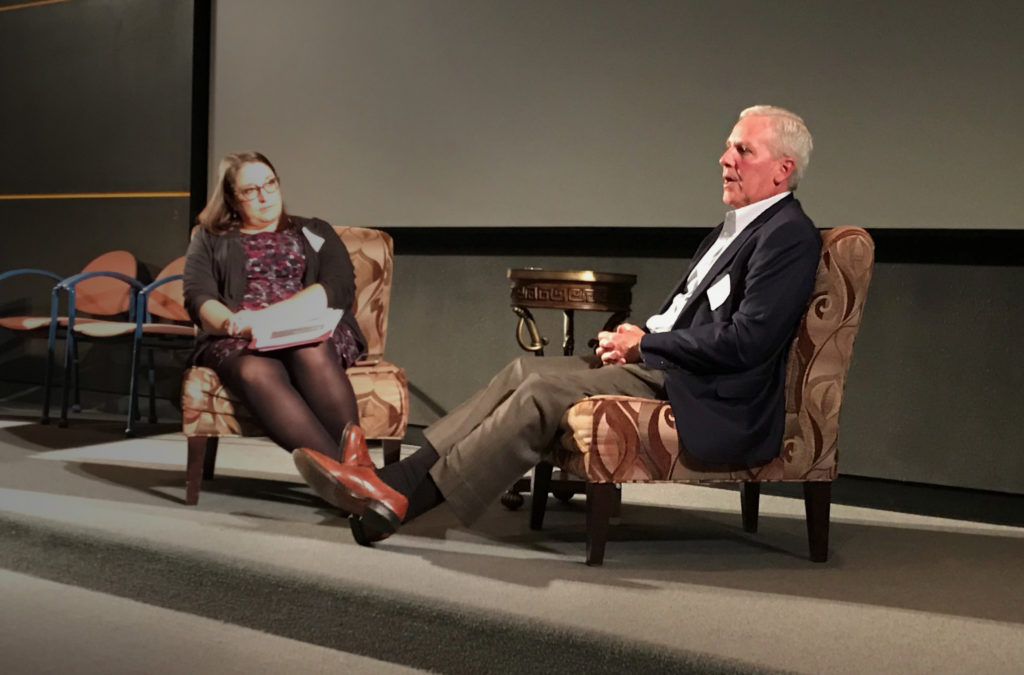
Bob Weiland answers a question posed by Michele Smith at the MS Biotech Alumni Symposium.

I recently attended a symposium (presented by the University of Wisconsin Master of Science in Biotechnology Program, of which I’m an alum) that addressed this topic through the lens of one individual with a storied career in the industry. Bob Weiland currently serves on the Board of Directors for CymaBay Therapeutics. He has held various roles, from sales and marketing to operations and strategy, within large, established companies (Abbot, Baxter, Takeda) and smaller ones (Pacira Pharmacueticals). He drew on this wide-ranging experience to provide advice to professionals at all career stages.

Bob began the talk by declaring that there will be points in your career when you reach a “hard spot” and will need to transition, whether to a new role, company or even industry, to meet your career goals. He suggested a good starting point is simply to be thinking about making a change. But in the same breath he emphasized, “What are you doing about it?” He identified four distinct actions that you can take to ensure role changes and career transitions support your professional growth and development.

Continue reading “Tales from the Trenches: Career Growth in Biotechnology”
Sci Comm Tips From An iGEM Judge

Formal judgment in any context is nerve-racking. Scientists, familiar with being judged, rely on others to evaluate (and hopefully accept) everything from a PhD thesis defense to grant proposals and peer-reviewed journal article submissions. The frustrating part is not knowing exactly what the judges are looking for. Sure there are requirements and guidelines to follow—but how are the judges going to interpret them? It would be a whole lot easier if we could just peek into their minds. Unfortunately for most, that fantasy isn’t likely to turn into reality.

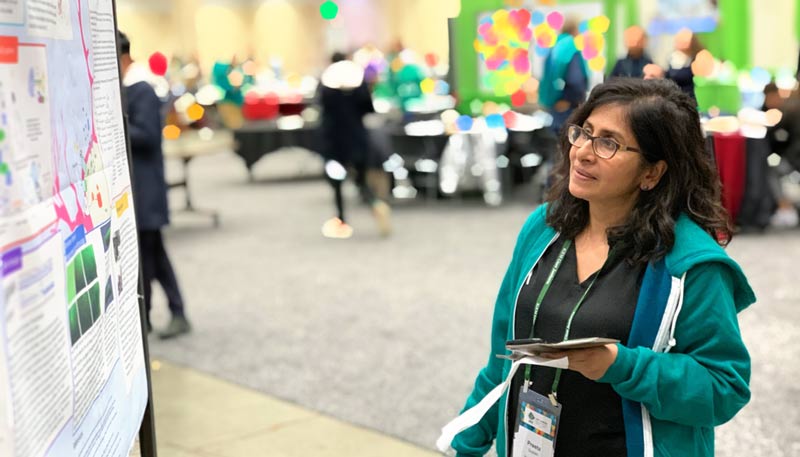
But if you are part of an iGEM team, today is your lucky day! Our own Preeta Guptan volunteers as a judge for the iGEM competition, and in today’s article, you will get her insider’s perspective about what iGEM judges look for. You will also get some tips to help you excel in the iGEM competition—and effectively communicate about science in general.

Preeta is an External Innovation Manager at Promega, which means she seeks out and investigates technology that might be valuable for Promega to license or acquire. The opportunity to scout up-and-coming synthetic biology advances was one reason she wanted to be an iGEM judge, but curiosity was at the core of her decision. Preeta and the other judges bring their unique perspectives and experiences to each iGEM project and team they evaluate. Here are some suggestions from Preeta:

Continue reading “Sci Comm Tips From An iGEM Judge”

Immunotherapy—Don’t Forget the Microbiome

Bacteria make you sick. The idea that bacteria cause illness has become ingrained in modern society, made evident by every sign requiring employees to wash their hands before leaving a restroom and the frequent food recalls resulting from pathogens like E. coli. But a parallel idea has also taken hold. As microbiome research continues to reveal the important role that bacteria play in human health, we’re starting to see the ways that the microbiota of the human body may be as important as our genes or environment.

The story of how our microbiome affects our health continues to get more complex. For example, researchers are now beginning to understand that the composition of bacteria residing in your body can significantly impact the effects of therapeutic drugs. This is a new factor for optimizing drug response, compared to other considerations such as diet, interaction with other drugs, administration time and comorbidity, which have been understood much longer.

Continue reading “Immunotherapy—Don’t Forget the Microbiome”

Lab Sustainability: Easy as 1-2-3

Sustainability is a bit of buzzword lately—for good reason—but knowing how to be more sustainable and actually putting sustainable practices in action are not the same thing. This may be one reason why scientists have been slow to adopt change in their laboratories. By sponsoring My Green Lab, we’re hoping to help spread the message that there are simple changes researchers can make in their labs to significantly impact sustainability.

Here are some easy ways to reduce energy, water and waste in your lab and start making your research more sustainable.

1. Energy

Compared to office buildings on campus, academic lab buildings consume 5 times more energy. To put that into perspective, labs typically consume 50% of the energy on a university campus despite occupying less than 30% of the space. Fortunately, reducing energy usage can be one of the easiest ways to make your lab more sustainable.

Continue reading “Lab Sustainability: Easy as 1-2-3”

Making Research More Sustainable, One Lab at a Time

Do you love your research job? What if you couldn’t do that work anymore? What if future researchers couldn’t have the opportunity to build from what you have accomplished and feel the same joy you do about their research?

Unfortunately, these may become more than hypotheticals for the next generation of scientists due to the impact humans are having on the earth. Scientific research has an outsized impact on some aspects of our unsustainable use of resources. Academic research buildings can use four times more energy than a typical office building and can be responsible for one-third of all waste generated on campus. So, can you make scientific research more sustainable?

Continue reading “Making Research More Sustainable, One Lab at a Time”

Combatting Gun Violence with Synthetic Biology

Imagine you are a high school student living in a community devastated by gun violence and death. In the U.S., this could be one of many communities, but it happens to be Baltimore which had 301 deaths due to gun violence in 2017 (with a per capita rate well above other large cities). Then imagine you were part of an organization within that community that helped you, along with other students, gain knowledge and skills to come up with a viable solution to the problem using synthetic biology.

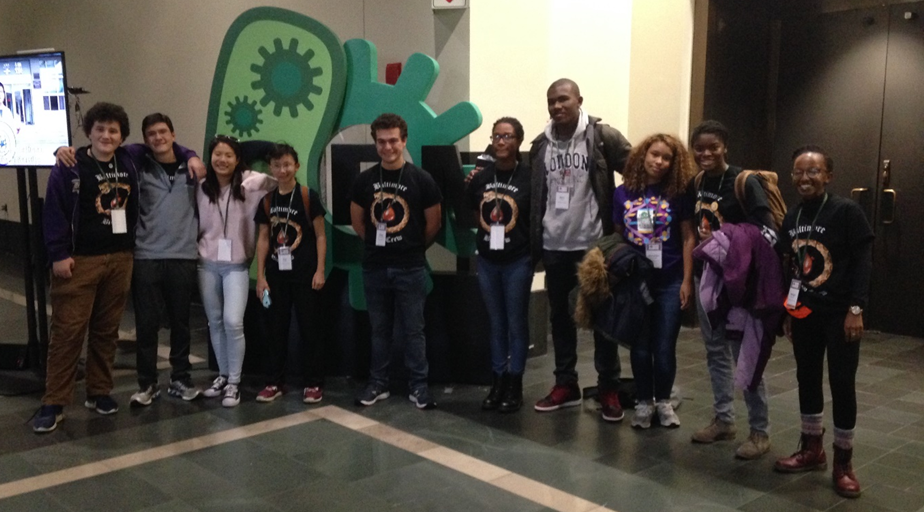
Baltimore Bio-Crew at the 2018 iGEM Giant Jamboree

This is exactly how the Baltimore Bio-Crew came up with their iGEM project, Coagulance Rx. The Baltimore Bio-Crew decided to tackle this community issue head-on. One team member, Mercedes Ferandes, reflected, “Living in Baltimore City, I have not only witnessed gun violence in front of me, but have had family members and friends die from it. I wanted to try to decrease the amount of deaths by gun violence using iGEM.”

After some research, they discovered that many of the gun violence deaths were due to blood loss and could have been prevented. The impoverished neighborhoods where this violence occurs lack the resources to provide timely emergency medical treatment. Many of these deaths can be attributed to delayed arrival of emergency response teams—wait times for an ambulance can be over an hour.

Although there were several contributing factors beyond their control, the team wanted to address this problem by focusing on blood clotting and how it could be helpful as a quick temporary treatment for open wounds. This solution could offer a reliable, cost efficient way to save lives by slowing or stopping blood loss until a victim could get medical attention. The team decided to pursue the use of snake venom after coming across some previous iGEM projects that had used it for clotting. Team member Henry Ryles pointed out that the need for snake venom powerful enough to clot blood quickly led them to choose the venom of the Russell’s Viper
(Daboia russelii).

Continue reading “Combatting Gun Violence with Synthetic Biology”

How To Make Medicine on Mars

Today NASA’s InSight lander will touch down on Mars. InSight, which launched on May 5, is NASA’s first Mars landing since the Curiosity rover in 2012. The lander will begin a two-year mission to study Mars’ deep interior, gathering data that will help scientists understand the formation of rocky planets, including Earth.

NASA's InSight lander approaching Mars.
Image credit: NASA/JPL-Caltech

While every spacecraft that reaches Mars offers more knowledge of the Red Planet, a lot of the excitement is fueled by hopes that someday these missions will bring humans to Mars and enable us to start colonies there. While this goal seems very distant, tremendous progress is being made. Scientists around the globe are making incremental discoveries that will lead to the advances necessary to make colonization of Mars a reality.

I had the pleasure of meeting one team of scientists doing just this—eight high school students from iGEM Team Navarra BG. I met the team and their advisors at the 2018 iGEM Giant Jamboree, where they presented their synthetic biology project, BioGalaxy, as part of the iGEM competition. The problem they aimed to solve is key to helping humans stay on Mars for an extended period of time—how do you take everything you need when there isn’t enough room on the spacecraft? Continue reading “How To Make Medicine on Mars”

Overcoming Challenges When Scaling Antibody Production

Tradeoffs are a constant source of challenge in any research lab. To get faster results, you will probably need to use more resources (people, money, supplies). The powerful lasers used to do live cell imaging may well kill those cells in the process. Purifying DNA often leaves you to choose between purity and yield.

Robot performing autosampling

Working with biologics also involves a delicate balancing act. Producing compounds in biological models rather than by chemical synthesis offers many advantages, but it is not without certain challenges. One of those tradeoffs results from scaling up; the more plasmid that is produced, the greater probability of endotoxin contamination.

Continue reading “Overcoming Challenges When Scaling Antibody Production”

Conflict, CRISPR and the Scientific Method

Scientific inquiry is a process that is revered as much as it is misunderstood. As I listened to a TED talk about the subject, I was reminded that for the general public the foundation of science is the scientific method—the linear process of making an observation, asking a question, forming an hypothesis, making a prediction and testing the hypothesis.
While this process is integral to doing science, what gives scientific findings credibility and value is consensus from the scientific community. Building consensus is the time-consuming process that includes peer review, publication and replication of results. It is also the part of scientific inquiry that so often leads the public to misunderstand and mistrust scientific findings.

Continue reading “Conflict, CRISPR and the Scientific Method”

Millions of Pickles, Pickles in the Sea

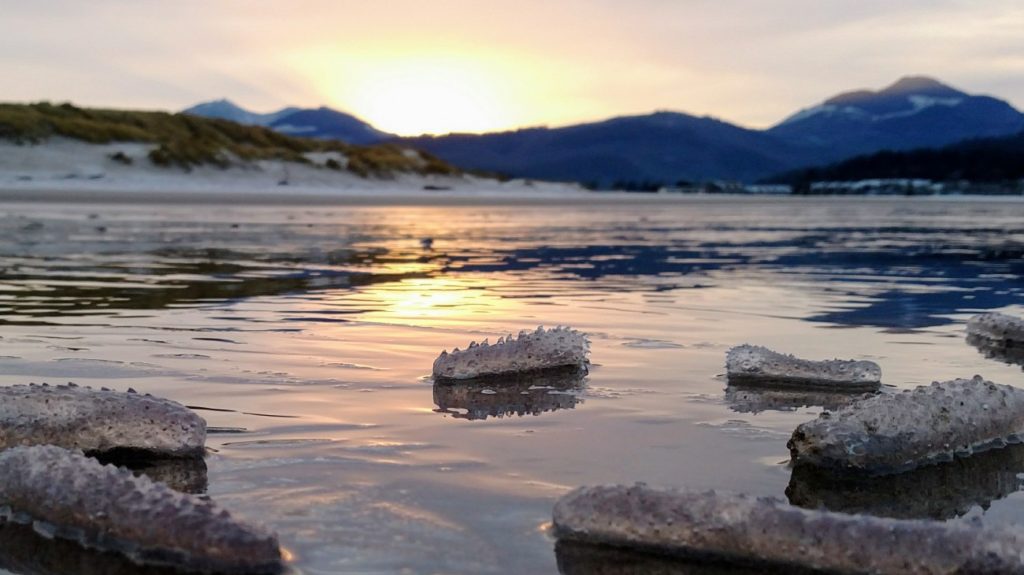
For a few years beginning late in 2013, warmer ocean conditions in the eastern Pacific prompted the appearance of unexpected species and toxic algal blooms that devastated others. When temperatures cooled in 2017, the marine ecosystems seemed to be returning to normal. Except for the pyrosomes. Although these previously rare organisms did start to wash up on beaches during the periods of warming, they began to appear by the millions from Oregon to Alaska that spring.

Pyrosomes
Photo by Steven Grace.

Some combination of ideal conditions led pyrosomes to multiply, dominate the ocean surface and wash up on beaches along the US and Canadian Pacific Coasts. Pyrosomes typically exist offshore, far below the surface in warm, tropical waters all over the world. Their sudden proliferation in other areas is likely due to the warm, Pacific ocean “blob,” although atypical sea currents and changes in pyrosome diet have been offered as other possible explanations.

While the appearance of pyrosomes impeded the efforts of fisherman by clogging nets and filling hooks, greater ecological effects have yet to be observed. As we celebrate World Oceans Month, pyrosomes offer a mesmerizing example of the astounding biological diversity our oceans have to offer and, perhaps, a cautionary tale of the impact climate change can have on those marine lifeforms.

The pyrosome species common in the NE Pacific, Pyrosoma atlanticum, goes by a few other colorful names. Each name reveals something captivating about these creatures. Commonly called “sea pickles” due their size, shape and bumpy texture (like a transparent cucumber), these are not single organisms, but colonies formed by hundreds or thousands of individual multicellular animals call zooids.

Continue reading “Millions of Pickles, Pickles in the Sea”