The Science of Slipping… Blame the Molecules!

Whether it’s Home Alone’s booby-trapped icy steps, Bambi learning his legs have zero traction, or an Ice Age chase scene defying gravity, ice has been comedy gold for decades. In real life, the joke lands a little harder (sometimes literally).
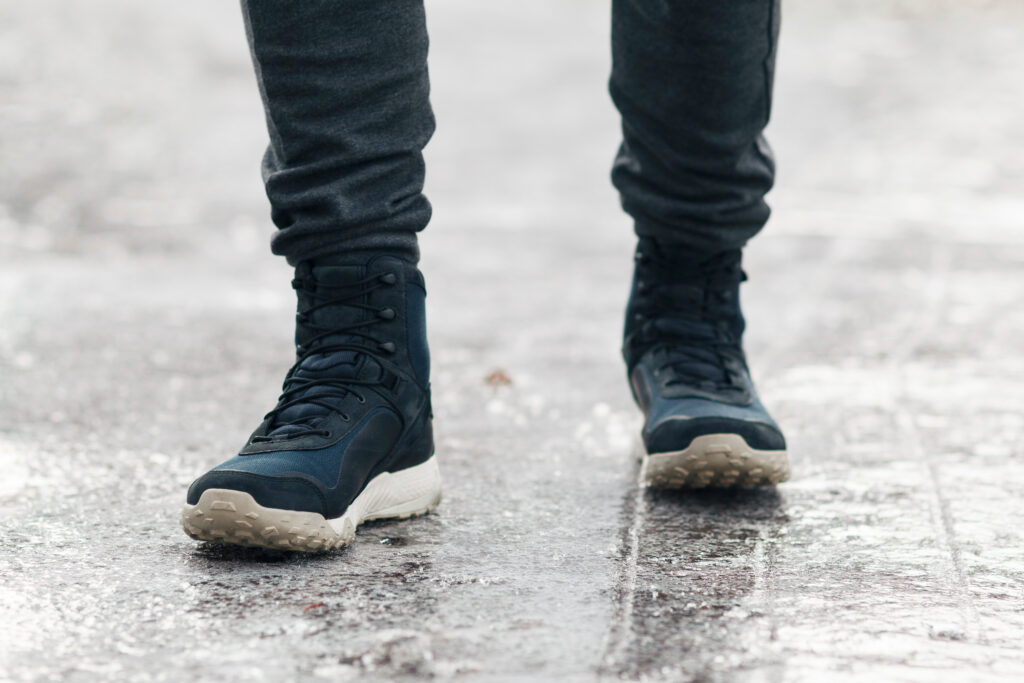
Slippery Ice

We all know ice is slippery. The more surprising part is why it’s slippery and how long it took scientists to start agreeing on something closer to an answer. Researchers have long known the surface of ice behaves like it’s wearing a microscopic “wet” layer that lubricates motion. What they’ve argued about for nearly 200 years is what creates that layer in the first place (3,4).

So, let’s treat this like a mystery. Ice is the crime scene. Your dignity is the victim. Here are the main suspects.

Continue reading “The Science of Slipping… Blame the Molecules!”
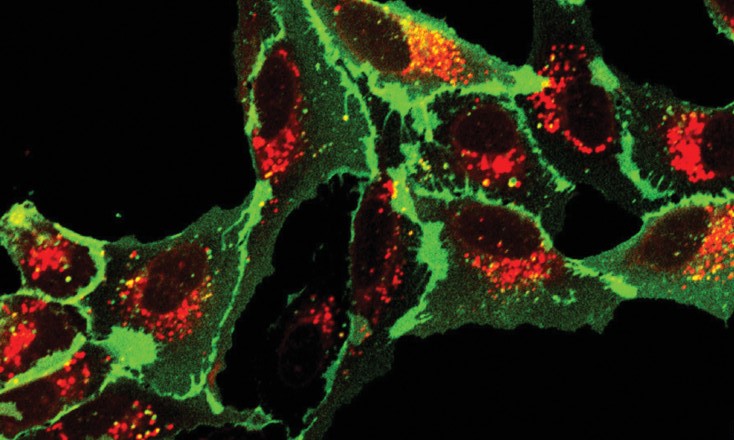

Fluorescent Ligands in Biological Research: Where We’ve Been, Where We’re Headed

Fluorescent tags (fluorophores), have become excellent tools for labeling cells and cellular components. They can be used for imaging large molecules like proteins, on down to cellular components and enzymes such as transcription factors. Once labeled, these molecules can be tracked in tissue or inside a cell, when the right tag is used.

What is the ‘right’ tag? It’s a tag with bright signal, with low background and good photostability. For small cell components like organelles, the tag must be cell-permeable and small enough to not interfere with normal cellular processes such as transcription and metabolism.

Significant advances have been made in fluorescent tags in the past two decades. Here we look at several papers noting these advances.

Continue reading “Fluorescent Ligands in Biological Research: Where We’ve Been, Where We’re Headed”