Virophages: The Enemy of My Enemy is My Friend

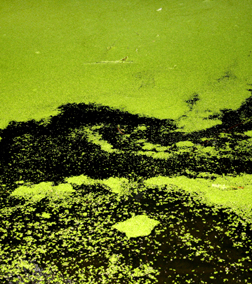
Algae and, quite possibly, some virophages

Viruses are small DNA- or RNA-based infectious agents that can replicate only inside living cells of a host organism. Most people know what a virus is, and many of us harbor at least one or two of them at some point during the cold and flu season. However, I would guess that many of us do not know what a virophage is, even though they seem to be more common than previously thought.

Virophages were first discovered and characterized by LaScola et al. in 2008 (1) during studies with Acanthamoeba polyphaga mimivirus (APMV), the largest known virus—so large that it is visible by optical microscopy. Continue reading “Virophages: The Enemy of My Enemy is My Friend”


Was Dr. Crippen Innocent After All? New Forensic Evidence 100 Years After his Execution

The past few decades have seen amazing advances in forensic science that are instrumental in analyzing DNA evidence to put perpetrators of crimes behind bars and exonerate people convicted of crimes that they did not commit. [Read William Dillon’s story of wrongful conviction].

Unfortunately for some people, these techniques were developed too late. One of those people was Dr. Hawley Harvey Crippen, who was accused and convicted of killing his wife Cora in 1910 using the forensic techniques available at the time. Until the very day of his execution, Dr. Crippen insisted that he was innocent, and now there is strong DNA evidence to support his claim. Recently, forensic scientists from Michigan State University analyzed DNA evidence in this case and published their results in the Journal of Forensic Science (1): The human remains that were so instrumental in Dr. Crippen’s conviction were not those of his wife.

Continue reading “Was Dr. Crippen Innocent After All? New Forensic Evidence 100 Years After his Execution”

Justice 27 Years Too Late: The William Dillon Story

Balance of justiceWilliam (Bill) Dillon spent more than half of his life in a prison for a crime he did not commit. Now, after being exonerated by DNA testing, he is telling his story of injustice and, eventually, freedom. On Wednesday, January 12, he visited Promega Corporation in Madison, Wisconsin, to relate his story and his efforts as an advocate for exonerees who are released from prison with little support from the same justice system that failed them in the first place.

The events that lead to Dillon’s false imprisonment started on August 17, 1981, when a man was found beaten to death in the parking area of a beach in a Florida tourist town. On August 22, detectives were investigating the crime scene, when Dillon and his brother drove into the parking area. Little did Dillon know that his decision to drive to the beach that day would lead to a wrongful conviction and 27 years and 8 months in prison.

Continue reading “Justice 27 Years Too Late: The William Dillon Story”

Sailing: Relaxing Pastime or Dangerous Sport?

SailboatSailing has always struck me as a civilized, relaxing way to spend a beautiful summer day. I imagine sitting on the boat’s deck in a sundress with a big floppy hat to keep the sun off of my face, a cold beverage in hand and perhaps a picnic basket of sandwiches at my feet. What could be more tranquil than gently gliding along the water’s rippling surface, with just enough of a breeze to keep you cool on a hot sunny day?

That’s how I envision sailing, and it will be obvious to many of you from this description that I do not sail. However, my husband and many of my friends do, and they tell a very different account, especially during a race: Sailors quickly moving around the deck, tackling and subduing unruly spinnakers, dodging booms and other hazards, and in general just trying not to fall overboard, especially on those days when it is blowing 20 (translation for us nonsailors: days with 20-mile-per-hour winds). Thus, a recent paper in the December issue of the journal Wilderness & Environmental Medicine caught my attention (1). In it, the authors report the frequency and types of injuries sustained by sailors while sailing. Those of you who sail will not be surprised by the findings, but I was. Sailing is more dangerous than I imagined. Continue reading “Sailing: Relaxing Pastime or Dangerous Sport?”

Analyzing DNA to Determine a Person’s Age

Birthday cakePeople have employed many methods to disguise their age: eating a healthy diet rich in antioxidants, exercising regularly, protecting their skin from the sun and, if all else fails, undergoing plastic surgery. However, a recent Current Biology paper may make it harder for us to hide our true age. The authors describe a real-time PCR assay that can provide an estimate of a person’s age based on a tiny blood sample (1). Continue reading “Analyzing DNA to Determine a Person’s Age”

The Chemistry of Autumn Colors

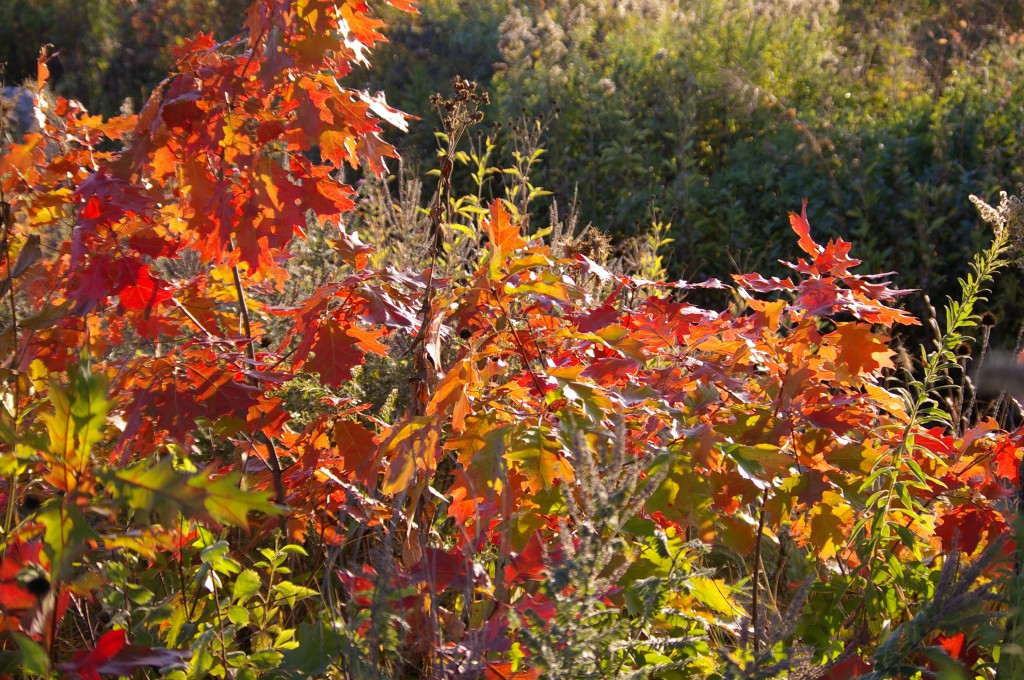
Trees and plants in full color demonstrating the chemistry of autumn colors

Here in Wisconsin, the leaves are starting to turn the characteristic reds, oranges and yellows of autumn. This is one of my favorite times of the year (not only because of Mother Nature’s impressive displays but also because we are nearing that magical time between the last lawn mowing and the first snow shoveling). This is the time of year that I try to take in as much color as I can before everything is covered in a blanket of white.

As I stroll around, enjoying the view, I think about the chemical changes within the leaves that cause such vibrant colors. I can’t help myself; I am a scientist.

Continue reading “The Chemistry of Autumn Colors”

OK, I’ve Got My Degree. Now What?

One of many alternative science careers

Years ago, when I was in graduate school studying molecular biology, many of my professors seemed to place a lot of value on the traditional career path: several years of post-doctoral fellowships, followed by a career as a tenured faculty member at a big academic institution, with teaching responsibilities and a laboratory, post-doctoral fellows and students. At the time, many of my fellow students and I planned to follow this path and, eventually, become primary investigators and manage our own labs. There was little talk of other career choices. However, after several years of graduate school studies, I realized that, as much as I enjoyed learning and thinking about science, certain aspects of spending 3–6 years as a “post doc”, then managing my own lab and writing grants did not appeal to me. I had to revisit the question “What do I want to be when I grow up?”

So, what else could I have done with my science degree?

Continue reading “OK, I’ve Got My Degree. Now What?”